Best Bee Feeder for 2026: Every Type Explained Side by Side
Disclosure: We may earn a commission when you buy through links on this page, at no extra cost to you. As an Amazon Associate I earn from qualifying purchases. Learn more
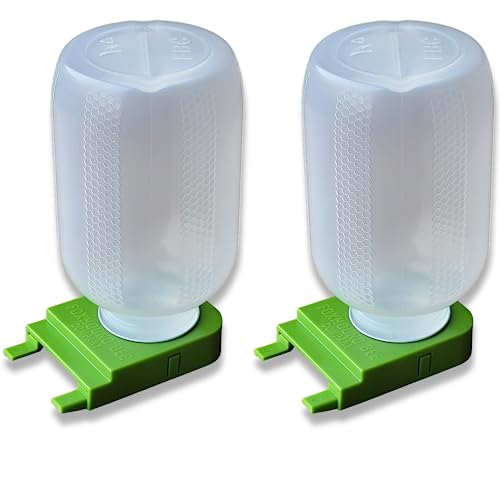
Beekeepers choosing the best bee feeder can compare entrance, top, frame and open types by size, material and price to fit their hive.
Choosing a feeder can feel confusing because the options look similar at first glance yet work in very different ways. The best bee feeder for your setup depends on your hive type, how many colonies you keep, how often you want to refill, and how much robbing or spilling you are willing to manage. This guide walks through the comparison table below type by type, so you can match the feeder to your bees rather than buying on looks alone.
Think about access first. Some feeders sit outside the hive and are easy to refill, while others sit inside and disturb the colony less. Weather, pests and your own routine all shape the right choice, so read the trade offs for each type before deciding.
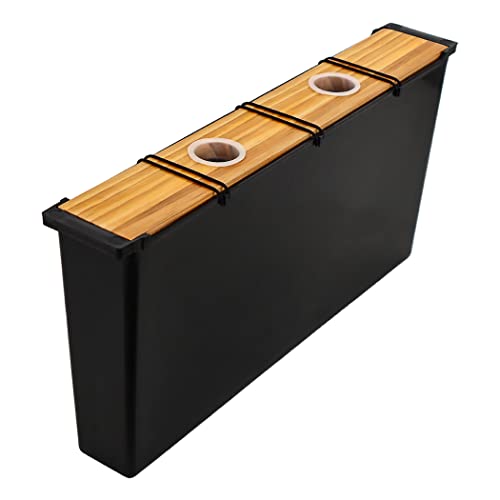
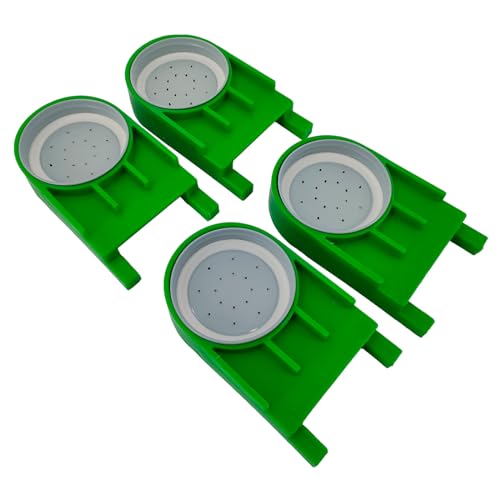
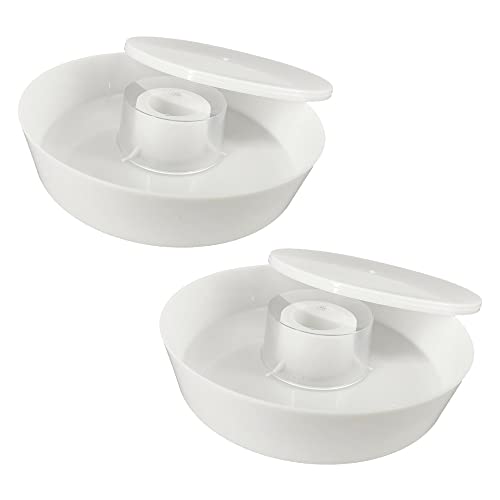


Types of Bee Feeders Compared
The table below gives a quick overview of the main feeder styles, and the sections after it explain when each one earns its place.
| Type | Best For | Pros | Cons | Typical Price |
|---|---|---|---|---|
| Entrance feeder | Small scale feeding | Easy to refill | Can invite robbing | around $10 |
| Top feeder | Large volume feeding | Holds a lot of syrup | Heavier to lift | around $30 |
| Frame feeder | Inside hive feeding | Protected from weather | Takes a frame slot | around $15 |
| Open feeder | Many colonies at once | Feeds many bees fast | Attracts other insects | around $20 |
Mid Range Options
Mid range feeders strike a useful balance between capacity, build quality and price. They usually hold enough syrup for a week or more of steady feeding, use thicker plastic or wood that resists cracking, and include details like floats or ladders that help bees climb out safely. These feeders suit beekeepers with a few colonies who want reliable feeding without constant refills. Look for smooth seams, a lid that seals well and parts you can clean without tools, since syrup residue builds up fast in warm weather.
Premium Options
Premium feeders tend to offer larger capacity, sturdier materials and smarter design details. You may get better seals, clearer level markings, easier cleaning and floats shaped to reduce drowning. These extras matter most when you feed often, manage several hives or want to check levels at a glance.
A premium feeder is not automatically better for a single small colony, so weigh the capacity against your actual feeding routine. If the feeder outlasts several seasons and saves refilling trips, the higher upfront cost can still be good value.
Budget Options
Budget feeders work well for starting out, for a single colony or for short feeding periods. They are often simple entrance feeders or basic jars that cost little and are easy to replace. The trade off is smaller capacity, thinner materials and a higher chance of leaks or robbing, so check them more often.
Budget does not mean careless, though. A simple feeder kept clean, filled on time and placed with care can serve bees perfectly well, especially while you learn what your colonies need.
Compact Options
Compact feeders suit small apiaries, nucs and tight hive setups where space is limited. They tuck into the hive or sit neatly at the entrance without blocking the flight path, and they are light enough to handle with one hand. The main limit is capacity, so expect more frequent refills during heavy feeding periods.
Compact feeders also suit beekeepers who check hives often and prefer small, fresh batches of syrup over large volumes sitting for weeks. Pair a compact feeder with a regular inspection routine for best results.
Mid Range Options vs Premium Options: Which Should You Choose?
Compare these two tiers on capacity, build, ease of cleaning, bee safety and long term cost. Premium feeders usually win on capacity and durability, while mid range feeders win on value for a small apiary. If you feed a few colonies through one season, a mid range feeder is often enough.
If you feed many colonies, refill less often or want parts that survive years of sun and syrup, a premium feeder makes more sense. Let your colony count and inspection frequency decide, not the price tag alone.
How to Choose the Right Bee Feeder
Work through these factors in order, and the right feeder type usually becomes clear.
Size, Weight, and Fit for Your Space
Match the feeder to your hive type and available space. A top feeder needs headroom under the cover, a frame feeder needs a free frame slot, and an entrance feeder needs a clear entrance that bees can still guard. Check the weight when full, since a large top feeder can be heavy to lift during inspections. In a small garden, a compact feeder keeps the apiary tidy, while a larger yard gives you room for open or top feeding styles.
Ease of Use and Setup
A feeder you dread refilling will get neglected, so ease of use matters. Look for wide openings, clear level markings and a design you can fill without removing the whole hive cover. Entrance feeders are the simplest to refill, while top feeders need a steadier hand but hold more syrup.
Read the maker instructions before first use, and try the fit on an empty hive so you are not learning the steps while bees are active. If you keep other garden feeders nearby, see our guide to the best bird feeders for placement ideas that keep bird and bee feeding areas sensibly apart.
Maintenance and Long Term Costs
Syrup ferments, molds and attracts ants, so cleaning is part of the cost of any feeder. Choose materials that rinse clean and parts that come apart without breaking. Budget for replacement floats, lids or jars over time, and for the syrup itself, which adds up across a season.
A feeder that is cheap to buy but hard to clean can cost more in spoiled syrup and lost bees. Set a cleaning rhythm tied to your inspections, and retire any feeder with cracks that harbor mold.
Intended Use and Who It Is For
Feeding a new colony, supporting a hive through a nectar gap and building stores for winter are different jobs. New colonies often do best with a protected internal feeder, while established colonies can handle entrance or top feeders. Beekeepers with limited time should favor large capacity feeders, while those who inspect weekly can use smaller ones happily. Think about your experience level too, since a simple feeder with fewer parts is easier to manage while you are still learning hive behavior.
Price vs Value
Price tiers run from budget feeders at around $10 to premium feeders at around $40 or more, with mid range options near $20 to $30. Value is not the lowest price, but the feeder that lasts, cleans easily and matches your feeding routine. A budget feeder replaced every season can cost more than a mid range feeder kept for years. Compare capacity per refill, cleaning effort and replacement parts before judging value, and remember that syrup and your time are part of the real cost.
Tips to Get the Most From Your Bee Feeder
Read the manual before first use, and check the feeder fit on an empty hive if you can. Clean and inspect the feeder regularly, especially in warm weather when syrup spoils fast. Store spare feeders in a dry place away from sunlight, and keep them out of reach of children and pets.
Place feeders with care, following local rules, and watch for robbing or ant activity after you first set one out. For stable mounting ideas, see our guide to the best bird feeder poles.
Bee Feeders: Your Questions Answered
How long does a bee feeder last?
A bee feeder can last several seasons when it is made from sturdy material, cleaned regularly and stored dry over winter. Thin plastic feeders may crack after a year or two of sun exposure, while thicker plastic or wood feeders last longer. Syrup residue, mold and ant damage shorten life more than age alone, so inspect seams, lids and floats each time you refill. Replace any feeder with deep cracks, warped parts or mold that will not wash out, since damaged feeders leak and can harm bees.
How do I maintain a bee feeder?
Empty the feeder, rinse it with warm water and scrub away syrup residue before each refill during warm weather. Let it dry fully before adding fresh syrup, and check floats, ladders and seals for wear. In cool weather you can clean less often, but never let old syrup sit for weeks.
Store unused feeders dry and out of sunlight. Keep cleaning supplies away from children and pets, and wash your hands after handling syrup and feeder parts.
How much should I spend on a bee feeder?
Most beekeepers spend around $10 to $30 per feeder, with premium models reaching around $40 or more. A single colony keeper can start at the budget end and upgrade later, while someone with several hives may save time with larger mid range or premium feeders. Factor in syrup costs and replacement parts, not just the feeder price. Spending more makes sense when it buys capacity, durability and easier cleaning that match your routine.
What features matter most when buying bee feeders?
Capacity, bee safety, ease of cleaning and a good seal matter most. Floats or ladders stop bees drowning, a tight lid stops leaks and robbing, and smooth parts make cleaning simple. Fit for your hive type matters just as much, since a feeder that does not sit right will leak or block the entrance.
Clear level markings help you refill on time. Features like fancy colors or extra compartments add little if the basics are weak, so judge the core design first.
Are expensive bee feeders worth it?
Expensive bee feeders are worth it when the extra capacity, durability and design details match your needs. A beekeeper with many colonies or infrequent inspection visits benefits most from a large, sturdy feeder that needs fewer refills. For a single small colony checked weekly, a budget or mid range feeder often does the same job for less. Compare the feeder against your colony count, feeding frequency and cleaning patience, and choose the tier that fits those realities rather than the highest price.
Our Verdict
Start with your hive type and feeding routine, then pick the feeder style that fits them. Capacity, bee safety, easy cleaning and a reliable seal matter more than price alone. A simple feeder kept clean and refilled on time beats a fancy one that is neglected. Use the product table to compare the best bee feeder options by type and price, then choose the feeder your bees and your schedule can live with.