Best Battery Powered Push Mowers: The Buyer Checklist for 2026
Disclosure: We may earn a commission when you buy through links on this page, at no extra cost to you. As an Amazon Associate I earn from qualifying purchases. Learn more
Match the best battery powered push mowers to your yard by runtime, deck width, slopes, and upkeep, with a simple checklist.
A yard that is easy to mow starts with the right match between mower and ground. This guide explains best battery powered push mowers in plain terms, so you can compare runtime, cutting width, slope handling, and upkeep before you spend. Use the product table to compare the picks, then work through the checklist that follows.
Battery mowers suit many small and medium yards, but they are not all alike. Some focus on quiet running and light weight, while others trade weight for longer runtime and wider decks. The sections below help you weigh those trade offs against your yard size, your grass type, and how much storage space you have.

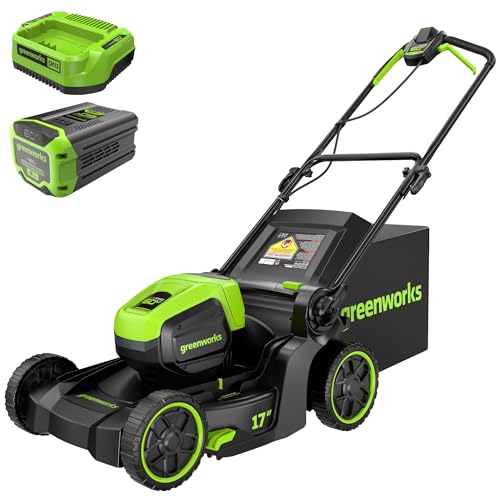


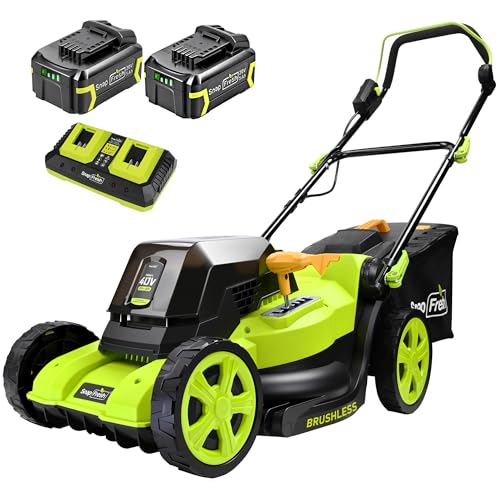

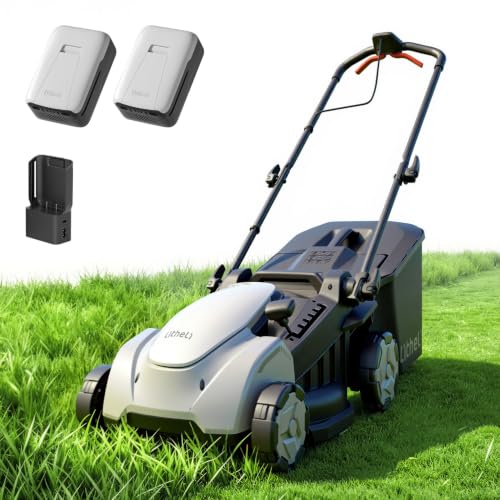
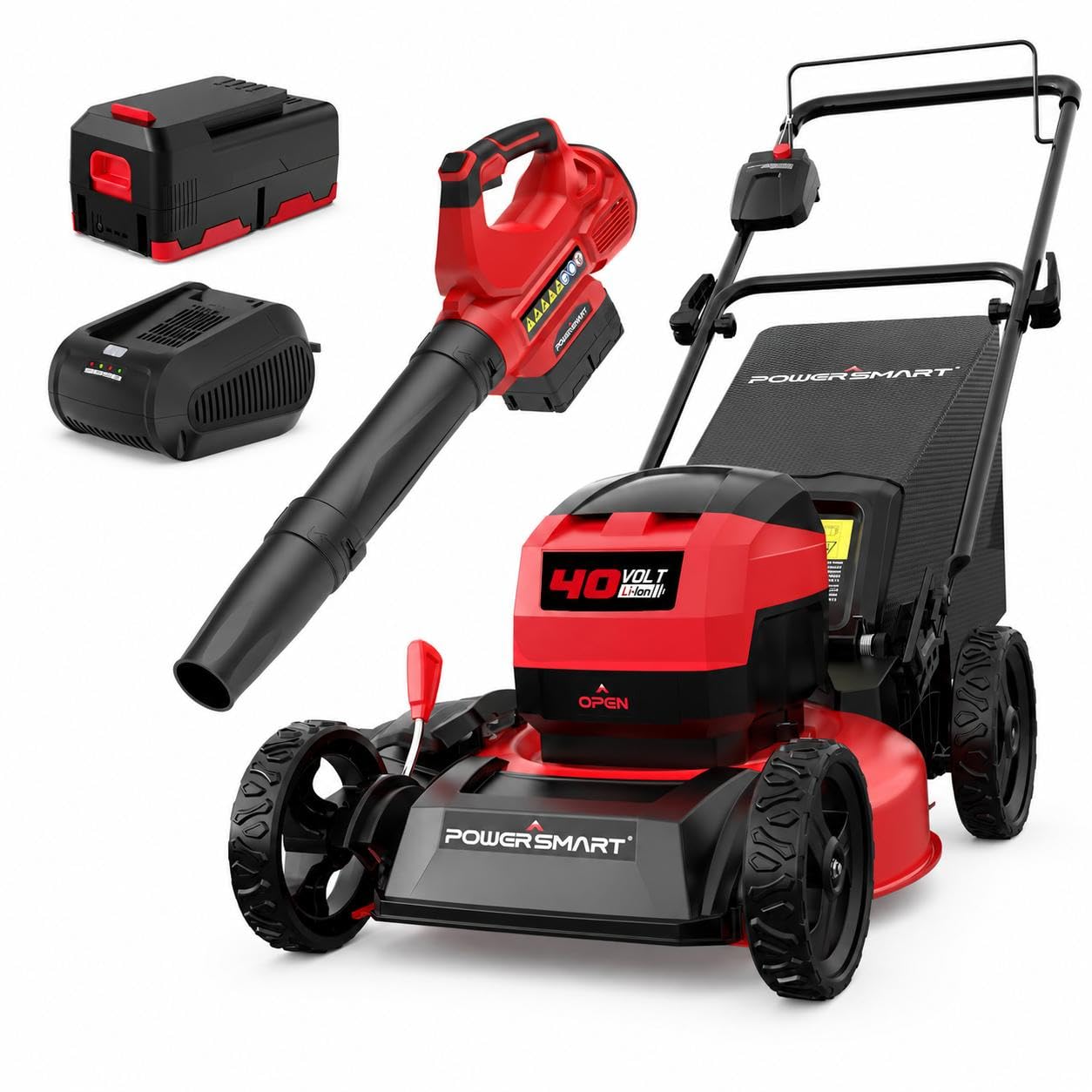
A Buyer Checklist for Battery Powered Push Mowers
The points below work as a checklist you can use while you shop. Check each one against your yard, not against a feature list alone. A mower that scores well on paper can still be a poor fit if its deck is too wide for your gates or its battery cannot finish your yard on one charge.
Power and Runtime
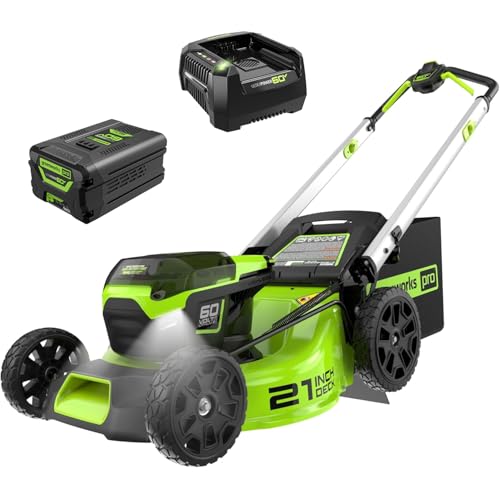
Battery power is usually described by voltage and by the size of the battery pack, and both shape how the mower performs in thick or tall grass. Higher voltage designs often hold speed better when the grass is dense, while larger packs extend how long you can mow before you need to recharge. Ask how long the mower runs at a normal walking pace on a typical lawn, not only how long it runs on the lightest setting. If your yard is near the edge of the stated runtime, plan for a second battery or a shorter mowing session.
Keep in mind that cold weather, wet grass, and heavy growth all shorten runtime, so leave some margin in your choice. For a wider cordless comparison, see our guide to the best battery powered mowers.
Mulch, Bag, and Side Discharge Options
Many walk behind mowers offer three ways to handle clippings: mulch, bag, and side discharge. Mulching chops clippings finely and returns them to the lawn, which can feed the soil and saves you from emptying a bag. Bagging gives a tidier finish and suits yards where clippings would otherwise blow onto paths or beds. Side discharge moves clippings out quickly and can help when the grass is a little long, though it leaves visible clippings behind. Check how easy it is to switch between modes before you buy.
Yard Size and Cutting Width
Cutting width decides how many passes you make, and it should fit both your yard and your access points. A deck around 16 to 21 inches suits smaller yards and narrow gates, and it is easier to turn in tight corners. Wider decks cover open ground faster, but they are heavier and harder to store. As a rough guide, a push mower fits yards under about one quarter acre, a self propelled model suits yards up to about one half acre, and larger ground usually calls for a riding mower.
Measure your gates and your storage space before you settle on a width, and remember that a wider deck also needs more battery power to keep its pace. For more push mower options, see our guide to the best battery push mowers.
Slopes and Terrain
Slopes change the safety picture for any mower, so treat them as a separate buying factor. Walk behind mowers handle gentle slopes better than large riding machines, but you should still mow across a slope rather than straight up and down it, and you should avoid mowing wet or slippery ground. As a general limit, slopes above about 15 degrees call for extra care, and very steep banks are better trimmed by hand or left to ground cover. Keep children and pets away from the mower while it is running, and clear sticks, stones, and toys from the path before you start.
Cutting Height Adjustment
Cutting height controls how much grass you remove at once, and a simple adjustment makes good mowing habits easier to keep. A single lever that moves all four wheels at once is quicker than adjusting each wheel by itself, and it keeps the cut level. Look for a useful range of heights, from a short tidy cut to a longer cut that shades the soil in hot weather. As a rule, never cut more than one third of the grass blade at once, since a deep cut stresses the lawn and leaves it open to weeds. A good height range also lets you step the height down gradually in spring.
Noise, Storage, and Maintenance
Battery mowers are usually quieter than gas models, which matters if you mow early or near neighbors. Storage is the other everyday factor: many battery models fold for upright storage, which helps in a small garage or shed. Maintenance is simpler than gas upkeep, since there is no oil to change and no spark plug to service, but blades still need sharpening each season and the deck still needs cleaning after use.
Spending Levels for the Best Battery Powered Push Mowers
Price bands for battery mowers reflect battery size, deck width, drive type, and build quality more than brand names. Match the band to your yard rather than buying the largest machine by default. The product table above shows the same idea in compact form.
Starting Point Choices
Starting point models suit small, flat yards and light weekly mowing. Expect a narrower deck, a smaller battery, and manual pushing rather than a powered drive. These models are lighter and easier to store, which is a real advantage in a small garage. The trade off is shorter runtime and less power in thick grass, so they fit best where the lawn is modest and growth is regular rather than heavy.
Middle Ground Choices
Middle ground models add a larger battery, a wider deck, or a self propelled drive, and they suit medium yards with mixed grass. Self propulsion helps on gentle slopes and on longer sessions, since you guide the mower rather than push its full weight. This band fits most buyers who mow weekly and want a balance of runtime, comfort, and price.
Higher End Choices
Higher end models offer the largest batteries, the widest decks, and the most durable frames, and they suit larger yards or tougher grass. You may also get better weather sealing, stronger wheels, and a more refined drive system. The cost is weight and price, so check that you can lift and store the machine comfortably.
Quick Buyer Checklist
Run through these questions before you order, and answer each one from your own yard rather than from a feature list:
- Can one battery finish your whole yard at a normal pace, or do you need a second battery?
- Does the deck width fit through your gates and into your storage space?
- Do you need mulching, bagging, or side discharge most often, and how easy is it to switch?
- Are your slopes gentle enough for a walk behind mower, and can you mow across them safely?
- Is height adjustment simple enough that you will actually change it through the season?
- Can you lift, fold, and store the mower without strain?
- Does the battery fit other tools you own, or will you need a separate charger and pack?
- Is the warranty and parts support clear enough for a machine you will use for years?
Red Flags to Watch For
Some listings hide weak points behind vague wording, so watch for these warning signs. Runtime claims with no mention of grass height or walking pace are hard to trust, since light conditions flatter the number. A deck width quoted without a clear measurement, or a battery size quoted without a voltage, leaves you guessing about real performance. Very short warranties, missing safety certification marks, or no clear source for spare blades and batteries all point to a machine that may be hard to keep running.
How to Make Your Battery Powered Push Mower Last Longer
Good habits extend the life of both the mower and its battery. Keep blades sharp by sharpening each season, since a dull blade tears grass and makes the motor work harder. Clean the deck after mowing, especially when the grass is damp, so clippings do not build up and trap moisture. Store batteries indoors in winter, away from frost and from heat sources, and charge them before long storage.
For a quality focused shortlist, see our guide to the best quality push mowers.
Frequently Asked Questions
How long does a battery powered push mower last?
A well kept battery mower often lasts many seasons, though the exact span depends on how often you mow and how well you store it. The frame and motor usually outlast the first battery, so plan for a battery replacement at some point rather than a whole new mower. You can stretch battery life by storing packs indoors, avoiding full discharge on every use, and keeping them away from extreme heat and cold. Blade care also matters, since a sharp blade reduces strain on the motor.
Can a battery push mower handle a half acre?
Some models with high voltage packs and a wider deck can finish about half an acre on one charge in ideal conditions, but many need a second battery. Thick or wet grass, slopes, and a lower cutting height all shorten runtime. Check the stated runtime against your real mowing time, and consider a self propelled model if the ground is large or uneven.
How often should I sharpen mower blades?
Sharpen blades at least once each season, and more often if you mow sandy soil or hit small stones. A sharp blade cuts cleanly, which keeps grass tips green instead of ragged and brown. You can tell a blade needs attention when the lawn looks torn after mowing or when the mower seems to labor in normal grass. Always remove the battery before you touch the blade, and keep children and pets away while you work. If the blade is deeply nicked or bent, replace it rather than grinding it thin.
Are battery mowers as good as gas?
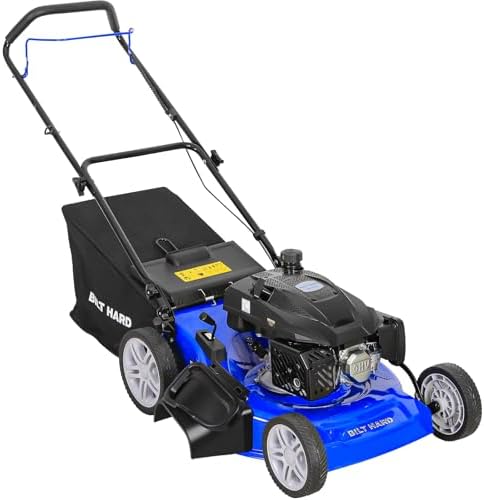
Battery mowers now rival the best gas powered push mowers on many small and medium yards, with quieter running and simpler upkeep as clear advantages. Gas models still lead for very large yards or very thick, neglected grass, where runtime and raw power matter most. For a typical weekly mow on a modest yard, a battery model with the right deck size and a spare battery often does the job well. Weigh runtime and cutting width first.
What size mower do I need for my yard?
Start with your yard size and your access points, then choose the smallest deck that still finishes the job in a reasonable time. Small yards under about one quarter acre suit a push mower with a deck around 16 to 21 inches. Medium yards up to about one half acre suit a self propelled model with a wider deck. Large or steep ground calls for a different class of machine, so do not stretch a push mower beyond its sensible range. Also check gate widths and storage space.
Our Verdict
The best choice is the mower that finishes your yard on one charge, fits your gates, and feels easy to push, store, and look after. Runtime, deck width, and slope handling matter more than any single feature, and a simple height adjustment plus a sharp blade will do more for your lawn than extra power you never use. When you compare options, return to the product table above and check each model against the checklist in this guide. That will help you choose from the best battery powered push mowers wisely, and keep both lawn and mower in good shape.