The Best Gas Lawn Mowers for a Reliable Yard Routine
A buying guide to gas lawn mowers covering engine size, deck features, drive type, and maintenance needs.
Battery-powered mowers have gained ground in recent years, but gas engines still deliver the raw power and unlimited runtime that larger or tougher yards demand. Picking the best gas lawn mowers means weighing engine size, cutting deck features, and maintenance needs against how big and how thick the lawn actually gets. This guide covers the specs that matter most so shoppers can find a mower that keeps up with their yard season after season.



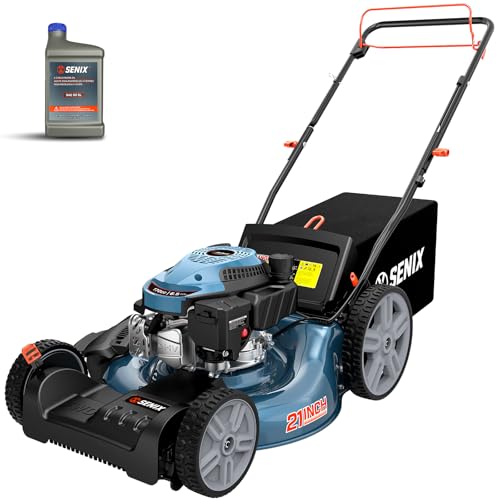
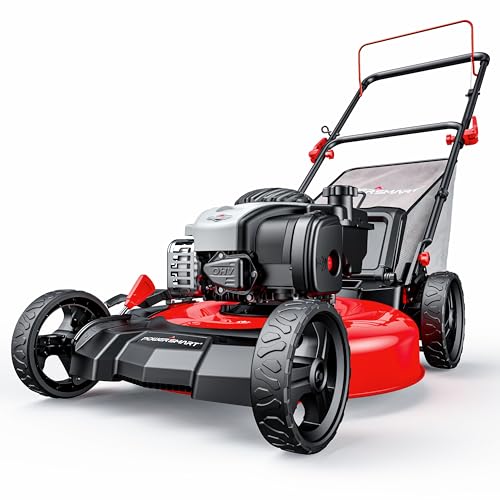
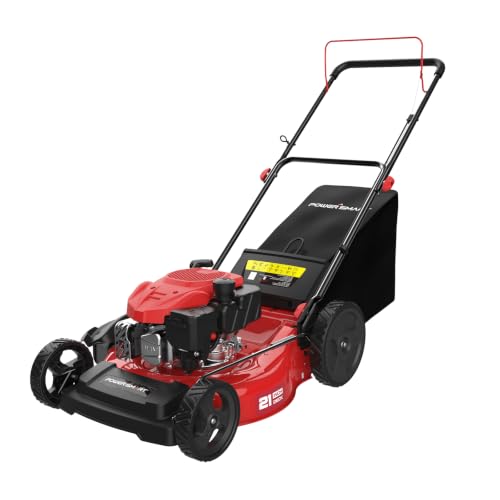
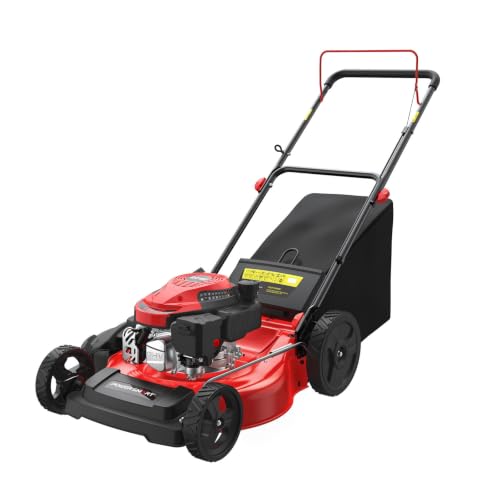
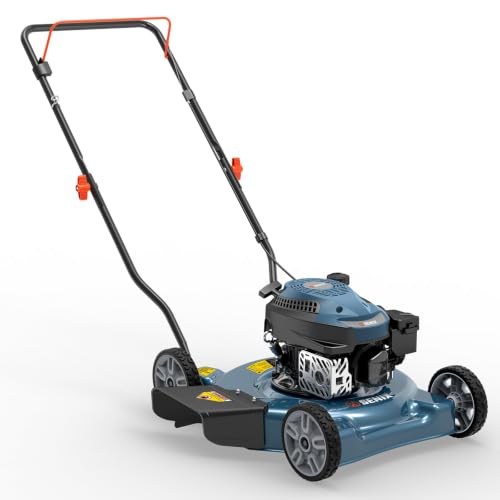
Why Gas Power Still Matters
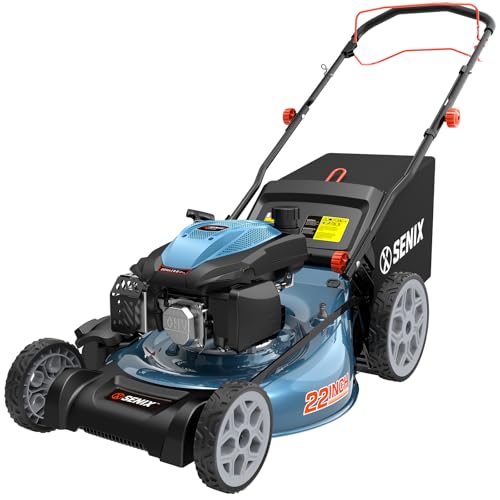
Gas engines offer continuous runtime without the recharge breaks that battery mowers eventually require on larger properties. That makes them especially practical for yards over half an acre, thick or overgrown grass, and hilly terrain where extra torque helps push through resistance without bogging down. Refueling takes seconds compared to waiting hours for a battery to recharge, which matters for anyone with limited time to finish mowing in one session.
Engine Size and Power
Engine displacement, measured in cubic centimeters, gives a rough sense of a mower's power output, though real-world performance also depends on the deck design and blade quality. Smaller engines around 140 to 160cc handle flat, well-maintained lawns just fine, while thicker or taller grass benefits from a larger engine in the 175 to 200cc range that maintains blade speed under heavier load. Overpowering a small yard rarely causes problems, but underpowering a large or thick lawn leads to stalling, uneven cuts, and clogging.
Push vs. Self-Propelled Models
Push mowers cost less and work fine on flat, small to medium yards where maneuvering matters more than raw pushing effort. Self-propelled mowers use the engine to drive the wheels, reducing physical strain considerably on larger yards or properties with slopes and uneven terrain. Front-wheel drive models turn more easily around obstacles, while rear-wheel drive tends to handle hills and rough terrain with better traction and control.
Cutting Deck Features
Deck Size
A wider cutting deck covers more ground per pass, reducing total mowing time on larger properties. Narrower decks maneuver more easily around tight spaces, flower beds, and obstacles, which matters more for yards with lots of landscaping features to navigate around.
Mulching, Bagging, and Side Discharge
Mulching mode finely chops grass clippings and returns them to the lawn as natural fertilizer, reducing yard waste and the need for separate fertilizing in many cases. Bagging collects clippings for disposal or composting, which some homeowners prefer for a cleaner-looking finish immediately after mowing. Side discharge simply expels clippings out the side, working well for taller grass where mulching or bagging might clog the deck.
Choosing the Best Gas Lawn Mowers for Different Yard Sizes
Small, flat yards under a quarter acre generally do fine with a basic push mower and a smaller engine, since maneuverability matters more than raw power in that setting. Mid-size yards with some slopes or thicker grass benefit from a self-propelled model with a mid-range engine and adjustable drive speed. Larger properties over half an acre, especially with hills or heavy grass growth, typically call for a wider deck, a stronger engine, and self-propulsion to keep mowing time and physical strain manageable.
Maintenance Requirements
Gas mowers need more regular upkeep than battery alternatives, including oil changes, air filter cleaning, spark plug replacement, and blade sharpening at least once per season. Skipping routine maintenance leads to reduced performance and can shorten engine life significantly over a few seasons of neglect. Winterizing a gas mower before storage, either by draining fuel or adding a stabilizer, prevents the gum and varnish buildup that can clog a carburetor after months of sitting idle.
Noise and Emissions Considerations
Gas mowers run noticeably louder than battery or electric alternatives, which matters for anyone mowing early in the morning or living close to neighbors. Emissions are also a consideration in areas with strict regulations on small gas engines, and some regions have begun limiting or phasing out certain gas-powered lawn equipment entirely. Checking local regulations before investing in a gas mower avoids running into unexpected restrictions down the line.
Maintenance Checklist
- Change the oil at least once per season or per manufacturer recommendations
- Clean or replace the air filter regularly to maintain proper airflow and fuel efficiency
- Sharpen or replace mower blades to keep cuts clean and reduce strain on the engine
- Drain fuel or add a stabilizer before long-term storage to protect the carburetor
Wheel Size and Terrain Handling
Larger rear wheels generally handle bumps, roots, and uneven ground more smoothly than small wheels, which can catch on obstacles and jolt the mower during a pass. High-wheel designs, common on mowers built for rougher terrain, add extra clearance that helps prevent scalping on lawns with dips or slight grade changes. Standard wheel sizes work fine for flat, well-manicured lawns where terrain variation is minimal.
Wheel adjustment mechanisms also vary between models. A single-lever height adjustment changes all four wheels at once, saving time compared to adjusting each wheel individually, which matters for anyone who frequently changes cutting height between seasons or grass conditions.
Starting Systems and Ease of Use
Traditional pull-start engines remain common and reliable, though they can be difficult to start for anyone with limited upper body strength or after a mower has sat unused for a while. Electric start options, often push-button, remove that friction entirely and have become more common even on mid-range gas mowers. Some models also include primer bulbs or choke-free starting systems designed to reduce the number of steps needed before the engine catches.
Handlebar comfort and adjustability matter for longer mowing sessions, particularly on larger properties. Foam-padded grips and adjustable handle heights reduce strain on the hands and back compared to fixed, bare metal handles found on more basic models.
Frequently Asked Questions
How much yard size justifies a self-propelled mower?
Yards larger than roughly a quarter acre, or those with slopes and uneven terrain, generally benefit from a self-propelled model over a standard push mower.
How often should a gas mower's oil be changed?
Most manufacturers recommend an oil change once per season or after roughly twenty-five hours of use, whichever comes first.
Is mulching better than bagging for lawn health?
Mulching returns nutrients to the soil and can reduce the need for fertilizer, though bagging may be preferred during heavy growth periods or for a cleaner immediate appearance.
Can a gas mower sit unused for a full winter without damage?
Draining fuel or adding a stabilizer before storage prevents most common winter damage, and a spring tune-up helps confirm everything runs smoothly before the mowing season begins.
Are larger engines always better for a home lawn?
Larger engines help with thick grass and larger yards, but they add cost, weight, and fuel consumption that are unnecessary for smaller, well-maintained lawns. Matching engine size to actual yard demands avoids paying for capability that will rarely get used.
Final Thoughts
Matching engine size, deck width, and drive type to actual yard conditions produces better results than simply buying the most powerful model available. Regular maintenance keeps a gas mower running reliably for many seasons, protecting the investment over time. Weighing yard size, terrain, and upkeep commitment together makes it much easier to choose the best gas lawn mowers for a specific property.
Related reading: best corded electric lawn mower and best gas fireplace logs.