
Best 9 Volt Lithium Battery for Smoke Detectors: Matching the Right Battery to Your Routine 2026
Disclosure: We may earn a commission when you buy through links on this page, at no extra cost to you. As an Amazon Associate I earn from qualifying purchases. Learn more

Match the best 9 volt lithium battery for smoke detectors to your routine, with chemistry, expiry dates, and duty types explained in plain language.
A smoke detector only guards your home while it has power, yet the battery inside it is the part most households think about once a year at most. Choosing the best 9 volt lithium battery for smoke detectors is less about one winning label and more about matching service life to how often you can realistically check each alarm. A cell that suits a rental you visit twice a year is a poor fit for a hallway alarm you walk past daily.
This guide starts with routines, because your routine decides which chemistry, date, and duty rating actually matter. The comparison table below lines up the main options side by side so you can see the trade offs before reading on.
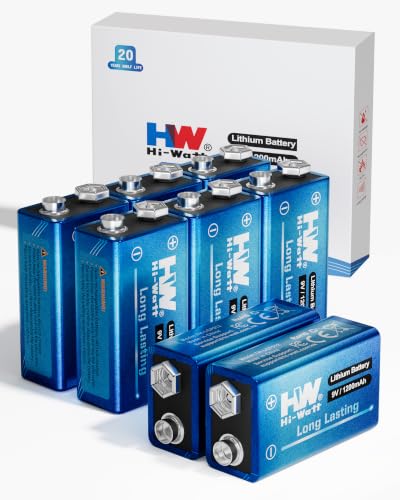
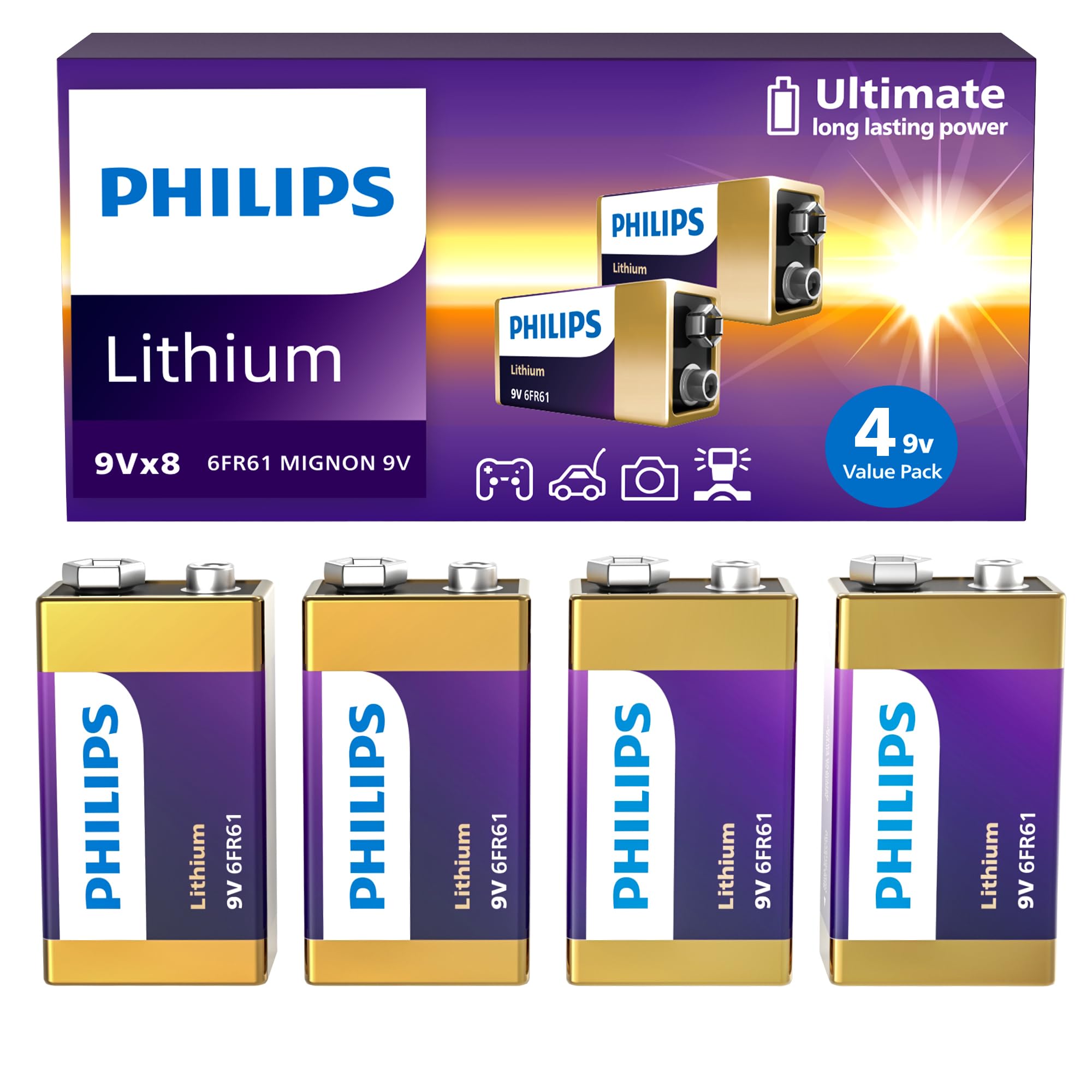
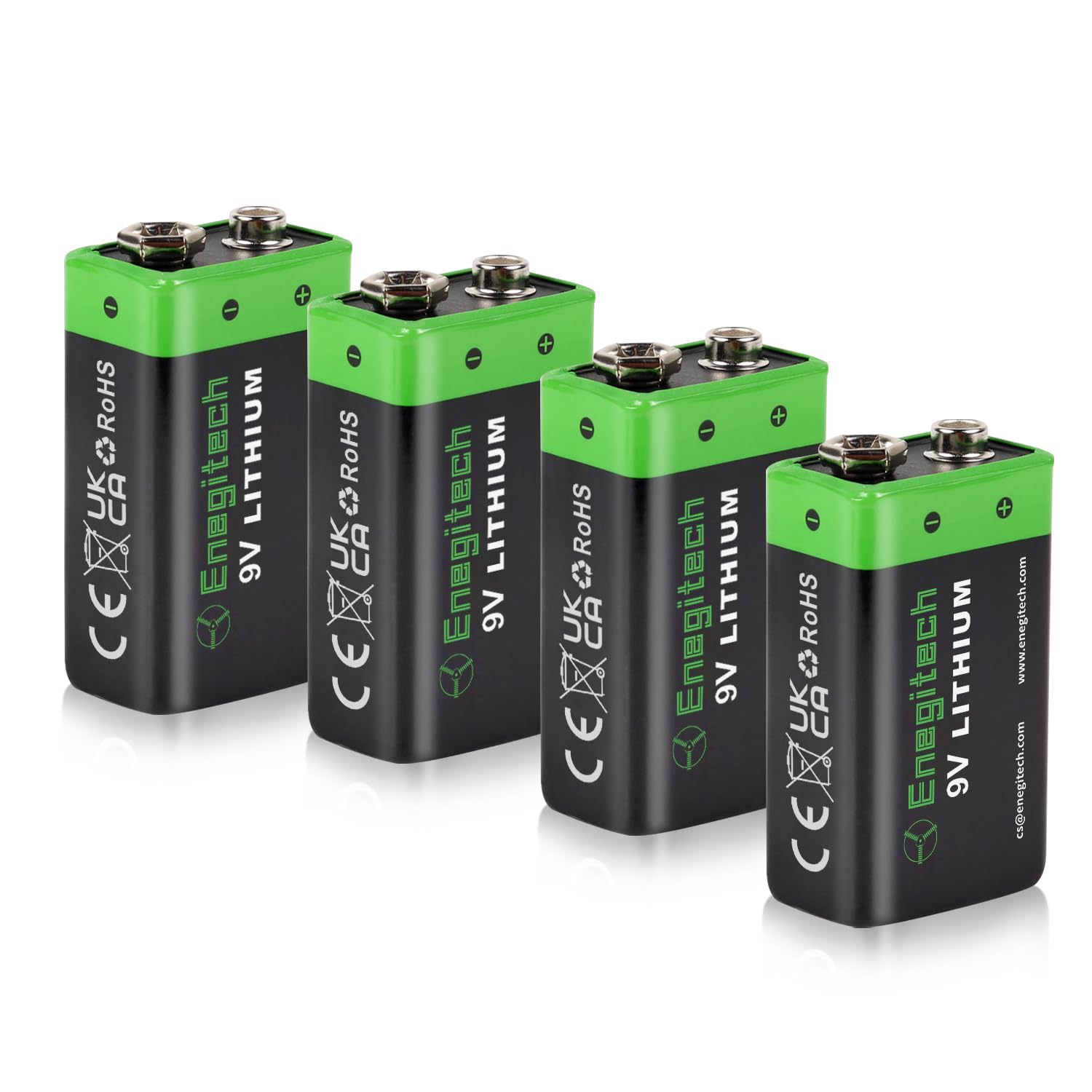



Match the Battery to Your Routine
Start with how the alarm fits your week and your year. The same lithium cell can be the smart buy in one home and wasted money in another, so sort your alarms into these routine groups first.
For Homes You Rarely Visit
Second homes, cabins, and rental units can sit empty for months, and nobody hears a low battery chirp in an empty house. A lithium cell in the long service class keeps an alarm powered between visits, while an alkaline cell in the yearly class can quietly run down mid season. If you only reach the property a few times a year, long service life is the whole point of the purchase.
For Hardwired Alarms on Backup Duty
Hardwired alarms draw house current day to day and lean on the 9 volt cell only during an outage. That backup duty is gentle, so the cell spends most of its life waiting. Lithium suits this waiting well because it holds its charge in storage far longer than alkaline. Check the alarm manual first, since some makers approve lithium for backup while others specify alkaline only.
For Battery Only Alarms in Busy Hallways
A battery only alarm draws its full working power from the cell around the clock, so main duty drains a cell steadily. Lithium stretches the gap between changes from about a year to most of the alarm life, which ends the cycle of chirps starting at the worst hour. Our broader guide to the best battery for smoke detectors covers the other sizes and chemistries that share this main duty role.
For New Movers Powering a Whole House
Moving in often means five or more alarms of mixed ages, each with an unknown battery inside. Fitting the same lithium chemistry in every unit on day one gives the whole house a single replacement rhythm. Write the install month on each cell with a marker as you go. A uniform setup also makes the monthly test round faster, because you already know what sits in every alarm.
Key Features to Compare
Chemistry Governs How Long the Alarm Stays Powered
Chemistry is the first decision because it sets the service class. A 9 volt lithium cell is built for the long class, commonly rated to power a detector for about ten years, while an alkaline cell belongs to the yearly class and typically lasts about one year in the same alarm. Lithium also holds a steadier voltage as it ages, so the alarm behaves the same in year eight as in year one. If you want the full field of 9 volt choices beyond lithium, see the guide to the best 9 volt batteries for smoke detectors.
The Printed Date Is an Expiry Clock
Every cell carries a printed date, and that date reads as an expiry limit rather than a promise of service. Shelf life counts down in the packet just as service life counts down in the alarm, so a cell bought near its date gives you less of both. Buy the freshest stock on the shelf, put new purchases at the back of your storage spot, and use older spares first. The roundup at what are the best 9 volt batteries for smoke detectors explains how dates compare across chemistries.
Main Duty and Backup Duty Draw Power Differently
Duty is the second lens after chemistry. Main duty means the cell runs the alarm full time, while backup duty means it waits for an outage that may never come. Lithium earns its price in both roles, but for different reasons: endurance under constant draw in one case, and patience in storage in the other. When you read a service claim, ask which duty it assumes, a distinction the explainer at what is the best 9 volt battery for smoke detectors walks through in more depth.
Fit, Terminals, and Compartment Room
All 9 volt cells share the same snap terminal layout, but shell sizes vary slightly between chemistries, and some lithium cells are a touch longer or squarer than alkaline ones. Most compartments swallow the difference easily, yet a tight vintage alarm can pinch. Seat the cell, confirm both snaps click, and check the cover closes without force before you call the job done. The sizing notes in the best 9 volt for smoke detectors guide help if your alarm housing is unusually snug.
Alarm Maker Approval and Listings
The alarm itself carries the safety listing, and its manual names the battery types the maker tested and approved. Some manuals list lithium by name, others allow only alkaline, and a few warn that an unapproved cell can change how the low battery warning behaves. Follow the manual over any general advice, including this guide. An approved cell in the right duty class will always beat a longer lasting cell the maker never cleared.
Common Mistakes to Avoid
- Replacing only the battery in the chirping alarm and leaving the rest of the house on cells of unknown age.
- Silencing a chirp by removing the battery and planning to buy one later, which leaves that room unprotected.
- Storing spare cells loose in a junk drawer where the exposed terminals can touch keys or coins and short out.
- Assuming every alarm accepts lithium without reading the manual for the approved battery list.
- Judging two cells by shelf price alone instead of price divided by years of service.
Care and Maintenance Tips
Write the install month and year on each new cell with a marker before it goes in, so the next change needs no guesswork. Press the test button on every alarm once a month; the battery powers that test, and a weak response is an early warning. Keep one spare cell per home in a cool, dry spot with a strip of tape over its terminals, and take removed cells to a battery recycling point rather than the household trash. When an alarm reaches the end of life date printed on its housing, replace the whole unit even if its battery still tests fine, because the sensor ages on its own schedule.
9 Volt Lithium Batteries: Questions Answered
Can any 9 volt lithium battery go in any smoke detector?
No, the alarm manual decides which batteries are approved for that unit. Most modern alarms accept lithium cells, but some older or specialized alarms specify alkaline only, and an unapproved cell can alter how the low battery chirp behaves. Read the battery list printed inside the alarm cover or in its manual before you buy. If the manual is lost, the maker support line can confirm the approved types in a minute.
Why does a lithium battery cost more than an alkaline one for a smoke detector?
The shelf price is higher because the cell is built to deliver about ten years of service instead of about one. Spread across its life, a lithium cell usually works out cheaper per year than a decade of yearly alkaline swaps. You are also paying for fewer ladder trips and fewer chirp interruptions. For an alarm you check daily and can reach easily, though, the yearly alkaline routine may still suit your budget better.
Should spare 9 volt batteries be stored in the refrigerator?
No, a cool, dry cupboard at normal room temperature is the better storage spot. Refrigerator air carries moisture, and condensation can form on the terminals when a cold cell comes back into a warm room, which invites corrosion. Keep spares in their packaging or with tape over the terminals, away from radiators and sunny windowsills. Heat ages a stored cell faster than cool room air ever will.
What should I do with an old 9 volt battery taken out of a detector?
Cover both terminals with a strip of ordinary tape as soon as the cell comes out, then take it to a battery recycling point. The two terminals sit close together on a 9 volt cell, so loose metal in a drawer or bin can bridge them and heat the cell. Taping takes seconds and removes that risk entirely. Many hardware stores and council depots accept household batteries for recycling at no charge.
Does a lithium battery stop the low battery chirp for good?
It removes the yearly battery chirp for most of the alarm life, but a chirp can also be the alarm announcing its own end of life. Detectors wear out after about ten years, and many signal that moment with a chirp pattern no fresh battery will silence. Check the date printed on the alarm housing before blaming the cell. If the unit itself has expired, replace the alarm and fit the new one with a fresh cell.
Final Thoughts
Routine first, chemistry second, dates third: that order settles most of the choice. Match long lithium service to alarms you rarely reach, confirm the maker approval in the manual, and buy the freshest dated stock you can find. The product table above gathers the options in one place when you are ready to compare. Chosen that way, the best 9 volt lithium battery for smoke detectors becomes a once a decade task instead of a yearly chore.


