Best Battery for Smoke Detectors: Everything to Know Before Your First Purchase in 2026
Disclosure: We may earn a commission when you buy through links on this page, at no extra cost to you. As an Amazon Associate I earn from qualifying purchases. Learn more

A first purchase guide to the best battery for smoke detectors: sizes, chemistries, sealed long life units, replacement routines, and safe disposal.
Buying a battery sounds like the simplest errand in home safety, right up until you stand in the aisle facing a wall of sizes and chemistries with a chirping detector waiting at home. This guide walks a first time buyer from the basic terms to a confident choice, in plain order. The short version is that the best battery for smoke detectors in your home is the one your detector maker specifies, bought fresh, and replaced on a schedule you actually keep.
Two safety points frame everything that follows. A smoke detector must never be left sitting without a working battery, not for a night and not while you wait for a delivery. A chirping detector is a low battery warning asking for action, not a nuisance to silence by pulling the battery out. Keep those two rules and the shopping itself is genuinely simple, as the product table shows at a glance.



Battery Basics for First Time Buyers
A smoke detector battery does one quiet job: it keeps the sensor and the alarm powered every minute of the day, either as the only power source or as the backup when the house power fails. The detector sips power while it watches and draws hard for the seconds it sounds, so the battery must hold a steady voltage across a long, patient service life. That is why detector batteries are judged on shelf life and voltage stability rather than raw power.
The two sizes you will meet are the rectangular 9V block, found in many older and simpler units, and AA cells, which many newer detectors take in pairs. A third design has no replaceable battery at all: sealed units carry a built in battery meant to last the whole life of the detector, and when it fades you replace the entire unit. Before you buy anything, open your detector or read its label and note exactly what it asks for. The product table lays the main options side by side once you know your size.
Key Specs Explained in Plain English
Spec labels on battery packs read like engineering notes, but each one answers a simple buying question. Work through the five points below and you will know what to pick up, what to leave on the shelf, and why.
Start With the Size and Voltage on the Detector Label
Rule one is the specification printed on your detector or in its manual: the maker names the battery size and type the unit was listed with, and that specification governs the purchase. This is not the place to improvise, because a cell that fits loosely or delivers the wrong voltage can leave a detector silent when it matters. Match the size exactly, match the chemistry the maker calls for, and if the label is worn away, look the model up in the maker documentation rather than guessing at the shelf.
Chemistry Classes: Alkaline, Lithium, and Carbon Zinc
Alkaline is the default class for detector batteries: widely available, steady in voltage, and good for about a year of service in a typical unit. Lithium cells cost more up front and last far longer in service, holding their voltage across years instead of months, which suits hard to reach detectors. Carbon zinc is the cheap class and the wrong one here, because its voltage slides early and its service life is short. Rechargeable cells also belong elsewhere, since they sit at a lower voltage and lose charge on standby, two traits a safety device should not have to work around.
Sealed Long Life Units vs Replaceable Batteries
Detectors come in two power families, and knowing yours saves a wasted trip. Replaceable battery units are the traditional design across best battery powered smoke detectors, and they ask for the routine this guide teaches. Sealed long life units instead carry a battery built in at the factory, rated to power the detector for its whole working life, after which the complete unit is replaced.
If your detector has no battery door, it is a sealed unit and no battery purchase will fit it. Renters meet sealed units often, and landlords in many areas now fit them because nobody can remove the battery.
Rated Life, Date Codes, and Fresh Stock
Every reputable battery pack carries a date code, and fresh stock matters more in this aisle than in almost any other. A cell spends part of its life on the shelf before it spends the rest in your detector, so an old pack starts its safety job already diminished. Buy from sellers who move stock quickly, check the date before you pay, and store spares in a cool dry drawer rather than a hot garage.
When you install a battery, write the month and year on it with a marker. That small habit turns the next replacement into a decision you can read at a glance.
Interconnected Units and Backup Batteries
Many homes run detectors that talk to each other, so when one sounds, all of them sound. Those best interconnected battery smoke detectors may be powered by house wiring with a battery riding along as backup, and the backup matters just as much as the main supply. A dead backup cell in a hardwired unit leaves the home unprotected during an outage and often explains an otherwise mysterious chirp.
Treat every detector in the house as a battery detector for maintenance purposes. The same sizing and freshness rules in this guide apply to the backup cells, and they belong on the same replacement schedule.
Picking the Best Battery for Smoke Detectors in Your Home
With the basics settled, the choice narrows to your detector type and how much maintenance you honestly want. The headings below take the questions first time buyers ask most, in the order they usually ask them.
Which Battery Is Best for Smoke Detectors: Tips for First Time Buyers
The honest answer on the best battery for smoke detectors is that the maker specification comes first, freshness comes second, and chemistry comes third. If your manual names a size and chemistry, buy exactly that from a named brand with a recent date code, and you have made the right purchase. Households comparing whole units rather than cells can browse the current best smoke detectors battery operated for how the replaceable and sealed designs differ.
Where the manual allows a choice, lithium earns its higher price in detectors that are awkward to reach, while alkaline serves fine in a hallway unit you pass every day. Either way, a kept schedule beats a premium cell forgotten for years.
Best 9v Battery for Smoke Detectors
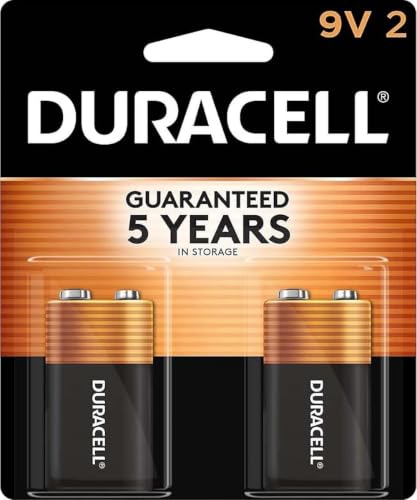
The best 9v battery for smoke detectors is a fresh, named brand cell in the chemistry your manual names, and most manuals for 9V units name alkaline or lithium. A 9V block lives a harder life than it looks, because its small body holds limited capacity while the detector draws on it day and night. Lithium 9V cells cost about $8 to $12 each against about $3 to $5 for alkaline, and they return that premium in years of extra service, which suits a 9V detector mounted high on a ceiling. Whichever chemistry you choose, seat the block firmly until its terminals click home, because a half seated 9V is a classic cause of a chirp that returns a week after a swap.
AA Cells in Modern Detectors
Many newer detectors run on AA cells instead of a 9V block, and the buying logic is the same with one addition: replace the full set together, every time. A fresh cell paired with a tired one performs like the tired one, and mixed sets are a steady source of repeat chirps. The shelf of best aa batteries for smoke detectors follows the same freshness and brand rules as everything in this guide. Some makers are specific about the cells their detectors accept, and brand specific guidance for units from a maker such as Kidde appears in the guide to the best batteries for kidde smoke detectors, though the principle never changes: follow your own unit label first.
Rookie Mistakes to Avoid
- Removing the battery to stop a chirp. The house is unprotected from that moment, and the detector is usually forgotten in a drawer.
- Mixing old and new cells. The tired cell drags the fresh one down, and the pair fails early together.
- Grabbing the wrong size on memory. Detectors look alike across a house while taking different batteries, so check each unit label instead of buying one type for all.
- Ignoring the date code. A discounted pack near the end of its coded life starts its safety service already part spent.
- Buying carbon zinc to save money. Its voltage slides early and its short life makes it the most expensive class per month of protection.
- Keeping no spare. A chirp at midnight with no cell in the house tempts exactly the removal mistake listed first.
Getting Started: Swap, Check, and Set a Routine
Work one detector at a time so the home is never fully unprotected during the change. Open the unit, note the old battery size and chemistry, fit the fresh cells the way the label shows, and mark the install date on the new battery before you close the cover. Then press the test button and hold it until the alarm sounds at full volume, because a light blinking is not proof the horn works. Repeat for every unit, including the hardwired ones whose backup cells are easy to forget.
After the swap, build the routine that keeps you safe without effort. Check every alarm monthly with the same button press, and pick a fixed household date, such as the start of a season you already remember, for planned battery changes in replaceable units, following your maker guidance or your local fire service schedule where one is published.
Keep one spare pack in a known drawer. Remember also that the detector itself has a life: replace the whole unit at the age its maker states, commonly around ten years, and sooner whenever you doubt a unit, since replacing a doubtful detector is always the safer call. The product table above can help you compare cell classes while you set the routine up.
Batteries: Your Questions Answered
What features matter most in batteries for smoke detectors?
The right size and chemistry come first, because your detector was listed with a specified battery and that specification governs. Freshness comes next: a recent date code means the cell starts its service with its full charge ahead of it. After those, a named brand matters because its seals and quality control can be trusted in a device that must work on the worst night, not an average one. Nothing else on the pack, from bundle size to shelf claims, changes the outcome as much as those three points.
How often should smoke detector batteries be replaced?
Replaceable batteries should be changed on the schedule your maker or local fire guidance sets, and many households use a fixed date twice a year so it is never left to memory. The written install date on the cell tells you at a glance whether a unit is due. A low battery chirp always overrides the calendar, so change the cell the day it starts rather than the day you planned. Sealed long life units are the exception, because their battery is never changed at all; the whole detector is replaced when it reaches its end of life.
Can rechargeable batteries be used in a smoke detector?
Rechargeable batteries should stay out of smoke detectors unless your manual names them explicitly. Common rechargeable cells deliver a lower voltage than the alkaline or lithium cells detectors are built around, so the unit can report a low battery while the cells still hold charge. They also lose charge gradually while sitting on standby, which is the opposite of what a device that waits quietly for years needs.
The price saving is small against the risk. Fit the chemistry the maker specifies and save rechargeables for remotes and toys.
What does it mean when a smoke detector chirps with a new battery fitted?
A chirp that continues with a new battery fitted usually means the problem was never only the battery. Check that the cell is the exact size and chemistry on the label and that it is seated firmly, because a loose 9V block is a frequent cause. If the chirp pattern differs from the low battery rhythm, consult the manual, since many units use a distinct signal for end of life.
A detector at or past its maker stated age should simply be replaced, battery and all. When in doubt about any detector, replacing the unit is the safe answer.
How should old smoke detector batteries be disposed of?
Old detector batteries should go to a battery recycling point rather than loose in household trash, and local rules vary, so check what your area provides. Many shops that sell batteries also collect spent ones at the counter, which makes disposal part of the shopping trip. For lithium and 9V cells, a strip of tape over the terminals before drop off guards against short circuits in the collection bin.
Never burn batteries, and keep them out of reach of small children. Tie the drop off to your fixed replacement date and spent cells never pile up in a drawer.
Wrapping Up
The whole purchase rests on three habits: follow the specification on your detector label, buy fresh named brand cells in the chemistry it names, and replace them on a fixed date with a spare pack kept in the house. Check monthly, treat every chirp as a same day job, and replace any detector you have reason to doubt. Compare the options in the product table against the units in your own hallway, and the best battery for smoke detectors stops being an aisle of guesswork and becomes a five minute errand you handle with confidence.