
Best Amateur DSLR Cameras 2026: Types and Buying Guide
Disclosure: We may earn a commission when you buy through links on this page, at no extra cost to you. As an Amazon Associate I earn from qualifying purchases. Learn more

A guide to the best amateur dslr cameras: sensor size, lens mount, autofocus, video and the budget for a first kit.
Choosing a first serious camera can feel confusing because every model lists sensors, focus points and video modes before it explains what they change in daily use. The best amateur dslr cameras are not the ones with the longest spec sheet, but the ones that fit your hands, subjects and pace of learning. Use the comparison table below to see how the main types differ.
This guide compares DSLR types, explains the controls that help you move beyond automatic settings and shows where money matters most. It covers still photos first and treats the lens as part of the choice from the start.



Who Should Buy an Amateur DSLR Camera?
Amateur covers a wide range, from a first camera to a serious hobby. Match the camera to your stage now, because a DSLR system grows through lenses you keep. If you are still sorting digital options, see our guide to the best digital dslr cameras.
New DSLR Owners Who Want Guided Help
You are moving from a phone and want clearer photos without guessing every setting. Choose an entry level APS C model with guided menus, a kit zoom and a light body you will carry often. Its scene modes help at first, while aperture priority opens a calm path toward manual control. For a starter focused view, see our guide to the best dslr cameras for beginners.
Family, Travel and Pet Photographers
Your subjects move, light changes quickly and most photos happen away from home. Look for quick autofocus in live view, a tilting screen for low angles and strong battery life for a full day out. A standard zoom covers groups, places and portraits, and a fast prime can join later for indoors. Solid grip shape matters, because you often shoot with one hand busy.
Advancing Amateurs Building a Lens Set
You already know exposure basics and you want a camera that will not limit you next year. Prioritize a wider lens choice, two control dials, a brighter viewfinder and a body that balances with larger lenses. Weather sealing starts to matter if you shoot landscapes, youth sports or local events outdoors. Keeping one mount as you add lenses protects that spending over time.
Types of Amateur DSLR Cameras Compared
DSLR types differ by sensor size, control depth and system cost, not by brand claims. The three groups below cover almost every amateur choice, and the wider DSLR field appears in our guide to the best dslr cameras. Start with the group that matches your budget for body and lenses.
Entry Level APS C DSLRs With Guided Modes
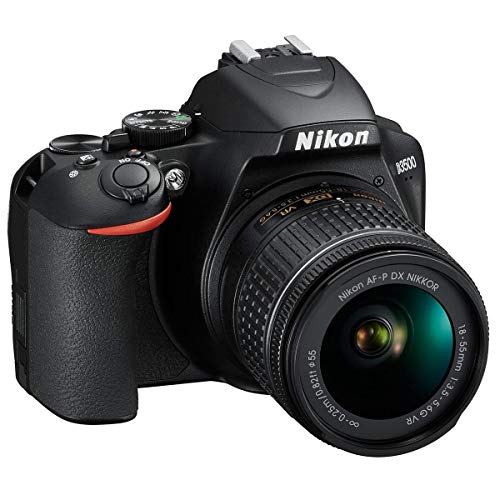
These kits pair a smaller sensor with simple menus and a standard zoom lens in one box. They cost about $400 to $700 as a kit and stay light enough for travel and family days. Image quality is strong in daylight and good indoors once a fast lens joins the kit. Choose this type to learn steadily without paying for unused controls.
Mid Range APS C DSLRs With Direct Controls
These models keep the APS C sensor but add two dials, more focus points, a larger viewfinder and often a tougher body. Kits usually cost about $700 to $1,100, and the extra controls make exposure changes faster in manual modes. They balance well with telephoto lenses for sports and wildlife. Choose this type if you shoot weekly and expect your hobby to keep growing.
Full Frame DSLRs for Advancing Amateurs
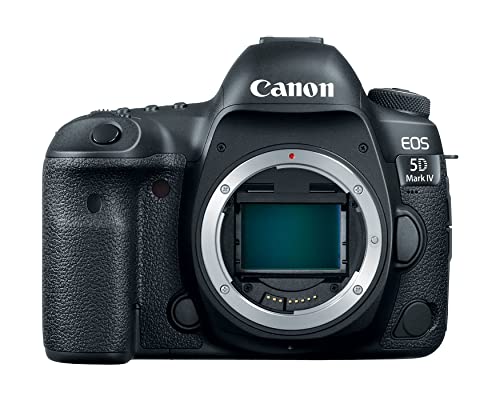
A full frame sensor is larger, so these cameras gather light well and soften backgrounds at the same settings. Kits often cost about $1,400 to $2,200, and both bodies and lenses tend to be heavier and pricier. The reward is cleaner files in dim rooms and larger prints. Choose this type only when low light or large prints are central to your hobby.
Key Features to Compare
The best amateur dslr cameras balance the five factors below rather than winning on one headline number. Work through them in order and weight the factors tied to your main subjects most. A balanced camera with the right lens serves you longer than a stronger body with a poor lens.
APS C Versus Full Frame Sensors for Learning Photographers
Sensor size shapes low light results, depth of field and lens cost more than megapixel count does. APS C sensors suit most amateur subjects and keep lenses smaller, while full frame sensors give cleaner high ISO files and softer portrait backgrounds. More megapixels help large prints and cropping, but they create bigger files that fill cards faster. Pick the smallest sensor that meets your light and print needs.
Autofocus and the Optical Viewfinder
A DSLR focuses through its mirror system at the viewfinder, and through the sensor in live view. More focus points help only when they spread across the frame and include cross type points that track moving subjects. Viewfinder coverage shows how much of the final frame you can see, and viewfinder magnification shows how large that view appears. Test both with glasses on, because a cramped view slows every photo.
Lens Mount, Kit Lens and Stabilization
Your mount decides which lenses you can buy for years, so check affordable zooms, primes and telephotos before choosing a body. A kit lens of about 18 to 55 mm covers daily subjects and shows which focal lengths you use most. Most DSLR image stabilization sits in the lens and steadies handheld shots at longer zoom settings. Buy into the lens range first, because lenses shape photos more than body upgrades.
Video, Live View and Screen Design
Many amateur DSLRs record Full HD video, and some offer 4K video for sharper clips. A tilting screen helps with video, low angle stills and shots above a crowd, while a touch screen speeds focus choice in live view. Check for a microphone input if you plan interviews, because built in microphones capture handling noise and wind. Treat video as a bonus unless filming is half your use.
Handling, Sealing, Battery and Connections
Hold the camera with a lens fitted and change settings at the viewfinder, because dial reach matters more than spec lists suggest. Basic sealing guards against light rain and dust, but no amateur DSLR should sit in heavy rain without cover. DSLR batteries often last a full day of stills, far longer than live view allows. WiFi and Bluetooth move photos to your phone, though large files move fastest by card reader.
Common Mistakes to Avoid
Most regret with a first DSLR comes from buying decisions, not from the camera itself.
- Spending your whole budget on a body leaves no money for the lens, card and bag the camera needs.
- Judging a camera by megapixels alone pays for file size while missing focus speed and lens quality.
- Choosing full frame without pricing its lenses can lock you into a system you cannot afford to grow.
- Skipping a grip check can leave you with dials you cannot reach and a body left at home.
- Paying extra for video tools you rarely use takes money from lenses that improve every still photo.
Care and Maintenance for Your DSLR Camera
Clean the lens with a soft lens cloth and a blower, never with your shirt, because grit in fabric can scratch the front coating. Keep lens caps on and wipe the body with a dry cloth after outdoor use. Never touch the mirror or sensor, and let a service shop handle sensor spots that a blower cannot move.
Store the camera in a dry padded bag away from heat, and remove the battery if you will not shoot for several weeks. Carry a charged spare battery on long days and rotate both batteries so neither sits empty for months.
Amateur DSLR Cameras: Your Questions Answered
How much should you spend on a first amateur DSLR camera?
Most first time buyers should spend about $400 to $700 on a complete entry level kit. That range buys an APS C sensor, a standard zoom lens and room for a memory card, a padded bag and a spare battery. Spending more early often funds features you cannot yet use well. Keep part of the budget aside for a second lens later.
Should you buy an amateur DSLR camera body only or with a kit lens?
Buy the kit lens version if this is your first DSLR camera. The standard zoom records which focal lengths you reach for, and that guides your first prime or telephoto purchase. Body only pricing looks lower, but the camera cannot take a photo until a lens is fitted. Owners who already hold lenses on the same mount are the main exception.
Which amateur DSLR camera sensor handles low light photos better?
A full frame sensor handles low light photos better because its larger surface gathers more light. That edge matters most indoors and at evening events. Still, a fast prime lens on an APS C body can close much of the gap for far less money. A tripod helps for still subjects, because it lets you slow the shutter without raising ISO.
Is a smartphone enough instead of an amateur DSLR camera?
A smartphone is enough if your photos stay on screens in good light. A DSLR pulls ahead when you want large prints, control changes, an optical view and lenses chosen for one job. Its battery also lasts through full event days. If you prefer a lighter step up from a phone, see our guide to the best amateur cameras.
Should amateur DSLR camera owners shoot RAW or JPEG files?
Start with JPEG files while you learn exposure, then add RAW once you enjoy editing. RAW files hold more highlight and shadow detail, but they demand more card and drive space and editing time. A combined setting bridges the change with a ready photo plus an editable file. Choose per outing rather than treating one format as a rule.
The Bottom Line
Choose the sensor and lens range first, then controls and handling, and let video features settle last unless filming is a core part of your hobby. Entry APS C kits suit most new owners, mid range bodies reward practice and full frame rewards a low light need. Check your final shortlist against the product table above before you order.
Judged by the subjects you actually shoot, best amateur dslr cameras sort themselves quickly. Buy the system you can afford to grow.


