Best Smoke Detectors for Reliable Home Protection
Disclosure: We may earn a commission when you buy through links on this page, at no extra cost to you. As an Amazon Associate I earn from qualifying purchases. Learn more
A buying guide to smoke detectors covering sensor types, placement rules, and power source options for full home coverage.
Picking the best smoke detectors for your home involves more than grabbing the cheapest round unit off the shelf, since detector type, placement, and power source all directly affect how quickly you get warned in an actual emergency. Ionization and photoelectric sensors respond differently to different kinds of fires, and where you install each type matters just as much as the technology inside it. This guide covers sensor types, placement rules that meet safety standards, and how to choose between battery, hardwired, and smart connected models.
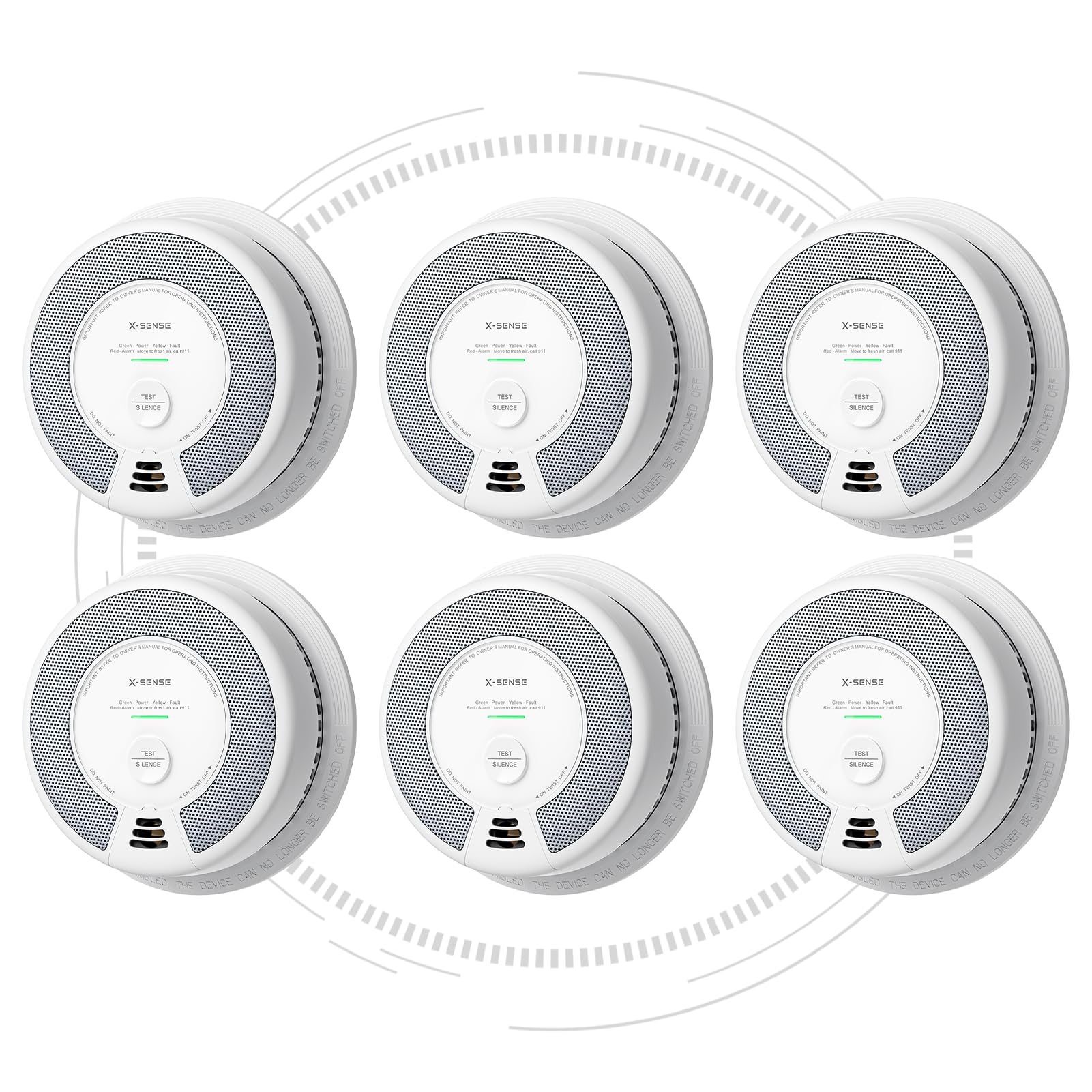




Ionization Versus Photoelectric Sensors
Ionization sensors respond faster to flaming fires with little smoke, such as a grease fire or paper burning quickly, because they detect the tiny charged particles produced by rapid combustion. Photoelectric sensors respond faster to smoldering fires that produce more visible smoke before flames appear, such as a cigarette left burning in bedding or an electrical fire smoldering inside a wall. Neither sensor type is universally better, since real house fires can start either way depending on the cause.
Dual sensor detectors combine both ionization and photoelectric technology in a single unit, offering broader protection than either sensor alone. Fire safety organizations generally recommend either installing dual sensor detectors throughout the home or pairing separate ionization and photoelectric units in different rooms to cover both fire types adequately.
Why Sensor Choice Matters by Room
Kitchens benefit from photoelectric sensors specifically, since ionization detectors are more prone to nuisance alarms from cooking smoke and steam, which leads some households to disable detectors out of frustration, a genuinely dangerous habit. Bedrooms and living areas work well with either sensor type or a dual sensor unit, since both flaming and smoldering fires are possible in those spaces.
Placement Requirements That Actually Matter
Standard safety guidelines call for a smoke detector inside every bedroom, outside each sleeping area in the hallway, and on every level of the home including the basement. Smoke rises, so detectors mounted on the ceiling or high on a wall, within twelve inches of the ceiling, detect smoke faster than units placed lower on a wall. Avoiding placement too close to a kitchen, bathroom, or HVAC vent reduces nuisance alarms triggered by cooking steam, shower humidity, or blowing air disrupting the sensor.
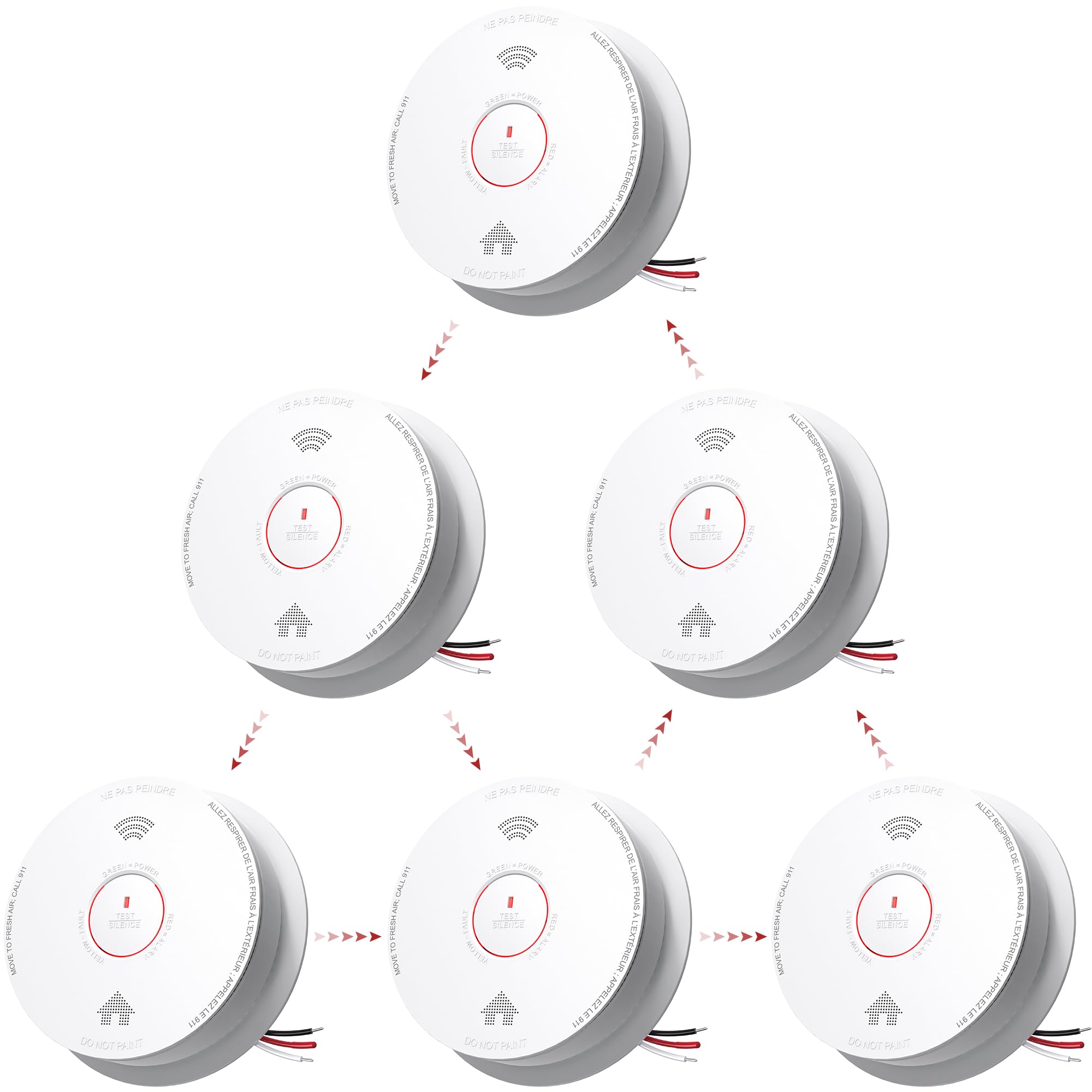
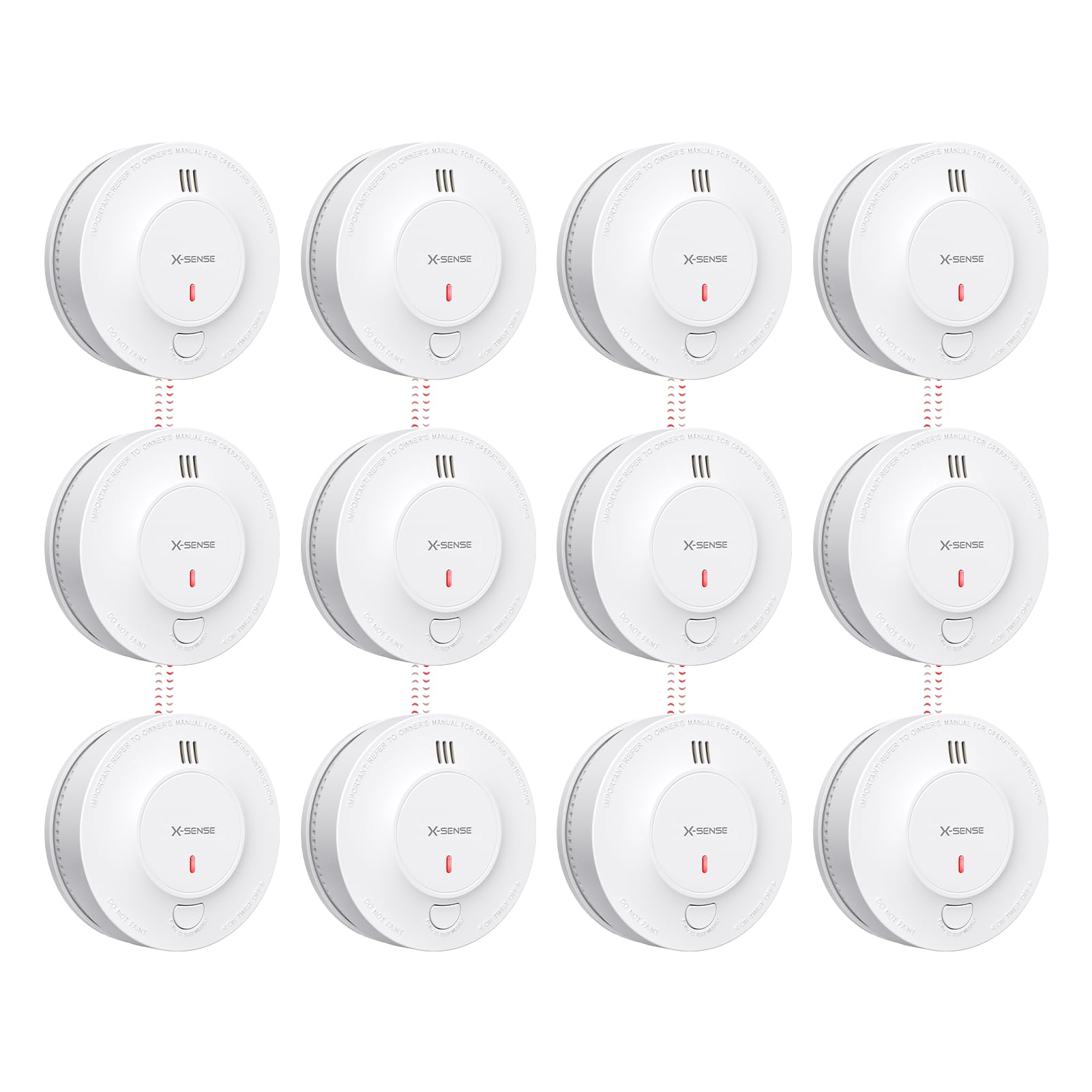
Interconnected detectors, whether hardwired or connected wirelessly through a smart system, all sound together when one detects smoke, which provides critical extra warning time in a larger home where a fire starting far from a bedroom might otherwise go unheard until it spreads. This interconnection matters more in multi story or larger single story homes than in a small apartment where one detector's alarm is already audible throughout the space.
Battery, Hardwired, and Smart Connected Options
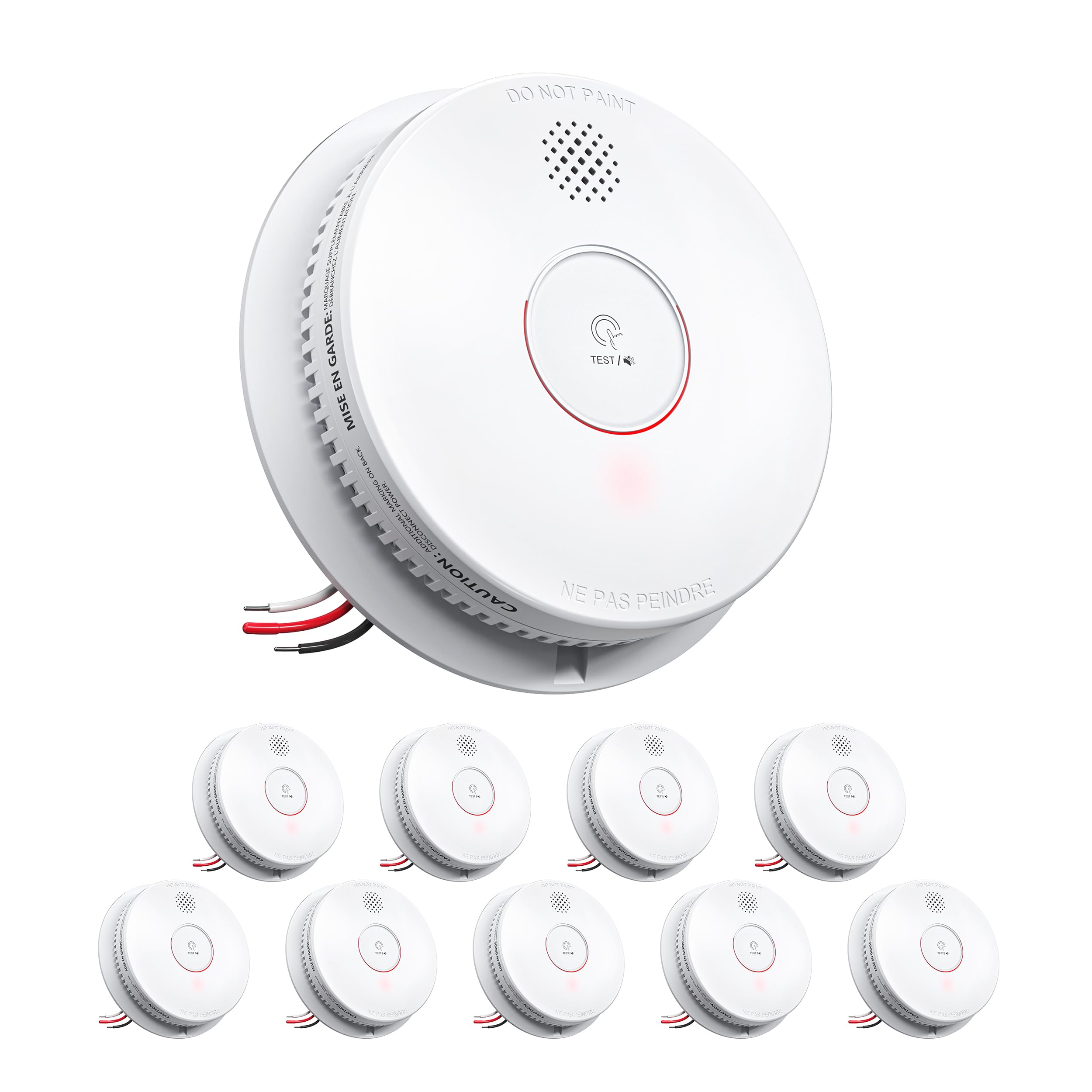
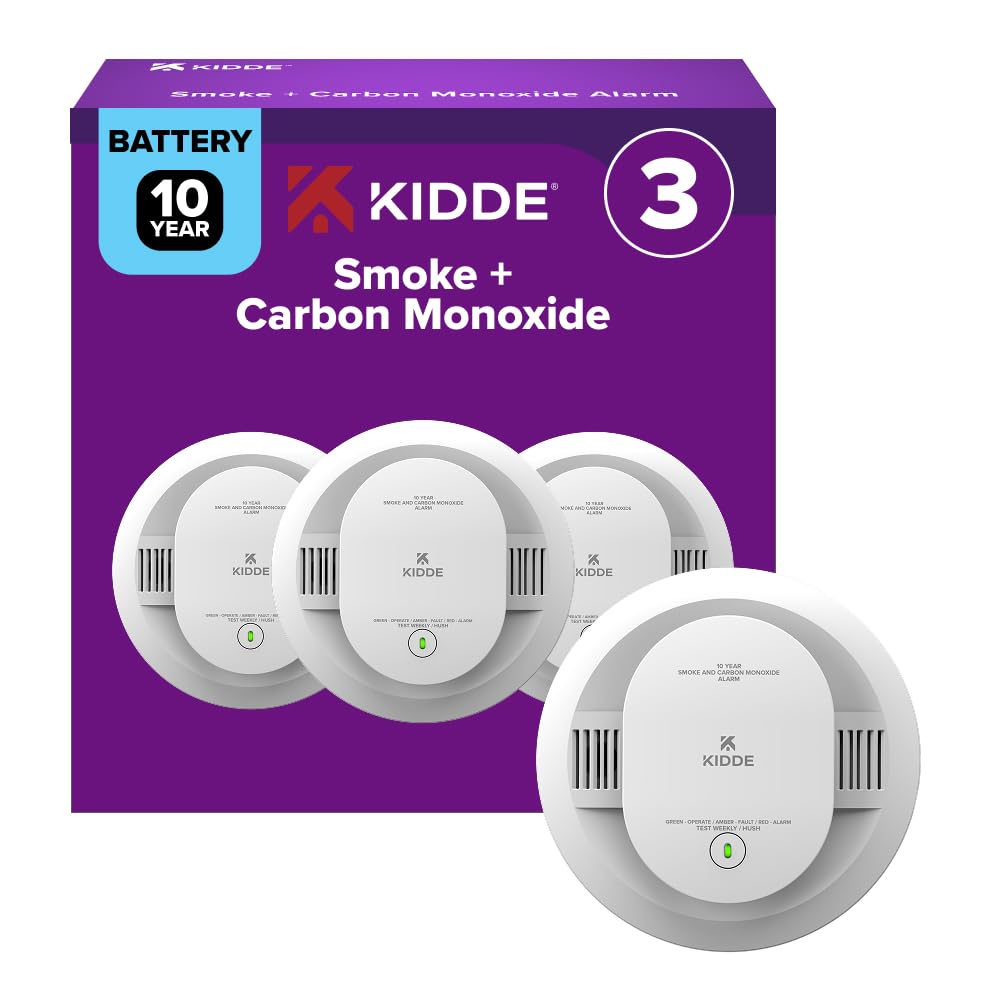
Battery powered detectors are the easiest to install and work during a power outage, but they depend entirely on regularly checking and replacing batteries, which is a common point of failure when households forget or ignore low battery chirps. Sealed, long life battery units that last around ten years address this by removing the need for manual battery swaps entirely, reducing the risk of a dead detector going unnoticed.
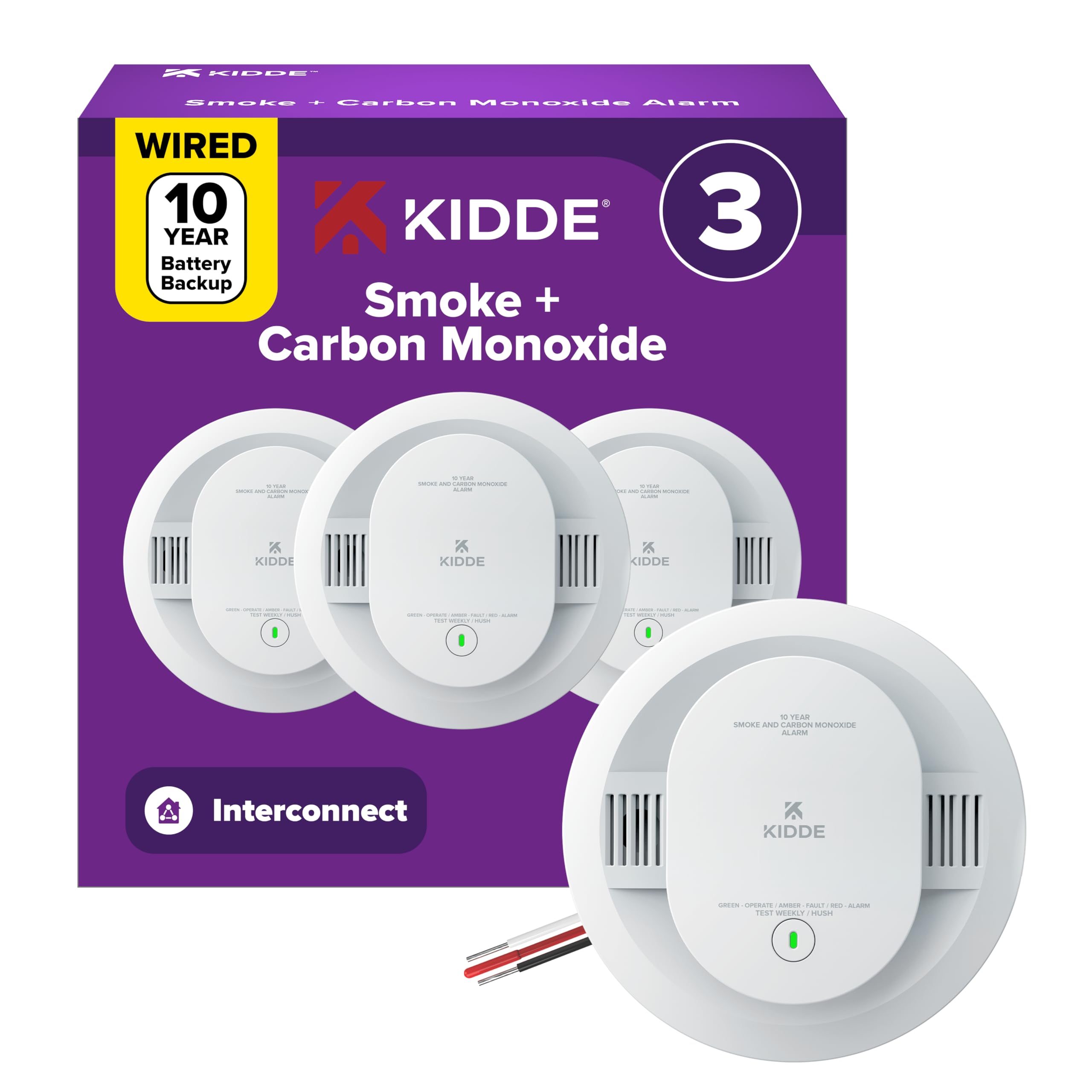
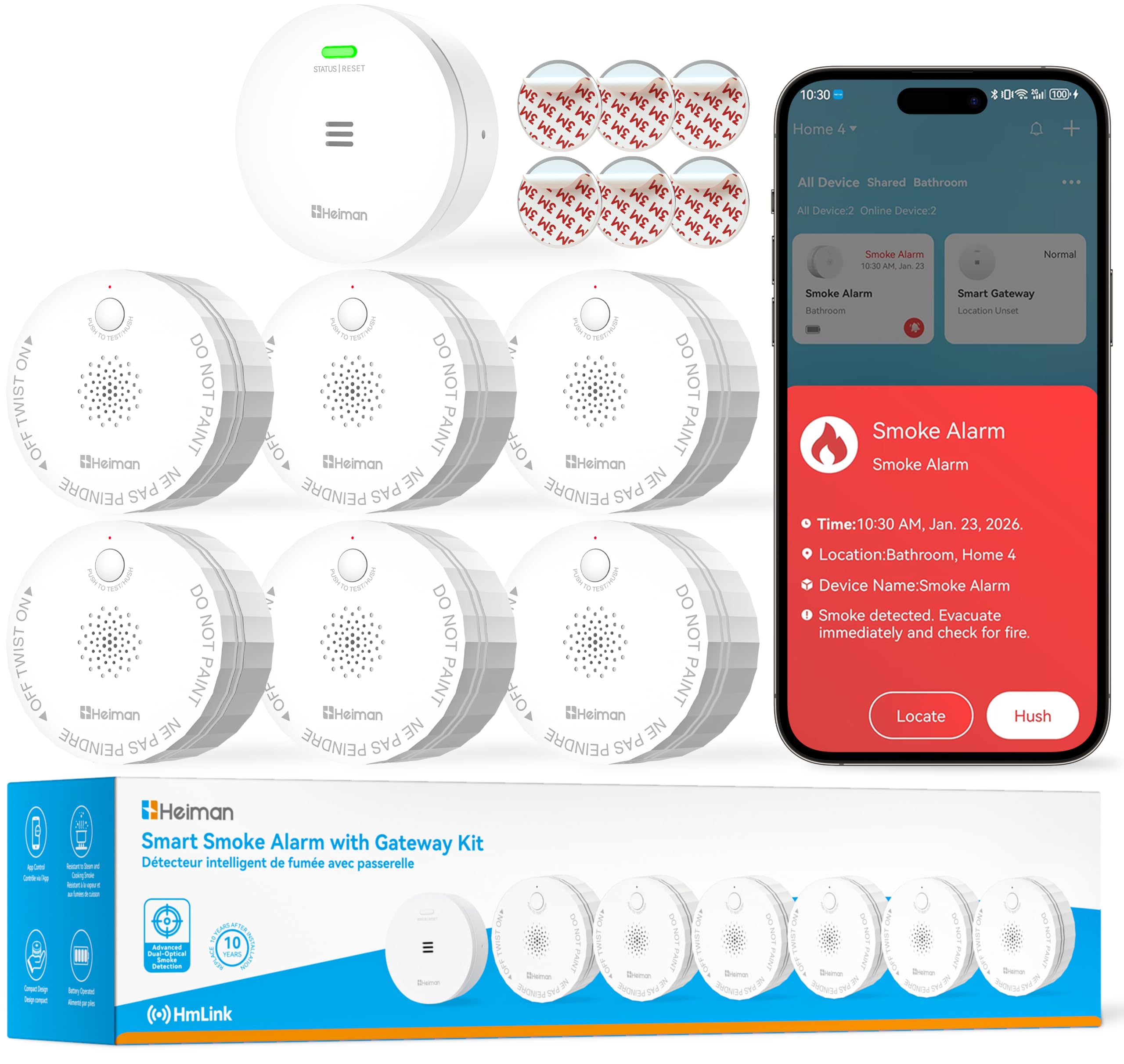
Hardwired detectors connect directly to your home's electrical system and typically include a battery backup for power outages, offering more consistent reliability than battery only units. Smart connected detectors add phone notifications and remote monitoring, which is useful for checking on your home while away, though they generally cost more and still require the same sensor quality considerations as any other detector.
Maintenance and Replacement Timelines
Testing detectors monthly using the test button confirms the alarm sounds and the sensor is responsive, a habit that takes less than a minute per detector but catches failures before they matter. Replacing batteries at least once a year, often timed around a clock change for easy memory, prevents the common failure of a detector silently running on a dying battery for months.
Smoke detectors themselves, not just their batteries, have a limited lifespan, typically around ten years, after which the sensor's sensitivity can degrade even if the unit still appears to function normally during a test. Checking the manufacture date printed on the back of the unit helps determine whether it is due for full replacement rather than just a battery swap.
Combining Smoke and Carbon Monoxide Protection
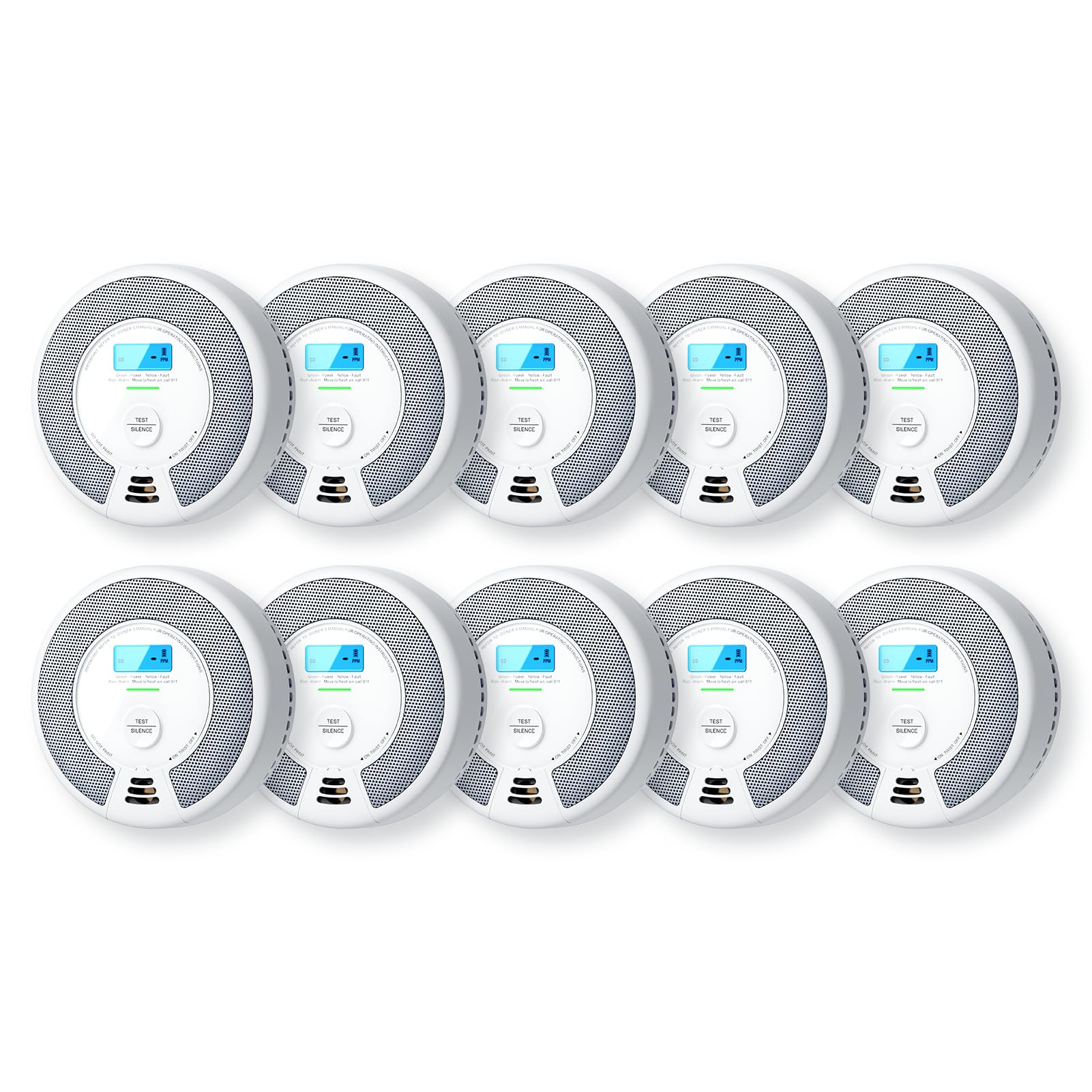
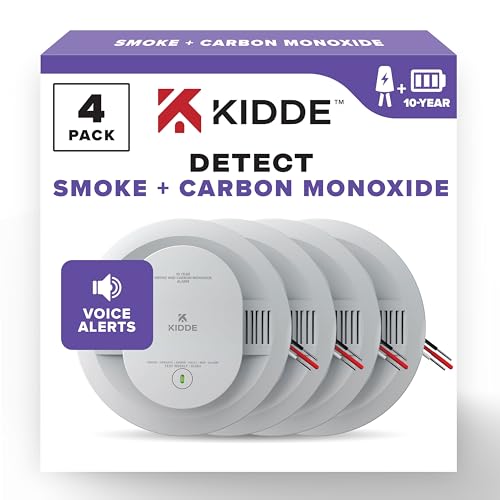
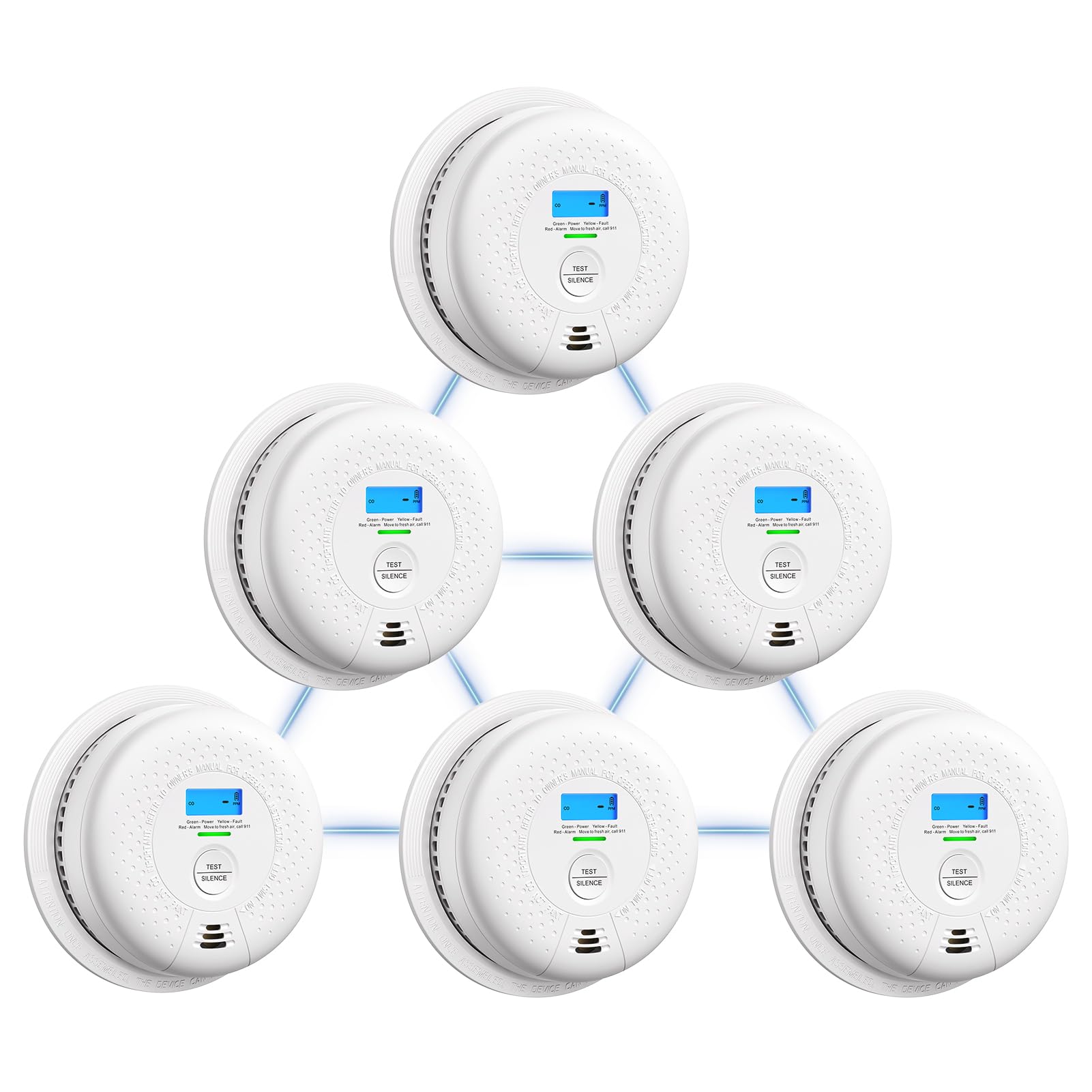
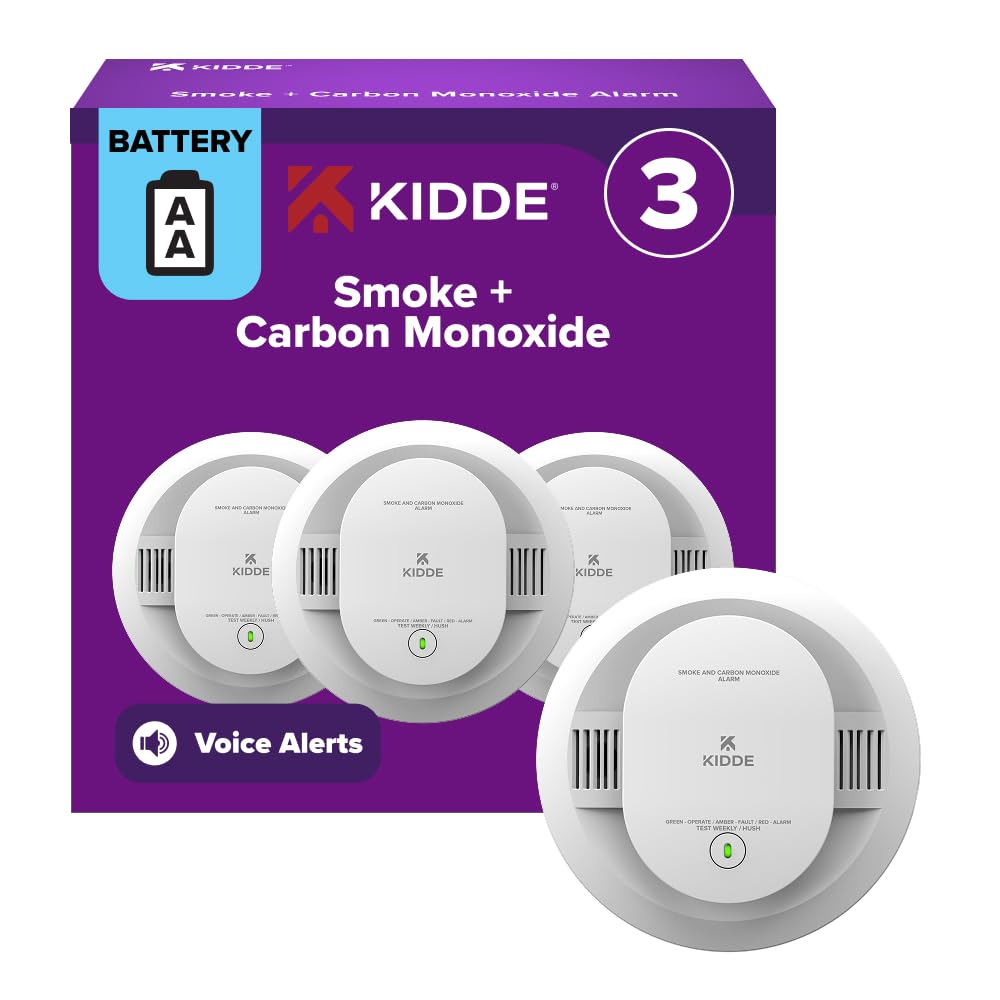
Combination detectors that monitor both smoke and carbon monoxide in a single unit have become increasingly common and can simplify installation for homes that need both types of coverage. Many people researching the best smoke detectors for a full home safety setup find that combination units reduce the total number of devices to install and maintain, though dedicated single purpose detectors sometimes offer more advanced sensor technology for each specific hazard. Homes with gas appliances, an attached garage, or a fireplace generally benefit most from combination coverage, since those features increase carbon monoxide risk alongside standard fire risk.
Whichever route you choose, confirm that any combination unit meets recognized safety certification standards for both smoke and carbon monoxide detection specifically, rather than assuming a single certification covers both functions equally well. Reading the specific certification listed on the packaging, rather than relying on general marketing claims, helps confirm the unit meets both safety standards.
Special Considerations for Households With Hearing Loss
Standard audible alarms are not sufficient for household members who are deaf or hard of hearing, and specialized detectors with strobe lights and bed shaker devices address this gap effectively. These units connect to standard detectors and trigger a strong visual or physical alert alongside or instead of the audible alarm. Local fire departments or accessibility organizations can often provide guidance on specific models that meet the needs of a particular household member's hearing level.
Frequently Asked Questions
How many smoke detectors does a house need?
At minimum, one inside every bedroom, one outside each sleeping area, and one on every level of the home including the basement. Larger homes with multiple wings or long hallways may need additional units to ensure adequate coverage.
Should I choose ionization or photoelectric detectors?
A dual sensor detector that combines both technologies offers the broadest protection against different fire types. If choosing separately, photoelectric works well in kitchens to reduce nuisance alarms, with either type suitable for bedrooms and living areas.
How often should smoke detectors be replaced?
Most smoke detectors should be fully replaced around every ten years, regardless of whether they still pass a manual test, since sensor sensitivity degrades over time. Check the manufacture date on the unit to confirm its age.
Why does my smoke detector keep chirping?
A chirping sound, distinct from the full alarm, almost always indicates a low battery that needs replacement. If chirping continues after a fresh battery, the unit itself may need replacement or a check of its wiring connection if hardwired.
Do smart smoke detectors work without Wi-Fi?
Yes, the core smoke detection and local alarm function independently of an internet connection. Wi-Fi connectivity only affects remote notifications and app based monitoring, not the detector's basic safety function.
Can one smoke detector cover an entire small apartment?
A single detector rarely meets safety guidelines even in a small apartment, since bedrooms and sleeping areas each need their own coverage. Check local fire code requirements, since minimums can vary slightly by location.
Protecting Your Home With Confidence
The best smoke detectors combine the right sensor technology for each room, correct placement following safety guidelines, and a power source you will actually maintain consistently. A modest investment in dual sensor, interconnected detectors throughout the home provides meaningfully better protection than a single, aging unit left untested for years.
Related reading: best smoke and carbon monoxide detector and best attic insulation.