Best AA Batteries for Smoke Detectors: A Buying Guide for 2026
Disclosure: We may earn a commission when you buy through links on this page, at no extra cost to you. As an Amazon Associate I earn from qualifying purchases. Learn more
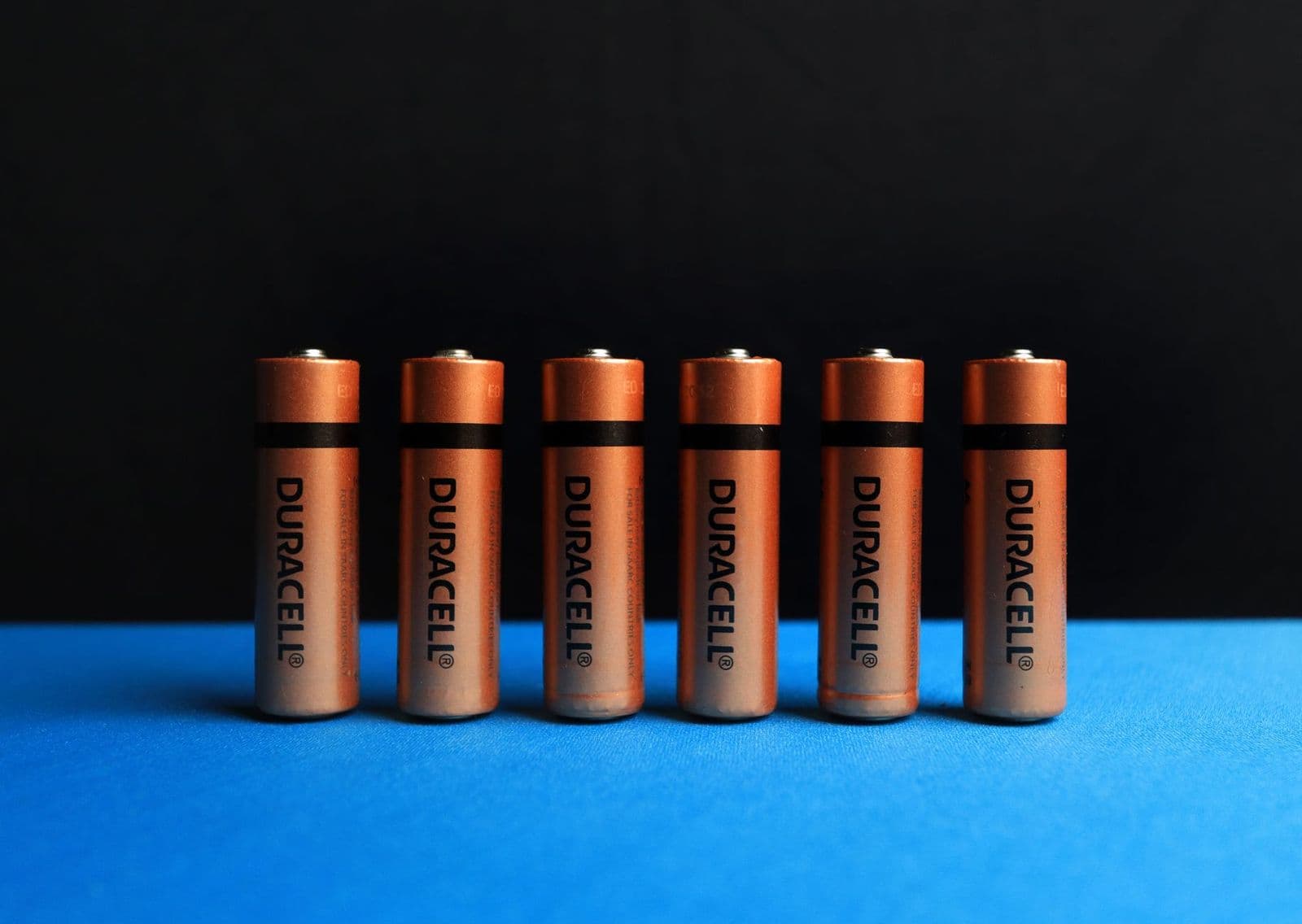
Homeowners with battery or backup alarms can learn which cells work best: the best aa batteries for smoke detectors, shelf life, and replacement timing.
A dead battery is the most common reason a smoke detector fails to warn you, so choosing the right cell matters more than it seems. The best aa batteries for smoke detectors are the ones that hold power for a long time, work in the temperatures your home reaches, and fit the detector type you own. This guide explains how to pick between the main battery types.
Smoke detectors do not all use batteries the same way. Some run on batteries alone, while others use batteries only as backup for a wired supply. This guide covers those details in plain language.
Who Should Buy Which AA Battery?
Owners of Battery Only Detectors
If your detector runs on batteries alone, battery choice is critical. These detectors draw a small steady current all year, plus a loud burst when the alarm sounds. A long lasting alkaline or lithium cell suits this steady draw, since it holds voltage for months without use.
Owners of Hard Wired Detectors With Battery Backup
Hard wired detectors draw power from your home wiring and use AA cells only during an outage. Here the battery mainly needs a long shelf life and reliable performance after sitting unused. A lithium cell often fits well, since it resists leaking during long idle periods.
Owners of Combination Smoke and CO Detectors
Combination detectors watch for both smoke and carbon monoxide, so they may draw slightly more power than smoke only units. Check the maker guidance for the recommended battery type, since some units are picky about voltage under load. Replace the whole detector on the maker schedule, usually every 7 to 10 years.
Key Features to Compare
Battery Chemistry: Alkaline, Lithium, and Rechargeable
Alkaline cells are the common, low cost choice and work well in most detectors. Lithium cells cost more but last longer, handle cold and heat better, and leak less often, which suits detectors in garages, attics, or vacation homes. Rechargeable cells save money over time in high use devices, but their voltage drops sooner and they self discharge faster, so they are a poor fit for a safety device that must work for months without attention.
Shelf Life and Date Codes
Shelf life tells you how long an unused cell keeps most of its charge. Check the date code on the pack before you buy, and avoid packs that have sat in a hot shop for years.
Performance in Cold and Heat
Temperature affects battery life. Cold slows chemical reactions, so a cell in an unheated garage or attic may deliver less power in winter. Heat speeds up self discharge and raises leak risk. Lithium cells handle both extremes better than alkaline cells, which is one reason they suit detectors outside living spaces.
Leak Resistance and Build Quality
A leaking battery can corrode the detector contacts and stop the alarm from working. Inspect the battery compartment each time you change cells, and clean any white or crusty residue with a dry cloth before fitting new cells.
Pack Size and Cost Per Cell
Buying in bulk lowers the cost per cell, but only if you use the cells before they age. Count your detectors first: one per bedroom, one outside each sleeping area, and one on every level is a common layout.
Features That Matter for Smoke Detectors
Detectors need steady, reliable power more than high burst power. A cell that holds voltage over months matters more than one that delivers a short, strong surge. Low self discharge is therefore a key spec, even though packs rarely print it in plain terms. Lithium cells generally self discharge slowest, followed by quality alkaline cells.
Sensor Types and What They Mean for Batteries
Ionization sensors respond fast to flaming fires, photoelectric sensors respond fast to smoldering fires, and dual sensor units combine both. Electrochemical sensors detect carbon monoxide in combination units. Sensor type does not change the battery size, but combination units may draw more power, so they benefit from longer lasting cells.
Placement Requirements
Place a detector inside each bedroom, outside each sleeping area, and on every level of the home, including the basement. Keep detectors away from kitchens and bathrooms where steam and cooking fumes cause nuisance alarms, but close enough to warn you early.
Lifespan and Replacement
Replace AA cells at least once a year, or sooner if the detector chirps. Replace the whole detector every 7 to 10 years, since sensors wear out even with fresh batteries. Write the install date on the unit with a marker so you never guess its age.
Certifications and Listings
Look for detectors that carry a recognized safety listing from an independent organization, and follow the maker guidance for that model. For the batteries themselves, buy cells from a known maker and check that the pack is sealed and undamaged.
Interconnection and Smart Alerts
Interconnected detectors all sound when one senses smoke, which gives you more warning time. Battery powered interconnected units use wireless links, and those links draw extra power, so longer lasting cells help. Smart detectors that send phone alerts add still more draw.
Nuisance Alarm Reduction
Nuisance alarms tempt people to remove batteries, which defeats the whole system. A hush button lets you silence a known false alarm for a few minutes without removing the cell. Placing detectors away from steam and cooking fumes also cuts false alarms. Fix the cause, fit a fresh cell, and press the test button to confirm the unit works.
Choosing the Best AA Batteries for Smoke Detectors
Best AA Batteries for Smoke Detectors First Alert
For detectors from a maker like First Alert, the key is matching the cell to the unit, not chasing a brand label. Check the detector manual for the recommended battery type, since some units specify alkaline only or warn against rechargeable cells. Focus on three points: a fresh date code, the right chemistry for the detector location, and a pack size you will use before the cells age. No battery choice makes up for a detector past its service life.
Types of Detectors and Their Battery Needs
Smoke Only Alarms
Smoke only alarms watch for fire and use the least power of the detector types. Standard alkaline cells usually serve them well, since the draw is steady and low.
Hard Wired Alarms
Hard wired alarms run on home power with AA cells as backup. The backup cell may sit unused for years, so shelf life and leak resistance matter most.
CO Only Alarms
Carbon monoxide only alarms watch for a colorless, odorless gas from fuel burning appliances. Use fresh alkaline or lithium cells, and never ignore a CO alarm. If the alarm sounds, leave the home and call emergency services, since carbon monoxide cannot be seen or smelled.
Combination Smoke and CO Alarms
Combination alarms watch for both threats in one unit, which is convenient and saves wall space. Replace the whole unit on schedule, since both sensors age.
Spending Levels
Lower Price Choices
Lower price AA cells are usually standard alkaline packs from a known maker. They suit most indoor detectors and cost about $0.50 to $1 per cell in mid size packs.
Middle Price Choices
Middle price choices include premium alkaline cells and smaller lithium packs. Small lithium packs cost more per cell but last longer in service. Expect about $1 to $2 per cell here.
Higher Price Choices
Higher price choices are mainly larger lithium packs bought for many detectors at once. They suit large homes, vacation properties, or buyers who want the longest interval between changes.
Common Mistakes to Avoid
- Mixing old and new cells, or mixing alkaline and lithium cells, in the same detector.
- Leaving a chirping detector without a battery, instead of fitting a fresh cell right away.
- Using rechargeable cells in a safety device that must hold charge for months unused.
- Buying a huge bulk pack that ages on the shelf before you use the last cells.
- Ignoring the detector age, since sensors wear out even with fresh batteries.
- Storing loose cells in a drawer with metal objects, which can short the terminals.
Tips to Get the Most From Your AA Battery
- Check alarms monthly by pressing the test button until the alarm sounds.
- Replace the whole unit every 10 years, or sooner if the maker guidance says so.
- Install detectors on every level and outside sleeping areas, so warnings reach you fast.
- Vacuum dust from vents twice a year, since dust can slow sensor response.
- Write the battery change date on the detector, so the next change is never a guess.
- Keep spare cells in their packaging, in a cool, dry place, away from children.
Keep batteries away from children, since swallowed cells are a serious emergency that needs immediate medical help.
FAQs
What features matter most in AA batteries for smoke detectors?
Long shelf life and steady voltage matter most in AA batteries for smoke detectors. A detector draws a tiny current for months, then needs a strong burst to sound the alarm, so the cell must hold power during long idle periods. Lithium cells usually hold charge longest, while quality alkaline cells suit most indoor detectors. Check the date code before buying, and avoid packs stored in heat.
Where should I install smoke and CO detectors?
Install a detector inside each bedroom, outside each sleeping area, and on every level of your home, including the basement. Keep detectors away from kitchens and bathrooms to reduce steam and cooking false alarms, but close enough to warn you early. In a home with fuel burning appliances, add carbon monoxide detection near sleeping areas and near the appliance, as the manual directs.
Do I need separate smoke and CO alarms?
Separate alarms work fine, and combination alarms work fine too, so the choice comes down to your home and budget. Separate units let you place each sensor where it works best, while combination units save space and wiring. Combination units may draw more power, so longer lasting cells suit them. Whichever you choose, cover every bedroom, every level, and sleeping areas.
Hard wired or battery: which is better for smoke detectors?
Hard wired detectors with battery backup offer the most reliable power, since they run on home wiring and switch to batteries in an outage. Battery only detectors suit homes without detector wiring and are easier to add to older rooms. If your home already has detector wiring, use it. If not, battery only units with fresh cells and monthly checks are a practical option.
How long do smoke detectors last?
Most smoke detectors last about 10 years, and many makers print a replace by date on the unit. Sensors lose sensitivity with age, dust, and exposure, even when batteries are fresh. Replace the whole unit on schedule, not just the cells, and write the install date on the housing. If a detector chirps with fresh batteries, fails a monthly check, or shows damage, replace it right away.
Final Thoughts
Choose the battery for the detector you own, not the cheapest pack on the shelf. Alkaline cells suit most indoor detectors, lithium cells suit cold spots, combination units, and long idle backup duty, and rechargeable cells are a poor fit for safety devices. The best aa batteries for smoke detectors are the fresh, well matched cells that keep every alarm ready. Stock spares so a chirp never leaves a detector empty.
For related reading, see our guide to the best battery for smoke detectors across sizes, the best battery powered smoke detectors for wire free homes, the best smoke detectors battery operated for older rooms, and the best interconnected battery smoke detectors for whole home warnings.