
Best 9 Volt for Smoke Detectors in 2026: Types Compared and How to Choose
Disclosure: We may earn a commission when you buy through links on this page, at no extra cost to you. As an Amazon Associate I earn from qualifying purchases. Learn more

Best 9 volt for smoke detectors compared by type: alkaline, lithium, carbon zinc and rechargeable, with typical prices and fit checks.
Stand in front of the battery rack and the choice looks simple, until you notice the same small block sold in four different chemistries at four very different prices. This page sorts the best 9 volt for smoke detectors by type, so you can see what each class does well, where it falls short, and which homes it suits. A smoke detector is a life safety device, and a dead battery means no alarm, so the class you pick decides how often you climb up to change it.
The comparison table below puts the types side by side with their typical prices. After the table, each type gets its own short section, followed by a head to head of the two classes most buyers actually choose between.
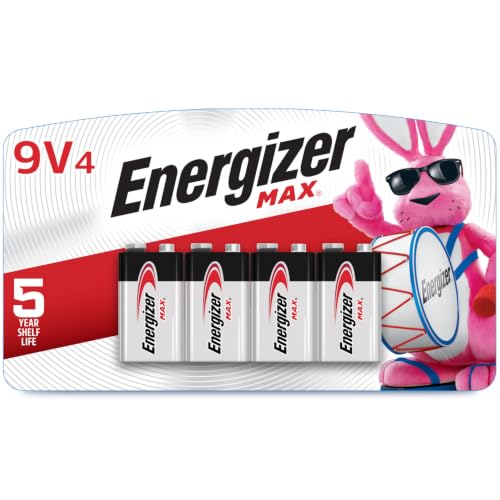


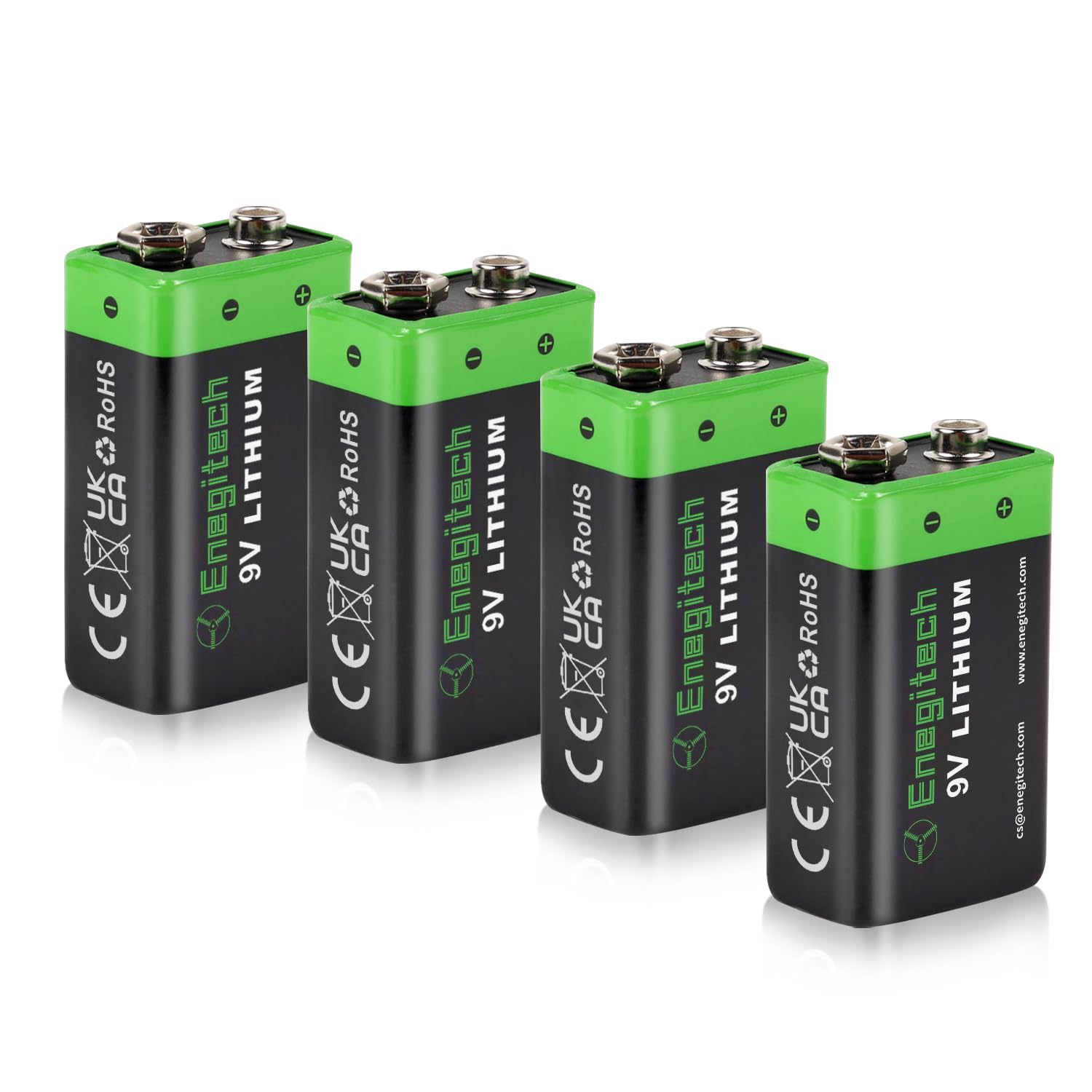


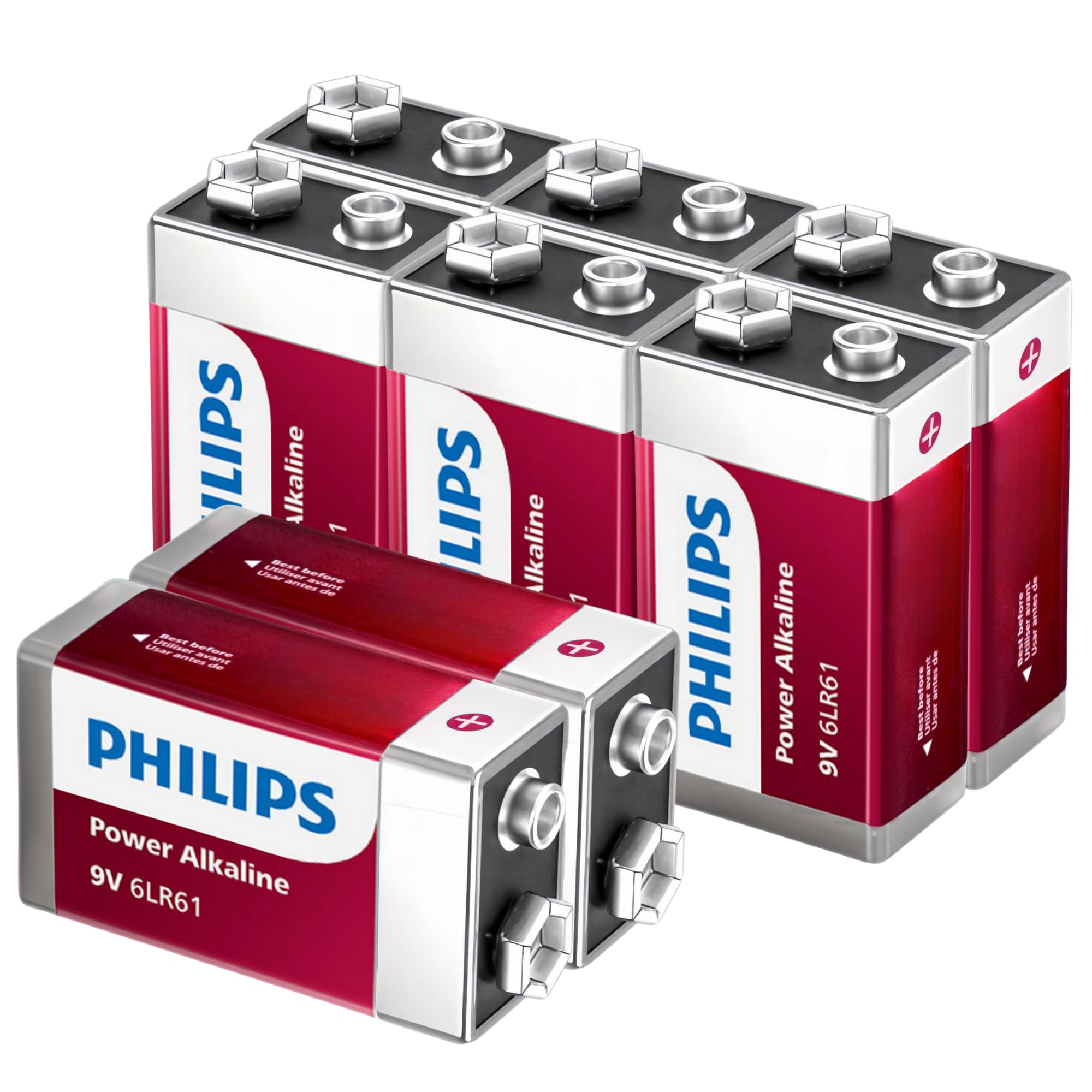


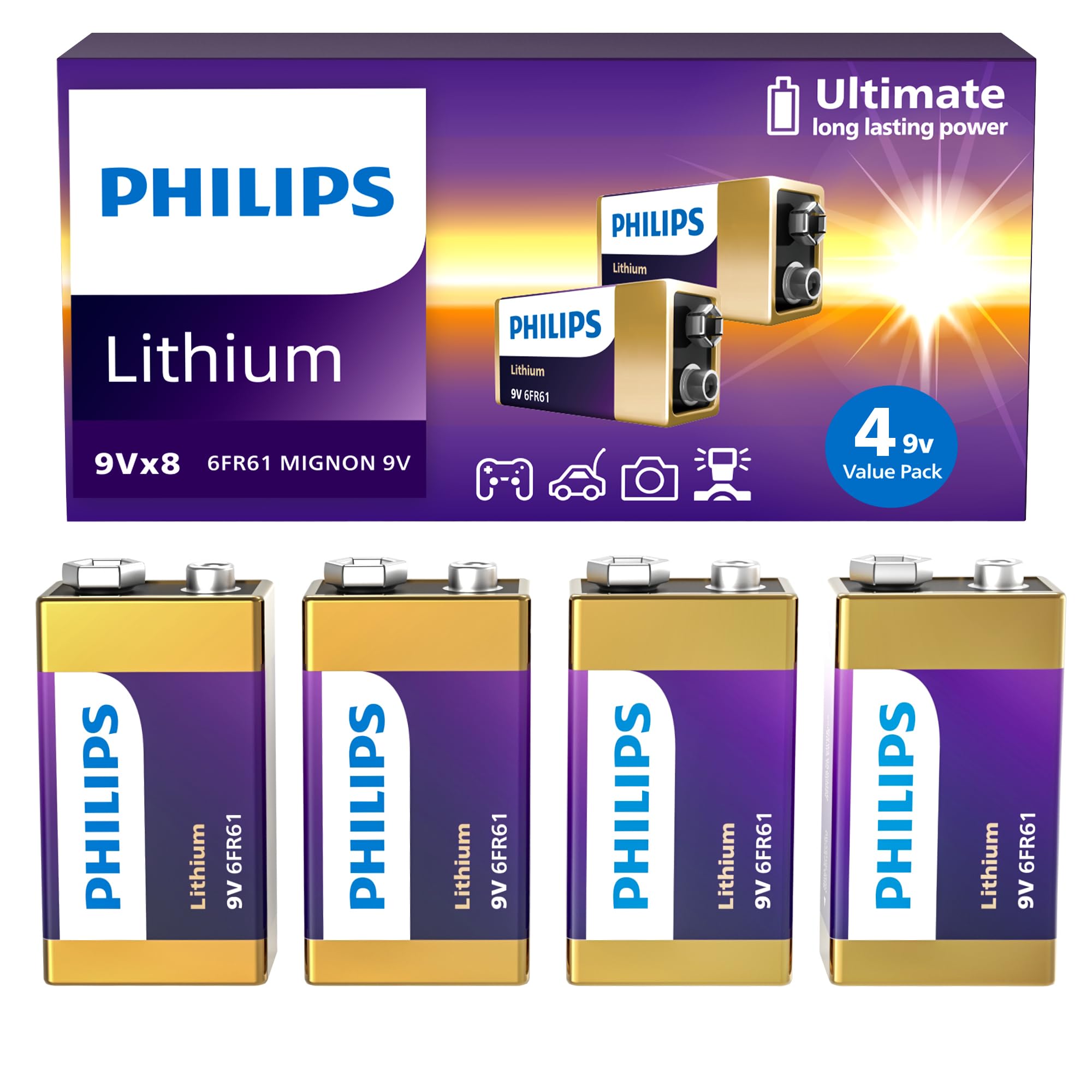
Best 9 Volt for Smoke Detectors Compared by Type
All four types share the same block shape and snap posts, so any of them will click into the connector. What changes is how long the cell serves in a detector, how it behaves as it fades, and what it costs across the years you own the alarm.
| Type | Best For | Pros | Cons | Typical Price |
|---|---|---|---|---|
| Alkaline | Most homes on a yearly change rhythm | Low price, sold everywhere, steady voltage | Needs changing about once a year | about $2 to $4 each |
| Carbon zinc | Light duty gadgets, not alarm duty | Lowest shelf price of any type | Short service, early low battery chirps | under $2 each |
| Lithium | Hard to reach alarms and long service | Serves for years, light weight, strong in cold rooms | Highest price per cell | about $8 to $13 each |
| Rechargeable | High drain gadgets with frequent swaps | Can be charged and used again | Lower working voltage, drains while sitting | about $8 to $15 each, plus a charger |
Alkaline: The Default Class
Alkaline is the class most detectors are designed around, and the one most households should start with. It holds its voltage well under the tiny, steady draw of an alarm, gives a clear stretch of service, and then fades in a way the low battery chirp can report in good time. Singles cost about $2 to $4, and multi packs bring the per cell price down for homes with several alarms. Its single real drawback is rhythm: expect to change it about once a year, every year, for as long as the unit serves.
Carbon Zinc: The Budget Class to Skip
Carbon zinc cells, often labelled heavy duty, are the cheapest blocks on the rack and the weakest fit for this job. They were designed for light, occasional loads such as remote controls, and in a detector that must stay alert around the clock they give up their charge quickly. The result is a low battery chirp arriving months earlier than it should, plus a greater chance of leakage as the cell ages in place. The small saving is not worth the lost protection, so this class belongs in a drawer of spare gadget cells, not in an alarm.
Lithium: The Long Service Class
Lithium cells trade a high shelf price for years of quiet service, and for some homes that trade is clearly worth it. A lithium block can power a detector for several years, shrugs off the cold of an unheated hallway or garage better than alkaline, and weighs noticeably less, which matters little here but signals its different build. The year figures on lithium packs are maker claims under stated conditions, so read them as class claims rather than guarantees. The guide to the best 9 volt lithium battery for smoke detectors covers this class on its own.
Rechargeable: A Mismatch for Alarm Duty
Rechargeable blocks look appealing because one cell can serve again and again, but the fit with detectors is poor. Most rechargeable cells in this shape run at a lower working voltage than a disposable cell, and they also lose charge while they sit, even inside a working alarm. A detector reads that lower voltage as a fading battery, so the chirp can begin weeks after a full charge.
For torches and toys the class makes sense. For a device that must stay ready for years, it works against the whole point.
Alkaline vs Lithium: Which Should You Choose?
For most buyers the real contest is between these two classes, and the answer turns on four things. First, reach: an alarm above a stairwell or on a tall ceiling argues for lithium, because every change there is a ladder job. Second, count: a home with eight alarms pays the lithium premium eight times, while a flat with two alarms barely notices it.
Third, rhythm: households that reliably change cells when the clocks change do fine on alkaline, while forgetful households buy safety margin with lithium. Fourth, cost across time: lithium usually wins on price per year of service even while losing on price per cell. New buyers who want the purchase itself walked through step by step can read the first time guide to the best 9 volt batteries for smoke detectors alongside this comparison.
How to Choose the Right 9 Volt
Lifespan and Replacement
Plan the change before the chirp plans it for you. Alkaline cells in alarm service are commonly changed once a year, and lithium cells when their longer service runs out or at the interval the alarm maker states.
The detector unit has its own lifespan as well, set by the date printed on the unit itself. That date governs the unit: past it, replace the whole alarm, because no fresh cell can restore an aged sensing chamber. Treat cell changes and unit replacement as two separate clocks and the system stays honest.
Certifications and Safety Marks
Choose cells that carry recognized safety marks and a maker name you can trace, and alarms that carry a proper listing such as UL 217. Customer ratings and sales ranks on shop pages say little about safety, and even roundups of the best rated smoke detectors cannot substitute for the listing mark printed on the unit. A date code belongs in the same check: marks plus a fresh date tell you the cell was made recently, checked properly, and stored as it should be.
Features That Matter for Smoke Detectors
Three features matter more than any marketing line on the pack. The first is a slow, even discharge curve, so the alarm gets months of warning before the voltage drops to chirp level. The second is shelf freshness, because a cell spends part of its life in a warehouse and a drawer before it ever works.
The third is a clean, snug snap fit, since the two posts carry both the standby watch and the full alarm blast. Capacity claims copied from high drain gadget listings matter far less than these three.
Fit Check: Shape, Terminals, and the Unit Label
Not every detector takes a 9 volt, and the unit label governs the question, so open the cover and read it before you buy anything. Many alarms use AA cells, and a growing number use sealed batteries that are built in for the life of the unit and never open at all. Where a 9 volt is specified, the fit check is simple: the block shape is standard, both snap posts should be clean and firm, and the connector should grip without force. Short answer pages such as what is the best 9 volt battery for smoke detectors skip this step, yet it is the step that decides whether your purchase works at all.
Setup and Care Tips
Fit the new cell, close the cover, and hold the test button until the alarm sounds at full volume, because silence means the swap has failed no matter how fresh the cell is. Press the test button on every alarm monthly, and fit alarms on every level of the home and outside sleeping areas, as fire guidance advises. Follow the alarm maker's instructions for your model.
Store spare cells at room temperature with their caps or packaging intact. When a spent cell comes out, tape its posts before it goes into a recycling bin, since loose 9 volt posts can touch metal and short. Above all, never pull a battery out to silence a chirping detector: the chirp is the warning, so answer it with a fresh cell or a new unit.
9 Volt Questions Answered
Are lithium 9 volt batteries worth the higher price in a smoke detector?
Yes, in the right home, because the honest measure is cost per year of service rather than cost per cell. Answer pages that ask what are the best 9 volt batteries for smoke detectors usually land on this same trade. A lithium cell serving five years can cost less across those years than five alkaline cells, and it removes four ladder trips. In an easy to reach hallway alarm changed on a steady rhythm, alkaline returns the favour and lithium buys little.
Why do smoke detectors often start chirping at night?
Detectors often start chirping at night because cooler air lowers the output of a fading battery. A cell that reads as adequate during a warm afternoon can sag below the warning line in the coldest hours, and the detector reports exactly what it sees. Night chirping is therefore a true report, not a fault, and it means the cell is at the end of its service. Treat the first night chirp as the deadline and change the cell the next morning at the latest.
Do all smoke detectors accept the same 9 volt battery shape?
Detectors that take a 9 volt all accept the same standard block shape, but many detectors do not take one at all. AA powered alarms, hardwired units with a backup cell of another shape, and sealed battery alarms each follow their own label. The shape being standard also hides one detail: the compartment in some older units is snug, and a cell with a slightly larger casing can strain the cover. If a new block will not sit flat, compare its casing with the old cell before forcing anything.
What happens if a smoke detector battery is left unchanged for years?
A battery left unchanged for years eventually leaves the home with no working alarm, and it may leak inside the unit on the way there. The detector does not fail loudly; it simply fades, chirps for a while, and then falls silent as the cell dies completely. That silence is the dangerous part, because nothing in the home announces the loss. A unit fed by a long dead cell may also be past its own printed date, which means the fix is a new alarm rather than a new battery.
Can a 9 volt battery from a remote control be used in a smoke detector in a pinch?
It fits, and in a true pinch a partly used cell beats an empty compartment for one night only. The trade is poor beyond that: a cell drained by a gadget has an unknown amount of charge left, and the detector cannot tell you how much. Carbon zinc gadget cells are the worst of these stand ins. If a borrowed cell goes in, a fresh alarm cell should replace it the next day, and the date tape habit should note the swap so it is not forgotten.
Final Thoughts
Sorted by type, the decision settles quickly: alkaline for most homes on a yearly rhythm, lithium where reach or forgetfulness argues for long service, and carbon zinc and rechargeable cells left to the gadgets they suit. Check the freshness date, respect the date printed on the unit, and look at the product table above to see the classes together before you order. Picked by type rather than by shelf price, the best 9 volt for smoke detectors is the cell that keeps the alarm ready without asking for attention.


