
Best Amateur Video Cameras 2026: Buying Guide
Disclosure: We may earn a commission when you buy through links on this page, at no extra cost to you. As an Amazon Associate I earn from qualifying purchases. Learn more

How to pick the best amateur video cameras: sensor, lens, autofocus, sound and battery life for family videos, travel and vlogging.
A phone records decent clips, yet it struggles with zoom, sound and long filming sessions. The best amateur video cameras solve those problems with a larger sensor, a real lens and controls that stay simple while you learn. This guide explains the specs that shape your footage, so you can match a camera to family events, travel or your first channel.
Start with how you plan to film, then weigh sensor size, autofocus and sound before price. Use the comparison table below to narrow your shortlist, then read the sections that follow for the details behind each row.




Who Should Buy an Amateur Video Camera?
Amateur buyers share one goal, better video without a film crew. Your subjects and locations decide which body style and features deserve your money.
Family and Travel Filmmakers
You film birthdays, school events and trips, often with no chance to repeat a moment. Choose a light body with reliable auto exposure, a useful zoom and stabilization that smooths walking shots. Skip bulky kits, because a camera that fits a small bag is the one that actually comes along.
New Creators and Vloggers
You talk to the lens, film at a desk or walk while recording. Prioritize a screen that flips to face you, face tracking autofocus and a microphone input for clear speech. If filming yourself is your main plan, see our guide to the best cameras for video blogging for setups built around solo work. Good light and quiet rooms matter more than exotic specs at this stage.
Hobbyists Ready to Learn Manual Control
You already shoot on auto and want control over focus, aperture and color. Look for manual settings you can reach without deep menus, a headphone socket and picture profiles you can adjust later. Readers comparing stills and video models side by side can also see our guide to the best amateur cameras for a broader view of the category.
Key Features to Compare
When you compare the best amateur video cameras, judge each model on how it handles movement, light and sound rather than on its longest spec list. If video is your sole focus, see our guide to the best cameras for video after this checklist.
Sensor Size and the Look of Your Home Videos
The sensor captures light, and a larger sensor usually gathers more of it, which helps with clean detail and soft backgrounds. Common steps run from 1 inch sensors in compact models through APS C to full frame in larger mirrorless bodies. Megapixels matter less for video than many buyers expect, because 4K video needs only about eight megapixels per frame. Choose 1 inch for travel ease, or APS C for indoor filming.
Lens and Optical Zoom Range
Optical zoom moves glass inside the lens, so distant subjects keep their detail, while digital zoom simply enlarges the image and softens it. A range such as 24 to 105 mm covers wide rooms, people and moderate distance in one lens. Aperture, written as an f number, controls how much light enters and how blurred the background looks. Fixed lens models keep things simple, while interchangeable lens bodies let you add a wider or longer lens later.
Autofocus and Image Stabilization
Autofocus decides whether your subject stays sharp as it moves. Face and eye detection hold focus on people without constant tapping, and touch tracking follows a child or pet across the frame. Image stabilization counters small hand movements, either in the body, in the lens or electronically. Walkers and travelers gain the most from strong stabilization, while desk based filming can rely on a small tripod instead.
Low Light Performance
Indoor and evening scenes test a camera hardest. Low light results depend on sensor size, lens aperture and how cleanly the camera raises its ISO setting, which is its sensitivity to light. Footage shot at very high ISO can show grain and lose color. If you film parties, concerts or evening streets, favor a larger sensor and a lens with a wide maximum aperture over extra zoom reach.
Sound Recording and Microphone Options
Clear speech often matters more than sharper pictures, because viewers forgive soft footage sooner than muffled words. Built in microphones suit quiet rooms and subjects near the camera, yet they also pick up handling noise and wind. A microphone input lets you add a small external microphone placed closer to the speaker. Creators who interview people or teach on camera should treat the microphone input as essential.
Battery Life, Charging and Simple Controls
Video drains batteries far faster than photos, so check the rated recording time per charge rather than the photo count. Many newer models charge over USB C, which lets a power bank top up the battery between sessions. A touch screen, a clear auto mode and quick file transfer to your phone through WiFi keep the learning curve gentle.
Types of Amateur Video Cameras Compared
Body style shapes handling, lens choice and price more than any single spec. Match the type to where and how you film most often.
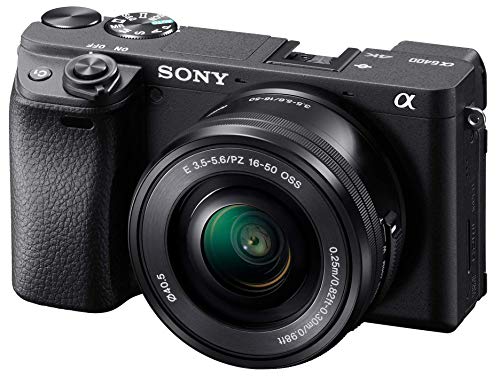
Mirrorless Cameras
Mirrorless models pair larger sensors with interchangeable lenses, giving the best route to soft backgrounds and strong low light results. They suit creators and hobbyists who accept a bigger bag and a higher budget. The same body can grow with you as you add lenses later.
Compact Cameras and Camcorders
Compact models carry a fixed lens, a small body and simple auto modes, which suits family and travel filming where speed matters. Camcorders take a similar idea further, with a grip shaped for long recording, a long optical zoom and controls built only for video. Both limit lens upgrades, but they remove guesswork that can overwhelm a first time buyer.
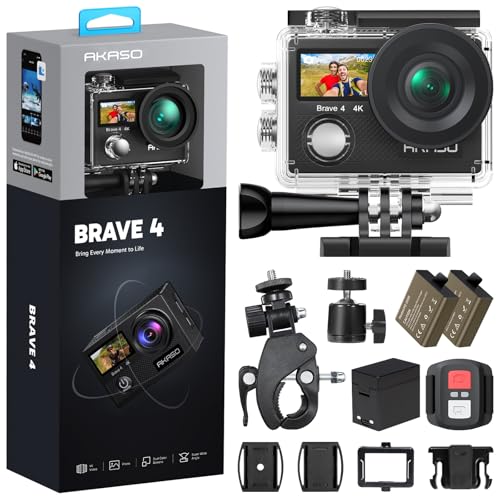
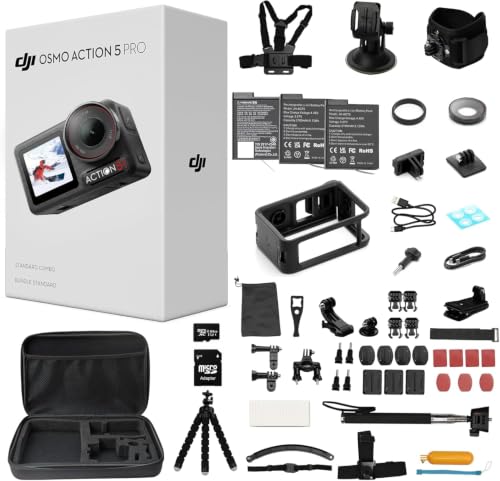
Action Cameras
Action cameras are tiny, tough and usually waterproof with their housing or seals fitted, and they record a very wide view that suits bikes, boats and helmets. Stabilization is a strong point, while zoom and low light results are weaker than on larger bodies. For mounts, cases and rough outdoor use, see our guide to the best action video cameras for models built for that work.
Common Mistakes to Avoid
Most regrets come from buying for the wrong spec or skipping small costs. Watch for these errors before you order.
- Choosing on megapixel count alone, so you end up with noisy indoor footage from a tiny sensor.
- Paying for long digital zoom, so distant subjects turn soft and blocky in your clips.
- Ignoring sound, so clear pictures end up paired with speech nobody can follow.
- Buying a heavy kit for travel, so the camera stays at the hotel instead of in your bag.
- Forgetting fast memory cards and a spare battery in the budget, so your first long shoot stops early.
Care and Maintenance for Amateur Video Cameras
A video camera needs gentle, regular care rather than complex servicing. Wipe the lens with a clean lens cloth instead of a shirt, because grit in fabric can mark the coating. Store the camera in a dry, padded bag with its lens cap on, and remove the battery if you will not film for several weeks.
- Carry a spare charged battery, since a busy filming day can drain a pack faster than its rating suggests.
- Keep memory cards in a hard case and format them in the camera after you have copied your files safely.
- Update the camera firmware when the maker releases it, because updates often refine autofocus behavior and fix small faults.
- Let a cold camera warm up inside its closed bag after winter filming, so moisture forms on the bag instead of inside the lens.
Frequently Asked Questions
What specs matter most on a first amateur video camera?
Sensor size, autofocus and stabilization matter most on a first amateur video camera. Together they decide whether people stay sharp and steady in ordinary light. One detail many beginners miss is the per clip recording limit, since some models stop a single clip at about thirty minutes. If you plan to record full lessons, services or matches, confirm that limit before you buy.
How much should you spend on a first amateur video camera?
Plan on about $300 to $600 for a first amateur video camera with a lens included. That range covers capable compact and entry mirrorless models without paying for pro features you may never open. Keep roughly a fifth of your budget aside for a card, a spare battery and a basic bag. Spending the whole amount on the body alone often leads to a frustrating first month.
Is a smartphone enough instead of an amateur video camera?
A smartphone is enough for short clips in good light. A dedicated camera pulls ahead for zoom reach, longer sessions and better sound options. Phones also interrupt filming when calls or storage warnings appear, while a separate camera keeps your footage apart from daily phone clutter. Many amateurs start with a phone, then buy once they know which limit bothers them most.
Which amateur video camera type handles low light best?
A mirrorless camera with a larger sensor and a wide aperture lens handles low light best among amateur video camera types. It gathers more light per frame, so faces stay cleaner at night. One extra trick helps any type: move your subject nearer to a window or lamp rather than raising brightness settings, because added light improves color as well as clarity.
Do amateur video cameras need a separate microphone?
Amateur video cameras do not need a separate microphone for quiet rooms and close subjects. The built in microphone handles narration at arm length well. Distance changes the answer, since speech weakens fast as the speaker moves away. Before buying extra gear, film a short test at your usual distance and listen on headphones, because that test shows whether your room, not the camera, is the problem.
Final Thoughts
Pick the camera that fits your subjects, your light and your bag. Sensor size, honest optical zoom and a microphone input will shape your results more than any headline spec. The best amateur video cameras are the ones you will carry and use weekly, so check the product table above and choose the type that matches your filming life.


