
Best 9 Volt Battery Charger 2026: A Practical Buying Guide
Disclosure: We may earn a commission when you buy through links on this page, at no extra cost to you. As an Amazon Associate I earn from qualifying purchases. Learn more

Find out how to pick a 9 volt battery charger, from rechargeable battery types and charge speed to safety features and simple care tips before you decide.
A good best 9 volt battery charger saves money and waste for anyone who runs smoke detectors, guitar pedals, wireless microphones, or toys on 9 volt batteries. Rechargeable 9 volt cells cost more up front but pay for themselves quickly in devices that drain batteries often, provided the charger matches the battery chemistry and charges safely.
The comparison table below gathers the main charger options, and this guide explains battery types, charge speed, safety features, and care habits. You will learn which charger suits occasional detector use versus daily pedal or microphone use, and how to avoid the common mistakes that shorten battery life.
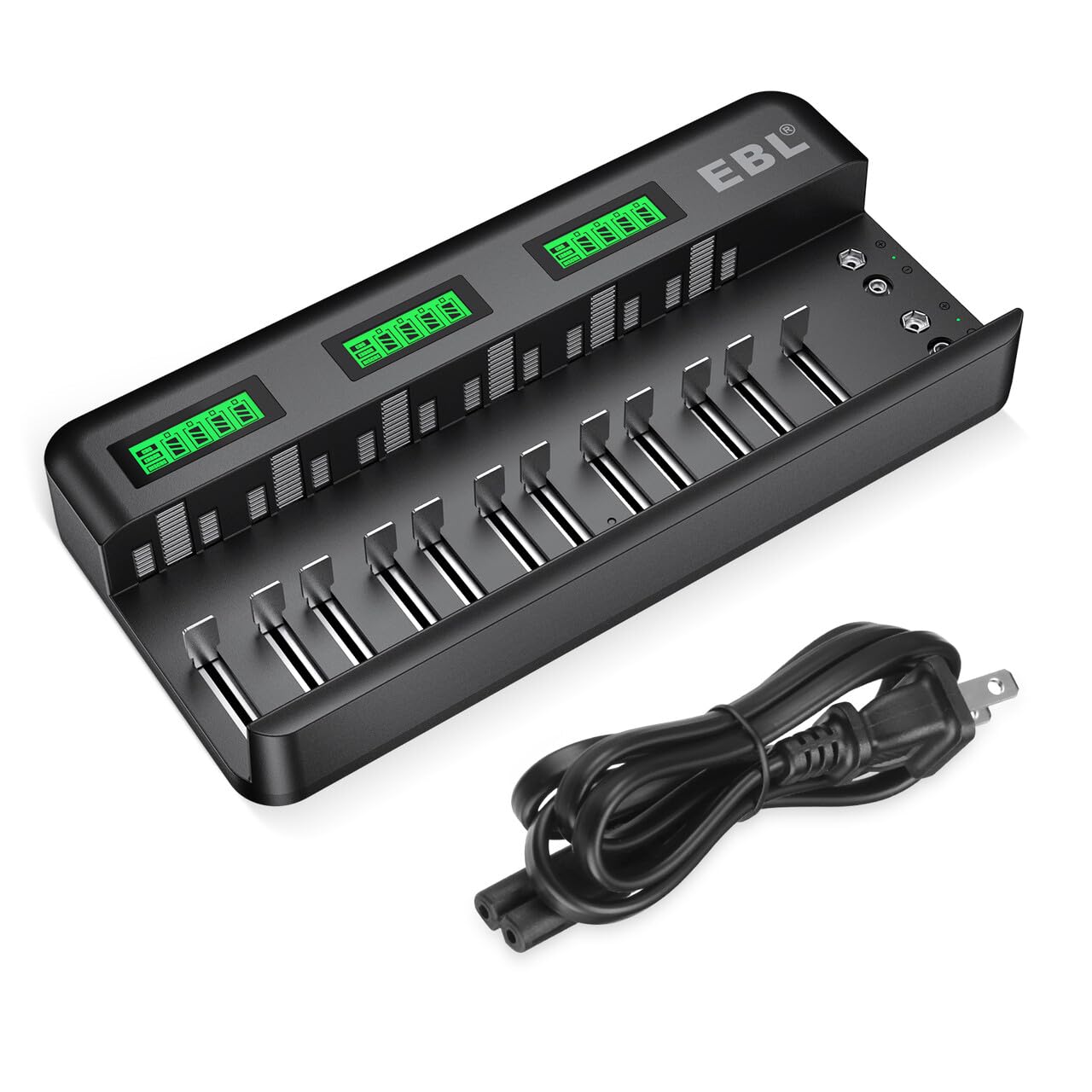


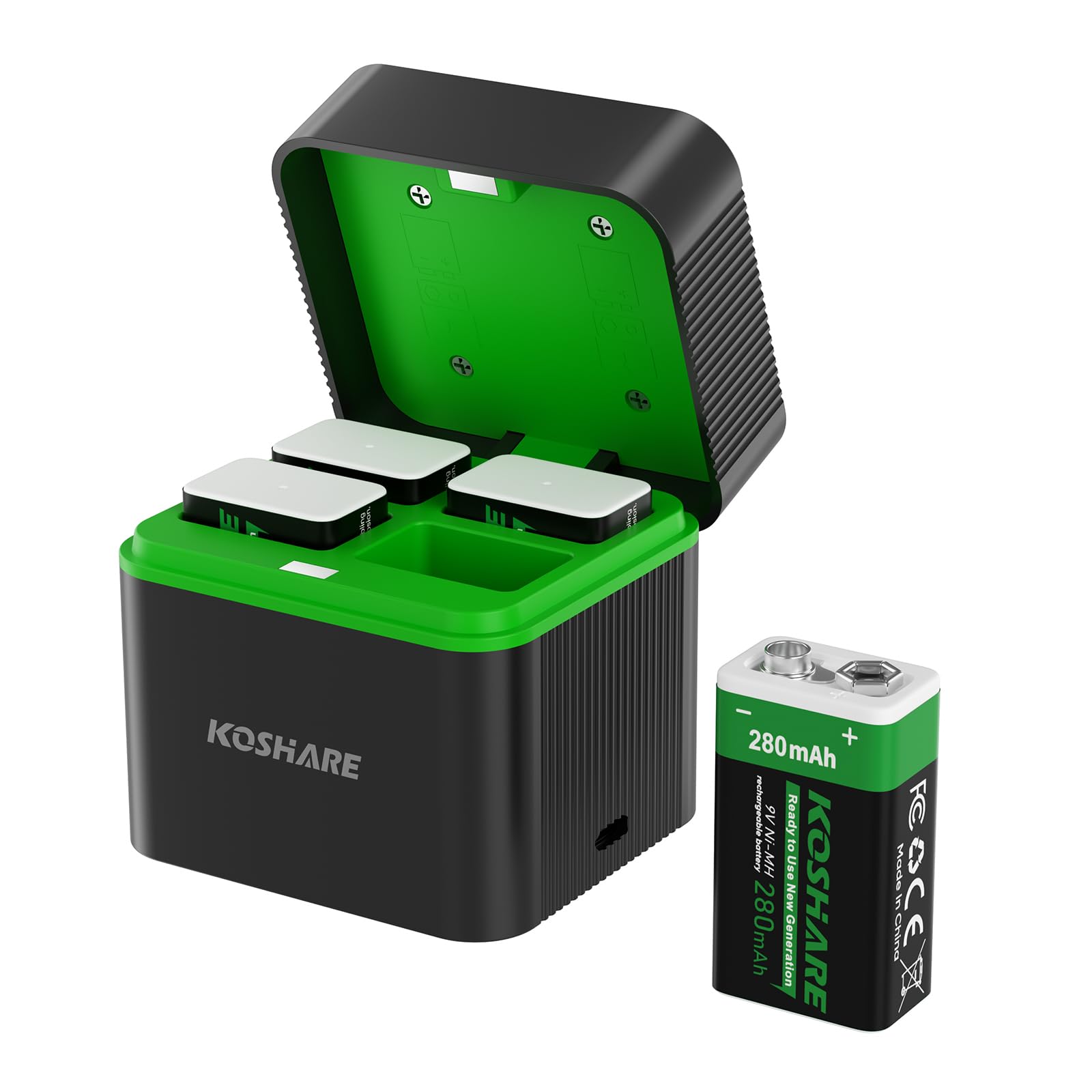
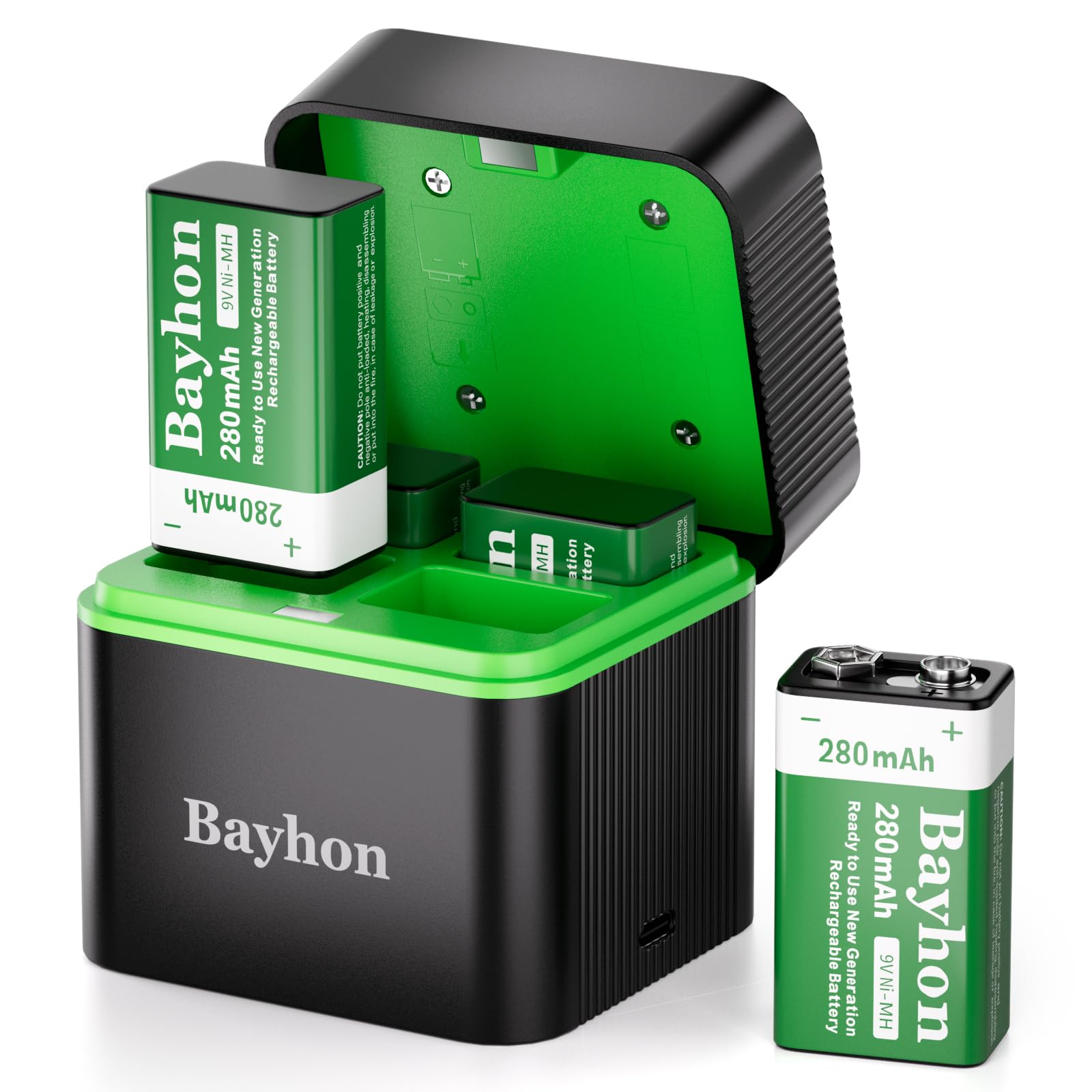
Who Should Buy A 9 Volt Charger
A 9 volt charger suits households and musicians who replace 9 volt batteries often enough for the cost to add up. Smoke detectors, guitar effects pedals, wireless microphones, and some toys all use this size, and rechargeable cells make sense when a device drains a battery every few weeks. If you use only one 9 volt battery a year, disposable cells may still be simpler and cheaper overall.
It also suits anyone who dislikes waste and wants a ready battery at hand. A small set of rechargeable cells plus a charger means you rarely run out at an awkward moment, and you throw away far fewer batteries. Keep a spare charged cell for smoke detectors, since a detector should never sit without a working battery while you wait for a charge.
Battery Types And Chemistry Matching
Most rechargeable 9 volt cells use nickel metal hydride chemistry, which offers good capacity, safe handling, and many recharge cycles. Older nickel cadmium cells still appear, but they hold less charge and suffer memory effects, so nickel metal hydride is the better default for most buyers. Lithium rechargeable 9 volt cells exist too, but they need a charger designed for lithium, and using the wrong charger risks damage or fire.
Always match the charger to the battery chemistry printed on the cell, and never charge a disposable alkaline 9 volt battery unless the charger and battery both explicitly allow it. Mixing chemistries in one charger, or charging a damaged or swollen cell, is unsafe. When in doubt, check the manuals for both the charger and the battery before you plug anything in.
Charge Speed And Capacity
Charge speed ranges from slow overnight charging to faster charging in a few hours, and slower charging usually treats batteries more gently and extends their life. Fast charging suits musicians and presenters who need a quick turnaround, but it generates more heat and may shorten cell life if used constantly. For smoke detectors and occasional use, a slow charger is perfectly adequate and kinder to the cells.
Capacity, measured in milliamp hours, tells you how long a charged cell runs a device, though real runtime depends on the device drain. A higher capacity cell lasts longer between charges, but it may also take longer to charge fully. Compare capacity within the same chemistry, and remember that a charger with independent channels charges each cell fully, while a paired channel charger can leave one cell undercharged.
Safety Features Worth Having
Good chargers include overcharge protection, temperature monitoring, and automatic shutoff when a cell reaches full charge, and these features matter more than a fancy display. Individual channel monitoring treats each cell on its own, which helps when cells age at different rates. A charger that feels very hot, smells odd, or charges a cell far faster than its rating suggests should be unplugged and checked.
Place the charger on a hard, ventilated surface away from bedding and curtains, and never leave charging batteries unattended for long periods if the manual warns against it. Keep batteries away from metal objects that can short the terminals, store them in a case or with terminal caps, and recycle damaged or dead cells through a proper battery recycling point rather than household waste.
Care Habits And Smoke Detector Notes
Rechargeable cells last longest when you avoid deep discharge, extreme heat, and long storage at full charge or fully empty. Rotate a small set of cells so no single cell sits unused for months, and label cells with the purchase date to track age. If a cell no longer holds a useful charge, retire it rather than forcing extra cycles from it.
For smoke detectors, follow the detector maker guidance first, because some makers specify disposable cells for reliability and long life. If rechargeable cells are allowed, test the detector after every battery change, keep a spare charged cell ready, and replace the detector itself at the end of its stated life. A charger saves money, but detector safety always comes before savings.
Related Guides Worth Reading
Read our guide to best 9 volt batteries for smoke detectors for more detail on that related choice. Read our guide to best 9 volt lithium battery for smoke detectors for more detail on that related choice.
Read our guide to what is the best 9 volt battery for smoke detectors for more detail on that related choice.
A Final Check Before You Order
Before you buy, check the chemistry printed on your rechargeable cells and match the charger exactly, since lithium cells need a lithium charger and nickel metal hydride cells need their own type. Look for independent channels and overcharge protection, and keep a spare charged cell ready for smoke detectors so a detector never sits without power while a cell charges. Those safety points matter more than charge speed alone.
After purchase, charge on a hard ventilated surface, retire cells that no longer hold a useful charge, and recycle dead cells through a proper collection point. For smoke detectors, always follow the detector maker guidance first and test the detector after every battery change. A good charger saves money and waste, but detector safety always comes before savings.
K
e
e
p
a
s
m
a
l
l
l
a
b
e
l
l
e
d
b
o
x
f
o
r
c
h
a
r
g
e
d
a
n
d
e
m
p
t
y
c
e
l
l
s
s
o
y
o
u
n
e
v
e
r
m
i
x
t
h
e
m
u
p
,
s
i
n
c
e
a
h
a
l
f
c
h
a
r
g
e
d
c
e
l
l
i
n
a
s
m
o
k
e
d
e
t
e
c
t
o
r
o
r
a
m
i
c
r
o
p
h
o
n
e
f
a
i
l
s
a
t
t
h
e
w
o
r
s
t
m
o
m
e
n
t
.
M
a
r
k
t
h
e
p
u
r
c
h
a
s
e
d
a
t
e
o
n
e
a
c
h
c
e
l
l
,
r
o
t
a
t
e
t
h
e
s
e
t
s
o
a
l
l
c
e
l
l
s
s
h
a
r
e
t
h
e
w
o
r
k
,
a
n
d
t
e
s
t
s
m
o
k
e
d
e
t
e
c
t
o
r
s
m
o
n
t
h
l
y
r
e
g
a
r
d
l
e
s
s
o
f
b
a
t
t
e
r
y
t
y
p
e
.
T
h
o
s
e
t
i
n
y
r
o
u
t
i
n
e
s
c
o
s
t
a
l
m
o
s
t
n
o
t
h
i
n
g
a
n
d
k
e
e
p
r
e
c
h
a
r
g
e
a
b
l
e
p
o
w
e
r
r
e
l
i
a
b
l
e
r
a
t
h
e
r
t
h
a
n
f
r
u
s
t
r
a
t
i
n
g
.
Frequently Asked Questions
Can I recharge any 9 volt battery?
No, only batteries labelled rechargeable can be charged safely, and the charger must match their chemistry. Disposable alkaline 9 volt batteries can leak, overheat, or burst if charged, unless both the battery and the charger explicitly allow it, which is rare. Check the label on the cell and the charger manual before charging, and recycle disposable cells through a proper battery collection point.
How long does a 9 volt battery take to charge?
Charging time depends on the charger speed and the cell capacity, ranging from a few hours on a fast charger to overnight on a slow charger. Slow charging is gentler and often extends cell life, while fast charging suits urgent use but generates more heat. Always follow the charger instructions, and remove cells promptly once the charger signals a full charge rather than leaving them on charge indefinitely.
Are rechargeable 9 volt batteries safe for smoke detectors?
They can be, provided the detector maker allows rechargeable cells and you test the detector after every battery change. Some makers specify disposable cells because they hold charge longer in standby and give a clearer low battery warning, so check the detector manual first. Keep a spare charged cell ready, never leave a detector without a working battery, and replace the detector at the end of its stated life.
Why do my rechargeable batteries lose charge quickly?
Age, heat, deep discharge, and many charge cycles all reduce capacity over time, and a cell that once lasted weeks may eventually last only days. A charger with paired channels can also leave one cell undercharged, which looks like a faulty battery. Try a charger with independent channels, rotate your cells, store them cool and dry, and retire cells that no longer hold a useful charge.
How should I store 9 volt batteries safely?
Store them in a case or with terminal caps, away from metal objects, heat, and moisture, because the terminals can short if they touch keys, coins, or other batteries. Keep them cool and dry, avoid storing them fully empty or fully charged for months, and keep them out of reach of children. Recycle damaged, swollen, or dead cells through a battery recycling point, never in household waste.
Final Thoughts
Match the charger to your battery chemistry, favour independent channels and overcharge protection, and choose charge speed for how urgently you need cells ready. The product table above compares the main options on those safety and convenience points.
With the right charger and a small rotation of cells, 9 volt devices cost less to run and waste far less. Follow detector maker guidance first, test after every change, and retire tired cells promptly. That is how you choose the best 9 volt battery charger for your needs.


