Best 9 Volt Batteries for Smoke Detectors: A First Time Buyer's Guide for 2026
Disclosure: We may earn a commission when you buy through links on this page, at no extra cost to you. As an Amazon Associate I earn from qualifying purchases. Learn more

A first time buyer guide to the best 9 volt batteries for smoke detectors: alkaline vs lithium, date codes, and a safe swap.
If you have never bought a replacement cell for a home alarm before, the battery shelf can look oddly complicated for such a small part. This guide walks a first purchase of best 9 volt batteries for smoke detectors step by step, from the basic terms to the swap itself. A smoke detector is a life safety device, and a dead battery means no alarm when a fire starts, so this little block of power matters far more than its size suggests.
By the end, you will know how to pick the right 9 volt battery for your own home, what the date code on the pack is telling you, and how long a fresh cell should serve before the next change. The product table lays the main classes side by side so the differences are easy to see before you buy.




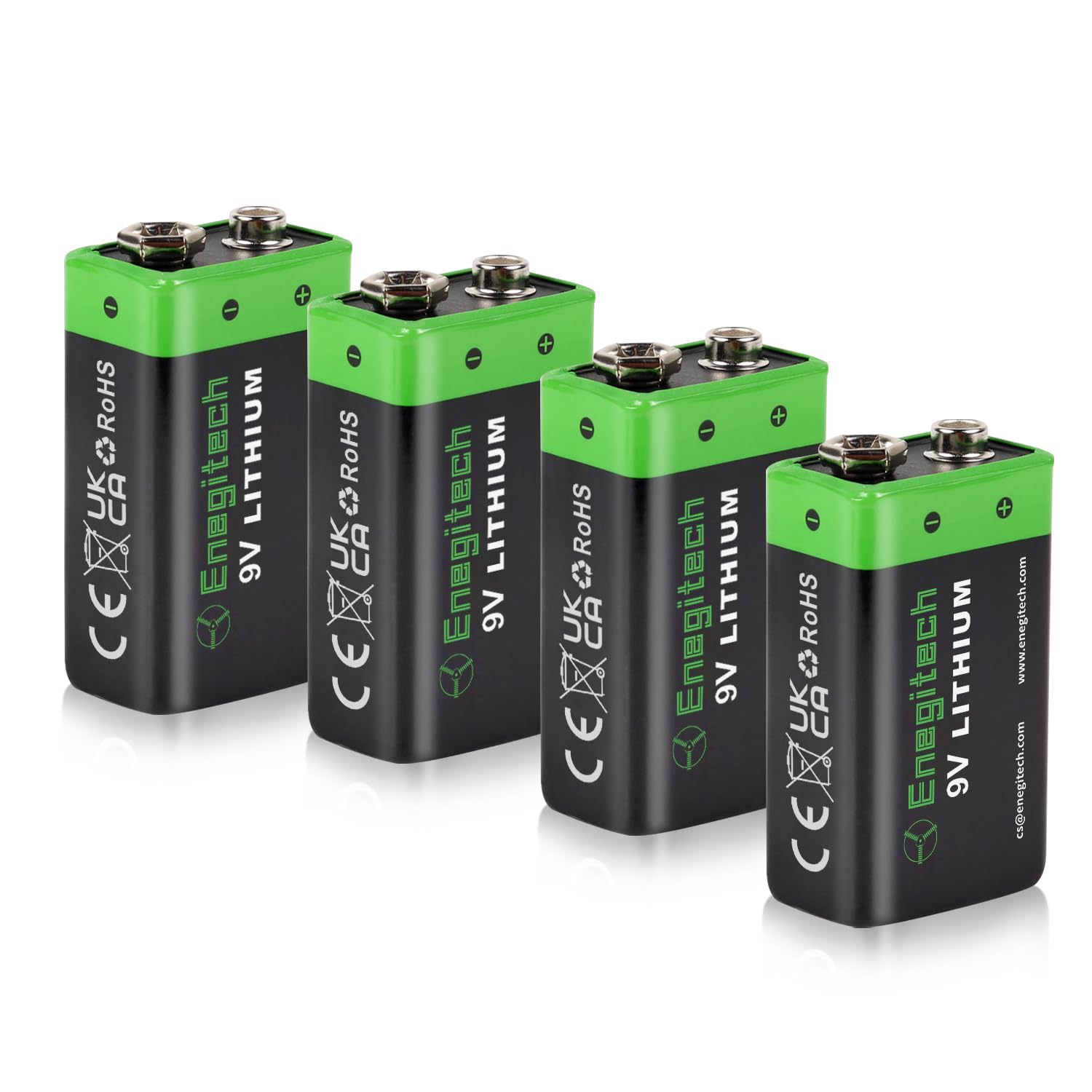





9 Volt Batteries 101: The Basics
A 9 volt battery is a small rectangular block with two snap posts on top, and those posts are different sizes so the connector in the alarm only fits one way. Inside the casing sit six small cells wired together, which is why this shape delivers more voltage than a AA or AAA cell. A smoke detector sips that power slowly around the clock while it watches the air, then needs a burst of it to sound loudly when it senses smoke.
That steady, patient workload is what sets alarm batteries apart from cells bought for toys or remotes. A cell in a toy gets drained in bursts and then rests, while a cell in a detector must hold a dependable charge for months and still have enough left to shout. Not every alarm uses this shape, though. Some newer units run on AA cells or on sealed cells that never open, and the broader guide to the best battery for smoke detectors covers those formats as well.
One practical habit helps on the first trip to the store: take the old cell out and bring it with you. Covers vary between units, since some hinge open, some twist off, and a few slide, and having the spent block in hand settles every question about shape and post layout at a glance. It also gives you the old date code to beat, so the replacement starts fresher than the cell it replaces.
Best 9 Volt Batteries for Smoke Detectors: Key Specs Explained
Five things decide whether a 9 volt cell suits alarm duty: what the detector asks of it, the chemistry inside, the freshness of the stock, the safety marks on the pack, and how long the whole setup should serve. Each one is explained below in plain terms.
Features That Matter for Smoke Detectors
A detector draws a tiny current day and night, so the trait that matters most is a slow, even discharge rather than raw power. As a cell fades, its voltage sags, and the detector answers that sag with a short chirp every minute or so. That chirp is the low battery warning, and a good alarm cell holds its voltage steady for a long stretch before reaching it. Look for cells sold for alarm and safety use, a firm snap fit on the posts, and enough reserve to power a full alarm, not just the standby watch.
Battery Chemistry: Alkaline, Carbon Zinc, and Lithium
Chemistry is the biggest choice you will make. Alkaline cells are the everyday standard: affordable, easy to find, and well matched to a yearly change rhythm. Carbon zinc cells, often sold as heavy duty, cost less but give up their charge much sooner, which makes them a poor trade in a device that must never sleep. Lithium cells cost the most per unit and serve far longer, sometimes for years, which suits alarms in awkward spots.
The year figures printed on any pack are maker claims based on stated conditions, so treat them as class claims rather than promises. For a deeper look at the long life class, see the guide to the best 9 volt lithium battery for smoke detectors.
Shelf Life and Date Codes
Every pack carries a date code, and reading it is a simple freshness check before money changes hands. Cells lose charge slowly while they sit, so a pack that has waited years in a warehouse starts its service already partly spent. Choose the freshest stock on the shelf, even if an older pack sits beside it at a lower price. Store your spare in a cool, dry drawer inside the home, not in a hot garage, and keep one spare on hand at all times, because low battery chirps have a habit of starting in the middle of the night.
Certifications and Safety Marks
Look for recognized safety marks on the pack, which show the cell met independent checks for basic electrical safety. Alarms themselves are built to listing standards such as UL 217, and a listed alarm expects a proper cell of the stated size inside it. Be wary of unmarked cells sold loose or in plain wrappers with no maker name, no date code, and no safety mark. In a life safety device, traceable stock from a known maker is worth far more than a small saving on a mystery pack.
Lifespan and Replacement
In alarm service, an alkaline cell is commonly swapped on a yearly rhythm, while a lithium cell can serve for several years before the chirps begin. The detector itself ages too, and it carries a printed date on its back or inside its cover. That date on the unit governs: when a unit passes the date its maker set, the whole unit gets replaced rather than fed fresh cells forever, because the sensing chamber wears and gathers dust over time. If you want the classes weighed against each other directly, the comparison of the best 9 volt for smoke detectors lays them out by type.
That unit date also frames one wider choice some first time buyers meet at the same moment. When an old battery powered unit reaches its printed date, some households replace it with a sealed long life unit whose cell is built in and never opens. That route trades a higher price today for no cell changes at all across the new unit's service. Either route is sound; what matters is that the date triggers a decision rather than another year of fresh cells in a worn out alarm.
Rookie Mistakes to Avoid
- Silencing a chirp by removing the battery. The chirp is the warning that protection is almost gone; take the cell out and the home has no alarm at all. Replace the battery, or replace the unit if a fresh cell does not settle it.
- Buying the cheapest carbon zinc cell for an alarm. The saving is small, the service is short, and the early chirp usually arrives at the worst hour.
- Ignoring the date code. Old stock starts partly spent, so a bargain pack can deliver a fraction of the service you paid for.
- Assuming every alarm takes a 9 volt. Some units use AA cells or sealed cells, so read the label inside the cover before you shop.
- Keeping no spare. A chirping alarm at night with no fresh cell in the house tempts people to pull the battery and sleep, which is the most dangerous outcome of all.
Getting Started: Setup and First Use
The swap itself takes a few minutes and needs no tools beyond a steady chair or step stool for a ceiling unit. Work through it in this order the first time, and it becomes a simple household habit after that.
- Read the label inside the alarm cover to confirm the unit takes a 9 volt block, and check the printed date on the unit while it is open.
- Pull the old cell off its snap connector, then press the new cell on firmly until both posts click into place.
- Write the install month on a small piece of tape and stick it inside the cover, so the next change is easy to judge.
- Close the cover and press the test button until the alarm sounds, which proves the new cell can drive the full alarm and not just the standby watch.
After that first swap, two habits keep the system honest. Press each alarm's button once a month, which takes seconds and confirms the cell still has working strength. Then keep the change on a fixed rhythm, such as the weekend the clocks change, so the swap never depends on memory or on waiting for a chirp.
Frequently Asked Questions
What features matter most in 9 volt batteries for smoke detectors?
The features that matter most are freshness, chemistry suited to slow drain, and a firm snap fit on the posts. Guides that answer what are the best 9 volt batteries for smoke detectors in one line usually point to the same short list. One point worth adding is terminal condition: posts should be bright and clean, because a dull or loose connection can make a sound cell look weak to the detector.
What does the date code on a 9 volt battery tell a smoke detector owner?
The date code tells you how fresh the cell is, and freshness sets how much of its stored charge remains before it ever reaches your alarm. Makers print either a use by date or a manufacture code on the pack or the cell itself. Warm storage shortens that stored life further, so a fresh pack kept in a hot stockroom may age faster than its date suggests. When two packs share a price, the later date is the better buy every time.
Can a rechargeable 9 volt battery power a smoke detector?
A rechargeable block fits the snap connector, but it is a poor match for most alarms. Many rechargeable cells in this shape deliver less than the full voltage and lose charge while they sit, so a detector can read them as weak and start chirping far sooner than expected. The makers of most alarms design the low battery warning around disposable alkaline or lithium cells. Unless your alarm manual names rechargeable cells as approved, stay with a fresh disposable cell.
Why does a smoke detector chirp again soon after a battery change?
A detector that chirps again soon after a battery change is usually reporting a problem other than the cell. The connector may not be fully snapped on, the new cell may be old stock, or the unit itself may be at the end of its service and unable to hold a steady reading. Try a fresh cell from a different pack first. If the chirping returns within days, treat it as the unit asking for replacement rather than feeding it more batteries.
How long does a smoke detector unit last before the whole unit needs replacing?
A smoke detector unit lasts until the date its maker printed on it, and that date governs rather than any general rule of thumb. The sensing chamber inside gathers dust and its parts age, so an old unit can grow less reliable even with a strong battery inside. When you swap a cell, glance at the unit date as part of the same job. A unit past its date gets replaced whole, and the new unit starts a fresh service window.
The Bottom Line
For a first purchase, keep the decision simple: buy fresh alkaline stock with a clear date code for most alarms, choose the lithium class for units that are hard to reach, and never let a chirp be answered by removing the cell. Check the product table above before you order, since it gathers the main classes in one place. Chosen well, best 9 volt batteries for smoke detectors are a small, cheap part that quietly keeps a life safety device ready every night.