
Best 8 Inch Ceiling Speakers 2026: A Practical Buying Guide
Disclosure: We may earn a commission when you buy through links on this page, at no extra cost to you. As an Amazon Associate I earn from qualifying purchases. Learn more

Compare the best 8 inch ceiling speakers for clear sound, even coverage and a clean look in living rooms, kitchens and home theaters.
Choosing the best 8 inch ceiling speakers starts with the room, not the speaker. An 8 inch driver moves more air than a smaller ceiling speaker, so it can fill a larger space with fuller bass and less strain at normal listening levels. The product table below will help you weigh the main options side by side.
Before you buy, think about where people sit, how high the ceiling is, and whether the speakers will play background music, television sound, or both. A speaker that sounds great in a small kitchen may feel thin in a large open living room. This guide walks through types, features, placement, and care so you can pick with confidence.


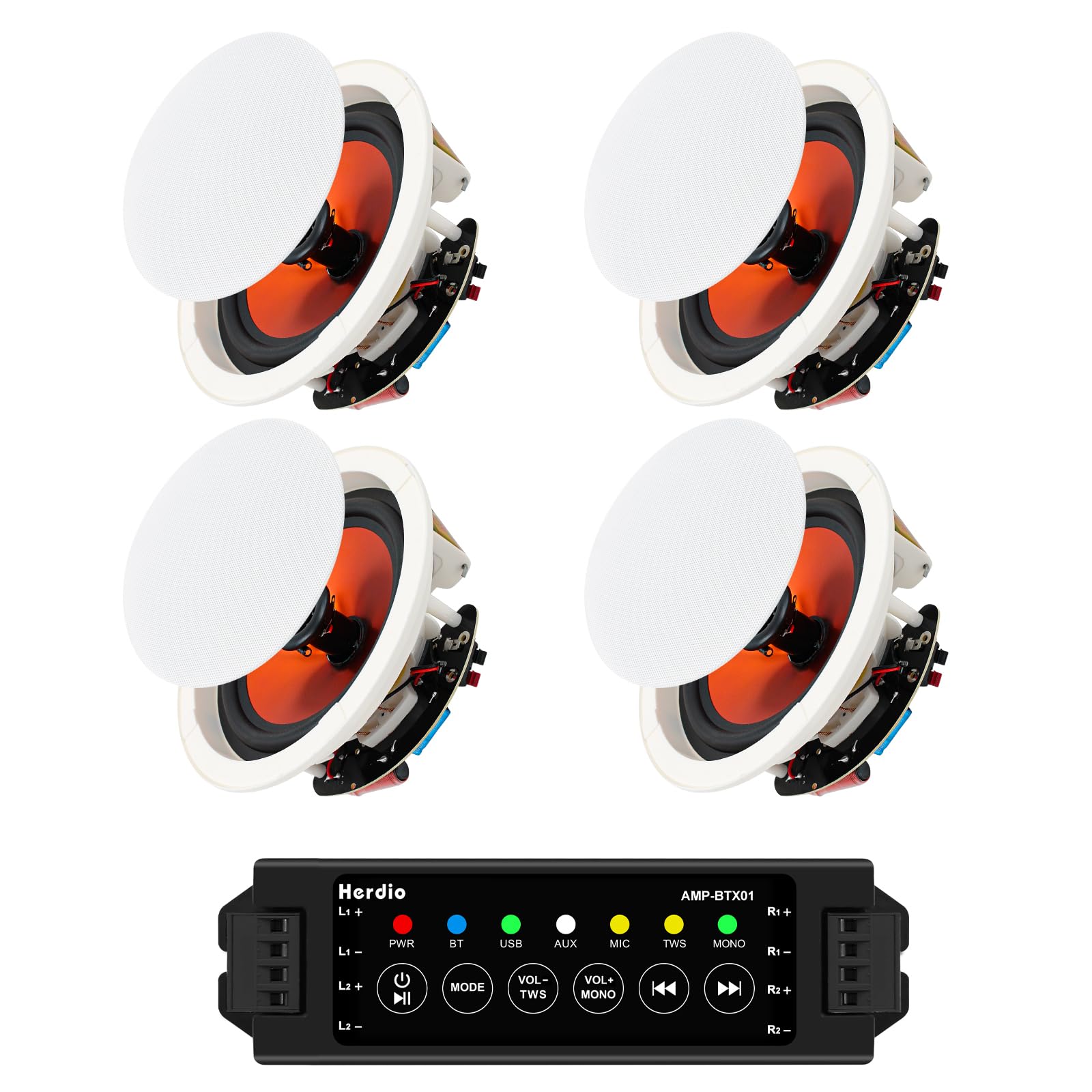


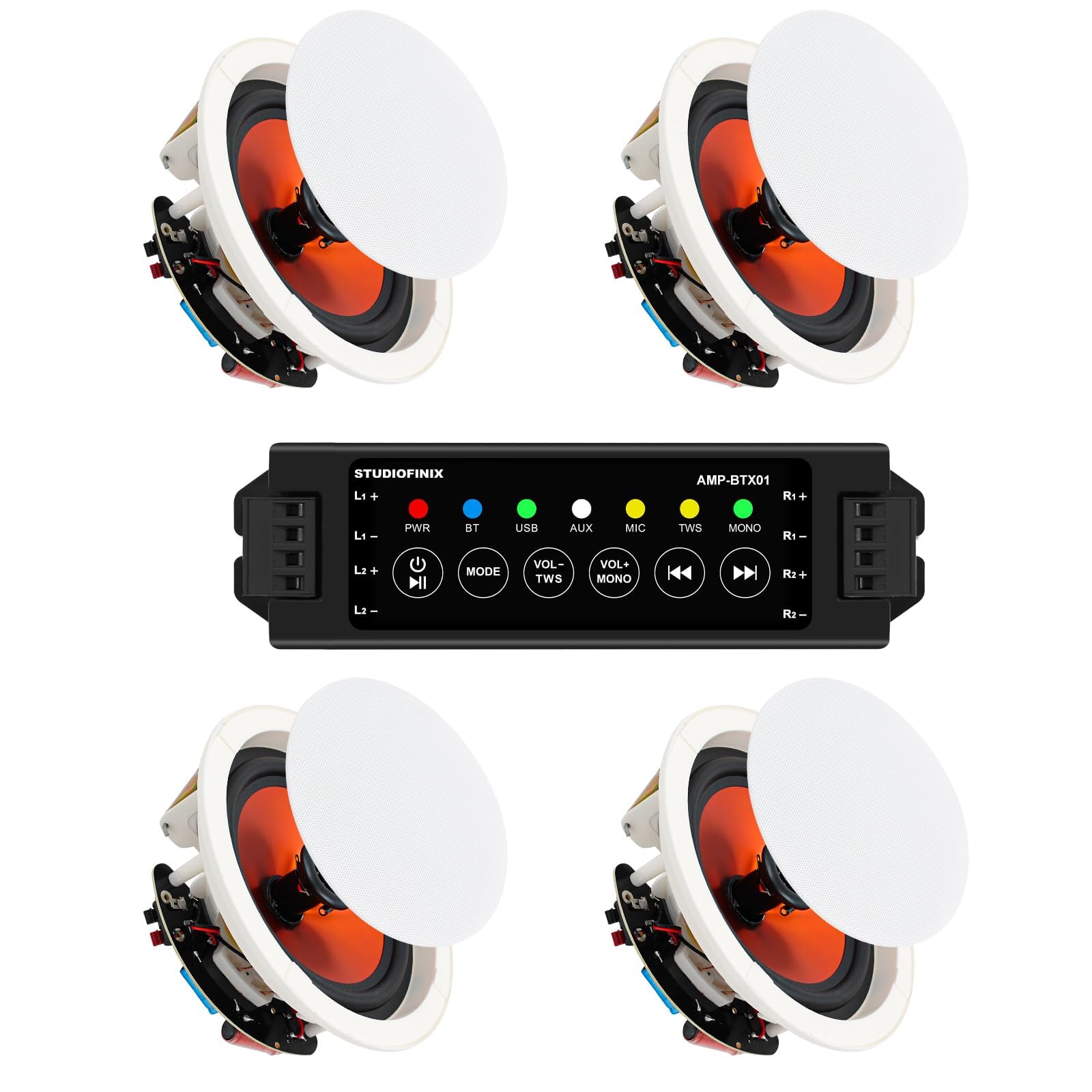
Who Should Buy the Best 8 Inch Ceiling Speakers
For Everyday Listening Rooms
If you want music throughout a living room or kitchen, look for a smooth, balanced sound that stays pleasant at low volume. Wide dispersion matters more than raw power here, because listeners move around the room. A speaker with a pivoting tweeter can aim the higher frequencies toward the main seating area.
For Home Theater Use
For movie sound, ceiling speakers usually serve as surround or height channels rather than the main front speakers. Match them to your existing system in tone and sensitivity so effects blend in instead of standing out. Check that your receiver or amplifier can drive the impedance and power needs of the set you choose.
For Large or Open Spaces
Open plan rooms, high ceilings, and hard floors all make sound spread and fade faster. You may need more speakers, spaced closer together, rather than one louder pair. Plan the layout on paper first, and leave access above the ceiling for wiring and future service.
Types of 8 Inch Ceiling Speakers Compared
Two Way Ceiling Speakers
A two way design pairs an 8 inch woofer with a tweeter for highs. This is the most common choice for music and television sound, because it covers the full range in one tidy unit. It suits most rooms and most budgets.
Three Way Ceiling Speakers
A three way design adds a dedicated midrange driver between the woofer and tweeter. Voices can sound clearer and instruments can feel more separated, which helps in larger rooms. The extra driver adds cost and depth, so check the mounting depth before you commit.
Moisture Resistant Models
Some ceiling speakers are built for bathrooms, covered porches, and kitchens, with sealed parts that resist humidity. They are not the same as fully outdoor speakers, so read the rating carefully. Use them where steam or damp air is a regular concern.
High Power Models
High power models handle stronger amplifiers and larger rooms without distortion at higher volume. They often need a sturdier ceiling and a receiver with enough clean power. They are a good fit for party spaces and big family rooms.
Key Features to Compare
Driver and Tweeter Design
The 8 inch woofer handles bass and lower midrange, while the tweeter handles detail and sparkle. A pivoting or aimable tweeter helps in rooms where seating sits off to one side. Soft dome tweeters tend to sound gentle, while harder domes can sound brighter.
Power Handling and Sensitivity
Sensitivity tells you how loud a speaker plays with a given amount of power. A higher sensitivity rating means your amplifier works less hard for the same volume. Match power handling to your amplifier so neither side is pushed past its comfortable range.
Frequency Response
Frequency response shows the range of sounds a speaker can reproduce. For an 8 inch ceiling speaker, solid bass down to a low but realistic point matters more than an extreme claim on paper. Room size and placement shape what you actually hear.
Mounting Depth and Cutout Size
Ceiling speakers need a cutout of a set size and enough depth above the ceiling. Measure joist spacing, ductwork, and insulation before ordering. A paper cutout or a careful measurement now prevents a frustrating return later.
Grille and Finish
Magnetic grilles sit flush and are easy to remove for painting or cleaning. A paintable grille helps the speaker disappear into the ceiling. Choose a finish that matches the room rather than one that draws the eye upward.
Placement and Installation
Place ceiling speakers so sound reaches the seating area evenly, not just one chair. A common starting point is to space pairs evenly across the room and keep them a sensible distance from walls and corners, where bass can build up. For stereo music, keep the left and right speakers balanced around the main listening spot.
Turn the power off before you cut or wire anything, and use speaker cable rated for in wall use where local rules require it. If you are unsure about cutting into a ceiling, running cable through joists, or matching an amplifier, ask a qualified installer for help. A neat, safe install protects both the speakers and the ceiling.
Care and Maintenance
Dust the grilles gently with a dry cloth or a soft brush, and remove them now and then for a deeper clean. Avoid spraying cleaner directly onto the speaker, since moisture can reach the driver. If a grille is paintable, repaint it only with a light coat so the holes stay open.
Listen for rattles after installation, since a loose grille or a wire touching the back of the speaker can buzz at certain notes. Tighten mounting clamps evenly and keep wires clear of moving parts. Small checks like these keep the sound clean over time.
Mistakes to Avoid
- Buying on driver size alone, without checking sensitivity, dispersion, and mounting depth.
- Placing speakers too close to corners, where bass can sound boomy and uneven.
- Skipping the amplifier match, then wondering why the sound is quiet or strained.
- Cutting the ceiling before checking for joists, pipes, and ductwork above it.
A Final Check Before You Order
Before you order, confirm the cutout size, mounting depth, impedance, and power needs against your ceiling and amplifier. Check how many speakers your room truly needs for even coverage, and whether you want aimable tweeters for off center seating. These details matter more than any single headline feature.
The related guides linked below cover nearby speaker sizes and types, including marine and midrange models, so you can compare the trade offs. Read them with your room in mind, and shortlist the type that fits your space, your system, and your budget. Related guides: best 8 inch speakers, best 8 inch midrange speakers, best 8 inch marine speakers, best 8 inch midbass speakers, best 8 inch powered speakers.
Frequently Asked Questions
How many 8 inch ceiling speakers do I need for one room?
It depends on room size, ceiling height, and how even you want the sound. A small room may sound fine with one pair, while a large open room often needs two pairs spaced evenly. Sketch the seating area first, then space speakers so no seat sits far outside the coverage of the nearest speaker. Adding a second pair in a long room usually improves evenness more than buying louder speakers for the same spots.
Are 8 inch ceiling speakers better than smaller ones?
An 8 inch driver usually gives fuller bass and an easier sound in larger rooms, because it moves more air. Smaller speakers can still sound excellent in small rooms and may fit shallow ceilings better. Choose by room size and mounting depth, not by driver size alone. Smaller speakers also need less ceiling depth, which can decide the choice in rooms with shallow ceiling voids.
Can I use ceiling speakers for home theater surround sound?
Yes, ceiling speakers often work well as surround or height channels in a home theater. They should blend with your front speakers in tone and volume, so set levels carefully after installation. For the main front channels, most listeners still prefer speakers at ear height. Level matching after installation matters greatly, since a loud height channel distracts while a quiet one disappears.
Do I need a special amplifier for ceiling speakers?
Most ceiling speakers work with a standard home receiver or amplifier, as long as impedance and power are matched. Multi room systems may need a dedicated amplifier or a speaker selector with protection. Check the speaker rating and your amplifier manual before wiring several pairs together.
Can ceiling speakers be painted to match the ceiling?
Many models come with paintable grilles that accept a light coat of ceiling paint. Paint the grille off the speaker and keep the holes clear so sound passes through. Avoid painting the driver itself, and let the grille dry fully before refitting it. Check a painted grille for sound blockage after painting, since thick paint can muffle higher frequencies noticeably.
Room by Room Planning
Start your plan room by room rather than buying one set for the whole house at once. A kitchen needs clear speech and music at low volume, while a living room may need wider coverage for several seats. Sketch each room, mark seating, and note ceiling height before choosing speaker count.
Think about how sound travels through open doorways and hallways, since open plan homes share sound between spaces. A speaker in a hallway can help or hurt, depending on whether it fills a gap or competes with the living room pair. Try a portable speaker in the planned spot before cutting any ceiling.
Consider future upgrades when you run cable, even if you buy only one pair now. Extra cable runs to likely future spots cost little during a first install and save major work later. Label every cable at both ends so future changes stay simple.
Finally, agree on a budget for the whole room, including cable, mounts, and any installer help, not just the speakers. A modest speaker with a careful layout often sounds better than an expensive speaker placed poorly. Spend planning time where it pays most.
Final Thoughts
Take your time with layout, amplifier matching, and mounting measurements, and the best 8 inch ceiling speakers for your home will be the ones that disappear into the room and simply sound right. The product table above gives a useful starting point, but your ceiling, your seating, and your listening habits should make the final call.
Order only after you have confirmed cutout size, depth, and power needs, and keep the manual and cutout guide for future service. With a careful install, ceiling speakers can give you clean, even sound for years without taking up a single inch of floor space.


