Best 10 Inch Powered Speakers: Budget, Midrange, and Premium Picks for 2026
Disclosure: We may earn a commission when you buy through links on this page, at no extra cost to you. As an Amazon Associate I earn from qualifying purchases. Learn more

DJs and event hosts: how to choose the best 10 inch powered speakers by budget, power, inputs and portability.
Prices for powered speakers stretch from under $150 to well over $600 each, and the spec sheets rarely explain what the extra money buys. Finding the best 10 inch powered speakers for your events means knowing which upgrades change real world sound and which ones only change the brochure. This guide sorts the market by budget so you can spend where it counts.
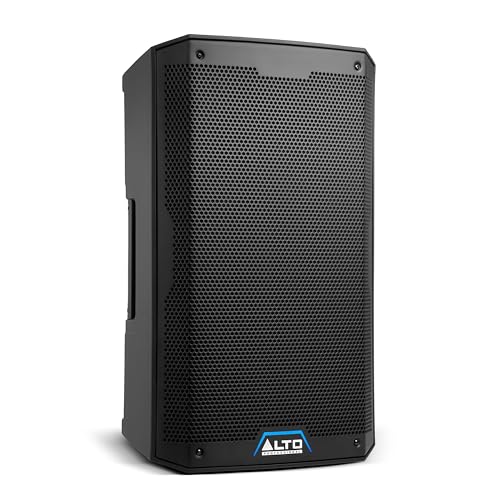
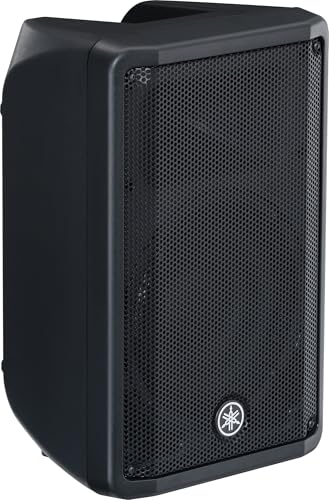
A powered speaker includes its own amplifier, so you skip a separate amp and rack. That convenience makes the 10 inch size a favorite for DJs, speakers, houses of worship, and small bands. Use the product table to see the options, then read on for what each price tier should deliver.



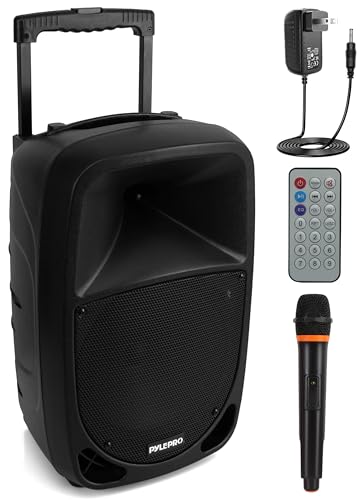
Three Buyer Profiles by Budget
Start by matching your typical event to one of these profiles. Each profile lists the traits worth paying for and the limits you should accept at that spend.
Budget Profile
The budget profile serves speeches, ceremonies, and small gatherings of up to about 50 people. Expect a molded plastic cabinet, one or two input channels, basic tone controls, and Bluetooth streaming for background music. Output is fine for voices and light music in quiet rooms. Around $150 to $250 per speaker is the normal range.
The limits are real, mainly less bass, fewer inputs, and a fan or hiss you may notice up close. For spoken word and small rooms, those limits rarely matter.
Midrange Profile
The midrange profile is the sweet spot for working DJs and regular event use. You gain a stronger amplifier, a proper small mixer section with microphone and line inputs, and better cabinet tuning for fuller sound. Crowds of about 100 to 200 people are realistic in most halls. Prices usually run around $300 to $450 per speaker.
This tier also tends to add pole mount options, monitor angle placement, and more honest power ratings. Most buyers should start their search here and move only with a clear reason.
Premium Profile
The premium profile targets large halls, outdoor events, and buyers who run sound every week. Pay for higher output, lower distortion at volume, advanced digital processing with room presets, and rugged cabinets with strong handles and grilles. Prices often reach around $500 to $700 per speaker or more. You also get better resale value and longer warranties at this level.
For a full comparison of bigger cabinets, see our guide to the best 15 inch powered speakers before you decide size matters more than quality.
What Your Money Gets You at Each Price Tier
Tiers differ in more than loudness. The details below show where each jump in price actually goes, so you can judge value instead of guessing.
Budget Tier: What to Expect
Budget models use lighter amplifiers, often rated by peak watts rather than continuous power, so treat big watt numbers with care. Cabinets are thinner plastic, which saves weight but can resonate at high volume. Inputs are minimal, usually one microphone channel and one music source. Tone control is a simple two band equalizer. This tier works when volume stays modest and events are short. It struggles outdoors, where you need headroom to fight open air and crowd noise.
Midrange Tier: The Sweet Spot for Most Buyers
Midrange models add continuous power ratings you can trust, cleaner limiters that protect the speaker without squashing music, and inputs for a microphone, an instrument, and a phone at once. Many include preset modes for music, speech, and stage monitor use. Cabinets are thicker and better braced, which tightens bass.
If you are weighing cabinet size against coverage, our guide to the best 12 inch powered speakers explains when the larger woofer earns its keep. For most event work, this tier ends the search.
Premium Tier: When Spending More Pays Off
Premium models spend money on processing, components, and build. Digital signal processing adds precise equalization, delay for distributed setups, and feedback control for microphones. Drivers use stronger magnets and better cooling, so output stays clean for long events. Cabinets may be wood or heavy composite with full grilles. You also get networking or app control on some models. Spending more pays off when events are paid, large, or outdoors, where failure or weak sound costs more than the upgrade.
Features Worth Paying For (and Ones to Skip)
Not every feature deserves your money. These five checks separate useful capability from decoration.
Placement and Room Size
A 10 inch powered speaker covers small to mid sized rooms well, roughly up to 2,000 square feet for speech and less for full music. Placement matters as much as power. Raise the speaker on a stand so the horn sits above head height, and keep it in front of microphones to reduce feedback. Two speakers on stands beat one speaker turned up louder, because coverage stays even.
If you also want other formats, compare with our guide to the best 10 inch speakers.
Battery Life and Charging
Only some powered speakers run on batteries, and those trade output for freedom from outlets. A realistic battery model gives about 6 to 12 hours at moderate volume, far less at full tilt. Charging often takes 4 to 6 hours, so plan around events. Battery power is worth paying for at outdoor ceremonies and street events with no power nearby. If every venue has outlets, skip battery models and put the same money into a stronger mains powered cabinet.
Sound Quality and Tuning
Judge sound by clarity at the back of the room, not bass in the store. A good powered speaker keeps voices intelligible at volume and lets you shape tone with at least a two or three band equalizer. Preset voicings for music and speech save setup time. Watch for published frequency response and maximum sound pressure level, stated in dB. Models that hide those numbers often hide weak output too.
Microphone and Mixer Inputs
Microphone quality on a powered speaker means the input stage, not a bundled microphone. Look for a balanced XLR input with clean gain and low hiss, since cheap inputs buzz when you raise them. A small mixer section with two or three channels lets one speaker handle a presenter, a laptop, and background music without extra gear. Echo or reverb effects are fun for karaoke but matter less than clean gain.
Portability, Weight and Mounting
You will move this speaker more than you play it, so weight and handles matter. Most 10 inch models weigh about 20 to 35 lb, and top plus side handles make stairs and stages far easier. A standard pole socket and a tilted monitor position add real flexibility for solo performers. Wheels are rare at this size and usually not needed. Skip models with a single awkward handle.
Long Term Costs to Factor In
The sticker price is only part of ownership. Budget for speaker stands, quality XLR and power cables, and a padded cover if you travel, which can add around $75 to $150 per speaker. Battery models will need a replacement battery after a few years of heavy use. Fans and amplifiers can fail, so a two or three year warranty is worth real money.
Smaller events may suit the cabinets in our guide to the best 8 inch powered speakers, which cost less to buy and move. Count total cost per event, not just purchase price.
10 Inch Powered Speakers: Your Questions Answered
What IP rating do powered speakers need for outdoor use?
Most powered speakers carry no IP rating and must stay dry, so plan on cover rather than relying on a rating. A few outdoor focused models offer splash resistance around IPX4, which handles light spray but not rain. For any outdoor event, keep the speaker under a canopy, elevate it off wet ground, and bring covers you can drop over it fast.
Are powered speakers better than passive speakers?
Powered speakers are better for most small and mid sized users because the amplifier is matched to the driver at the factory. You skip amp sizing, speaker cable runs carry only signal, and protection limiters are built in. Passive speakers still suit large installed systems with central racks and professional tuning. For portable events, the setup speed and predictable results of powered models usually win.
Wired or wireless: which connection sounds better for powered speakers?
A wired XLR connection sounds better and fails less often than Bluetooth for live events. Bluetooth is fine for background music and breaks, but it adds delay and can drop when crowds and walls block the signal. Use wired connections for microphones, main program audio, and anything timed to video. Keep Bluetooth as a convenience input, not your main plan.
How long does the battery last on portable powered speakers?
Battery powered models typically last about 6 to 12 hours at moderate volume on a full charge. Loud outdoor use can cut that figure in half, since bass heavy music draws the most current. Published runtimes usually assume low to medium volume, so treat them as best case numbers. If your event runs long, bring the power adapter and top up during breaks.
What does Class D amplification mean for powered speakers?
Class D amplification is the lightweight, efficient amp design used in nearly all modern powered speakers. It runs cool and keeps cabinet weight low, which is why a strong 10 inch speaker can weigh under 30 lb. Older Class AB designs sound fine but add heat and weight that portable users rarely want. Judge the speaker by output and clarity, not amp class alone.
The Bottom Line
Budget decides your tier, inputs decide your model, and placement decides your results. Buy the midrange tier unless your events are tiny or truly demanding, and spend the savings on stands and cables. When you compare the best 10 inch powered speakers for your calendar of events, use the product table and let crowd size, not watt claims, guide the final call.