
Best 8 Inch Speakers: Buying Guide for 2026
Disclosure: We may earn a commission when you buy through links on this page, at no extra cost to you. As an Amazon Associate I earn from qualifying purchases. Learn more

Learn how to choose the best 8 inch speakers, with clear guidance on types, fit, power and care.
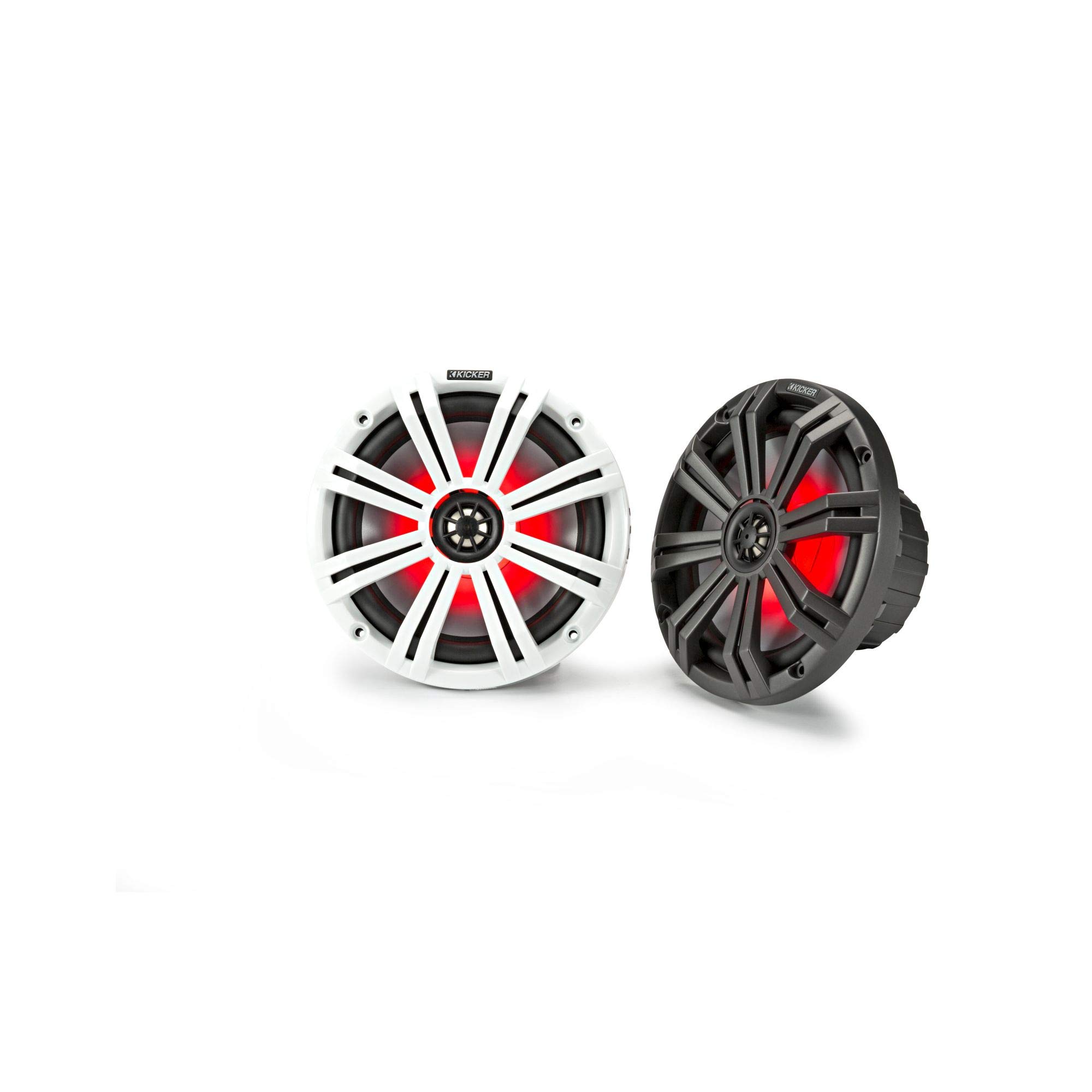
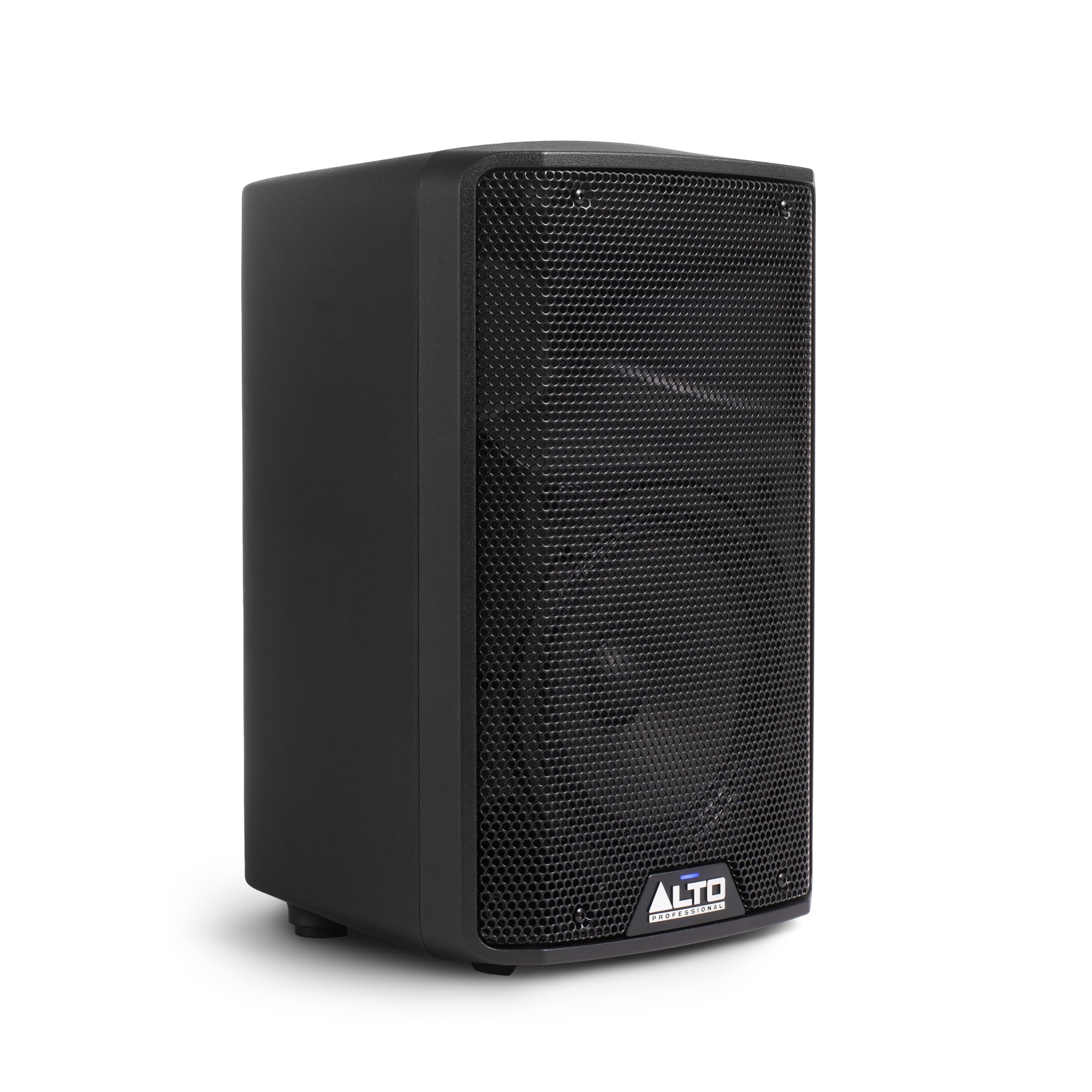
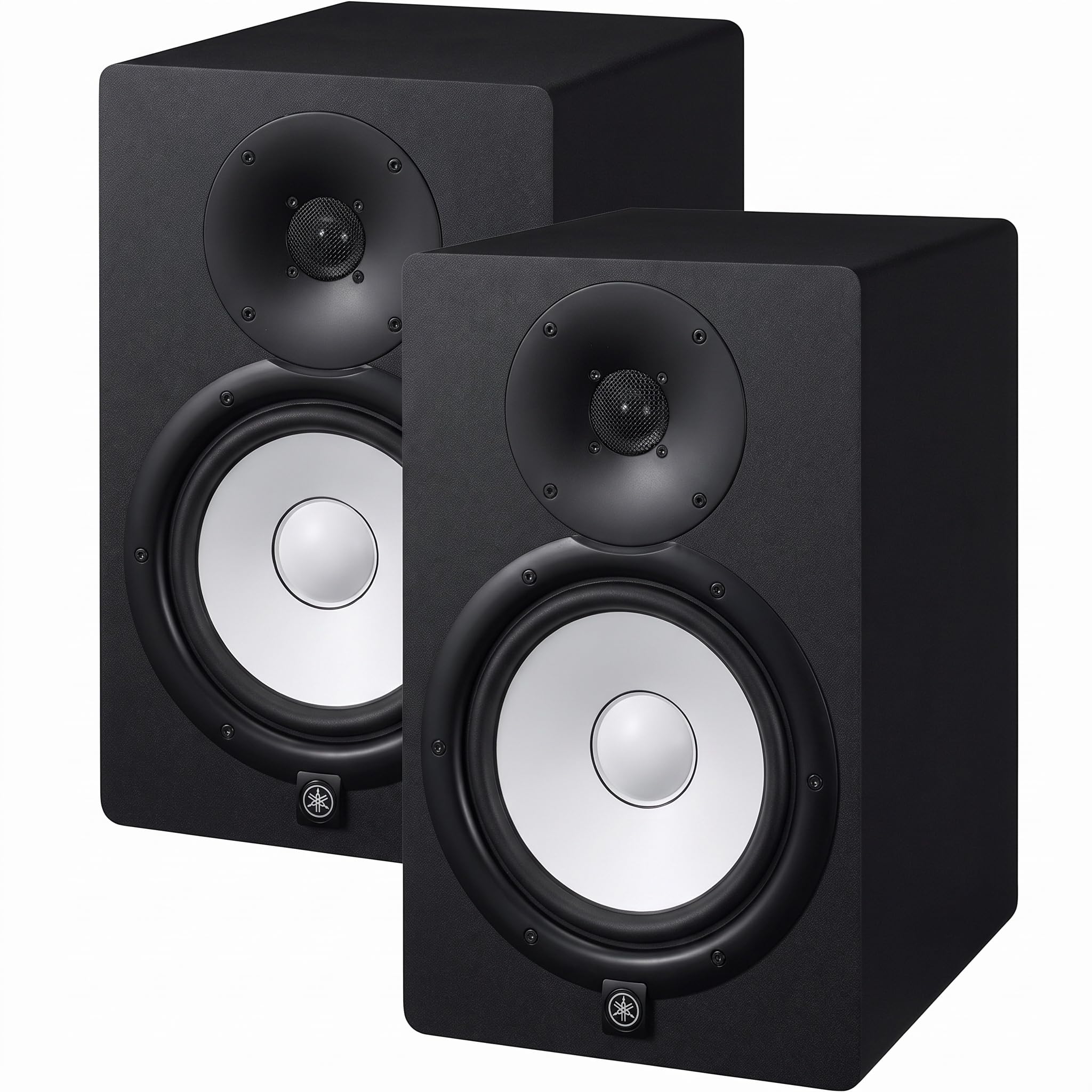
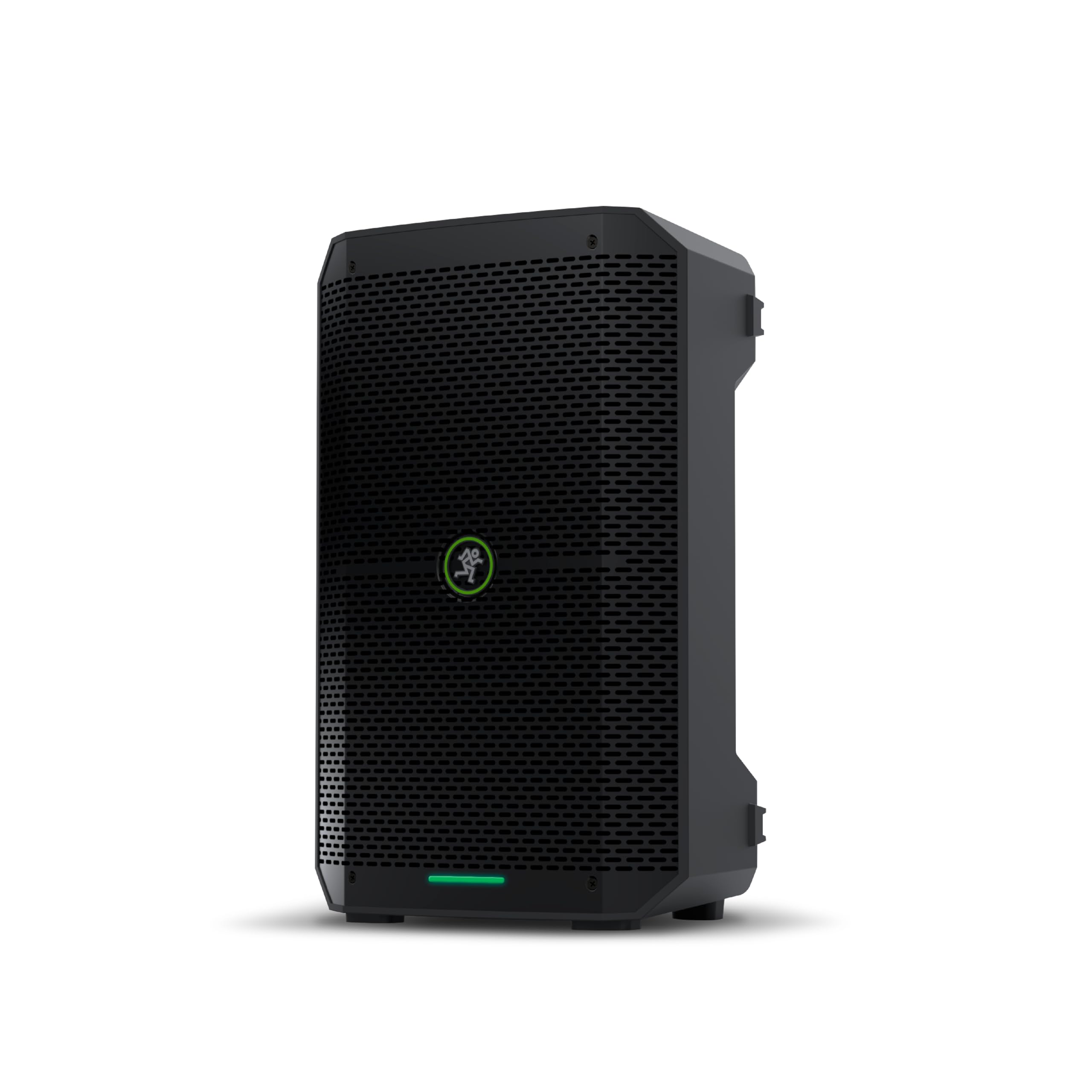
An 8 inch woofer sits in a useful middle ground: large enough for real bass and easy volume, small enough to fit a shelf, a door or a ceiling. The best 8 inch speakers are the ones built for the job you have in mind, because the same driver size appears in car doors, boats, studios, living rooms and small venues, and each use asks for different features. This guide sorts those uses so you can pick the right type first and the right model second.
Use the product table below for a quick side by side view, then read the sections on types, features and mistakes. Comfort and looks matter, but placement, power and weather exposure usually decide whether an 8 inch speaker sounds good where you put it.





Who Should Buy 8 Inch Speakers?
Music Lovers in Medium Rooms
A pair of 8 inch bookshelf or powered speakers gives fuller bass than 5 or 6 inch models and fills a living room or den without a subwoofer. Look for smooth tone, a solid cabinet and inputs that match your TV and phone.
Home Theater and Whole Home Audio Users
Ceiling and in wall 8 inch speakers deliver surround or background music without taking floor space. They need a cutout, ceiling depth and an amplifier that matches their impedance.
Studio and Live Sound Users
Powered 8 inch monitors and PA speakers give a compact, self contained rig for mixing, rehearsal and small events. Choose balanced inputs and enough headroom for peaks.
Car and Boat Audio Builders
Door, midbass and marine 8 inch drivers upgrade vehicles and boats where space allows. Fit, depth and weather resistance matter as much as sound.
Key Features to Compare
Size, Depth and Room Fit
An 8 inch speaker can fill a medium room without dominating it, but placement still matters. Give a bookshelf model breathing room from walls, and check cabinet or mounting depth before you order.
Bass Extension Versus Clarity
A larger woofer can reach lower bass, yet it must stay controlled to keep voices clear. Listen for bass that supports music rather than overwhelming it, especially in smaller rooms.
Power and Sensitivity
Check recommended amplifier power and sensitivity together, not power alone. An efficient speaker plays loudly on a modest amplifier, while a less efficient model needs more headroom. Powered models skip the matching step because the amplifier is built in.
Cabinet Build and Vibration
A solid, braced cabinet reduces buzz and coloration, which matters more as volume rises. Check joints and feet, and avoid placing a speaker on a hollow surface that can resonate.
Moisture and Weather Resistance
Only marine and outdoor models are built for spray and sun. Indoor speakers should stay dry, so match the rating to where the speaker will live.
Types of 8 Inch Speakers Compared
Bookshelf and Floor Standing Speakers
Bookshelf models suit desks, shelves and smaller rooms with a balance of bass and clarity. Floor standing models use larger cabinets for deeper bass and higher output in bigger rooms.
Powered and Studio Speakers
Powered 8 inch speakers include an amplifier, which simplifies setup for studios and small rooms. They suit buyers who want a complete system without choosing a separate amplifier.
Ceiling Speakers
Ceiling models disappear into the room and spread sound evenly, which suits kitchens, living rooms and home theaters. See our guide to the best 8 inch ceiling speakers for cutout and wiring details.
Marine Speakers
Marine models add UV stable cones, sealed parts and corrosion resistant hardware. Our guide to the best 8 inch marine speakers covers ratings and mounting.
Midrange, Midbass and Car Drivers
These are components, not complete speakers, and they need a crossover and an enclosure or door mounting. Read our guides to the best 8 inch midrange speakers and the best 8 inch midbass speakers before building a system, and see the best 8 inch powered speakers for all in one options.
What Your Money Gets You
Basic 8 inch drivers and simple ceiling pairs cost about $50 to $150. Mid priced speakers at about $150 to $400 add better cones, cabinets and sealing. Premium powered monitors and high end ceiling or marine pairs run about $400 to $1,000 or more for a pair, mainly for lower distortion, stronger amplifiers and finer build.
How to Place and Set Up 8 Inch Speakers
Placement changes sound more than most spec differences. For bookshelf and powered pairs, put the tweeters near ear height, form a triangle with your seat, and keep both cabinets the same distance from side walls. Pull them a few inches from the back wall to tighten bass, and use stands or isolation pads to stop the cabinet from exciting the shelf or desk.
For ceiling and in wall models, space pairs evenly across the room so every seat gets even coverage, and leave service access above the ceiling. For car and boat drivers, seal the mounting surface and set crossover points before judging the sound. Listen at normal volume for a few days, then adjust bass and treble in small steps.
Whatever the type, match the speaker to the amplifier before you turn it up. Check impedance and power ratings, set gains conservatively, and stop if you hear distortion. Clean power at moderate volume protects drivers and sounds better than loud, clipped power.
Common Mistakes to Avoid
- Buying on driver size alone without checking cutout, depth and cabinet size.
- Pairing speakers with an amplifier that cannot supply their rated power or impedance.
- Putting indoor speakers where moisture or sun can reach them.
- Choosing on peak watts instead of RMS power and sensitivity.
- Placing speakers tight in corners, which makes bass boomy.
Care and Longevity
Keep speakers away from direct sunlight and damp, tighten stand bolts occasionally, and avoid driving them into distortion. Dust grilles with a soft brush and check wiring and connections now and then. A stable placement and a clean amplifier signal keep the sound balanced for years.
A Final Check Before You Order
Before you commit to the best 8 inch speakers on your shortlist, revisit your main use for the speaker and rank the features that matter for it: fit, power, weather exposure and inputs. Confirm measurements and compatibility, and check that returns and warranty cover are clear. Keep the packaging until you have used the speaker for a few days, because placement and fit problems often show only in real use.
Frequently Asked Questions
How do I choose the right size for 8 inch speakers?
Measure the space the speaker must fit, including depth, and the room it must fill. A bookshelf pair suits rooms up to about 300 square feet, while larger rooms may want floor standing or powered models. Check the cutout or cabinet dimensions, not just the driver label.
What features matter most in 8 inch speakers?
The features tied to your use: power and sensitivity for car and home drivers, inputs for powered speakers, and weather resistance for marine models. Compare those before looking at extras.
Do 8 inch speakers need a subwoofer?
Not always. An 8 inch woofer reaches decent bass for music, and many rooms sound full without a subwoofer. Add one if you watch a lot of movies or want deep, room filling lows.
How much should I spend on 8 inch speakers?
A useful range is about $100 to $400 for most everyday needs. Spend more only for features you will use, such as better sealing, lower distortion or stronger amplification.
How do I care for 8 inch speakers?
Keep them dry and out of direct sun, clean grilles gently, and check connections and mounting screws on a regular schedule. Avoid running them into distortion, which stresses voice coils.
Final Thoughts
Choosing the best 8 inch speakers comes down to the type that fits your use, then fit, power and care rather than headline claims. Use the product table above to compare options, check size and compatibility before you order, and pick the speaker that matches how you will actually use it.


