Best 8 Inch Midrange Speakers in 2026: A Practical Buying Guide
Disclosure: We may earn a commission when you buy through links on this page, at no extra cost to you. As an Amazon Associate I earn from qualifying purchases. Learn more

Learn what the best 8 inch midrange speakers do, and how to match power, crossover and enclosure for clear vocal sound.
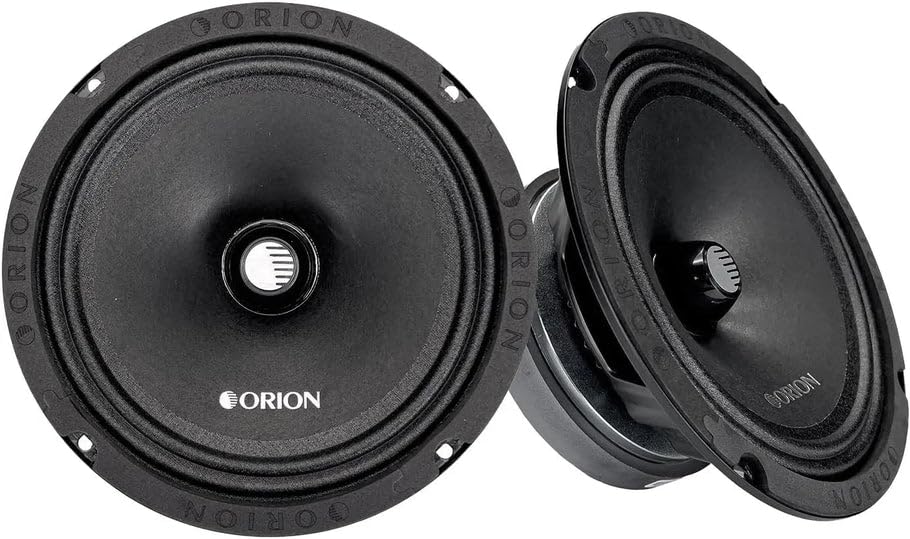
The midrange is where voices and most instruments live, so the best 8 inch midrange speakers can change how natural a system sounds. An 8 inch midrange driver is larger than the small midrange units in many home speakers, which gives it a fuller voice in larger rooms and louder systems. The product table below lets you compare the main options side by side.
This guide explains where a dedicated midrange fits, how it differs from a woofer or a full range driver, and what to check before buying. It is written for listeners building or upgrading a multi driver system, not for shoppers looking for a single all in one speaker.



Who Should Buy Which Type
For Home Audio Builders
If you are building speakers or upgrading a home system, a dedicated midrange lets you tune voices separately from bass and treble. You will need a crossover plan and an enclosure that suits the driver. Take time to learn the basics before cutting wood or ordering parts.
For Car Audio Upgraders
In car systems, an 8 inch midrange often fits in doors or custom panels where a larger driver can play vocals with ease. Space, mounting depth, and door treatment all affect the result. A well sealed door panel matters as much as the driver itself.
For Live Sound and PA Use
In live sound, midrange drivers carry speech and instrument clarity over distance and crowd noise. Power handling, sensitivity, and horn or waveguide pairing matter here. Choose drivers rated for sustained use, not just brief peaks.
Types of 8 Inch Midrange Speakers Compared
Sealed Back Midrange Drivers
Sealed back drivers have their own small enclosure built in, which simplifies mounting and protects the rear wave. They suit doors, panels, and tight spaces where a separate chamber is hard to build. They trade some low end extension for easy installation.
Open Back Midrange Drivers
Open back drivers need a proper enclosure or chamber behind them to sound their best. They can offer more flexibility in tuning when the enclosure is designed well. They suit custom builds where the builder controls the cabinet.
Pro Audio Midrange Drivers
Pro audio midrange drivers are built for high output and sustained use in PA systems. They usually have high sensitivity and rugged construction. They can sound forward or bright, so crossover and horn choices need care.
High Fidelity Midrange Drivers
High fidelity midrange drivers focus on smooth, natural voices and low distortion at normal listening levels. They often need careful crossover design to shine. They suit home listening rooms where accuracy matters more than sheer volume.
Key Features to Compare
Frequency Range and Crossover Point
A midrange driver covers roughly the voice band, but exact limits vary by model. The crossover point decides where the woofer hands over to the midrange and where the midrange hands over to the tweeter. Smooth overlap at both points matters more than any single number.
Sensitivity and Power Handling
Sensitivity tells you how loud the driver plays with a given power input, which affects amplifier choice. Power handling should match how loud you listen and how much headroom you want for peaks. In multi driver systems, balance across drivers matters more than one driver playing loud.
Cone Material and Breakup
Cone material shapes how the driver behaves near the top of its range, where breakup can add harshness. Paper, polypropylene, and treated composites each have strengths and trade offs. A well designed crossover keeps the driver working in its clean range.
Impedance and Amplifier Match
Impedance affects how much current the amplifier must deliver and how the crossover behaves. Match the driver impedance to your amplifier and crossover design. Mixing impedances without a plan can change levels and tuning in surprising ways.
Mounting Depth and Cutout
An 8 inch driver needs a solid baffle, a correct cutout, and enough depth behind it. Vibration from a weak baffle muddies voices, so mount firmly and seal gaps. Check depth against doors, panels, and cabinets before ordering.
Enclosure and Crossover Basics
Give the midrange a suitable chamber or sealed space, and keep it isolated from the woofer back wave where the design requires it. A leaky or resonant chamber lets bass energy blur voices. Use damping material as the design calls for, and avoid stuffing a chamber at random.
Set crossover points and slopes to keep each driver in its comfortable range, then listen and adjust in small steps. Measurement tools help, but careful listening at normal volume is still essential. If you are new to crossover design, start with a proven design or ask an experienced builder for guidance.
Care and Maintenance
Keep drivers dry and dust free, and check mounting screws now and then, since vibration can loosen them over time. A loose driver buzzes and loses clarity, especially on voices. Tighten evenly and replace worn gaskets when you service a cabinet.
Avoid pushing a midrange far below its intended range, since excess excursion can damage it and muddy the sound. If voices sound strained or harsh, check crossover settings and amplifier levels before assuming the driver is at fault. Small adjustments often fix big problems.
Mistakes to Avoid
- Using an 8 inch midrange as a woofer, then wondering why bass sounds thin or the driver strains.
- Skipping crossover design and wiring drivers directly to an amplifier.
- Mounting a driver in a weak or leaky baffle that vibrates and colors voices.
- Choosing on size alone, without checking frequency range, sensitivity, and enclosure needs.
A Final Check Before You Order
Before you order, confirm the frequency range, sensitivity, impedance, mounting depth, and enclosure type your design needs. Sketch the full system, including woofer, midrange, tweeter, and crossover, so each part has a clear job. This planning step saves far more time than it costs.
The related guides linked below cover nearby 8 inch speaker types, so you can compare ceiling, marine, and midbass models against dedicated midrange drivers. Read them with your system in mind, and shortlist the driver that fits your design. Related guides: best 8 inch speakers, best 8 inch marine speakers, best 8 inch ceiling speakers, best 8 inch midbass speakers, best 10 inch midrange speakers.
Frequently Asked Questions
What does a midrange speaker actually do?
A midrange speaker reproduces voices and most instruments, sitting between the woofer bass and the tweeter treble. In a multi driver system, it lets each driver work in its cleanest range. The result is usually clearer speech and more natural sounding music. Voices also reveal cabinet resonances quickly, so a solid, well damped baffle improves midrange clarity greatly.
Can an 8 inch midrange play bass on its own?
It can play some lower midrange, but it is not a substitute for a proper woofer or subwoofer. Pushing it too low causes strain and distortion. Pair it with a woofer for bass and a tweeter for highs for a balanced system. A subwoofer crossed over cleanly lets the midrange focus on voices instead of struggling with deep bass.
Do I need a crossover for a midrange driver?
Yes, in almost every multi driver system. A crossover sends each driver only the frequencies it handles well and protects it from energy outside its range. Without one, drivers overlap, strain, and sound muddy. Active crossovers offer easier tuning than passive ones, though they need extra amplifier channels and careful level matching.
What size enclosure does an 8 inch midrange need?
It depends on whether the driver is sealed back or open back, and on the design goals. Sealed back drivers need less planning, while open back drivers need a chamber sized for the driver. Follow the maker guidance or a proven design rather than guessing. Stuffing density inside a chamber changes its effective size, so follow design guidance rather than guessing amounts.
Why do voices sound harsh through my midrange?
Harshness often comes from a crossover point set too high, a breakup peak left uncontrolled, or a resonant baffle. Check crossover settings, mounting, and damping before replacing the driver. Small tuning changes often solve the problem. Measuring with a simple microphone can confirm what your ears suspect about peaks and dips.
Voicing Your System
Voicing a system means tuning how it sounds in your room, not just assembling parts that measure well, and it is where the best 8 inch midrange speakers prove their worth. Start with crossover points that keep the midrange in its clean range, then listen to familiar voices and acoustic instruments. Voices reveal tuning problems faster than any reference tone.
Room reflections shape midrange more than many builders expect, especially bare walls and hard floors near the speakers. Soft furnishings, rugs, and careful speaker placement tame harsh reflections without expensive treatment. Move speakers a few inches at a time and listen again before changing electronics.
Keep notes on every crossover change, including component values and listening impressions, so you can return to a good setting. Random changes without notes lead to endless tweaking and lost progress. A simple notebook beats memory after a dozen small adjustments.
Finally, judge the system at your normal listening volume, not at maximum output. A midrange that sounds smooth at everyday levels and stays clean on peaks is doing its job. Chasing extreme volume often sacrifices the natural voices that make music enjoyable.
Final Thoughts
Plan the whole system first, and the best 8 inch midrange speakers for your build will be the ones that let voices sound natural and relaxed. The product table above gives a useful starting point, but your crossover, enclosure, and listening room should make the final call.
Order only after you have confirmed range, sensitivity, impedance, and mounting needs, and keep your design notes for future tuning. With careful planning, a dedicated midrange can lift an entire system.