
Best 8 Inch Powered Speakers: Buying Guide for 2026
Disclosure: We may earn a commission when you buy through links on this page, at no extra cost to you. As an Amazon Associate I earn from qualifying purchases. Learn more

Compare the best 8 inch powered speakers by amplifier power, inputs, cabinet size and room fit with this buying guide before you spend on a pair.
Powered speakers carry their own amplifiers, so you skip the receiver, run a cable from your source, and start listening. An 8 inch woofer is the size where that simple setup gains real bass weight, which makes it popular for living rooms, home studios, and small venues. This guide helps you choose the best 8 inch powered speakers for your room and sources, using the product table below to compare power, inputs, and cabinet size side by side.
The sections ahead explain what amplifier wattage actually delivers, which inputs you need for a turntable, a TV, or a laptop, and how placement changes bass more than most specification sheets admit.
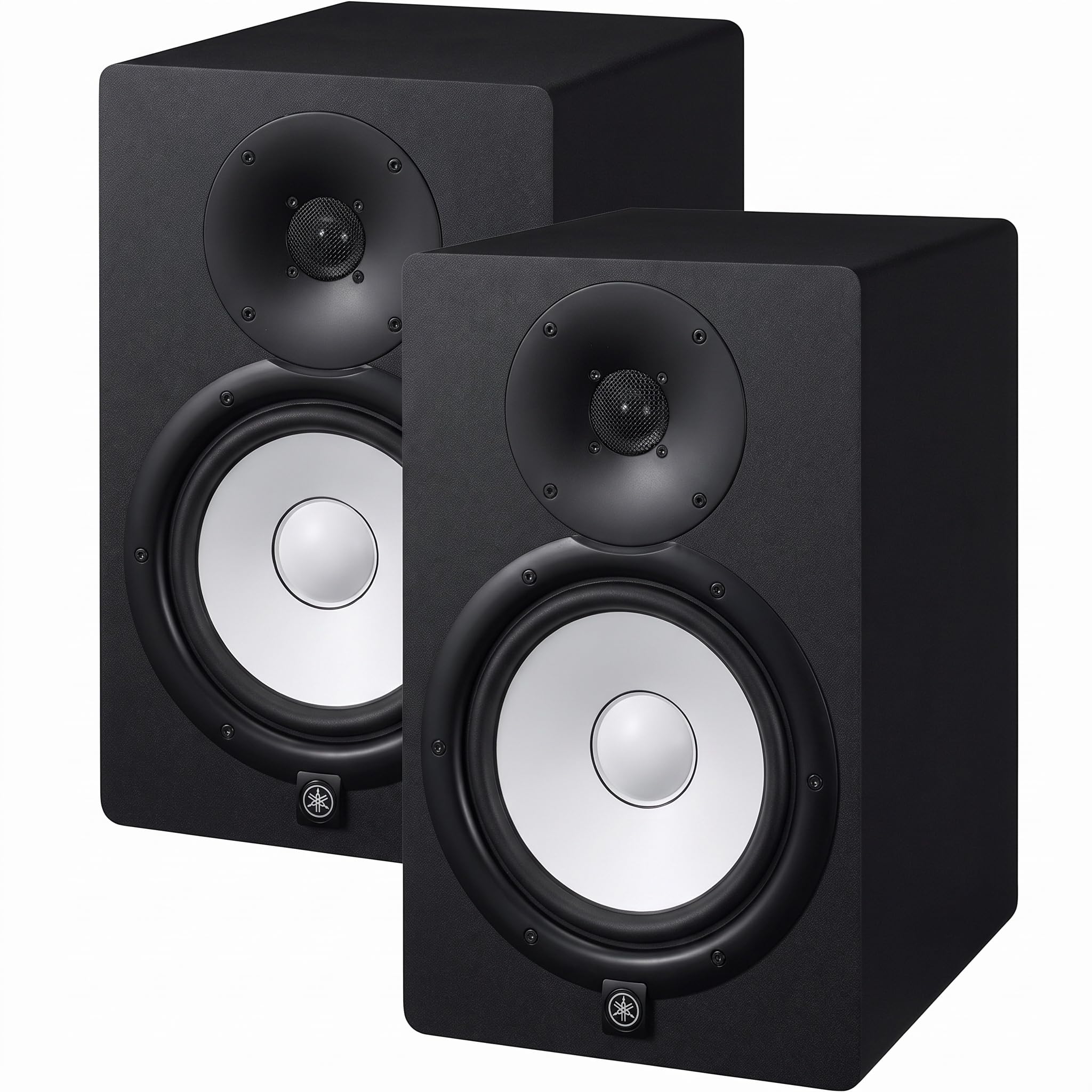

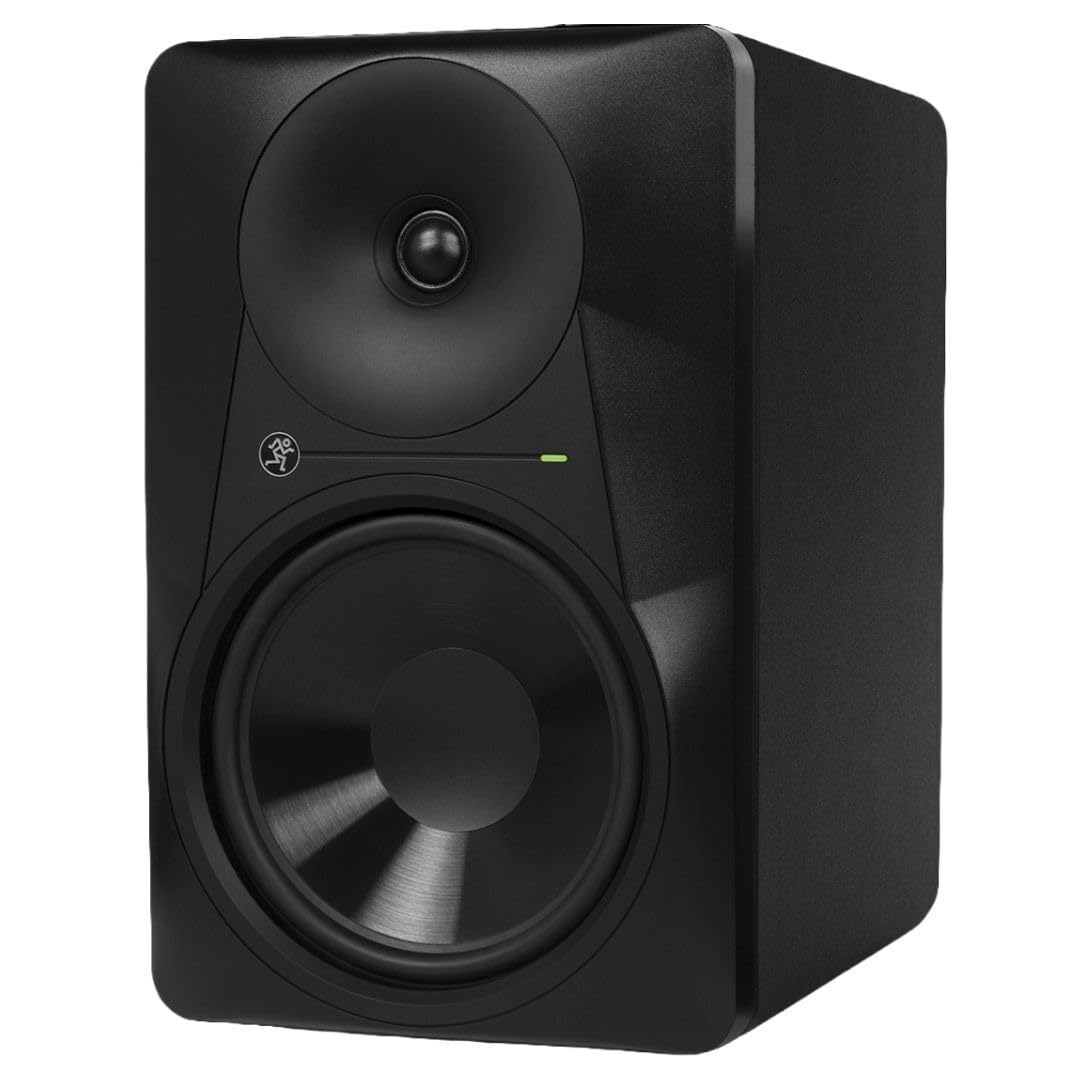


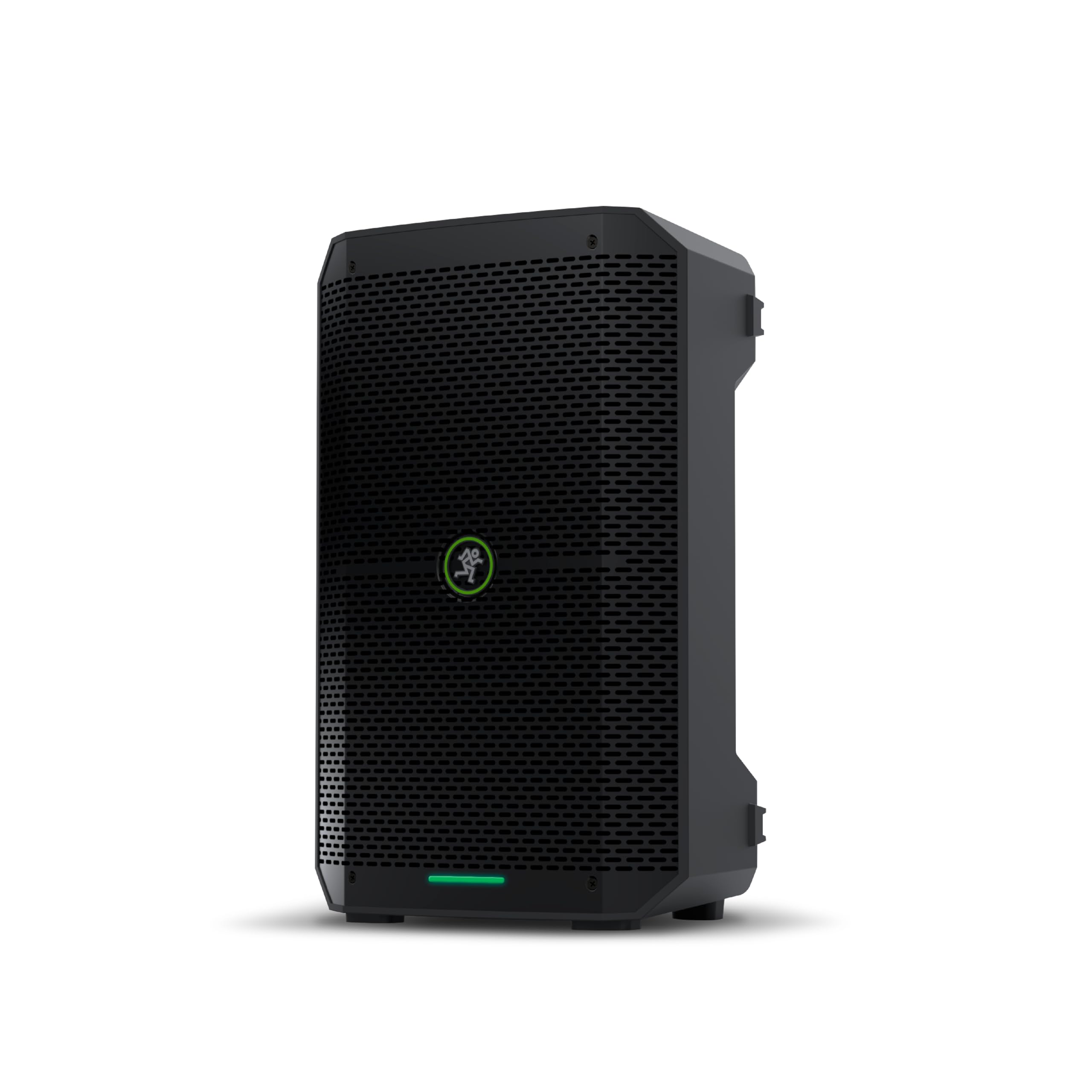
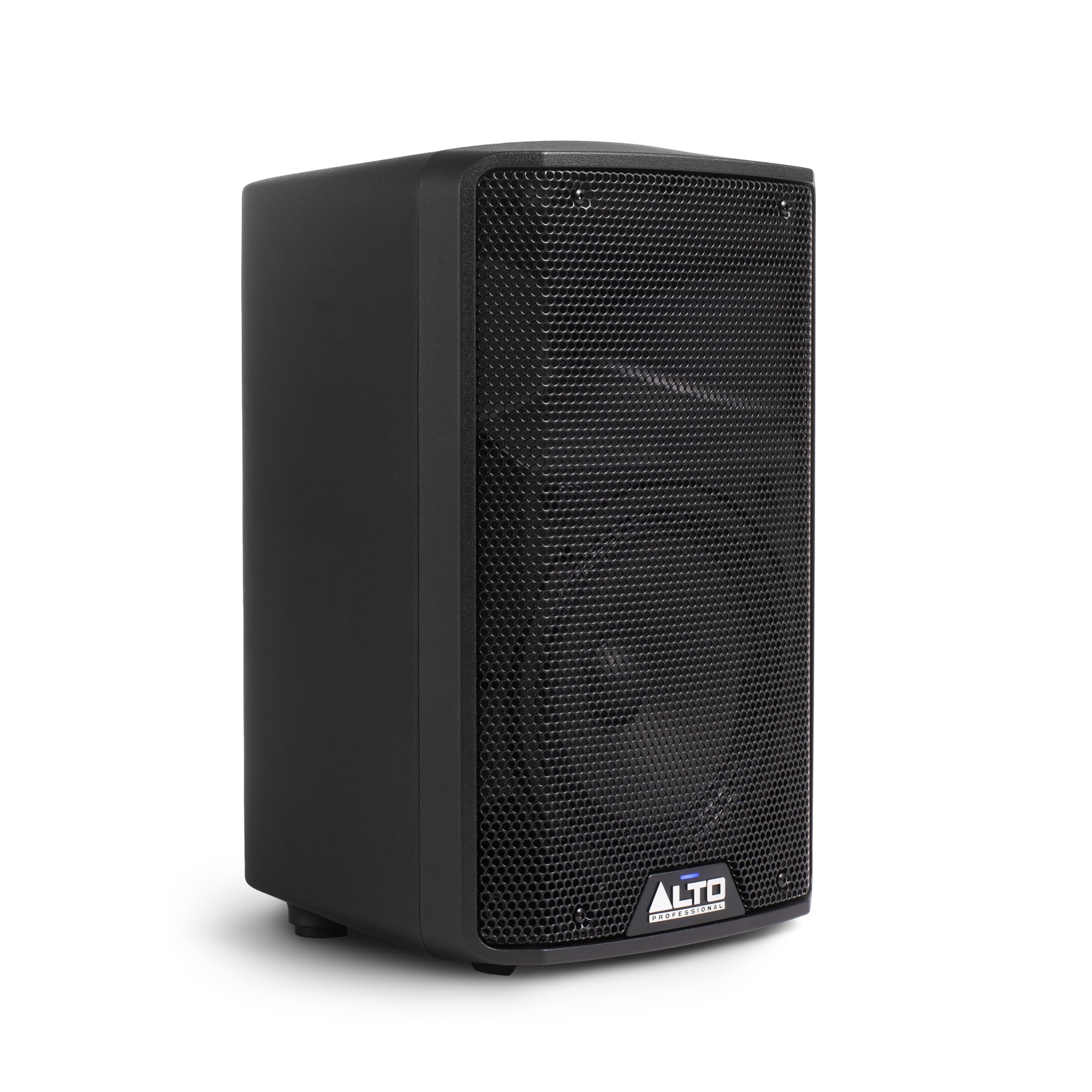


Spec Profiles at a Glance
This section profiles the three specification patterns that cover most buyers, without naming any model. Find the pattern that matches your room in the product table above, then check individual listings against it.
The Balanced Profile
The balanced profile combines a genuine 100 to 200 watts of total amplifier power, balanced and unbalanced inputs, and simple tone controls for taming a lively room. Frequency response should reach the low 40 Hz region without heroic claims, and the cabinet should feel solid with no buzz at volume. This tier suits a main living room or a serious desk setup and usually costs about $300 to $600 per pair. It is the safest choice when one system must handle music, films, and everyday streaming.
The Value Profile
The value profile keeps the essentials and trims the extras. Expect roughly 50 to 100 watts per pair, Bluetooth streaming, one or two wired inputs, and a compact remote. Bass will be lighter than the tier above, but clarity at normal listening levels is close. Prices often land around $150 to $300 per pair. Choose this profile for bedrooms, offices, and first systems, and put the savings toward decent stands, which improve the sound of any speaker you buy.
The Upgrade Profile
The upgrade profile adds stronger amplifiers, heavier cabinets, room correction or detailed EQ in a companion app, and inputs such as optical and USB for direct digital connection. Better woofer motors and waveguides keep distortion low when you listen loudly or sit close. Expect about $600 to $1,200 per pair. This tier suits home studio work and listeners upgrading from a soundbar who want stereo imaging and bass that a slim bar cannot produce.
How to Choose the Best 8 Inch Powered Speakers: Buying Guide
Sound Quality and Tuning
Start with frequency response and driver quality. An 8 inch woofer paired with a well designed tweeter and waveguide gives wide, even coverage, so the sound stays balanced when you move around the room. Look for honest response figures quoted with a tolerance, such as plus or minus 3 dB, rather than a bare range. Gentle bass and treble controls help you adjust for placement near walls or in bright rooms. Neutral tuning suits studio use, while a slightly warmer tune flatters everyday listening at low volume.
Cabinet Size and Weight
Powered cabinets house an amplifier, so they run larger and heavier than passive speakers of the same driver size. Measure your shelf or stand depth before ordering, and leave a few inches behind the cabinet for cables and any rear bass port. A pair can weigh about 30 to 50 lb in total, which matters for wall brackets and glass shelving. Heavier, well braced cabinets usually resonate less, but confirm your furniture can carry the load before choosing the largest option.
Noise Floor and Room Behavior
Powered speakers can hiss faintly at idle because each cabinet holds an amplifier close to the drivers. Quality designs keep that noise inaudible beyond arm length, which matters for nearfield desk use. Balanced inputs such as XLR or TRS reduce hum when cables run near power supplies. Room echo affects any speaker, and simple steps help: soft furnishings, a rug, and pulling speakers a little away from corners. Unlike headphone style noise cancelling, nothing electronic removes room noise here, so placement and source quality do the work.
App and Control Features
Some powered speakers add an app with EQ presets, firmware updates, and input naming, while others rely on physical knobs alone. Apps are convenient for fine tuning from your seat, but knobs never need a phone update to keep working. Check Bluetooth version and codec support if you stream often, and confirm whether a pair links in true stereo over wireless or needs a cable between cabinets. If you plan a turntable setup later, a built in phono input saves buying a separate phono stage.
Placement and Room Size
An 8 inch woofer fills rooms up to roughly 300 square feet with ease and can overwhelm a tiny bedroom at high volume. Place speakers so the tweeters sit near ear height, form a triangle with your seat, and keep both cabinets the same distance from side walls. Rear ported designs need breathing room behind them, while front ported or sealed designs tolerate shelves and wall proximity. Stands that isolate the cabinet from the desk or floor tighten bass noticeably, as our overview of the best 8 inch speakers also notes when comparing driver sizes.
Power and Inputs
Most home powered speakers plug into a wall outlet and have no battery at all, so battery life figures apply only to the small portable corner of this category. What matters for plugged in models is amplifier power per channel, quoted in RMS terms, plus a standby mode that keeps energy use low. Count your inputs before buying: optical for a TV, USB or Bluetooth for a computer and phone, and RCA or balanced inputs for other gear. If low bass duties will be shared, read our guide to the best 8 inch midbass speakers for how dedicated midbass drivers differ from full range powered designs.
Durability and Moisture
Indoor powered speakers rarely carry an IP rating, and they should stay dry. If your use involves a covered patio or a workshop, look for models that state splash resistance such as IPX4 and keep connections covered. For genuinely wet or outdoor locations, a different category serves you better, and our guide to the best 8 inch marine speakers explains the sealing standards involved. At home, durability mostly means solid cabinets, metal grilles where kids or pets roam, and controls that feel firm rather than loose.
Types of 8 Inch Powered Speakers
Outdoor and Rugged Models
Rugged powered models add sealed cabinets, tougher grilles, and sometimes battery power for patios and events. Output matters more than fine detail outdoors, and prices reflect the weatherproofing. Choose them for regular outdoor use rather than as living room speakers, where their tuning can sound blunt.
Low Noise Models
Some powered speakers are marketed on low noise amplifier design or room correction features. Treat such claims as a prompt to check the idle hiss specification and any EQ tools included. Buyers sensitive to background noise should prioritize low self noise figures and balanced connections.
Wireless and Bluetooth Models
Bluetooth equipped pairs simplify streaming from phones and laptops and keep cable runs short. Sound quality is strong for casual listening, though a wired connection still gives the most stable result for critical work. If you mix sources, look for models that combine Bluetooth with optical and analog inputs, like many designs compared alongside the best 8 inch midrange speakers in component based systems.
Home and Bookshelf Models
Bookshelf style powered speakers are the mainstream choice for music and TV in small to midsize rooms. They balance bass reach, cabinet size, and price, and they pair well with a small subwoofer later if you want deeper lows for films. For rooms where speakers sit high or flush with the ceiling instead, our guide to the best 8 inch ceiling speakers covers that separate installation style.
Setup and Care Tips
- Keep firmware updated. App connected models gain input and Bluetooth fixes over time, so check for updates after setup and a few times a year.
- Set levels before EQ. Match both cabinets to the same volume setting first, because a simple level mismatch sounds like a tuning problem.
- Protect the drivers. Keep grilles on in busy rooms and dust cones gently with a soft brush rather than pressing on them.
- Avoid max volume for long sessions. Built in limiters help, but sustained clipping still stresses amplifiers and tweeters.
- Route cables with slack. Tight cables strain the input outlets, which are the most common failure point on powered cabinets.
- Ventilate the amplifier plate. Leave space behind the cabinet so the amp section sheds heat during long listening sessions.
8 Inch Powered Speakers: Your Questions Answered
How long does the battery last in 8 inch powered speakers?
Most models have no battery and run from a wall outlet, so runtime is unlimited while plugged in. The smaller portable group with internal batteries typically plays about 8 to 20 hours per charge depending on volume. If all day unplugged playback matters, confirm the battery figure is quoted at moderate volume rather than at a whisper.
What IP rating do I need for outdoor use?
For a covered patio, IPX4 splash resistance is a reasonable minimum, and connections should face down or sit under cover. Fully exposed locations need higher ratings and marine grade construction. Standard indoor powered speakers carry no rating at all, so treat them like any other electronics and keep them dry.
Do I need a subwoofer with 8 inch powered speakers?
Not for music in most rooms, because an 8 inch woofer reaches the low 40 Hz region in a good cabinet. Add a subwoofer if you watch a lot of movies or want deep bass at low volume. Look for models with a subwoofer output or a high pass filter.
How far apart should I place 8 inch powered speakers?
Form a triangle with your listening seat, with the speakers about as far apart as each is from you, and keep the tweeters near ear height. Pull them a few inches from side walls and corners, and keep both cabinets the same distance from the walls.
Wired or wireless: which sounds better for powered speakers?
Wired connections sound slightly better and never drop out, so they suit TVs, turntables, and studio work. Wireless streaming wins for phones and quick listening sessions. Many owners use both, keeping the TV wired and the phone on Bluetooth. The difference is modest with modern Bluetooth, so convenience can reasonably lead the decision.
The Bottom Line
Decide by inputs, room size, and amplifier quality, in that order. Confirm the speaker connects to everything you own, size the cabinet to your space, and favor honest power figures over headline numbers. Check your shortlist in the product table above, and you will find the best 8 inch powered speakers for the way you listen.


