Best 27 Inch Wall Ovens in 2026: Types and Buying Guide
Disclosure: We may earn a commission when you buy through links on this page, at no extra cost to you. As an Amazon Associate I earn from qualifying purchases. Learn more

Compare the best 27 inch wall oven types by convection, single or double cavity, cutout fit and install cost for an existing 27 inch cabinet.
Your old oven has died in a kitchen that was built around a 27 inch cabinet, and a 30 inch model simply will not fit without costly cabinet work. That is the exact spot where a best 27 inch wall oven search begins. This size suits many existing homes, smaller households, and remodels that keep the current layout. This guide helps you choose by your space, how many people you cook for, and your total budget, and the three types below sum up the main options.
A 27 inch wall oven sits between compact and full size cooking. It gives you a real family oven at a comfortable height. What separates a good choice from a regret is fit first, then cooking style, then the cost of getting it installed and keeping it running.


Quick Answer: Three Types That Fit Most Homes
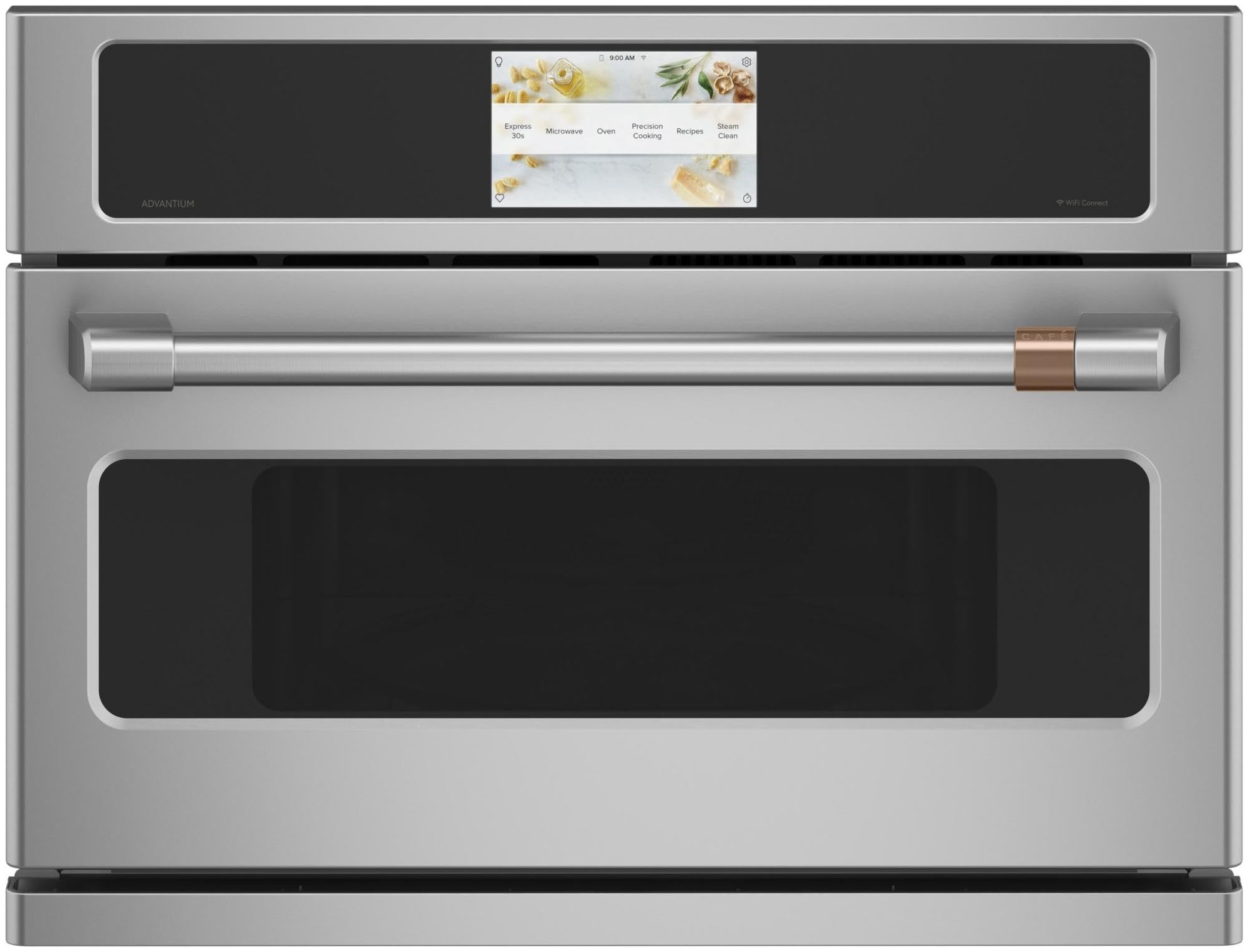
Most shoppers land on one of three types. A single convection oven is the default for most homes, because it bakes and roasts evenly and fits a standard cutout. A double oven suits households that cook two dishes at different temperatures on the same night. A microwave combo adds fast reheating above the main oven. If you are still weighing the wider category, our guide to the best wall oven covers the other sizes as well.
Before You Buy: A Quick Checklist for Choosing a Wall Oven
Size: Match It to Your Space
Wall ovens come in 24 inch, 27 inch, and 30 inch widths, and the number names the cabinet width rather than the exact oven body. A 27 inch model usually offers about 3.8 to 4.3 cubic feet in a single cavity, enough for a large turkey or two sheet pans on separate racks. A 24 inch oven saves space but limits pan width, while a 30 inch oven adds room you may not need. Choose 27 inch when your cutout already matches or when a compact kitchen still needs a full meal capacity.
Which Type Fits Your Routine
A single oven is the simplest and lowest cost option, and it leaves cabinet room above or below for storage. A double oven doubles your flexibility at holiday meals, though each cavity is smaller and the unit needs more height and power. A microwave combo replaces a counter microwave and a separate trim kit. Electric models dominate this size and give steady, dry heat that bakers tend to prefer. Gas wall ovens are rare in this width, so most buyers will be comparing electric types.
Features Worth Paying For and Ones to Skip
True convection, with a fan and a heating element around it, is worth paying for because it evens out hot spots and lets you bake on several racks at once. A temperature probe helps with roasts, and a self cleaning cycle saves hard scrubbing. Air fry modes are pleasant if you use them weekly, but a counter model does the same job for less. Steam assist, rotisserie fittings, and WiFi controls raise the price fast, and many owners rarely open those menus after the first month.
Measurements and Compatibility With Your Setup
Measure the cutout width, height, and depth, not the door you see now, and compare each number with the maker spec sheet for the exact model. Leave the required clearance for the junction box and for the door to open fully without hitting a handle or a nearby wall. Most 27 inch electric models need a dedicated 240 volt circuit, often 30 to 40 amps, so confirm your panel and wiring before you order. A mismatch here is the most common reason a delivery turns into a return.
Certifications and Safety Listings
Look for a UL or ETL listing on the rating plate and in the spec sheet, which shows the oven was certified to United States safety standards for built in appliances. That listing also matters for home insurance and for passing a local electrical inspection after a remodel. Skip any import model that cannot state a listing plainly.
DIY or Pro Installation Cost
Swapping a like for like electric oven can look simple, yet the unit is heavy, hard wired, and must sit level and flush in the cabinet. Many homeowners hire an electrician or appliance installer, and labor often runs about $200 to $500 when no wiring changes are needed. New circuits, panel upgrades, or cabinet cuts add more, so read a breakdown of wall oven installation cost before you set your total budget. Keep the old unit until the new one is in and heating.
Realistic Budget Ranges
Ignore teaser prices under $500, because a new 27 inch wall oven from a major maker almost never sells that low. Entry models usually run about $900 to $1500 and cover baking, broiling, and basic convection. The middle band, about $1500 to $2500, adds better racks, clearer displays, and quieter cooling fans. Above about $2500 you pay for premium finishes, steam or air fry extras, and longer parts coverage. Always add delivery, installation, and haul away fees to the sticker price when you compare.
Three Types Compared: How 27 Inch Wall Ovens Differ
Single Convection Ovens for Most Homes
This is the type most families should buy first. One large cavity handles weekday dinners and holiday sides, convection keeps cookies even across racks, and controls stay simple enough for daily use without a manual. If this sounds like your home, compare it with the wider picks in our guide to the best single wall oven to see what other widths offer. Running costs stay moderate because you heat one cavity, and replacement elements and fans are widely stocked.
Double Ovens for Households That Cook in Parallel
A double oven in a 27 inch frame stacks two smaller cavities, so you can roast meat above while a pie bakes below at a different setting. That helps large families and frequent hosts, but each cavity fits smaller pans than a single oven does, and the top oven sits high for shorter cooks. The unit also costs more to buy and to wire. If you cook two courses at once most weeks, look at our guide to the best double wall oven for the height and power details.
Microwave Combos for Tight Kitchens
A combo pairs a full oven below with a microwave above in one cutout, which frees counter space and gives a tidy, matching front. It suits couples and small families who reheat often and bake a few times a week. The trade off is repair risk, because a failed microwave can mean servicing the whole unit, and the combo costs more than a separate counter microwave. Measure the upper cavity door swing with care, since it opens toward your face at a height some users find awkward.
How to Compare 27 Inch Wall Ovens
Compare in a fixed order so marketing extras do not distract you. Start with cutout fit and electrical needs, then cavity size, rack positions, convection design, and cleaning method. Next, check build details you touch daily, such as door hinges and control legibility. Finish with warranty length and whether local service techs handle that brand.
Is a 27 Inch Wall Oven the Right Size for You?
It is right when your cabinet is already built for it, or when a 30 inch oven would crowd a small kitchen and a 24 inch oven would cramp your pans. A household of two to five people will find the cavity ample for a 20 pound turkey, a large casserole, or two trays of vegetables. Frequent bakers of wide loaves or owners of extra wide sheet pans may feel the limits sooner. In that case, the step down option in our guide to the best 24 inch wall oven shows what you give up.
Think about how you cook, not just how much. If you mostly use one oven at a time, a single 27 inch cavity uses its space better than a double. Owners planning to move soon should also weigh the install cost against the years they will stay.
Common Buying Mistakes to Avoid
- Ordering by door width instead of cutout size, which can leave an oven that will not slide into your cabinet at all.
- Forgetting the electrical check, so the installer finds an undersized circuit and the job stalls for a week.
- Paying for steam, WiFi, and air fry bundles you will rarely use, while skimping on convection that helps every bake.
- Ignoring door swing and handle depth, which can block a drawer or pinch fingers in a narrow galley kitchen.
- Skipping the service question, so a minor fault later means a long wait for a tech who covers that brand.
Cost of Ownership and Care
Electric wall ovens cost modest amounts per bake, and convection can trim cooking time slightly by letting you use a lower setting for the same result. Budget over the years for a bake element, a cooling fan, or a control board, which are the parts that most often need service. Wipe spills after the oven cools, because baked on sugar and grease smoke at high heat and stain the enamel. Use the self cleaning cycle a few times a year at most, and remove the racks first unless the maker says they can stay in.
Keep the vent openings clear and check that the door seal sits flat all around, since a warped gasket leaks heat and lengthens cooking times. If the oven trips the breaker or shows an error code that returns after a reset, stop using it and call a qualified appliance tech rather than opening the cabinet yourself.
FAQ
How do you clean a 27 inch wall oven between deep cleans?
Wipe the door glass and cavity floor with a damp cloth and a mild dish soap solution once the oven is cool, then dry it so water does not sit on the enamel. A paste of baking soda and water, left on a greasy patch for an hour, lifts most residue without harsh fumes. Clean the glass inner panel only as the manual describes, because removing screws can misalign the door seal.
How long does a 27 inch wall oven usually last?
Most electric wall ovens last about 13 to 16 years in normal home use, with the control board and bake element the parts most likely to fail first. You can extend that span by avoiding slamming the door, which stresses hinges and the seal, and by running self cleaning cycles only when needed. When repair quotes approach half the price of a new unit, replacement usually makes more sense.
Is a convection wall oven better than a conventional wall oven for baking?
Convection helps when you bake on more than one rack, because moving air reduces the hot and cool patches that leave one tray pale and another dark. For a single loaf or casserole, results are close, and many bakers lower the setting slightly when using the fan. Our explainer on convection vs conventional oven walks through when each style earns its keep.
Can a 27 inch wall oven replace a 30 inch model in the same cutout?
Not directly, because the 30 inch cutout is wider and the smaller oven would leave gaps on both sides that trim kits cannot always hide in a neat or safe way. An installer can sometimes add filler strips and adjust the support platform, but the result may look patched and can affect ventilation clearance. In most kitchens, matching the oven width to the existing cutout is the cleaner and cheaper path.
What should you check before the installer arrives with a new wall oven?
Clear the cabinet area, confirm the breaker for the oven circuit is labeled, and make sure an adult can be home to try a bake cycle before the crew leaves. Photograph the old wiring and cutout as the old unit comes out, which helps if questions arise later.
Final Thoughts
Start with your cutout, then pick the type that matches how often you cook two dishes at once, and spend the rest of your budget on convection and solid racks. Do that, and the best 27 inch wall oven for your home stops being a guess and becomes a measured fit. Use the product table above to compare the types side by side, then confirm the spec sheet and electrical needs for your final choice before you order.