Best 30 Inch Wall Ovens (2026): Types Compared and Buying Guide
Disclosure: We may earn a commission when you buy through links on this page, at no extra cost to you. As an Amazon Associate I earn from qualifying purchases. Learn more

A practical guide to the best 30 inch wall oven: single, double, and combination ovens, plus cutout fit, convection, and power needs.
Picture a kitchen remodel where the cabinets are ordered, the countertops are booked, and the one open question is the oven that has to slide into a tall cabinet and serve your family for years. Choosing a best 30 inch wall oven is less about chasing the longest feature list and more about fit, household size, and how you cook on an ordinary weeknight. This guide walks through size, types, features, installation, and ownership costs, and the comparison table below sums up the main types side by side.
If you are still comparing widths and layouts, our guide to the best wall oven gives useful background on the wider category. Here, the focus stays on the 30 inch size and which details deserve your money.






Quick Answer: The Types That Fit Most Homes
For most households, a single 30 inch oven with convection is the balanced choice, with room for a large roasting pan and a baking sheet at once. A double oven suits large families and frequent hosts who cook two dishes at two temperatures. A combination model pairs an oven with a microwave above it for compact kitchens.
Before You Buy: A Quick Checklist for Choosing a Wall Oven
Work through the points below in order. Fit comes first, because the finest feature set is worthless if the oven cannot go into your cabinet safely.
Size: Match It to Your Space
Wall ovens are sold by the width of the cabinet they are built for, not by the exact width of the oven box. A 24 inch model suits small apartments, a 27 inch model suits narrow cabinets in older homes, and a 30 inch model is the standard in most new kitchens. If your cabinet was built for the narrower size, see our guide to the best 27 inch wall oven before you assume a wider oven can be squeezed in. Check that your largest roasting pan fits with the door closed.
Which Type Fits Your Routine
Single ovens give you one large cavity and the lowest cost. Double ovens give you two cavities, which helps when a holiday meal needs a turkey below and pies above. Convection models add a fan that moves hot air around the food and evens out browning across racks, while a conventional oven heats from elements alone. Our explainer on convection vs conventional oven covers that choice in depth. Most ovens in this size are electric. Gas versions are rare, and steam models add moisture for bread and reheating.
Features Worth Paying For and Ones to Skip
Pay for a temperature probe if you roast meat often, because it removes the guesswork of checking doneness by time alone. Air fry modes are worth it if your family crisps food several times a week. A self cleaning cycle, either high heat or steam based, saves real effort over years of ownership. WiFi alerts are handy but not essential, and a rotisserie is worth skipping unless you already cook whole birds that way at home.
Measurements and Compatibility With Your Setup
Measure the cutout, meaning the width, height, and depth of the opening in your cabinet, and compare all three numbers with the manual for the model you plan to order. Allow for door and handle depth too, since a handle that blocks a drawer will annoy you daily. Most of these ovens need a dedicated high voltage circuit, and the required amperage varies by model, so confirm your panel and wiring match before delivery day.
Certifications and Safety Marks
Look for a listing mark from a recognized testing laboratory, such as UL or ETL, on the rating plate and in the manual. That mark tells you the oven was evaluated against electrical and fire safety standards for home use in the United States. Plumbing related labels found on other kitchen goods do not apply to a wall oven, so ignore unrelated badges.
Doing It Yourself Versus Professional Installation
A confident homeowner with electrical experience can sometimes swap an oven into an existing cutout with matching wiring, but many households are better served by a professional. These ovens are heavy, awkward to lift, and unforgiving if a wire lands on the wrong terminal. Before you decide, read up on wall oven installation cost to weigh delivery, cabinet changes, and electrical work against the savings of doing it yourself.
Realistic Budget Ranges
Expect entry level single ovens at about $900 to $1500, with basic controls and fewer modes. The broad middle, at about $1500 to $2500, usually brings convection, better racks, and smoother operation. Above about $2500 to $3500 you are paying for double cavities, steam or air fry modes, and finer finishes. Listings under $500 for a new oven in this size are uncommon, so check the size, condition, and seller with extra care.
Types Compared: Single, Double, and Combination Ovens
Since the right answer depends on your household rather than on a single winning model, compare the three main types below against your routine, your cabinet, and your budget.
Single Ovens for Most Households
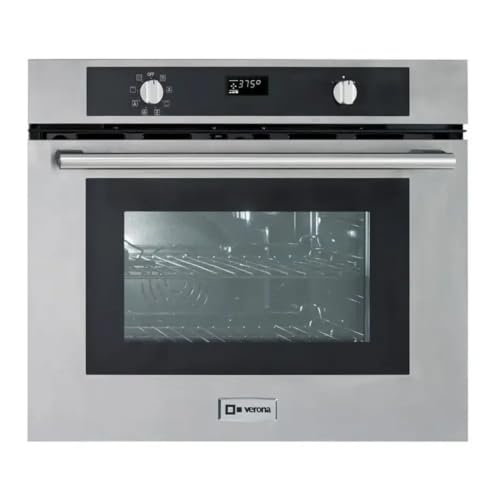
A single oven gives you one tall cavity that handles a large turkey, trays of cookies in rotation, and everyday casseroles without strain. It costs the least to buy and to run, and it leaves cabinet room for storage drawers. If this sounds like your kitchen, our guide to the best single wall oven walks through this format. Choose it when you rarely need two temperatures at once.
Double Ovens for Large Families and Frequent Hosts
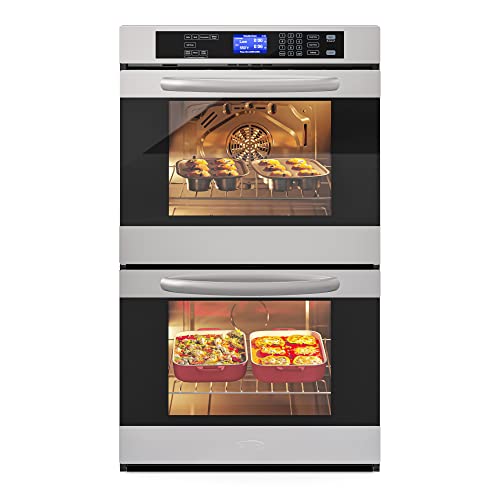
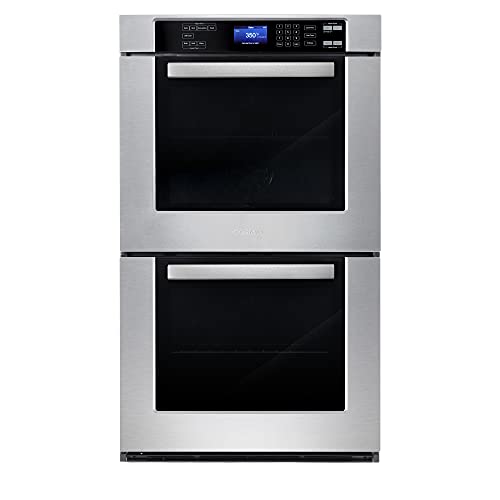
A double oven stacks two cavities in the same cabinet footprint, so you can roast in one while you bake in the other. The upper cavity is usually smaller and heats fast, which suits weeknight meals, while the lower cavity takes the big jobs. If you host often, our guide to the best double wall oven covers this format in detail. The trade offs are a higher price and bending lower to reach the bottom oven.
Combination Ovens for Compact Routines
A combination unit pairs a full oven below with a microwave or a speed oven above it. That layout earns its place in a smaller kitchen where counter space is tight. It also helps households that reheat and cook at the same time most evenings. The limits are real, though. The upper cavity cannot replace a second full oven for large meals, and if one part fails, the whole unit is out of service during repair.
How We Compare Wall Ovens for Real Homes
Our comparison rests on maker specifications, installation manuals, warranty terms, and patterns in verified buyer feedback. We rank fit and compatibility first, then build quality and finish, then features you will use weekly, then safety listings and warranty length. We do not claim hands on testing we have not done, and we leave live prices to the product table above, since prices change often.
Is a 30 Inch Wall Oven the Right Size for You?
This size is right for you if your cabinet opening was built for it, your household cooks for four or more people, or you regularly use wide pans that feel cramped in a smaller cavity. A standard half sheet pan fits comfortably in most models in this class. It may be more than you need if you live alone, bake rarely, and would rather give the cabinet space to storage. Think about your biggest cooking day of the year, then check whether this size earns its footprint on the other 364 days too.
Common Mistakes to Avoid
- Ordering by cabinet width alone. Two ovens built for the same cabinet width can need different cutout heights, so a mismatch can leave you paying for cabinet work you never budgeted for.
- Ignoring your electrical supply. An oven that needs a stronger circuit than your panel offers cannot be installed safely until an electrician upgrades the run.
- Paying for modes you will never use. Steam, rotisserie, and app control add cost and complexity that only pay off if they match how you already cook.
- Forgetting door and handle clearance. An oven door that cannot open fully past an island or a pulled out drawer makes loading heavy pans awkward and risky.
- Skipping the warranty and service check. An oven is a long lived appliance, and a brand with no service coverage near your home can turn a small fault into weeks without an oven.
Cost of Ownership and Care
Running costs are modest for most homes, since an electric oven draws serious power only while it heats, and good insulation holds temperature without constant cycling. Your bigger long term costs are occasional parts and service, such as a door gasket that no longer seals, a light bulb, or a control board late in the life of the oven. Keep the door seal free of crumbs and leave the vents unblocked so heat can escape as designed. Record the model and serial numbers in your phone, because a service visit goes faster when you can give those details.
Your Questions, Answered: FAQ
What is the most reliable wall oven brand?
No single brand is the most reliable for every home, and published rankings shift from year to year. A more useful test is local. Choose a maker with authorized service in your area, a warranty you understand, and parts that stay available for older models. Simpler controls also help, since touch panels give faults more places to start. Ask local dealers which brands they can repair quickly.
How do you clean a wall oven?
Start with the method the manual allows for your model. For a steam clean cycle, pour the stated amount of water into the oven floor, close the door, run the cycle, and wipe the softened residue away once the cavity cools. For a high heat cycle, remove the racks first unless the manual says they can stay, and ventilate the kitchen because the process makes strong odors. Between cycles, a damp cloth on a cool oven handles most fresh splashes.
Is a wall oven worth it?
It is worth it when you value cooking at a comfortable height, a cleaner kitchen layout, and a cooktop that can sit elsewhere in the room. Raising the oven means less bending to lift heavy pans. It is harder to justify if your kitchen is small, your budget is tight, or you rarely bake, because a range combines both jobs in one appliance for less money.
How long does a wall oven last?
Many wall ovens stay in service for about 13 to 20 years, with the wide range explained by use, cleaning habits, and luck with electronics. Ovens that cook daily and run frequent high heat cleaning cycles tend to age faster. Toward the end of that span, weigh repair costs against replacement, especially when a control board fails, since boards for older models can be costly or hard to find.
What size wall oven do I need?
Start from the cabinet you have or plan to buy, because the oven must match its opening. Then think about your pans. If your widest roasting pan needs the room, the 30 inch class is the safer match. One point buyers often miss is the trim kit. Some makers offer trim that covers small gaps around the oven face, which can make a replacement look finished even when the new box is slightly smaller.
What is the best 30 inch wall oven?
It is the one that fits your cutout exactly, matches your power supply, and carries the two or three features your household will use every week. For most families that means a single convection oven with a probe and a cleaning cycle you will actually run. For frequent hosts it may mean a double oven instead. Chasing the longest feature list usually adds cost without adding meals, so let your routine, not a ranking, make the final call.
Final Thoughts
A wall oven is a long commitment to your kitchen, so let fit, routine, and ownership cost lead the decision. Measure the cutout, check the circuit, pick the type that matches your household, and spend on convection and cleaning help before decorative extras. Chosen that way, the best 30 inch wall oven for your home is the one you stop thinking about once it is installed, because it quietly handles weeknight dinners and holiday roasts alike. Look back at the product table above before you order.