
Best Cabinet Depth Refrigerators: A Buyer Checklist for 2026
Disclosure: We may earn a commission when you buy through links on this page, at no extra cost to you. As an Amazon Associate I earn from qualifying purchases. Learn more

Run this buyer checklist before ordering a cabinet depth refrigerator: measure the opening and door swing, compare true capacity, and read the energy label.
A cabinet depth refrigerator is bought for one reason first: it sits nearly flush with your counters instead of jutting out into the walkway. The best cabinet depth refrigerators deliver that clean line without trapping you later, and the way to find them is measurement, not marketing. One warning before the checklist begins: the depth on a spec sheet is usually the box only, without handles, and door thickness varies by style, so the number that decides your kitchen is the total installed depth set against your own counter depth.
Work through the checks below in order: fit, door swing, delivery path, configuration, capacity, and running cost. Use the comparison table below to track each model you are considering against every item, and treat the standardized energy label as harder evidence than any feature badge printed on the door. A model that fails the fit checks is the wrong refrigerator no matter how good its features look, so measure first and shop second.
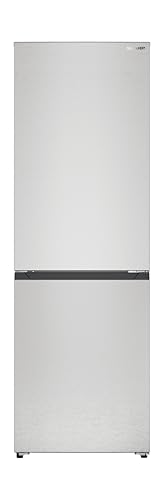
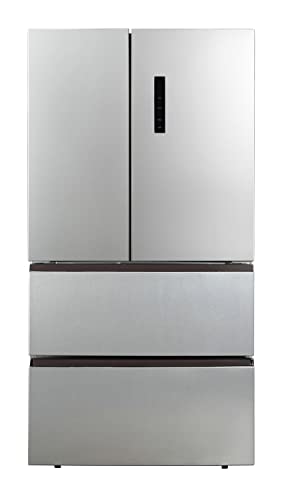
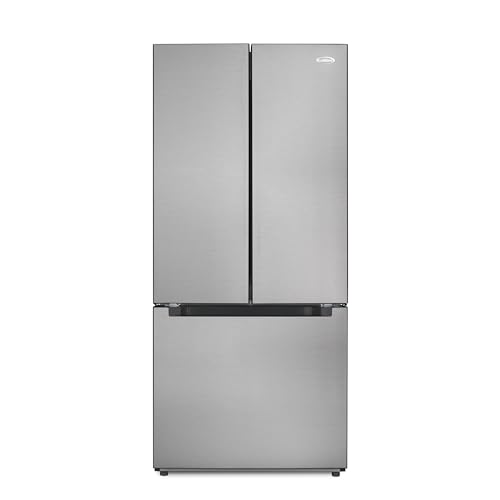
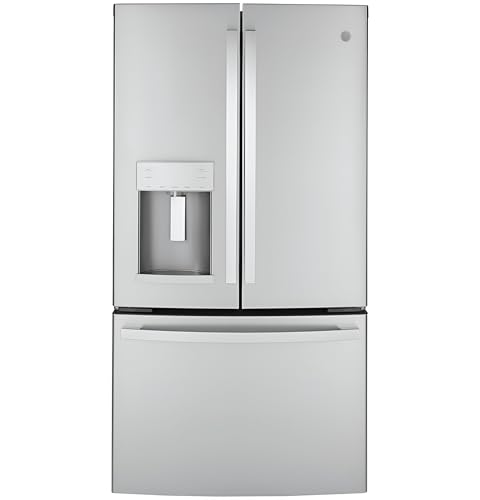

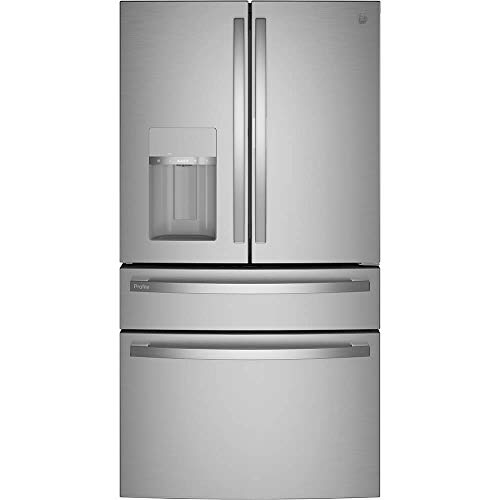
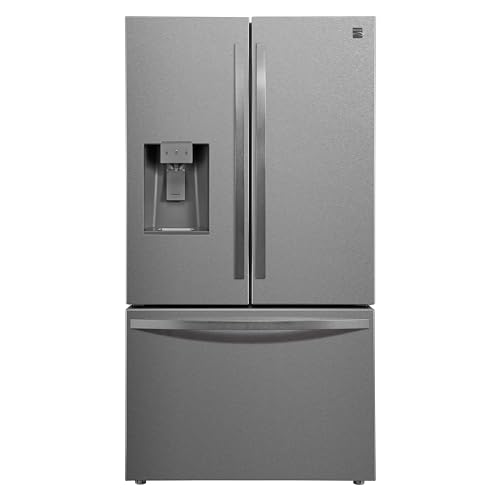


The Buyer Checklist: What to Measure and Compare
Each check below is close to pass or fail, and most of them need nothing more than a tape measure and the full dimension line from the spec sheet. These same checks apply to any model on a shortlist, including the wider field covered in our guide to the best recommended refrigerators.
Check the Fit: Opening Size and Total Installed Depth
Measure the opening width and height to the nearest quarter inch at the tightest point, because floors slope and cabinet faces are not always square, then measure your counter depth; standard base cabinets are about 24 inches deep, with the countertop adding a small overhang. Compare that figure against the refrigerator's total installed depth, which means the box depth plus the door plus the handle, all three of which appear on a complete spec sheet. A box listed at cabinet depth can still stand proud of the counters by the full depth of its handles, so never shop on the box number alone. Leave the gap at the back that the maker specifies, because the unit needs room for its power cord, its water line, and air movement.
Check Door Swing, Hinges, and Drawer Access
A refrigerator that fits the opening can still fail at the doors, because the doors need to open past ninety degrees before the crisper drawers and storage bins inside can pull out, and many kitchens block that swing with an island, a wall, or a run of tall cabinets. Check the hinge side clearance where the unit sits next to a wall, because a door that rests against the wall at eighty degrees turns every drawer into a fight. French door styles halve the swing each door needs, which helps in tight kitchens, but both doors must open together before a wide tray or a sheet pan can slide in. Walk the swing in your own kitchen with the tape measure held at door length before you order.
Check the Delivery Path and Ventilation Space
The finest fit in the kitchen is worthless if the unit cannot reach the kitchen. Measure every doorway, hall turn, and stair landing between the curb and the final spot, and compare each one against the refrigerator's smallest dimension, which is usually its depth with the doors removed. Note tight turns where a long unit has to pivot, since a hallway measurement alone does not capture a corner. Delivery crews will not bend a refrigerator, and a refused delivery costs more than a tape measure session, so while you measure, confirm the ventilation space the maker requires at the top, back, and sides, because even a built in look needs air around the cabinet for the compressor to shed heat.
Choose the Configuration That Fits Your Cooking
With the fit proven, choose the layout: french door models put fresh food at eye level and swallow wide platters, and shoppers set on that layout can compare the best counter depth french door refrigerators once their size checks pass. Side by side models give narrow doors that suit tight swing space, at the cost of slim shelves that resist wide trays. Bottom freezer and top freezer layouts cost less and waste no space on dispensers, but they bend you down to the food you use most or least. Decide about the dispenser with clear eyes: a through the door dispenser is convenient, yet its housing takes real interior room and the refrigerator needs a water line run to it, while an internal dispenser or a plain freezer ice maker keeps more shelf space for food.
Compare Capacity at the Same Width, Honestly
Here is the trade off at the heart of this category, stated plainly: a cabinet depth box is several inches shallower than a standard depth box of the same width, so it holds less, often by several cubic feet, and that lost volume is the price of the flush look, which no shelf arrangement fully wins back. Compare cubic feet only between refrigerators of the same width and the same configuration, because a wider shallow unit and a narrower deep unit can post the same number and store very different shapes of food. Makers measure capacity under a shared standard, but shelf spacing and bin design decide usable space, so bring the measurements of your tallest stock pot and widest tray to the comparison. If your opening runs under the common widths, the best small counter depth refrigerators work from these same checks at a smaller scale.
Check the Interior Layout: Shelves, Bins, and Drawers
Cubic feet tell you how much air the cabinet holds, but the layout decides how much food you can actually store. Gallon sized door bins earn their keep in this category, because moving milk and juice jugs to the doors frees the shallow shelves for wide and flat items that have nowhere else to go. Shelves that slide back or fold let you stand a tall bottle or a stock pot upright without removing a shelf entirely, and a full width deli drawer keeps flat packages visible instead of buried. Bright, even lighting matters more in a shallow cabinet than a deep one, since everything sits close to the door and food pushed to the back of a bin is food you forget you own.
Read the Energy Label Before the Feature List
The yellow EnergyGuide label is the most trustworthy paper on the appliance, stating the estimated yearly electricity use in kilowatt hours and the estimated yearly running cost, measured the same way for every brand, so it deserves more trust than feature marketing written by the maker. Models carrying ENERGY STAR certification sit in the more efficient part of the range for their size class. Size still rules the number: a large cabinet depth unit will use more than a small standard depth one, which is why the label figure only means something beside models of similar capacity. Over a decade of service, the gap between an efficient model and a thirsty one is a real line item, not a rounding error.
Reliability, Noise, and Temperature Control
Three quieter checks finish the criteria. First, read the warranty with care: many makers cover the sealed refrigeration system for about five years and some cover it longer, while the rest of the unit often carries a much shorter term, and that split tells you where the maker expects trouble. Second, noise: inverter compressors run at variable speed instead of cycling hard on and off, so they tend to sound steadier in an open plan kitchen, though decibel figures are measured each maker's own way and compare poorly across brands. Third, temperature control: dual evaporator systems keep dry freezer air out of the fresh food section and hold humidity better around produce, and controls that display actual degrees are easier to set and verify than a vague dial running from cold to coldest.
Quick Buyer Checklist
Run these questions against any model still on your list. Width deserves its own sentence first: kitchens built around a narrow opening may need the best cabinet width refrigerators, where width rather than depth drives the shortlist from the start.
- Have I measured the opening width, height, and depth, including trim, flooring, and baseboards?
- Does the total installed depth, handles included, sit within about an inch of my counter depth?
- Can the doors open past ninety degrees without striking an island, a wall, or another handle?
- Do the crisper drawers and bins pull fully out with the doors held at that angle?
- Is every doorway and turn on the delivery path wider than the unit's smallest dimension?
- Does my kitchen have the water line a dispenser or ice maker needs, or a clear plan to add one?
- Have I compared cubic feet only against refrigerators of the same width and layout?
- Have I read the EnergyGuide kilowatt hour figure instead of relying on feature badges?
Red Flags to Watch For
- A listing that quotes a depth figure without saying whether handles are included in the number.
- A capacity figure advertised with no width stated, which can make a smaller refrigerator look roomier than it is.
- No EnergyGuide figure published anywhere on the product page or the maker's site.
- A sealed system warranty far shorter than the category norm, with the short term buried in fine print.
- Door and drawer clearance described only with words like spacious, with no measurements given anywhere.
Add one more line to the price before you judge any model: delivery, installation, and haul away fees vary widely between sellers, and a cheaper sticker can lose its lead at checkout. Confirm whether a water line kit, a new supply line, and leveling are included, and whether the crew will take the doors off to pass a tight entry or charges extra for the work. These are one time costs, but they belong in the comparison right beside the energy figure.
Height causes the mirror image of the depth problem in some kitchens: a unit that fits the depth can still crowd the cabinetry above it or look lost under a tall opening. That is the case the best tall counter depth refrigerators are built around, and the same tape measure checks settle it before you order.
Options for Specific Needs
Some buyers shop this category with a constraint the standard checklist only touches. Apartment and condo owners weigh noise and door swing against shared walls and compact kitchens, while a household replacing a failed unit on a deadline weighs stock and delivery time as heavily as any feature. The two checks below cover the searches that come up most often once the main measurements pass.
Cabinet Depth Refrigerators by Budget: What to Check
Shop by price neighborhood: most buyers in this category spend about $1,500 to $2,500. At a set budget, check the total cost rather than the sticker, adding delivery, installation, haul away of the old unit, and a water line kit if the dispenser needs one. Then check capacity per dollar at your width, since two models at the same price can differ by several cubic feet. Near the top of the band, money should buy substance such as a dual evaporator system or a convertible zone; near the bottom it mostly buys size, so decide which of those your household will actually feel.
4 Door Cabinet Depth Refrigerators: What to Check
Four door layouts split the fresh food section into two doors over two more, and one of the lower zones is often convertible between refrigerator and freezer duty. Check that convertible zone first: its stated temperature range should reach true freezer temperatures if you plan to use it as one, and a zone that only chills is a deli drawer wearing a bigger name. Count the seals next, because four doors mean four gaskets to seat, clean, and eventually replace, and a door that sits slightly out of line leaks cold air quietly for years. Finally, most four door models are wide, so the swing and delivery checks from the main checklist matter even more here.
Setup and Care Tips
Set the fresh food section to 37°F and the freezer to 0°F, then give a new unit about a day of running before you judge its temperatures, because a warm cabinet takes time to settle. Vacuum the condenser coils about twice a year, since dusty coils force the compressor to work harder and run longer. Leave the airflow space the maker specifies around the unit, and keep the vents inside the cabinet clear of food packages so cold air can circulate. Level the refrigerator so the doors swing closed on their own, and wash the door gaskets with mild soap so the seal stays tight against the cabinet.
Frequently Asked Questions
How long should a cabinet depth refrigerator last?
Most refrigerators serve about 10 to 15 years, and cabinet depth models follow the same pattern as the rest of the category. The sealed system warranty is the maker's own signal about expected life, so a longer term there is worth weighing at purchase. Care moves the number more than brand does: clean coils, intact door gaskets, and ventilation space held open all reduce strain on the compressor. When repair estimates approach half the price of a replacement, most households are better served by replacing the unit.
What size cabinet depth refrigerator does a family need?
A common planning figure is about 4 to 6 cubic feet of total space per person, with the fresh and freezer split matched to your habits. A household of four usually lands somewhere around 18 to 24 cubic feet, which in this category means choosing one of the wider widths, because the shallow box gives back volume only through width. Freezer habits shift the answer more than headcount does: bulk buyers and batch cooks should protect freezer space first, while daily shoppers can trade it for fresh food room.
Are counter depth refrigerators worth the higher price?
They are worth it when the flush line returns something real to your kitchen. In a galley or a kitchen with an island, the reclaimed walkway space is functional every single day, and the built in look comes without built in prices or a permanent installation. In a large kitchen with room to spare, the same money buys noticeably more cubic feet in a standard depth model, and the premium is mostly appearance. Either way, remember that you pay more per cubic foot in this category, so the fit checks matter more, not less.
How much electricity does a cabinet depth refrigerator use?
Read the figure on the EnergyGuide label rather than guessing, because that label states the estimated yearly kilowatt hours for the exact model. Many current models land roughly in the range of 400 to 700 kilowatt hours per year, with size, dispenser style, and ice making pushing the number up or down from there. A through the door ice and water dispenser adds to the total, since it cools a chute through the door and runs an ice maker full time. Multiply the label figure by your local rate to get the yearly cost that matters.
Can I put a cabinet depth refrigerator in the garage?
Only if the model is rated garage ready by its maker. A standard refrigerator reads the temperature of its fresh food section to decide when to run, so in a cold garage it may stop running long enough for the freezer to warm, while a hot garage can overwork the compressor at the other extreme. Garage ready models are built and tested for that wider swing. Check the ambient temperature range in the spec sheet before you place any unit outside the kitchen, and keep the ventilation clearances the maker states.
Wrapping Up
Measure first, then compare: total installed depth against your counters, doors that open far enough for the drawers to travel, and capacity read only at the same width. With those three checks passed, the best cabinet depth refrigerators stop being a gamble on a spec sheet and become a fit you verified yourself. Work your shortlist through the product table above, answer every line of the checklist honestly, and order only when the answer is yes all the way down.

