
Best Cabinet Width Refrigerators for 2026: Everything to Know Before Your First Purchase
Disclosure: We may earn a commission when you buy through links on this page, at no extra cost to you. As an Amazon Associate I earn from qualifying purchases. Learn more
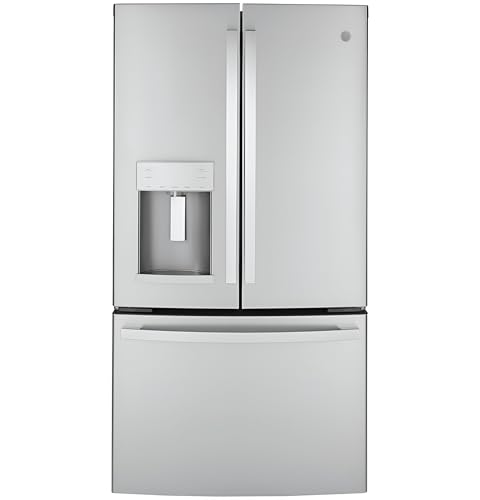
Cabinet width refrigerators explained for first time buyers, from dimensions and capacity to layouts and delivery day setup.
Buying a refrigerator for the first time feels bigger than most appliance purchases, because the box has to fit your kitchen, your food and your budget all at once. The best cabinet width refrigerators solve the fit part first, since they are built for the standard cabinet opening found in most homes. This guide starts with the basic terms and ends with a simple way to judge the comparison table below.
You do not need to learn every feature before you shop. You need to know what cabinet width means, which sizes matter, how much space your household really uses, and which extras change daily life. The sections below walk through those points in order, so each choice builds on the one before it.
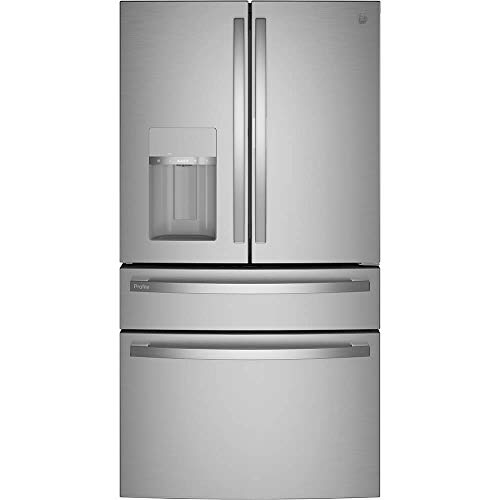

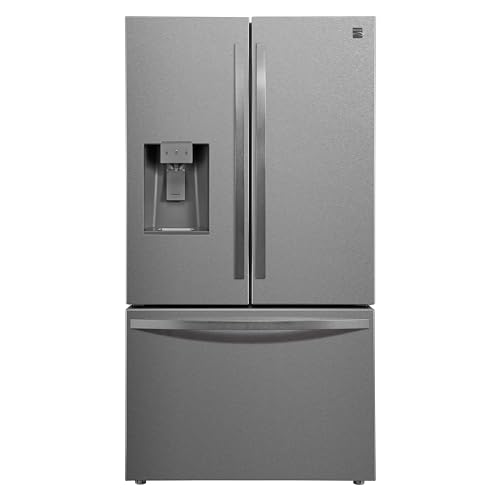


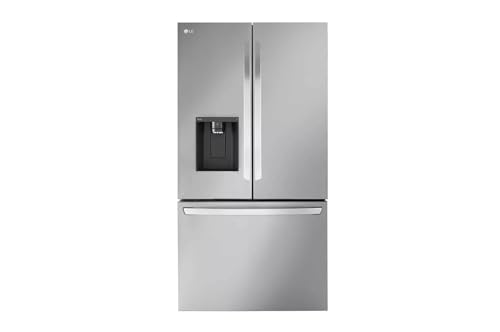

Cabinet Width Refrigerators 101: The Basics
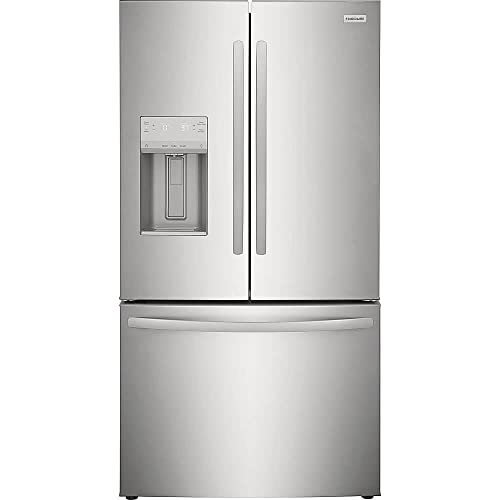
A cabinet width refrigerator is a full size model made to slide into a standard cabinet opening, most often about 36 inches wide. Height is usually about 66 to 70 inches, and depth varies the most, because makers count doors and handles in different ways. The fridge cools the fresh food section to a safe cold range, while the freezer holds food at freezing for longer storage.
The name causes confusion for new buyers, because width, depth and counter depth sound alike but describe different measurements. Width is the side to side span, depth is the front to back span, and counter depth describes how far the box sits from the wall. If width naming is your main confusion, see our guide to the best counter width refrigerators for a direct comparison of the terms. Among the best cabinet width refrigerators, the right one is simply the model whose true dimensions leave a small air gap inside your opening.
Refrigerator Specs Translated Into Daily Questions
Read each spec as an answer to a daily question, such as how the doors open, where tall bottles go, or how loud the kitchen feels at night.
Configuration: French Door, Side by Side, Top Freezer and Bottom Freezer
Layout decides what you reach first. French door models put fresh food at eye level with wide shelves for trays and pizza boxes, and they suit cooks who open the fridge far more than the freezer. Side by side models give tall narrow spaces on both sides and suit frozen meals and upright bottles. Top freezer refrigerators cost the least and keep the design simple, while bottom freezer models place fresh food higher and add a deep drawer below. Choose by the section you open most, because that reach pattern repeats many times a day.
Dimensions, Counter Depth and Door Clearance
Measure the opening width, height and depth, then measure every doorway and turn on the delivery path. Leave about one inch behind the box and a small gap on each side for air flow and for the doors to swing past nearby walls. Counter depth models sit closer to your cabinets and look calmer in small kitchens, but the shallower box holds less. For a fuller look at depth alone, see our guide to the best cabinet depth refrigerators before you order. A model that fits the opening but blocks a drawer or door swing is still the wrong fit.
Capacity and Household Size
Capacity is listed in cubic feet and covers the fridge and freezer together. A common planning rule is about 4 to 6 cubic feet per person, so a home of four often lands near 18 to 24 cubic feet before shopping habits are counted. Counter depth models usually give up several cubic feet for their shallower shape, so the same household may need the larger end of that range. Add space if you buy in bulk, store party trays, or freeze batch cooking. Choose a little extra room over a packed box, because crowded shelves block air flow and hide food until it spoils.
Temperature Control and Cooling Zones
Good control keeps milk cold without freezing lettuce. Separate controls for the fridge and freezer let you fix one section without disturbing the other, and clear displays reduce guesswork. Models with two evaporators keep freezer air out of the fresh section, so produce keeps its moisture and ice picks up fewer food odors. Some drawers form extra temperature zones for drinks, deli meat or thawing food, and a convertible drawer can switch roles as your shopping changes. If you store delicate greens and berries often, stable humidity matters more than extra zones you may never adjust.
Reliability and Warranty
A refrigerator runs all day and night, so steady parts matter more than showy extras. An inverter compressor adjusts its speed instead of switching fully on and off, which can lower noise and smooth out temperature swings. Read the warranty in parts, because the sealed cooling system often carries longer cover than shelves, bins and electronics. Simple layouts with fewer moving extras tend to give owners fewer things to repair. Keep the manual and your purchase record together, because warranty help moves faster when model and serial details are easy to find.
Rookie Mistakes to Avoid
Most first purchase regrets come from fit and habits, not from the brand name on the door.
- Measuring only the cabinet opening and skipping doorways means the new fridge can be stuck in the hall on delivery day.
- Trusting the listed depth without counting handles leads to doors that jut into walkways and bump nearby counters.
- Buying the largest capacity on sale leaves a deep box that eats kitchen space your household never fills with food.
- Choosing an ice maker without a water line nearby adds plumbing cost or leaves a feature you paid for unused.
- Blocking the vents inside with tall boxes causes warm spots that spoil milk and greens faster than expected.
Delivery Day Setup: Leveling, Temperatures and First Loading
After delivery, let the refrigerator stand upright for a few hours if it traveled on its side, so oil inside the compressor can settle back where it belongs. Level the box so the doors close on their own with a gentle push, then set the fridge to 37 degrees Fahrenheit and the freezer to 0 degrees Fahrenheit. Wait a full day before judging the cold, because a warm empty box needs time to settle.
Load food in stages and leave space around the vents so cold air can move. Wipe spills at once with warm water and a soft cloth, and clean the door seals each month so they keep a tight close. Vacuum the condenser coils twice a year, because dust forces the compressor to work harder and use more power. If the doors stop sealing or the box runs loudly without a pause, call a qualified technician instead of forcing parts.
FAQs
How long should a cabinet width refrigerator last?
A cabinet width refrigerator should last about 12 to 18 years with normal home use. Fans and door seals usually wear before the sealed cooling system does, so new noises or frost growth are early clues worth checking. Keeping coils clean and doors sealing well removes two common strains. A single repair on a young unit often makes sense, while repeat repairs on an older unit point toward replacement.
How much electricity does a cabinet width refrigerator use?
A cabinet width refrigerator uses roughly 400 to 700 kilowatt hours per year, depending on size and features. ENERGY STAR models sit at the lower end of that range for their class. The yellow guide label on each model gives a yearly estimate you can compare directly across sizes. A fridge placed beside a hot oven or in direct sun will run longer, so placement quietly shapes your bill.
What size cabinet width refrigerator does a family need?
A family needs a cabinet width refrigerator sized to its shopping rhythm, not only to its head count. Weekly bulk shoppers and households that freeze cooked meals should plan near the top of the range for their size. Small frequent shoppers can choose less space and gain easier reach and lower running cost. Measure your tallest regular items, such as stock pots and cake boxes, because shelf height can limit you before total volume does.
Can a cabinet width refrigerator go in the garage?
Yes, a cabinet width refrigerator can go in the garage if it carries a garage ready rating. That rating means the unit is built to keep cooling through wide swings in room temperature, from cold winter nights to hot summer afternoons. A standard kitchen unit may stop cooling properly when the garage turns cold. For homes that need that wider range every season, see our guide to the best garage refrigerators for models built for unheated spaces.
Are counter depth refrigerators worth the extra cost?
Counter depth refrigerators are worth the extra cost when walkway space and a calm cabinet line matter in your kitchen. You give up storage depth, so large households often feel the loss at holiday shopping time. The shallower shelves do bring food forward, which can cut the forgotten items at the back. If your opening allows either style, price the lost cubic feet against the floor space you gain.
The Bottom Line
For a first purchase, put fit first, capacity second and extras last. Confirm the true width, depth and door swing, match cubic feet to your household and shopping habits, and pick the layout you will enjoy reaching into each day. Use the product table above to compare those points side by side. If you want a wider view beyond width alone, see our guide to the best recommended refrigerators after you know your opening size. Chosen that way, the best cabinet width refrigerators feel less like a gamble and more like a measured match for your kitchen.


