Wall Ovens: A Complete Buying Guide for Your Kitchen
Disclosure: We may earn a commission when you buy through links on this page, at no extra cost to you. As an Amazon Associate I earn from qualifying purchases. Learn more

If you are planning a kitchen remodel or replacing an aging range, you have probably run into the term wall ovens and wondered whether one actually fits your kitchen and your cooking habits. Wall ovens work differently from a standard range, and choosing one means sorting through fuel type, installation requirements, and whether you need one cooking cavity or two. This guide walks through those basics so you understand the category as a whole. If you already know you want one oven or two, jump straight to our detailed guides on single wall ovens and double wall ovens for sizing and feature specifics.


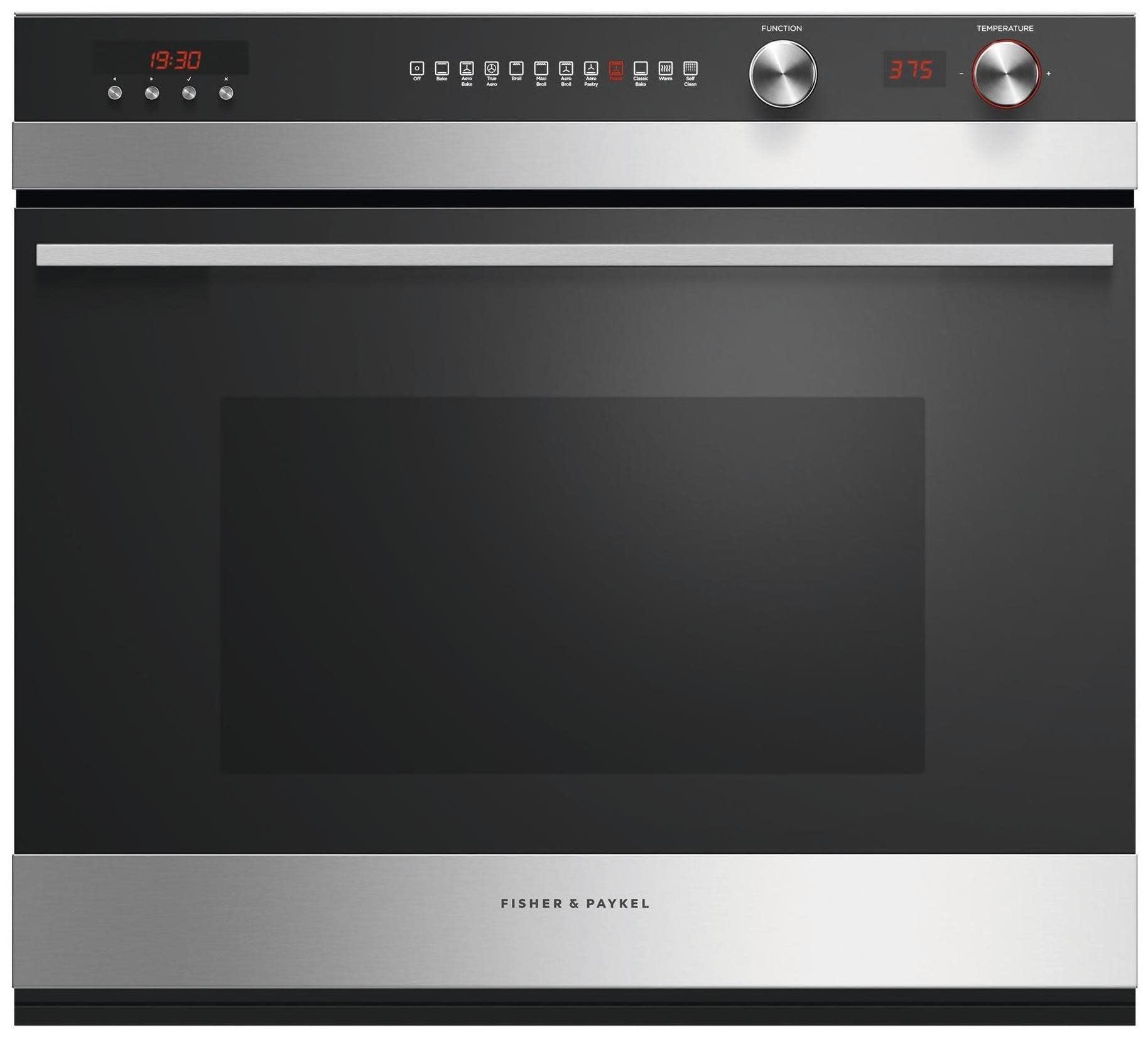

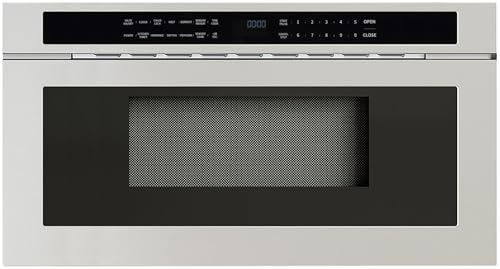
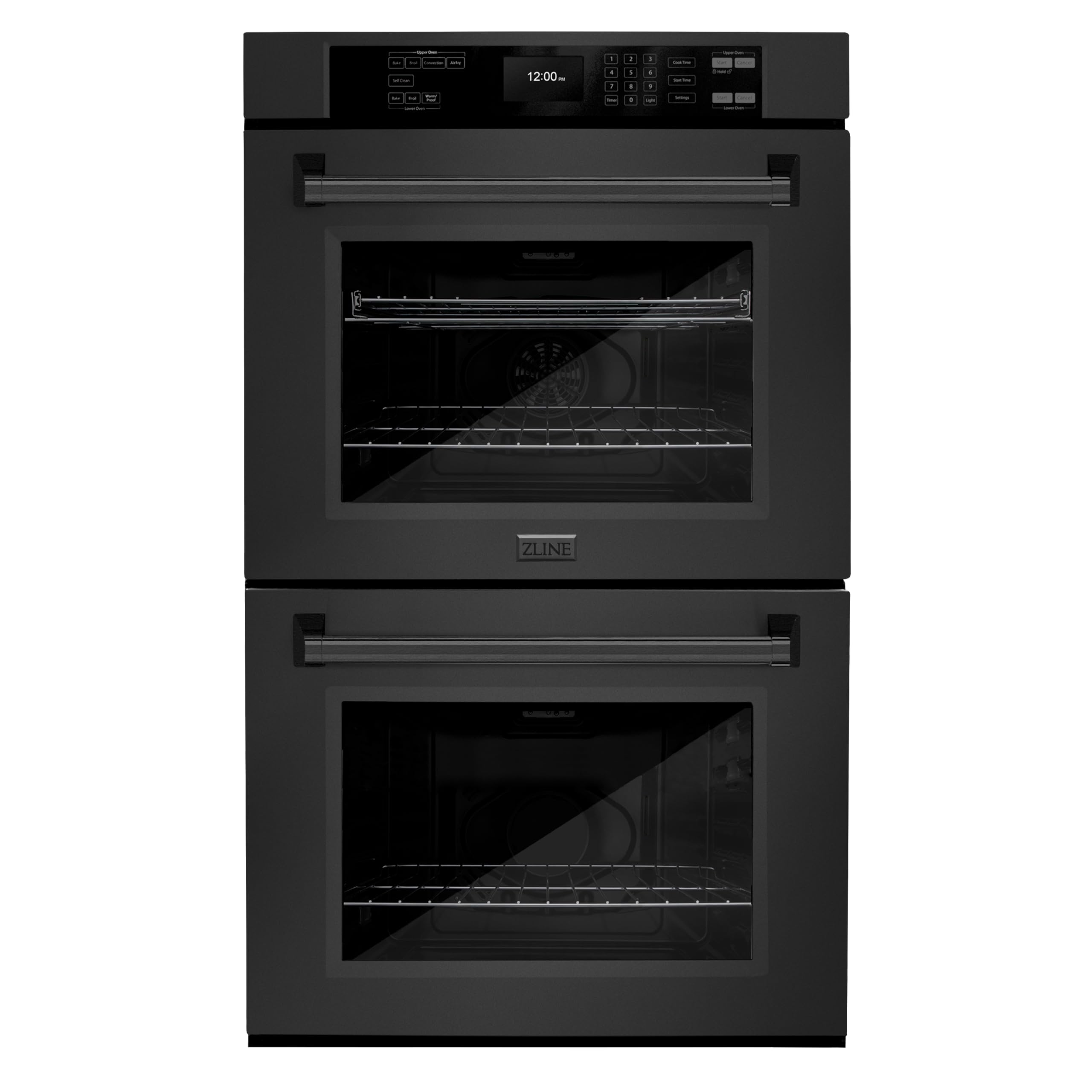


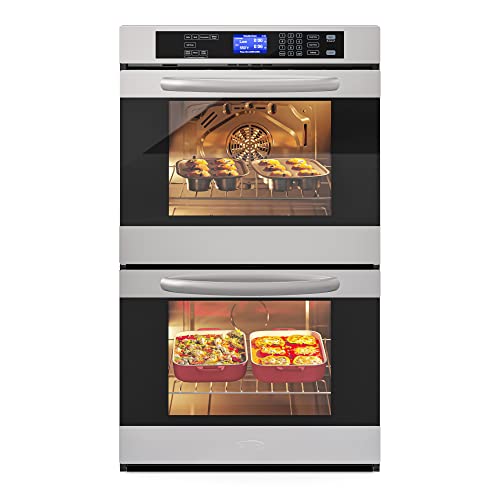


What Makes a Wall Oven Different from an Oven Range
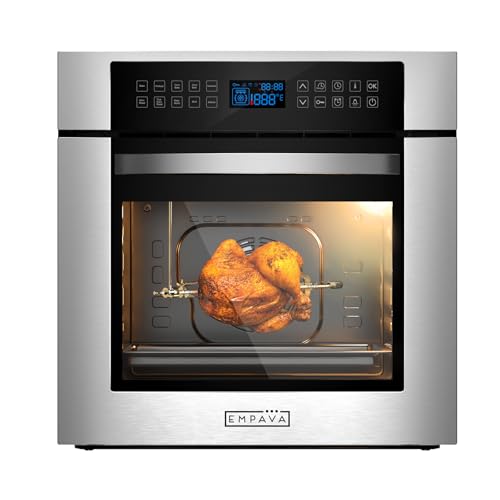
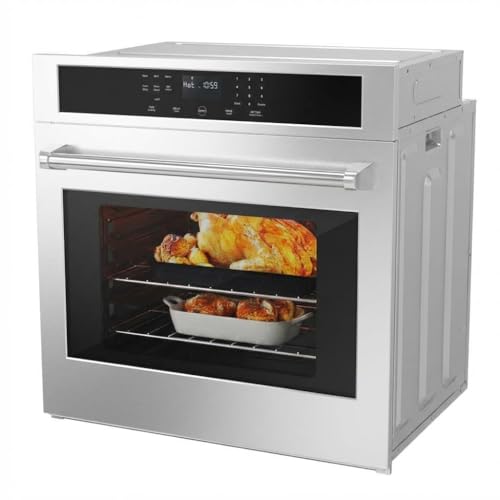
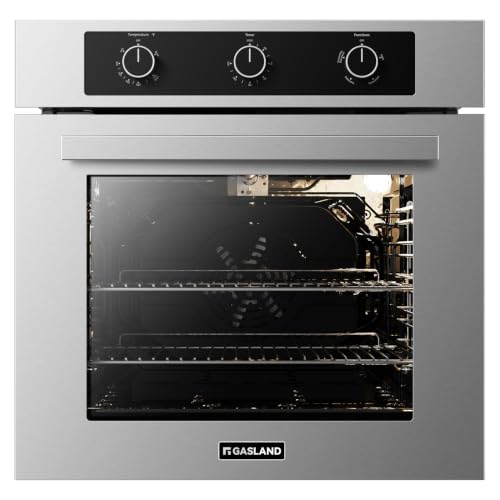
A wall oven is a self-contained cooking appliance that installs directly into your cabinetry, separate from your cooktop. A range, by contrast, combines the oven and cooktop into a single freestanding or slide-in unit. That distinction matters because it changes both your kitchen layout and your budget. With a wall oven, you buy the oven and cooktop as two separate appliances and plan two separate installation points. With a range, you get both functions in one footprint and one purchase.
Wall ovens also tend to sit higher off the floor, often at or near eye level, which means less bending to check on food or lift a heavy dish out of the oven. That ergonomic difference is one of the main reasons people choose a wall oven over a range even when it costs more to install. If you are still weighing whether a combined cooktop-and-oven unit makes more sense for your kitchen, our electric oven range buying guide breaks down how ranges compare on layout, cost, and everyday use.
When a Wall Oven Makes More Sense Than a Range
Wall ovens work well when you want the cooktop somewhere other than directly above the oven, such as on a kitchen island, or when you want the oven mounted at a more comfortable height. They also make it easier to add a second oven cavity later without giving up cooktop space. A range is usually the simpler, less expensive choice when you are working with a smaller kitchen or a tighter renovation budget and do not need a separate cooktop location.
Gas or Electric: How Fuel Type Shapes Your Options
Most wall ovens sold today are electric, and that is not a coincidence. Electric ovens spread heat more evenly, which matters for baking, and they give you finer control over temperature than gas typically allows. Electric models are also far more common in convection configurations, which circulate hot air for faster, more even cooking. Because electric wall ovens do not need a gas line, they can go almost anywhere in your kitchen layout as long as the electrical work supports them.
Gas wall ovens exist, but the selection is smaller. Gas heats up quickly and some cooks prefer it for roasting because it tends to retain moisture in meats and casseroles. The tradeoff is that gas ovens can heat less evenly than electric, particularly near the bottom of the cavity, which can make precise baking trickier. Gas models also require an existing gas line at the installation point, which is not always available where you want to place a wall oven, and adding one after the fact can add real cost to a remodel.
If you already bake often and want consistent results across cookies, cakes, and bread, electric is generally the safer default. If your kitchen is already piped for gas and you prioritize quick heat for roasting, a gas wall oven is worth considering, though you will want to confirm your local building code allows a gas wall oven at the location you have in mind.
Where and How It Installs: Cabinets, Placement, and Safety Requirements
Because a wall oven does not stand on its own like a range, the cabinetry around it has to be built or modified to support it. Getting this part wrong is one of the most common planning mistakes in a kitchen remodel, so it is worth understanding the basics before you shop.
Cabinet Columns, Under-Counter, and Island Installs
The most common setup is a tall cabinet column, sometimes paired with a microwave or second oven stacked above or below it. This puts the oven at a comfortable working height and keeps it visually integrated with surrounding cabinetry. Some wall ovens can also be installed under a countertop, similar to where a range would sit, though only specific models are rated for that configuration because of how heat needs to vent away from the unit. Island installations are also possible when the cabinetry and ventilation path support it. Whichever placement you are considering, check the manufacturer's installation manual for that specific model rather than assuming any cabinet opening will work.
Electrical and Clearance Standards to Confirm Before You Buy
Electric wall ovens typically need a dedicated high-voltage circuit sized for that appliance alone, not shared with other outlets. Gas models need a properly installed and inspected gas line. Beyond the utility connection, the cabinet opening needs enough clearance around the unit and enough door swing room in front of it so the oven door can fully open without hitting an island, wall, or nearby appliance. The cabinet floor supporting the oven also needs to be solid and level, since these units are heavier than they look once installed. Because of the electrical and structural work involved, most homeowners hire a licensed electrician and, in many cases, a contractor to confirm the cabinet meets the manufacturer's specifications before installation day.
Single, Double, or Combination: Matching the Oven to How You Cook
Once you understand how wall ovens differ from ranges and what installation involves, the next decision is how many cooking cavities you actually need. This is where your everyday cooking habits matter more than any spec sheet.
Signs a Single Oven Is Enough
If you cook for one to four people most nights and only occasionally need extra oven space for holidays or entertaining, a single wall oven usually covers it. It costs less to buy, needs less cabinet space, and is simpler to install than a two-cavity unit. Our single wall oven buying guide covers exact sizing, capacity, and feature tradeoffs once you are ready to narrow down a specific model.
Signs You Should Consider a Double or Combination Oven
If you regularly cook multiple dishes at different temperatures, host large gatherings, or bake and roast at the same time on a normal week, a double wall oven removes the bottleneck of sharing one cavity. Some households instead choose a combination unit, which pairs a full-size oven with a second cooking technology such as a microwave, speed oven, or steam oven in roughly the same footprint. Combination units are worth a look if counter space is tight but you still want more than one way to cook at once. For a full breakdown of when the extra capacity is worth the cost and cabinet space, see our double wall oven buying guide.
How Wall Oven Lineups Are Typically Organized
Manufacturers generally organize their wall oven lineups in tiers rather than offering just one version of each size. Entry-level models usually cover the essentials, standard convection, basic self-clean, and a straightforward control panel, at a lower price point. Mid-range and premium models tend to add features like true convection, additional cooking modes, smart connectivity for remote monitoring, and finer temperature control. At the higher end, many brands also offer panel-ready designs, which are built to accept a custom cabinet-matching front panel instead of a standard finish, so the oven blends into surrounding cabinetry rather than standing out as an appliance.
Because lineups vary this much, it is worth deciding which features actually matter to you, convection type, self-clean method, smart features, panel-ready compatibility, before comparing specific models. That way you are not paying for a premium tier of features you will not use, or settling for an entry-level unit that is missing something you actually needed.
Frequently Asked Questions
What is a wall oven and how is it different from a regular oven range?
A wall oven is a standalone oven built into cabinetry, with the cooktop sold and installed separately. A range combines the oven and cooktop into one freestanding or slide-in appliance.
Is a wall oven better than a range?
Neither is universally better. Wall ovens offer more flexible placement and a more comfortable working height, while ranges are generally simpler and less expensive to install since they combine both functions in one unit.
Should I choose a gas or electric wall oven?
Electric is the more common choice and tends to heat more evenly for baking. Gas heats up faster and some cooks prefer it for roasting, but it requires an existing gas line and the selection of gas wall ovens is smaller.
Does a wall oven need to be professionally installed?
In most cases, yes. Electric wall ovens need a dedicated circuit and gas models need a properly connected gas line, so most homeowners bring in a licensed electrician or contractor to confirm the cabinet and utility connections meet the manufacturer's requirements.
Should I get a single or double wall oven?
A single oven usually covers everyday cooking for smaller households, while a double oven helps if you regularly cook at two temperatures at once or host large gatherings. A combination unit with a microwave or steam function is another option if cabinet space is limited.
Can a wall oven go under a countertop instead of in a tall cabinet?
Some models are rated for under-counter installation, but not all of them. Ventilation requirements differ from a tall-column install, so you need to confirm the specific model is approved for that placement before planning around it.
What is a combination wall oven?
A combination wall oven pairs a full-size oven cavity with a second cooking technology, such as a microwave, speed oven, or steam oven, in a single built-in unit, giving you more cooking versatility without adding cabinet footprint.
Making Your Decision
Choosing among wall ovens starts with understanding how they differ from a range, deciding on gas or electric, and confirming your cabinetry can support the installation. From there, the real decision comes down to how you cook day to day. Once you know whether you need one cavity, two, or a combination unit, our single and double wall oven guides can help you narrow down sizing and features from there.