Best 24 Inch Wall Ovens in 2026: Compact Buying Guide
Disclosure: We may earn a commission when you buy through links on this page, at no extra cost to you. As an Amazon Associate I earn from qualifying purchases. Learn more
Compare the best 24 inch wall oven types by convection, cavity size, cutout fit and circuit needs for narrow kitchens and apartments.
Picture a narrow galley kitchen where the old oven gave out midweek and the cabinet opening measures just two feet across. A standard 30 inch model will never fit that space, and a countertop oven cannot handle your Sunday roast. That is exactly the problem the best 24 inch wall oven solves, giving you a real built in oven at eye level without a remodel. This guide helps you choose by space, household size, and budget.
Rather than pushing one model on every reader, the guide compares the main types side by side and walks through the measurements that decide whether an oven fits at all. Start with the quick answer below, then use the checklist to narrow your shortlist. If you are still weighing the wider category first, our guide to the best wall oven covers the larger sizes too.


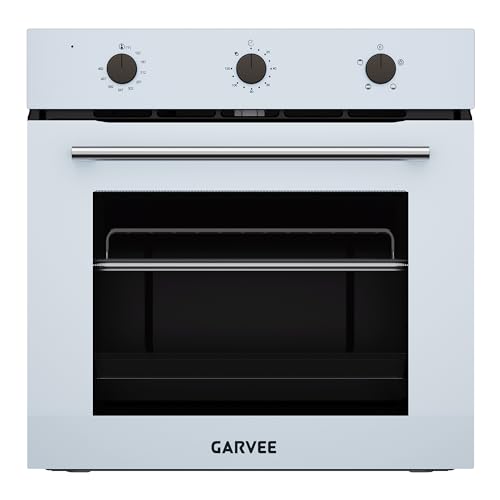


Quick Answer: The Three Types Worth Comparing
Nearly every 24 inch wall oven falls into one of three types. A basic electric single oven covers daily baking and roasting for the lowest cost. A convection single oven adds a fan that evens out heat for people who bake often. A microwave combo pairs an oven cavity with a microwave above it, saving a second appliance slot. Most small households do best with the convection type, while tight budgets suit the basic type.
Before You Buy: A Quick Checklist for Choosing a Wall Oven
Work through these points in order, because a failed measurement or circuit check can rule out an oven before its features ever matter.
Size: Match It to Your Space
The 24 inch class exists for narrow cabinets, apartment kitchens, and in law suites where a 30 inch oven would swallow the room. If your opening is wider, stepping up may serve you better, and our guide to the best 27 inch wall oven explains what that extra width buys. Measure your existing cutout before anything else, because many older homes were built around this exact size and the cabinetry around it cannot move.
Which Type Fits Your Routine
Most buyers in this size end up comparing single ovens, since double models at 24 inches are rare and squeeze each cavity hard. If one cavity matches how you cook, browse the best single wall oven category to see how the layout works across sizes. The bigger daily decision is the heating style, and our explainer on convection vs conventional oven walks through how fan circulation changes baking results. Electric power dominates this size class, gas versions are uncommon, and steam or air fry functions appear only on select upper tier models.
Features Worth Paying For, and Ones to Skip
A temperature probe earns its cost if you roast whole birds or large cuts often, since it removes the guesswork around doneness. Self cleaning cycles save real effort, and WiFi alerts help if you tend to wander from the kitchen. You can safely skip rotisserie kits in a cavity this narrow, warming drawers that duplicate your stovetop, and steam functions you will use twice a year. Air fry modes are pleasant but rarely worth a large price jump, because a small basket appliance does the same job.
Measurements and Compatibility With Your Setup
The cabinet cutout matters more than the badge width. A 24 inch oven often needs a cutout about 22 to 23 inches wide, with depth and height set by the maker, so confirm all three numbers against the install sheet. Interior width often lands around 17 to 19 inches, which means a standard half sheet pan can be a snug fit and a quarter sheet pan is the safer daily choice. Check your electrical supply as well, because most models need a dedicated 240 volt circuit, and confirm the junction box position allows the conduit to reach.
Safety Listings and Certifications
Look for a UL or ETL listing on the rating plate, which shows the oven was certified for electrical safety in home use in the United States. That listing is the certification that actually applies to this appliance. A clear listing also matters for home insurance and for passing a kitchen inspection after a remodel.
Doing It Yourself Versus Hiring a Pro
Swapping a like for like electric oven is within reach for a confident homeowner who is comfortable shutting off a breaker and moving a heavy unit with a helper. New wiring, a moved junction box, or cabinet cutting pushes the job into pro territory. Our breakdown of wall oven installation cost shows what that labor typically runs, and the step by step in how to install a wall oven helps you judge honestly whether your swap is simple or involved.
Realistic Budget Ranges
Basic electric models run about $500 to $900 and cover everyday baking with dial or simple touch controls. The middle band, about $900 to $1,500, usually adds true convection, better racks, and a self cleaning cycle. Spending about $1,500 to $3,000 moves you toward premium finishes, smarter controls, and quieter cooling fans. Installation and delivery sit on top of those figures, so hold back part of your budget for them.
Three Types Compared: Choosing by Home and Routine
With the checklist done, these three profiles cover how most households actually use a compact wall oven day to day.
Best for Most Homes: The Convection Single Oven
This is the type to beat for a primary kitchen. The fan keeps rack to rack temperatures close, so two trays of cookies bake evenly without rotation, and roasts brown more consistently than in a still air cavity. You give up nothing in capacity compared with a basic model, and the price premium is modest. For couples and small families who cook dinner most nights, this balance of even results and fair cost is hard to argue against.
Best on a Tight Budget: The Basic Electric Single Oven
A simple electric oven with bake, broil, and a timer handles casseroles, frozen meals, and weeknight roasting without fuss. Controls stay easy for guests, older relatives, and renters who did not choose the appliance. What you give up is finesse: hot spots near the elements mean you rotate pans, and finishes and rack quality feel plainer. In a rental, a basement suite, or a first apartment, those trade offs are sensible ones that keep the total project cost down.
Best Long Term Investment: The Premium Feature Rich Oven
Upper tier models repay their price slowly through details you touch daily, such as glide racks that stay steady under a heavy Dutch oven, bright cavity lighting, and doors that close softly instead of slamming. This type suits owners who plan to stay in the home a long while and cook enough to notice small frustrations. The risk is paying for connected features that age faster than the oven around them.
How This Guide Weighs Your Options
The comparisons here rest on the factors that decide daily satisfaction with a compact oven: fit against real cabinet openings, usable cavity space, control clarity, build quality you can judge from door action and rack feel, warranty length, and the maker support network behind the unit. Spec sheets and verified owner feedback supply the evidence, because the right choice shifts with your cabinet, your circuit, and your cooking habits.
Is a 24 Inch Wall Oven the Right Size for You?
This size shines in apartments, condos, small older homes, and accessory suites, and as a second oven in a big kitchen where the main range stays busy during holidays. One or two people, or a small family that cooks in modest batches, will rarely feel squeezed. You may outgrow it if you regularly bake for a crowd, host large holiday meals, or need two full sheet pans side by side. Large families often do better treating a 24 inch unit as a helper oven rather than the only one. Also weigh the comfort win: a wall oven puts the cavity at eye level, so lifting a heavy pan means no bending over a low range oven door.
Common Buying Mistakes to Avoid
- Measuring the door width instead of the cabinet cutout, which leaves you with an oven that cannot slide in.
- Assuming your circuit is ready, then paying for an electrician visit after the delivery truck arrives.
- Buying for features you will not use, which inflates the price while the cavity you cook in stays the same.
- Forgetting door swing and handle depth, so the open door blocks a walkway or a nearby drawer.
- Skipping the pan check, only to learn your favorite roasting pan is wider than the cavity.
Cost of Ownership and Care
Running costs stay modest, since a smaller cavity heats less air than a 30 inch oven and preheat times run shorter. Your ongoing spend is mostly small items: replacement bulbs, rack care, and an occasional door gasket after years of use. Wipe spills once the oven cools, because baked on residue smokes and flavors later dishes. Use the self cleaning cycle sparingly, a few times a year at most, since the extreme heat stresses electronics and seals.
Your Questions, Answered
What is the most reliable wall oven brand?
No single brand wins for every buyer, and reliability surveys shuffle rankings from year to year. A steadier way to judge is the local service picture: makers with nearby authorized technicians and ready parts supply get you cooking again faster when something fails. A longer warranty on the control board is also worth more than a famous badge, because electronics, not heating elements, cause most modern oven repairs.
How do you clean a wall oven?
Remove the racks first and wash them in the sink, since most racks should not stay in during a high heat self clean cycle. For routine care, a paste of baking soda and water left overnight loosens grease without harsh fumes, and the glass cleans well with a razor scraper held flat. Clean the area around the door gasket by hand only, because scrubbing the seal itself can tear it and let heat escape.
Is a wall oven worth it?
For many homes, yes, mainly because of placement. Cooking at eye level makes checking doneness easier and keeps hot doors away from small children passing through. The worth fades if your kitchen needs the cabinet space for storage or if a range would serve the same meals for far less money. You are paying for ergonomics and a cleaner counter line, not better food.
How long does a wall oven last?
Most home wall ovens serve about 13 to 16 years before repair costs start to rival replacement. One habit stretches that span: avoid running the self clean cycle right before a big cooking event, because a failure then leaves you without an oven when you need it most. Planning replacement near the end of that window, on your schedule instead of during a holiday week, is the calmer path.
What size wall oven do I need?
Start from the food, not the wall. If a 9 by 13 inch baking dish and a quarter sheet pan cover nearly everything you make, a 24 inch cavity is plenty. If you regularly roast a large turkey with sides reheating at the same time, you need either a bigger oven or a second heat source. Your household size matters less than your biggest regular meal, so size for that meal honestly.
What is the best 24 inch wall oven?
The honest answer is the one that fits your cutout, runs on your circuit, and matches how you cook. For most small kitchens that means a convection single oven in the middle price band. Add one detail buyers overlook: check the interior light position and control layout in person if you can, because you will read that display at arm length, often with wet or floury hands.
Final Thoughts
A compact oven rewards careful measuring more than feature chasing. Confirm the cutout, the circuit, and your biggest pan, then pick the type that matches your routine: basic for tight budgets, convection for most homes, premium for owners settling in for years. The best 24 inch wall oven for you is the one that disappears into daily cooking. Look back at the product table above to compare your shortlist before you order.