Best Single Wall Oven: A Complete Buying Guide
Disclosure: We may earn a commission when you buy through links on this page, at no extra cost to you. As an Amazon Associate I earn from qualifying purchases. Learn more
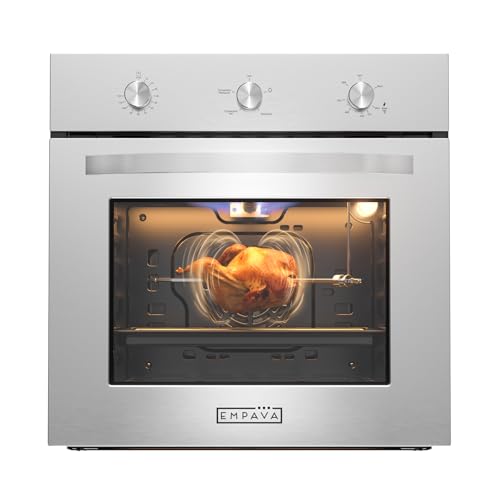
Ripping out an old range often leaves an empty rectangle in the cabinetry, and figuring out what goes back in is bigger than it looks. A single wall oven is one of the most common answers: a built-in appliance with one cooking compartment, installed directly into a cabinet or wall enclosure and kept completely separate from the cooktop. It suits kitchens that don't need two ovens running at once, and it usually costs less to buy and install than a two-compartment model. This guide walks through the sizes you'll actually find, how much capacity fits a typical household, when one compartment beats two, which features are worth paying attention to, and how installation height affects everyday use.
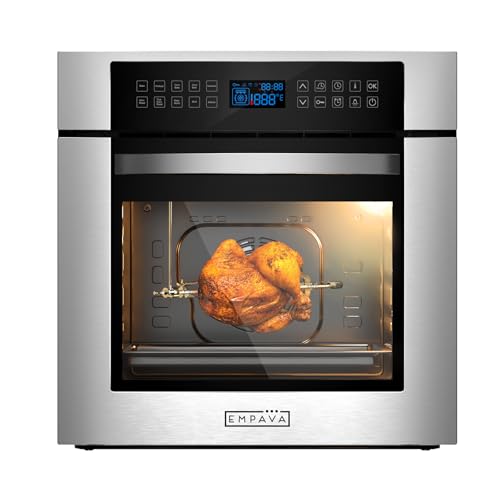

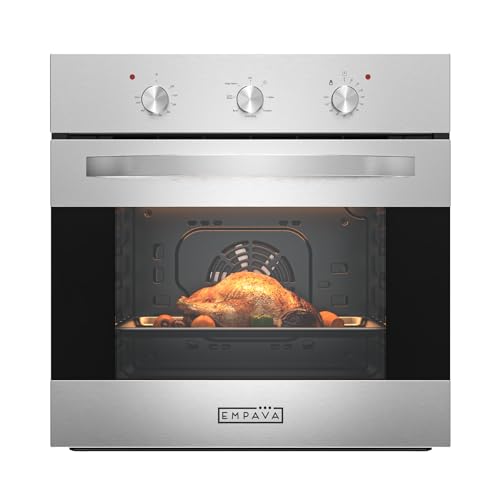
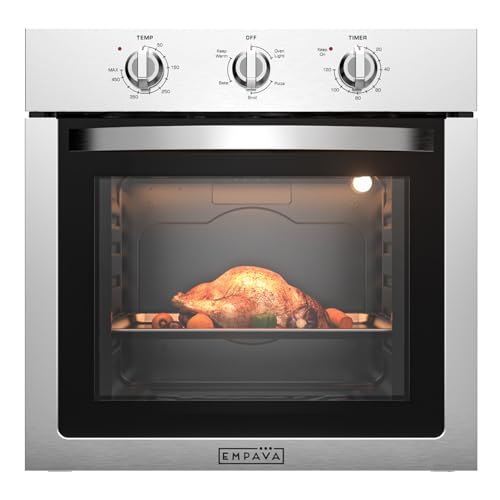


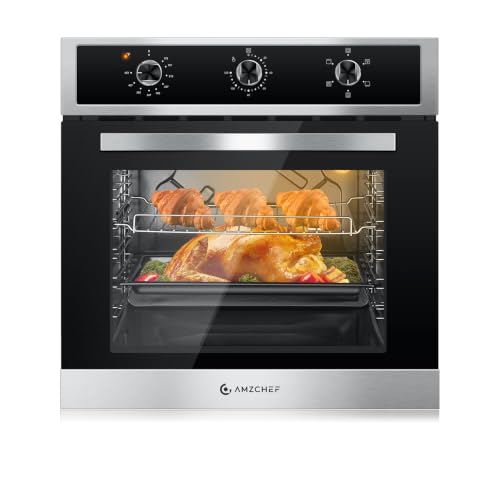
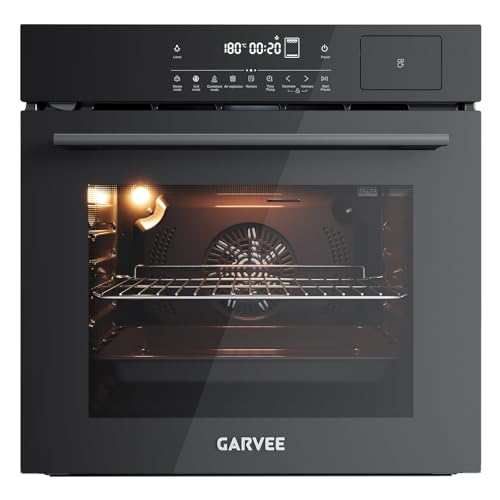

How a Single Wall Oven Differs from an Oven Range
A range combines the oven and the cooktop into one appliance that drops into a single cabinet opening. A wall oven does neither of those jobs alone. It is a standalone cooking compartment, and the cooktop that goes with it is a completely separate purchase, mounted wherever the layout makes sense, on an island, along a perimeter counter, or anywhere else that isn't tied to the oven's location.
That separation is the whole point for a lot of kitchens. Instead of one large 30-inch footprint holding both burners and oven, a wall oven can sit in a tall cabinet near prep space while the cooktop lives somewhere else entirely, which opens up the layout in ways a range simply can't. It also means the oven can be installed at a height that's comfortable to load and check, rather than sitting at floor level the way a range's oven does.
The tradeoff is upfront cost and installation complexity. Buying a wall oven and a cooktop separately generally runs higher than buying one range, and it requires two separate cutouts, two sets of electrical or gas connections, and more coordination during a remodel. If a kitchen's layout already forces the oven and cooktop into the same footprint, or if budget and simplicity matter more than layout flexibility, an all-in-one range is usually the more practical choice. If flexibility and ergonomics matter more, a wall oven wins.
Standard Single Wall Oven Sizes and How Much Capacity You Need
Cutout Widths: 24, 27, and 30 Inches
Single wall ovens come in three standard widths: 24, 27, and 30 inches, with 30 inches being the most common. Cutout height typically runs between roughly 27 and 28 inches, and depth usually falls between 22 and 24 inches to fit standard cabinet construction. These numbers vary slightly by manufacturer, so if a kitchen is being remodeled from scratch, it's worth deciding on the oven model before the cabinetry is built rather than after.
If a single wall oven is replacing an older one in existing cabinetry, measuring the current cutout is the single most important step. Some units have a front edge or trim kit that sits proud of the cabinet face, so the true cutout dimensions can be a little narrower than the visible door. Measuring from inside the cabinet opening, not just the old oven's exterior, avoids an unpleasant surprise on installation day.
Matching Capacity to Your Household
Interior capacity scales with width. A 24-inch model typically offers somewhere in the 2 to 3.5 cubic foot range, while 27 and 30-inch models generally land closer to 4 to 5 cubic feet. That difference matters more than it sounds like on paper: a 24-inch oven can feel tight for a full sheet pan or a holiday-size roasting pan, while a 30-inch model comfortably handles both.
As a rough guide, a household of one or two people rarely outgrows a 24-inch oven's capacity for everyday cooking, and light bakers in that situation sometimes get by with an even smaller convection microwave oven combo instead. A family of three or four tends to be better served by a 27 or 30-inch model, especially if baking or batch cooking happens regularly. Anyone who hosts large meals a few times a year should lean toward the larger end of that range even if daily cooking needs are modest, since capacity is far easier to plan for upfront than to work around later.
Single vs Double Wall Oven: When One Compartment Is Enough
A double wall oven stacks two separate compartments that can run at different temperatures at the same time, which is genuinely useful for anyone who regularly cooks multiple dishes that need different heat settings, or who hosts big gatherings where oven space becomes the bottleneck. That flexibility comes at a real cost, though: a double oven takes up more vertical cabinet space, weighs more, and typically costs noticeably more than a single unit of comparable quality.
For most households, a single wall oven with a roomy interior handles the day-to-day workload just fine. One compartment large enough for a sheet pan, a casserole dish, and a roasting pan at once covers the vast majority of home cooking, including most holiday meals if the capacity is on the larger side. The households that consistently miss having two ovens are usually the ones already cooking at a scale where a double oven pays for itself, frequent entertainers, larger families with staggered meal times, or anyone doing serious weekend baking alongside dinner prep.
A useful way to decide is to think back over the last several months of cooking. If oven space has rarely, if ever, been the limiting factor, a single wall oven is very likely enough, and the money and cabinet space saved can go toward other parts of the kitchen.
Convection, Self-Cleaning, and Other Features Worth Considering
Standard Convection vs True Convection
Standard convection uses a fan to move air around the cavity, which helps food cook a bit more evenly than a non-convection oven. True convection adds a third heating element behind that fan, so the air being circulated is actively heated rather than just moved around, which produces more consistent temperatures throughout the cavity and tends to shorten cook times slightly. For anyone who bakes often or cooks multiple racks at once, true convection is one of the more worthwhile upgrades to look for.
Self-Clean vs Steam Clean
Traditional self-clean cycles heat the cavity to a very high temperature to incinerate spills and residue, a process that can take several hours and produces some odor and heat in the kitchen. Steam clean cycles use lower heat and added water to loosen residue in a much shorter cycle, and it's generally considered gentler on the oven's interior finish and easier to live with day to day, though it's less effective on heavily baked-on messes. Some models offer both, letting the steam cycle handle routine upkeep and the high-heat cycle handle occasional deep cleaning.
Beyond those two features, it's worth checking how the oven's controls work, whether it's knobs, buttons, or a touchscreen, since that affects how easy day-to-day use feels more than almost any spec sheet number.
Where and How High to Install a Single Wall Oven
One of the practical advantages of a wall oven over a range is installation height. Rather than being fixed at floor level, a single wall oven can be mounted so the interior floor sits close to countertop height, which makes sliding pans in and out far less of a strain on the back. Many installations put the oven at roughly eye level for the household's average user, cutting out the bending and kneeling that comes with a floor-level oven.
Under-counter installation is also possible with the right model, but not every oven is designed for it. Units built specifically for eye-level placement often need ventilation clearance that a standard under-counter cabinet doesn't provide, so it's worth confirming a given model supports under-counter installation before planning the layout around it. Whichever height is chosen, leaving enough clearance for the door to open fully without hitting an island, wall, or walkway is worth double-checking during planning rather than after the cabinetry is built.
Frequently Asked Questions
What size wall oven do I need?
Most households do well with a 27 or 30-inch model, which offers enough interior room for sheet pans and larger dishes. A 24-inch model works fine for one or two people with modest cooking needs, but it can feel tight for regular batch cooking or holiday meals.
What is the standard cutout size for a wall oven?
Standard widths are 24, 27, and 30 inches, with height typically around 27 to 28 inches and depth around 22 to 24 inches. Exact figures vary by manufacturer, so it's important to measure the actual cabinet opening rather than assume a size.
Should I get a single or double wall oven?
A single oven with strong capacity covers most everyday cooking and most holiday meals if it's sized generously. A double oven makes more sense for households that regularly need two different temperatures running at once or that entertain large groups often.
What's the difference between a wall oven and a range?
A range combines the oven and cooktop in one appliance and one cabinet opening. A wall oven is a standalone compartment installed separately from the cooktop, which allows more layout flexibility and a more comfortable installation height, at a higher combined cost.
Do I need to buy a cooktop separately with a wall oven?
Yes. A wall oven only handles baking and roasting. The cooktop is a completely separate appliance that gets chosen and installed independently, often in a different part of the kitchen layout.
How much capacity does a single wall oven have?
Capacity generally runs from about 2 to 3.5 cubic feet in 24-inch models up to roughly 4 to 5 cubic feet in 27 and 30-inch models. Larger capacity makes a meaningful difference for anyone who bakes multiple pans at once or hosts larger meals.
Is true convection worth it in a wall oven?
For frequent bakers or anyone cooking multiple racks at a time, true convection generally delivers noticeably more even results than standard convection. For occasional or simple cooking, the difference matters less and may not justify the added cost.
How high should a wall oven be installed?
Many households place the oven near eye level so the interior floor sits close to countertop height, which reduces bending. Under-counter installation is possible with some models, but it requires confirming the specific unit is designed for that clearance and ventilation setup.
Making Your Decision
A single wall oven works well for the majority of households: enough capacity for everyday cooking and most gatherings, a comfortable installation height, and a lower combined cost than going the double-oven route. The details worth nailing down before buying are the cutout size that fits the cabinetry, a capacity that matches how often and how much cooking actually happens, and whether the layout calls for eye-level or under-counter placement. Get those three right, and the rest of the decision tends to fall into place.