Best Builtin Ovens: Fit, Types, and Features for 2026
Disclosure: We may earn a commission when you buy through links on this page, at no extra cost to you. As an Amazon Associate I earn from qualifying purchases. Learn more

Cutout size, power supply, oven type, and cleaning method decide which best builtin ovens fit your kitchen.
A built-in oven is part appliance and part kitchen project: it slides into a cabinet or wall opening, connects to fixed power, and is not easy to swap if you choose badly. The best builtin ovens fit the opening exactly, heat evenly on every rack, and clean without a long scrub. This guide covers fit, oven types, features, cleaning methods, and installation so you can read the product table with a plan.
Start with measurements and power, then pick the type that matches the way you cook. Extra programs and smart controls come last.



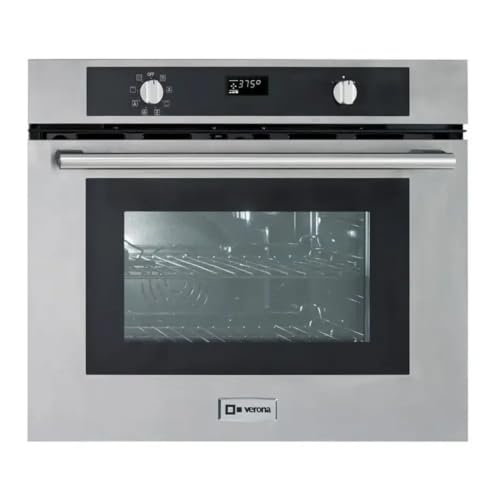


Measure the Opening First
Built-in ovens come in standard cutout widths, most often about 24, 27, or 30 inches, and in single or double heights. The cutout size in the maker's installation guide matters more than the outer door size. Measure the opening width, height, and depth in three places, because older cabinets are rarely square, and use the smallest number. Leave the ventilation space the maker specifies, and confirm that the cabinet can carry the weight, especially for a double oven.
Check where the power comes from. Most electric built-in ovens need a dedicated circuit and a hardwired connection, and gas models need a gas line and an electrical feed. A qualified installer should confirm the circuit before delivery day.
Who Should Buy Which Type
Replacing an Old Oven
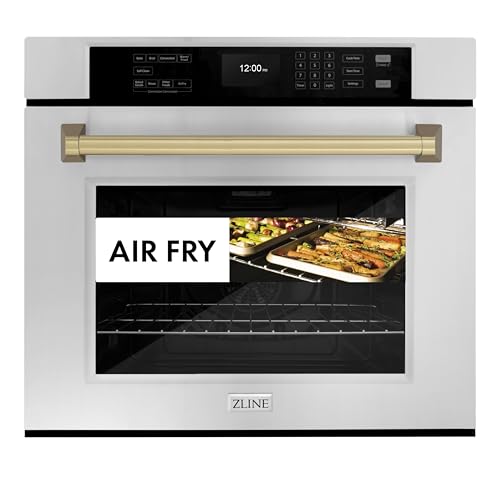
If you already have an opening, the easiest path is a model with the same cutout size and power type. A single wall oven with convection and a simple timer covers most daily meals.
Families Who Cook Two Dishes at Once
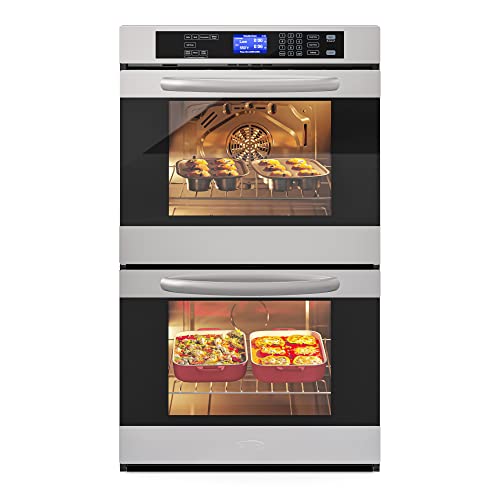
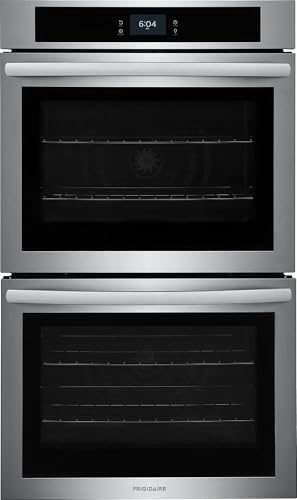
A double wall oven gives you two cavities at different temperatures, such as a roast in one and a side dish in the other. Check that the main cavity fits your largest roasting pan.
Remodelers Planning a Cooking Wall
You can choose the tallest cabinet and add a steam oven or microwave combination for flexible cooking. Plan the layout before ordering cabinets so the door swing clears nearby handles.
Bakers and Roast Cooks
Even heat is your top priority. Look for true convection with a third heating element, several rack positions, and stable temperature control.
Types of Built-In Ovens Compared
Single ovens give one tall cavity and are the simplest to install. Double ovens stack two cavities, with a smaller top oven that heats quickly. Steam ovens cook gently with moisture, which helps with vegetables, fish, and reheating bread. Combination ovens add a microwave or speed-cook function. If you are weighing options, see our guides to the best gas ovens, the best induction ovens, and the best conventional ovens for how fuel and heating style change the choice.
Key Features to Compare
Capacity and Racks
Capacity is quoted in cubic feet, and a single oven of about 4.5 to 5.0 cubic feet fits most family meals. Count rack positions and measure your widest baking sheet against the interior width.
Convection and Heat Control
Convection uses a fan to move hot air so several trays cook evenly. True or European convection adds a heating element around the fan for the most even results. Look for accurate digital temperature control and a preheat indicator.
Cleaning Method
Self-clean cycles heat the empty oven very high and turn residue to ash, but they lock the door and warm the kitchen, so ventilate well. Steam clean is gentler and works on light soil. Catalytic liners absorb splatter during normal cooking.
Controls and Smart Features
Knobs are easy to use with wet hands, while touch controls wipe clean and give precise settings. A delayed start and an auto shutoff are helpful. WiFi control is a convenience, not a necessity.
Safety Features
A control lock keeps children from changing settings, and multi-layer door glass keeps the outer surface cooler. Keep children away from the oven during use and cleaning cycles.
Price and Value
Single built-in ovens often run about $1,000 to $2,500, double ovens about $1,800 to $4,000, and premium steam or combination models more. Add installation, a cabinet change if the size differs, and an electrician if the circuit needs work. A longer warranty and easy parts access protect the value. For a look at construction across price tiers, our guide to the best quality ovens adds more checks.
Installation Safety
Electrical and gas work belongs to a qualified installer. Make sure the oven is level and fixed to the cabinet so it cannot tip when the door is open with a heavy dish on it. If you smell gas, see scorch marks on wiring, or feel tingling from the casing, switch the supply off and call a professional.
Matching an Oven to How You Cook
Think about the dishes you cook most. Frequent bakers benefit from convection, steady low temperatures, and a spacious cavity. Roast cooks want a large main oven, a sturdy rack that pulls out smoothly, and a probe or accurate temperature control. Households that reheat and cook for one or two people do well with a compact 24 inch single oven, while large families and hosts often prefer a double so the turkey and the sides finish together.
Think about height too. A wall oven mounted at chest height means less bending and safer handling of hot dishes, while an under-counter model keeps the wall space free but asks you to crouch. Confirm the door swing and the landing space beside the oven so there is always a safe spot to set a hot tray down.
Ventilation and Cabinet Planning
An oven needs air around it to run safely. The maker's guide lists clearances at the sides, top, and rear, and cabinet doors beside the oven should be heat-rated or kept clear of the front. Do not store paper, plastic, or cloth in the cabinet directly below or above the oven. If the oven sits next to a refrigerator or a wall of drawers, ask the installer to check the heat path before the final install.
Care and Maintenance
- Wipe spills once the oven is cool, before sugar and fat bake on.
- Check the door seal for cracks or flat spots every few months.
- Wash racks in hot soapy water, and clean the glass with a non-scratch cleaner.
- Do not block the ventilation openings with stored trays.
- Run the first heat-up empty to burn off factory smells.
Common Mistakes
- Measuring only the door front instead of the cutout.
- Ignoring the power supply until delivery day.
- Adding both cavity sizes together and missing a main oven that is too small.
- Paying for smart features that never get used.
Frequently Asked Questions
What size built-in oven do I need?
Match the cutout width, height, and depth in the installation guide. A 30 inch single oven is the most common size, and 27 and 24 inch models suit smaller kitchens.
Is convection worth paying for?
Yes, if you bake on more than one rack or roast often. The fan evens out heat so trays finish together. Many cooks lower the temperature slightly for delicate baking.
Do built-in ovens need a dedicated circuit?
Electric models almost always do. Have an installer confirm the cable size and breaker for your home before delivery.
How long does a built-in oven last?
Usually 12 to 15 years with normal use. Elements, fans, and door hinges may need repair along the way.
Single or double oven?
Choose a double if you often cook two dishes at different temperatures or host holiday meals. A single oven is simpler and cheaper for everyday cooking.
Final Thoughts
Measure the opening, confirm the power supply, then choose the type and cleaning method that suit your cooking. Compare your shortlist in the product table, and the best builtin ovens for your kitchen will be the ones that fit well, heat evenly, and are easy to keep clean.