Best Water Saving Toilets for Home: A GPF Buying Guide
If your water bill keeps creeping up or your local utility has started pushing conservation rules, the toilet is usually the first fixture worth replacing. It is the single biggest water user in most homes, and an old model can waste thousands of gallons a year without you ever noticing. Choosing the best water saving toilets for home use is not just about grabbing anything labeled "low flow," though. The GPF number on the box, the flush technology inside the tank, and a third-party performance rating all matter more than the sticker itself. In this guide, you will learn how to read a GPF rating correctly, what separates gravity, dual-flush, and pressure-assist systems, why some water-saving toilets clog and others do not, and roughly how much you can expect to save once the new toilet is installed.
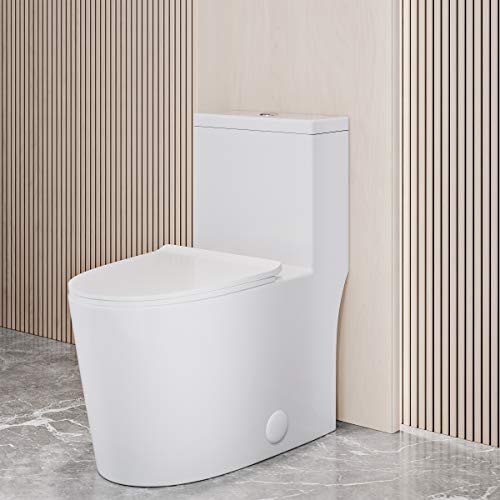
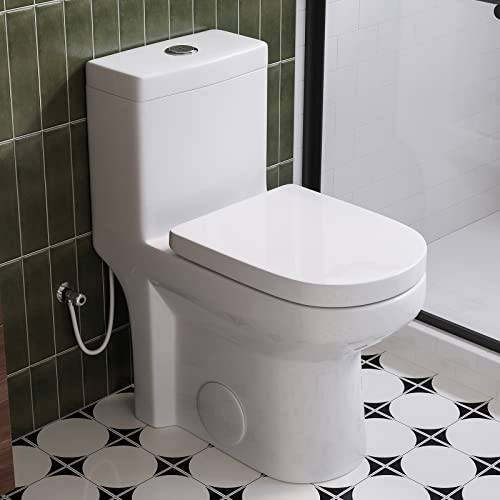
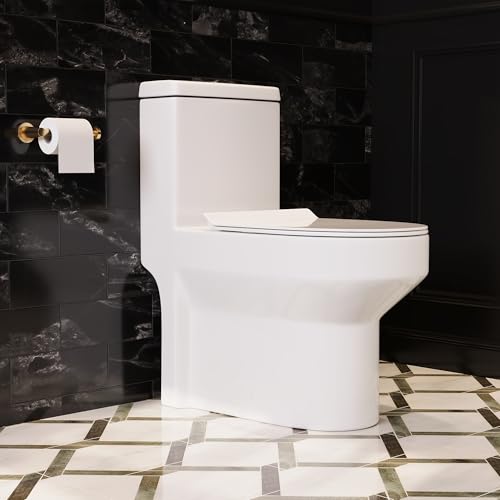
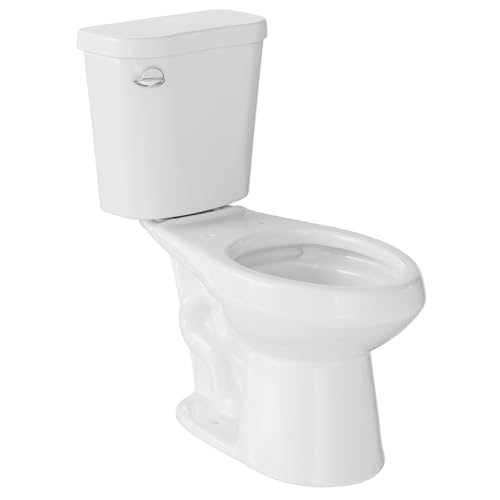
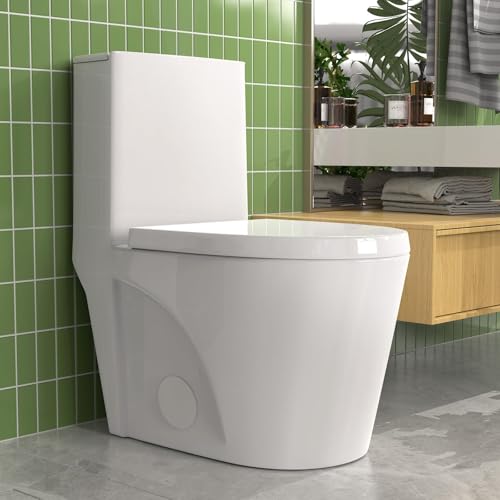
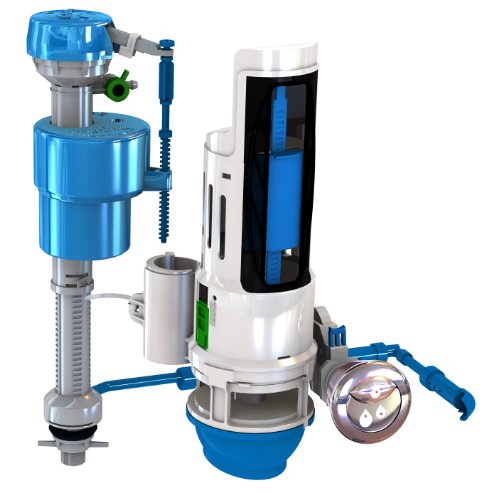
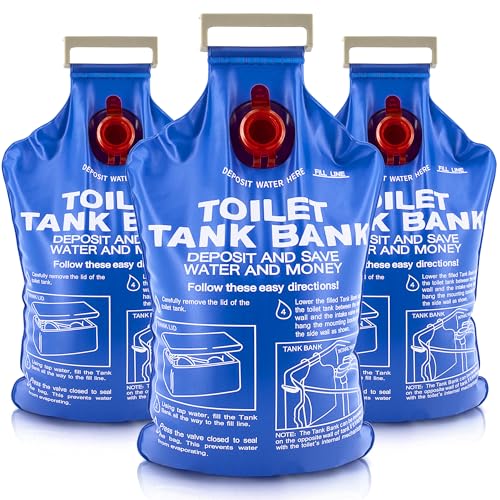
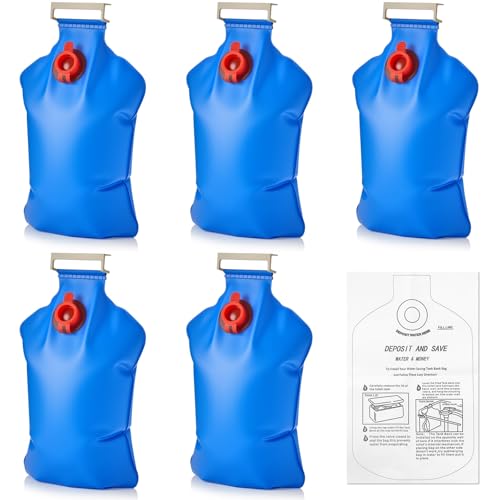
How Many Gallons Per Flush Should a Water-Saving Toilet Use?
Every toilet sold in the United States has a gallons-per-flush, or GPF, rating, and that number is the fastest way to gauge how water-efficient a model is. Federal law has capped new toilets at 1.6 gallons per flush since the early 1990s, but that is now considered the baseline, not a water-saving option. A genuinely efficient toilet needs to beat that number by a meaningful margin.
The WaterSense Threshold and Why 1.28 GPF Is the Baseline
The EPA's WaterSense program certifies toilets that use 1.28 gallons per flush or less while still meeting minimum flushing performance standards. That 20 percent reduction from the federal cap is why 1.28 GPF has become the practical starting point for anyone shopping specifically for water savings. Look for the WaterSense label directly on the box or spec sheet rather than relying on marketing phrases like "eco" or "efficient," which are not regulated terms.
How Low Can You Go: 1.1, 0.8, and Dual-Flush Numbers
Beyond the 1.28 GPF baseline, a growing number of ultra-high-efficiency toilets push usage down to 1.1 gallons per flush, and some dual-flush models drop as low as 0.8 gallons on the reduced setting. These lower numbers translate directly into water saved every time someone uses the bathroom, but they also raise a fair question: does less water mean weaker flushing? That is covered in more detail further down, since it is one of the most common hesitations buyers have. The same flow-rate labeling logic applies elsewhere in the bathroom too, including a low-flow shower head if you want to cut water use beyond just the toilet.
Reading the GPF Rating Before You Buy
GPF is usually printed inside the tank lid or on a sticker near the base, and it should also appear on the product listing or spec sheet before you buy. If a listing does not state a GPF number at all, treat that as a red flag rather than assuming it is efficient. Dual-flush models will list two numbers, a lower one for liquid waste and a higher one for solid waste, and the WaterSense certification applies to the average of the two. Getting this number right is the first real filter for finding the best water saving toilets for home shoppers, since everything else builds on it.
Gravity, Dual-Flush, or Pressure-Assist: Which Flush Technology Fits Your Bathroom?
GPF tells you how much water a toilet uses, but flush technology determines how that water gets used. There are three main mechanisms on the market, and understanding them is the next step toward identifying the best water saving toilets for home bathrooms specifically, rather than commercial ones.
Dual-Flush Gravity Toilets
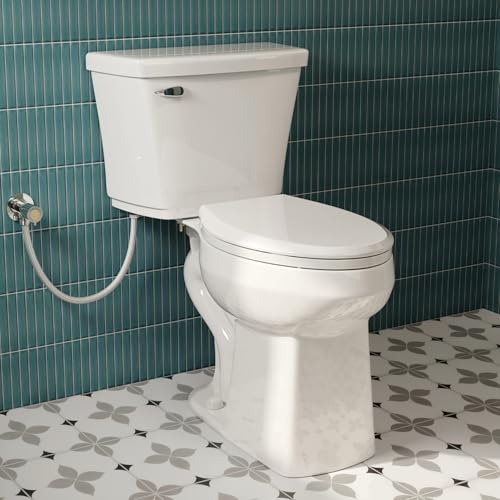
Dual-flush toilets use ordinary gravity to move water into the bowl, just like a standard toilet, but they give you two buttons or a split handle. A light flush handles liquid waste with a fraction of a gallon, while a full flush handles solid waste at or near the 1.28 GPF ceiling. This is the most common water-saving design in residential bathrooms because it is quiet, familiar to use, and easy to service with parts most plumbers already stock.
Pressure-Assist Toilets
Pressure-assist models use a sealed chamber inside the tank that gets pressurized by the incoming water line. When you flush, that pressurized air forces water into the bowl with considerably more force than gravity alone, often using well under a gallon per flush while still clearing waste effectively. The trade-off is noise. These toilets are noticeably louder than a gravity model, which is why they show up more often in rental properties, offices, and commercial restrooms than in a primary bathroom, and why most lists of the best water saving toilets for home use lean toward gravity or dual-flush models instead.
Single-Flush Gravity Toilets
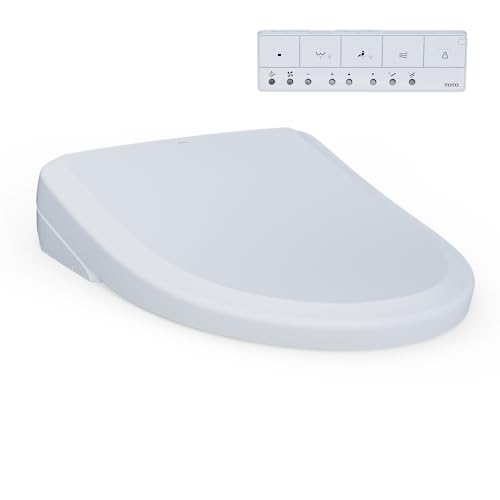
A single-flush gravity toilet uses one flush volume for everything, relying on tank water weight, bowl shape, and trapway design to clear waste efficiently at 1.28 GPF or lower. It is the simplest mechanism to maintain and typically the least expensive of the three, though it does not offer the extra water savings that a dual-flush design provides on lighter use. Some higher-end versions also add electronic sensors or bidet functions on top of an efficient flush system, and if that combination interests you, our smart toilet guide covers those features in depth.
Will a Water-Saving Toilet Clog More Than Your Old One?
This is the single most common worry people bring up before buying, usually rooted in memories of early 1990s low-flow toilets that genuinely did need multiple flushes. Modern water-saving toilets are engineered very differently, and there is a real way to check flushing power before you buy instead of just hoping for the best.
What the MaP Score Actually Tells You
MaP, short for Maximum Performance, is an independent testing program that measures how many grams of solid waste a toilet can clear in a single flush, using realistic test material rather than water alone. Scores range from around 250 up to 1,000, and WaterSense requires a minimum of 350 grams to qualify. A toilet with a low GPF and a high MaP score is doing the job efficiently, while a low GPF paired with a low MaP score is the combination that leads to complaints and repeat flushing. Checking the MaP score before buying takes the guesswork out of the clogging question entirely, and it is the single detail that separates the best water saving toilets for home shoppers from a toilet that only sounds efficient in the listing.
Bowl and Trapway Design Matter as Much as GPF
Flush performance is not just about how much water leaves the tank. The shape of the trapway, the glaze on the interior of the bowl, and the angle of the water jets all affect how completely waste clears with less water. This is exactly why two toilets with the identical 1.28 GPF rating can perform very differently in practice, and it is why relying on GPF alone is not enough. Pairing a solid MaP score with a WaterSense label is what actually separates the best water saving toilets for home use from ones that only look efficient on paper.
What You'll Actually Save on Your Water Bill
Water savings are the whole point of shopping for the best water saving toilets for home use, so it is worth putting real numbers behind the decision rather than relying on general "eco-friendly" claims.
Typical Annual Savings for a Household
Older toilets installed before the mid-1990s can use anywhere from 3.5 to as much as 7 gallons per flush, compared with 1.28 gallons or less for a current WaterSense model. Replacing an old toilet with a WaterSense certified one typically cuts a household's toilet water use by 20 to 60 percent, which works out to roughly 13,000 gallons saved per year and somewhere in the range of $100 to $170 or more in lower water bills, depending on local rates. A household that upgrades multiple bathrooms at once will see those savings scale accordingly, and pairing the toilet with an efficient bathroom faucet extends the same low-flow logic to the rest of the room.
Finding a Rebate From Your Water Utility
Many municipal water utilities and regional water districts offer rebates for replacing an inefficient toilet with a WaterSense-certified model, often in the range of $40 to $250 per toilet depending on the program and how efficient the new unit is. Check your water provider's website directly, since these programs are usually run locally rather than through a national database, and most require proof of purchase along with the old toilet's specs, another good reason to shop with the best water saving toilets for home rebates in mind from the start. Combined with the water bill savings, a rebate can meaningfully shorten how long it takes the new toilet to pay for itself. If your goal is cutting water use to zero rather than just reducing it, that is a different category of fixture entirely, and our composting toilet guide explains how those systems work instead.
Frequently Asked Questions
What is a good GPF for a water-saving toilet?
Look for 1.28 gallons per flush or less to qualify for WaterSense certification. That threshold is the baseline the best water saving toilets for home should meet, and ultra-high-efficiency models go even lower, down to 1.1 GPF, while dual-flush toilets can drop to 0.8 GPF on the reduced setting.
Do water-saving toilets clog more easily than regular toilets?
Not if you check the MaP score before buying. A WaterSense-certified toilet with a MaP score at or above 350 grams is designed to clear waste as reliably as a full-volume toilet, even with less water.
What is the difference between a gravity-flush and pressure-assist toilet?
Gravity-flush toilets rely on the weight of tank water to clear the bowl and are quiet and easy to service. Pressure-assist toilets use pressurized air to force water in with more force, which improves clog resistance but adds noticeable noise.
Is a dual-flush toilet worth it?
For most households, yes. The lighter flush setting saves meaningful water on the far more frequent liquid-waste flushes, while the full flush still handles solid waste at a standard efficient volume.
What does the WaterSense label mean on a toilet?
WaterSense is an EPA certification confirming a toilet uses 1.28 gallons per flush or less while still meeting minimum flushing performance requirements, so it will not sacrifice function for the sake of a low number.
Can I get a rebate for installing a water-saving toilet?
Many local water utilities offer rebates, typically $40 to $250 per toilet, for replacing an older model with a WaterSense-certified one. Check your specific water provider's website for current program details and requirements.
The Bottom Line on Cutting Water Use
The right water-saving toilet comes down to three numbers working together: a GPF rating at or below the WaterSense threshold, a MaP score high enough to guarantee real flushing power, and an honest look at what your household will actually save over time. Skip any of the three and you risk ending up with either a weak flusher or a toilet that barely improves on what you already had. Focus on those three factors and you will land on one of the best water saving toilets for home use, one that pays for itself in lower water bills while working just as well as, if not better than, the one it replaced.