Best Rated Bidet Toilet Seat: Complete Buying Guide
Disclosure: We may earn a commission when you buy through links on this page, at no extra cost to you. As an Amazon Associate we earn from qualifying purchases. Learn more
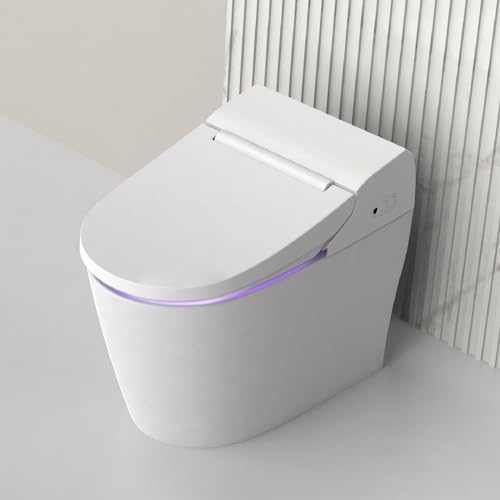
Shopping for a new toilet seat used to be simple, but bidet technology has changed that completely. If you are trying to find the best rated bidet toilet seat for your bathroom, you are likely facing a long list of unfamiliar terms: heated water, nozzle oscillation, air dry, remote control panels, and more. It can feel overwhelming fast. This guide breaks down exactly what separates a great bidet seat from a mediocre one, so you can shop with confidence instead of guesswork. You will learn the difference between electric and non-electric models, which features actually matter day to day, how sizing works, and what your bathroom needs to have before installation.
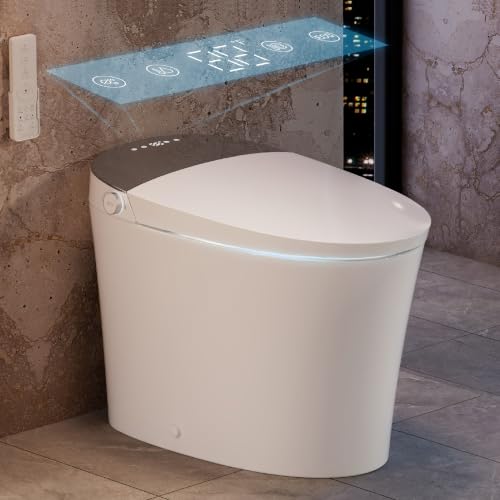
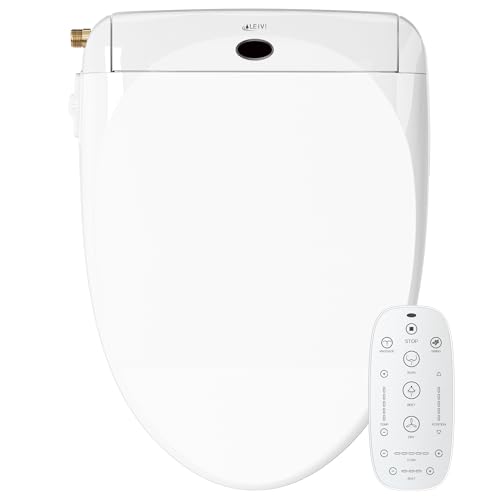
Electric vs. Non-Electric Bidet Seats: Which Type Is Right for You
Before comparing individual features, it helps to understand the two broad categories of bidet seats. This single decision shapes almost everything else about your purchase, from installation complexity to long term comfort.
How Non-Electric Bidet Attachments Work
Non-electric bidet attachments mount underneath your existing toilet seat and connect directly to your home's cold water supply line. A knob or lever, usually mounted on the side, controls water flow and sometimes nozzle position. Because they draw water straight from the line without a heating element, the wash temperature will typically match your home's tap water, which can feel cool in winter months. The upside is simplicity: there is nothing to plug in, installation usually takes less than an hour, and there are far fewer moving parts to maintain over time.
How Electric Bidet Seats Work
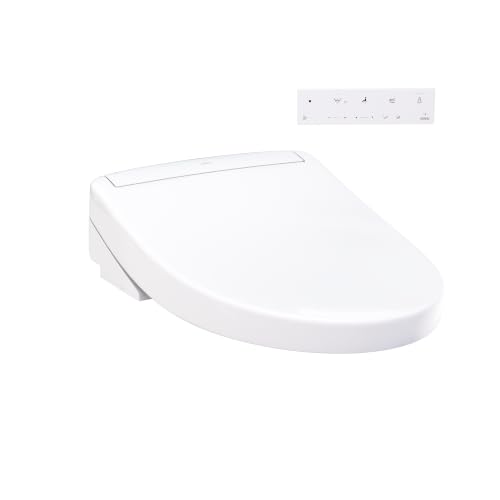
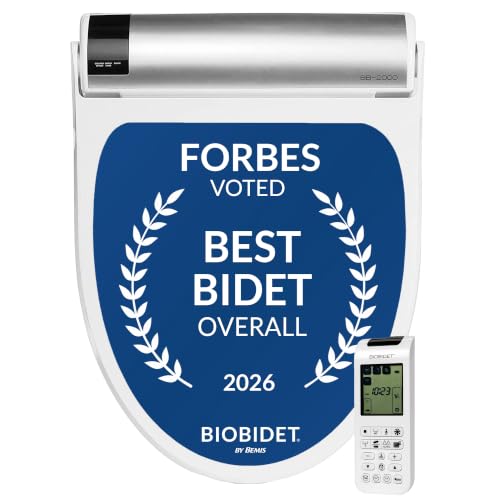
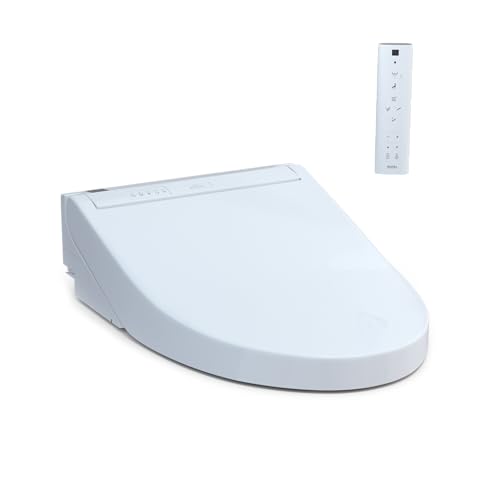
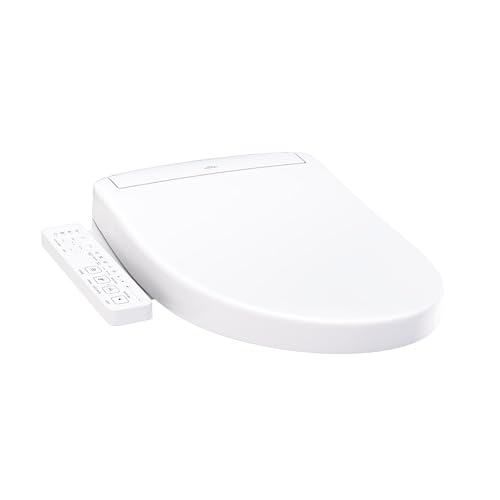
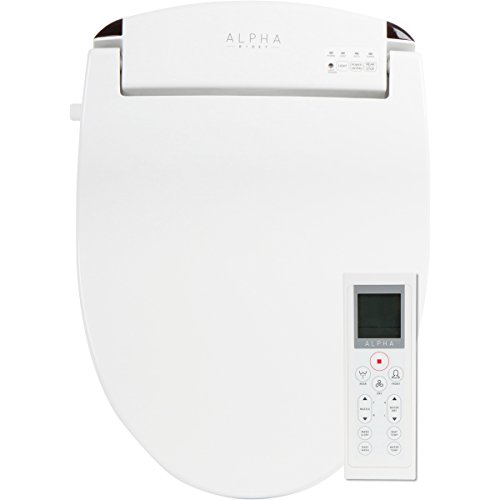
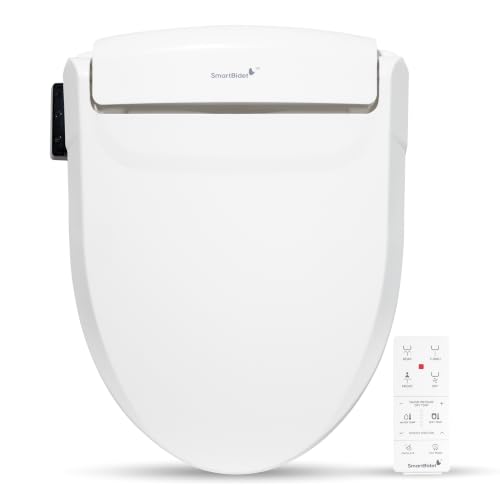
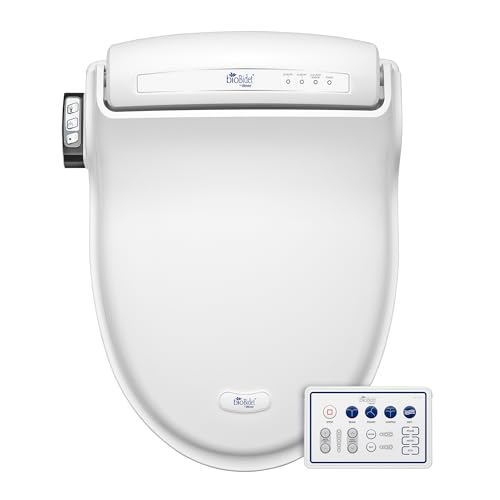
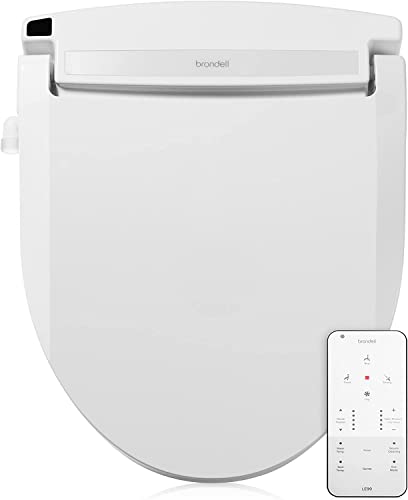
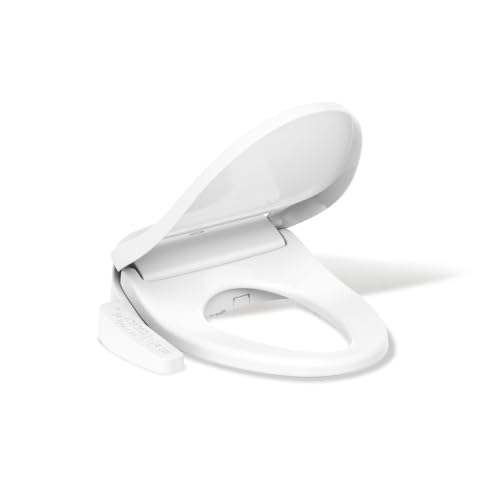
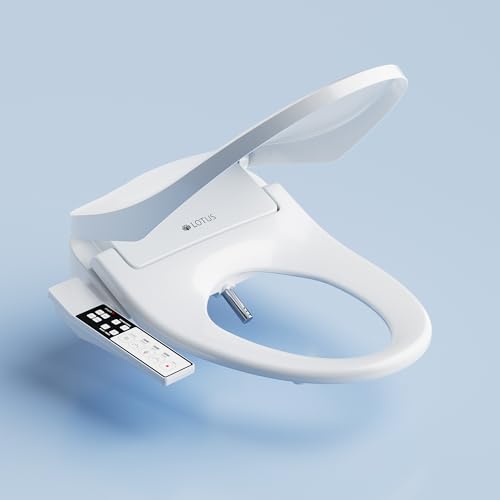
Electric bidet seats replace the entire toilet seat and lid, and they plug into a nearby outlet to power an internal heating element. This is what allows for warm water wash, a heated seat surface, and often a warm air drying cycle. Electric models also tend to include more refined controls, such as adjustable spray pressure across multiple settings and separate front and rear wash modes. The tradeoff is that they require access to household power, so your bathroom layout needs to accommodate that before you commit to one.
Key Features to Compare Before You Buy
Once you know which category fits your bathroom, the next step is comparing features. Not every bidet seat needs every feature below, but understanding what each one does will help you decide what is worth having and what you can skip.
Heated Seat and Heated Water
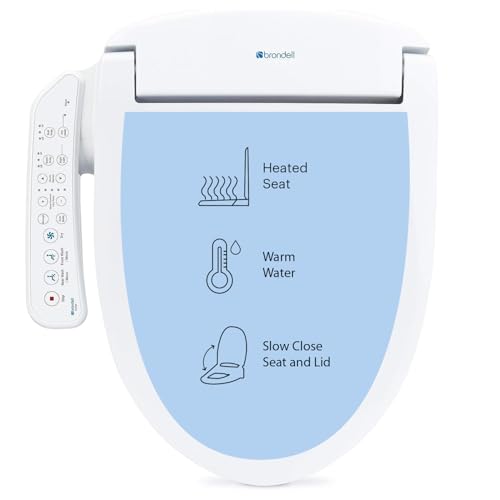
A heated seat keeps the surface warm, which matters most in colder climates or unheated bathrooms. Heated water is a separate feature entirely and generally only comes on electric models, since it requires an internal heating unit rather than relying on ambient tap water temperature. If year round comfort is a priority, look specifically for both features rather than assuming one implies the other.
Adjustable Water Pressure and Nozzle Position
Water pressure control is one of the most requested features among people who already own a bidet seat, since a wash that is too weak feels ineffective and one that is too strong can feel uncomfortable. Look for a model that offers a range of pressure settings rather than just one fixed strength. Nozzle position adjustment lets you fine tune the spray angle, which is especially useful since body types and preferences vary widely.
Air Dry Function
An air dry setting uses a low, warm airflow to dry you off after washing, reducing or eliminating the need for toilet paper afterward. This feature is almost exclusively found on electric seats, since it requires both a fan and a heating element. If reducing paper use is a major motivation for buying a bidet seat in the first place, air dry should be near the top of your checklist.
Deodorizer and Night Light
A built in deodorizer filters odor from the bowl using a small internal fan and carbon filter, which is a small but noticeable quality of life upgrade. A night light, usually a soft LED ring around the base or bowl, helps you use the bathroom at night without flipping on a bright overhead light. Neither feature is essential, but both show up frequently in higher end electric models and are worth factoring into your decision.
Remote Control vs. Side Panel Control
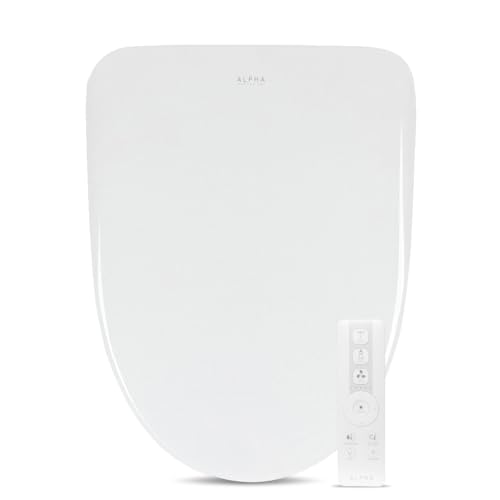
Most electric bidet seats offer either a wall mounted wireless remote or a control panel built into the side of the seat itself. A remote is generally easier to use since you do not need to twist or reach to find buttons, and it keeps controls dry and away from splash zones. A side panel control is simpler and has no batteries to replace, but it can be harder to operate for people with limited mobility. Think about who will be using the bidet seat most often before choosing between the two.
Sizing: Round vs. Elongated Bowls
Bidet seats are not universal, and getting the sizing wrong is one of the most common mistakes buyers make. Toilets generally fall into one of two bowl shapes, and a seat built for one will not fit the other properly. To check which you have, measure from the two mounting bolts at the back of the seat to the front edge of the bowl in a straight line. A measurement around 16.5 inches typically indicates a round bowl, while a measurement closer to 18.5 inches indicates an elongated bowl. If you are unsure about fit, it can help to review guidance like this complete toilet seat sizing and weight capacity breakdown before narrowing down your options, since bowl shape and seat dimensions both affect comfort and stability.
Installation and Water Hookup Requirements
Even the best rated bidet toilet seat will disappoint you if your bathroom is not set up to support it. Checking these requirements ahead of time saves you a return trip to the store or an awkward mid installation surprise.
Water Supply Connection
Every bidet seat, electric or not, needs a connection to your home's cold water line, typically tapped from the shutoff valve behind the toilet. Most installations use a T-valve adapter that splits the existing line so your toilet's fill valve and the bidet seat both get water. If your water pressure runs unusually low or high, it is worth checking that beforehand, since some models perform poorly outside a standard household pressure range. For households considering broader hot water upgrades alongside a bidet install, it can be useful to look at options like a tankless water heater, which can support consistent warm water demand across multiple fixtures.
Electrical Outlet Proximity for Electric Models
Electric bidet seats need a grounded, GFCI protected outlet within reach of the seat's power cord, which is usually a few feet long. Many bathrooms do not have an outlet behind the toilet by default, so this is worth checking early rather than after your seat arrives. If you need to add an outlet, a licensed electrician can typically install one at a reasonable cost, and it is a worthwhile long term investment if you plan to keep upgrading your bathroom with other smart bathroom fixtures down the line.
Common Mistakes to Avoid
A few avoidable errors account for most of the complaints people have after buying a bidet seat. Skipping the bowl shape measurement is the biggest one, since a mismatched seat will never sit or seal properly. Ignoring outlet placement is a close second, especially for anyone set on an electric model with heated water and air dry. Buyers also sometimes overlook water pressure at the source, only to find the spray feels weak once installed. Finally, some people focus entirely on advanced features while overlooking basics like how easy the seat is to clean, which affects daily satisfaction far more than any single premium function.
Frequently Asked Questions
Do bidet seats need electricity to work?
No. Non-electric bidet attachments run entirely on your home's water pressure and need no power source. Electric bidet seats do require power, but only for features like heated water, a heated seat, and air drying.
Can I install a bidet seat myself?
In most cases, yes. Installation typically only requires basic tools like an adjustable wrench and takes under an hour, since it involves removing your current seat and connecting the bidet unit to the existing water line and mounting bolts.
What is the difference between a round and elongated bidet seat?
Round bowls measure about 16.5 inches from the mounting bolts to the front edge, while elongated bowls measure closer to 18.5 inches. The two are not interchangeable, so you need to measure your toilet before ordering.
Do electric bidet seats use a lot of electricity?
Not really. Since they sit idle most of the day and only draw significant power briefly during heating or drying cycles, electric bidet seats typically have a minor impact on a household's overall electricity use.
Is a GFCI outlet required for an electric bidet seat?
Most manufacturers strongly recommend a grounded, GFCI protected outlet, since the bathroom is a water heavy environment. Even if your local code allows a standard outlet, GFCI protection is the safer choice.
Do non-electric bidet attachments offer warm water?
Some non-electric models can connect to your home's hot water line if one is available near the toilet, but many only offer cold water. This is one of the main reasons buyers upgrade to an electric model over time.
How do I know if my toilet is compatible with a bidet seat?
Compatibility mainly comes down to bowl shape and the distance between your mounting bolts, which should typically fall between 5.5 and 7.5 inches apart. Measuring these dimensions before buying is the most reliable way to avoid a fit issue.
Final Thoughts
Finding the best rated bidet toilet seat for your home really comes down to matching the seat type, feature set, and installation requirements to your specific bathroom and habits. Take the time to measure your toilet, confirm your outlet situation if you are leaning electric, and prioritize the features that fit how you actually use your bathroom every day. Getting these basics right upfront makes the difference between a bidet seat you love and one that just sits there unused.