Best Touchless Bathroom Sink Faucets: Types Compared and How to Choose
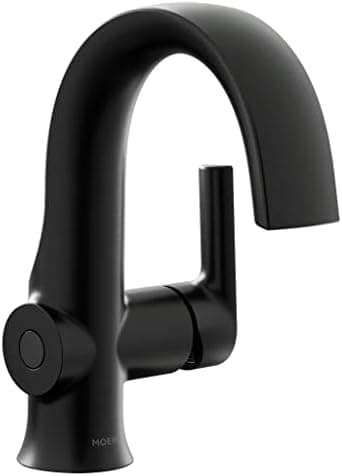
A faucet you never have to touch sounds like a small upgrade, yet it changes how a bathroom feels every day. Germs from unwashed hands stay off the handle, kids stop leaving the water running, and the sink stays cleaner between wipe downs. The best touchless bathroom sink faucets also help trim water use, because the flow stops the moment your hands move away.
The catch is that "touchless" covers several quite different designs. Some run on batteries, some plug into an outlet under the vanity, and a few generate their own power from the water itself. Mounting styles vary too, so a faucet that looks perfect online may not fit the holes in your sink. This guide compares each type, explains how to match a faucet to your sink, and walks through the features that separate a dependable sensor faucet from a frustrating one.


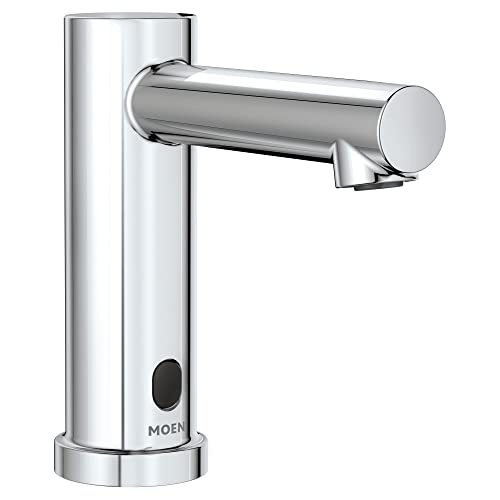
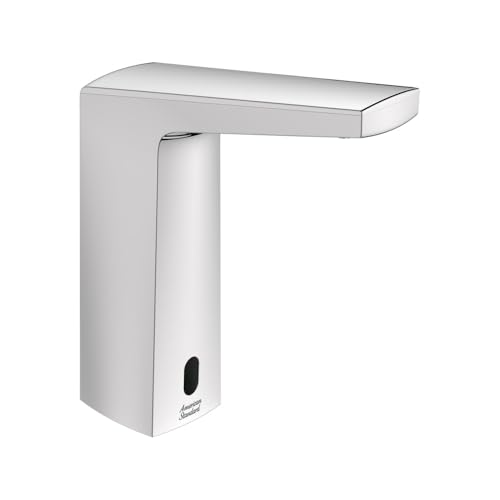

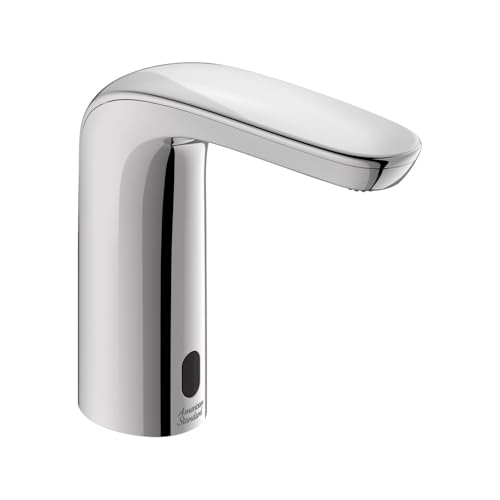


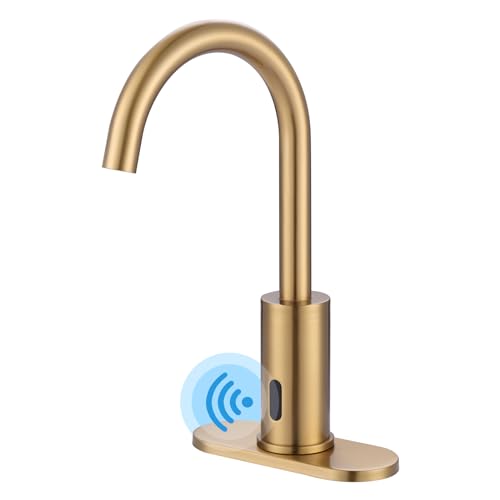


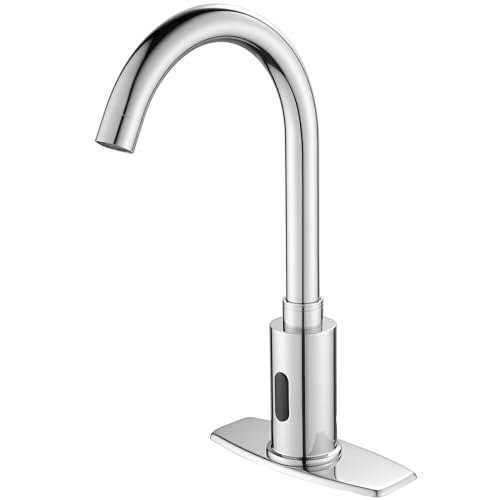
Types of Touchless Bathroom Faucets Compared
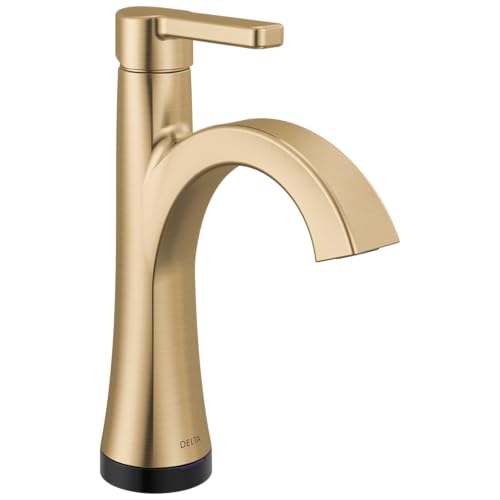
Power source is the first thing to settle, since it decides where the faucet can go and how much upkeep it needs. Here is a quick side by side view before we look at each type.
| Type | Best For | Pros | Cons | Typical Price |
|---|---|---|---|---|
| Battery powered | Vanities with no outlet nearby | Easy install, no wiring | Batteries need replacing | Around $70 to $800 |
| AC adapter powered | Busy family bathrooms | Steady power, no battery swaps | Needs an outlet under the sink | Around $150 to $500 |
| Hydropower | High traffic and commercial restrooms | Self charging, very low upkeep | Expensive, fewer home styles | Around $400 and up |
| Touch and touchless hybrid | Homes that want a manual backup | Works with or without the sensor | More parts that can fail | Around $250 to $800 |
Battery Powered Faucets
Battery models are the most common choice for homes because they install like a regular faucet. A small control box sits under the sink and holds AA cells or a lithium pack, so you do not need an electrician or an outlet in the cabinet. That makes them a natural fit for powder rooms and older vanities.
Manufacturers usually estimate battery life at roughly one to three years, depending on how often the faucet runs and which cells you use. Most units flash a low battery warning before they quit, which gives you time to swap them. The tradeoff is simple: you trade a wiring job for a small recurring chore.
AC Adapter Powered Faucets
Plug in models draw power from a standard outlet through an adapter, so you never deal with dead batteries in the middle of a busy morning. Sensor response tends to stay consistent too, because voltage does not drop over time the way it can as batteries drain.
The requirement is an outlet inside or very near the vanity. Many bathrooms do not have one, and adding it means hiring an electrician, which can cost more than the faucet upgrade itself. Some faucets ship with both a battery box and an optional adapter, which gives you room to start with batteries and switch later.
Hydropower Faucets
Hydropower faucets use a tiny turbine that spins as water flows, charging an internal battery each time the faucet runs. In a place where the sink is used constantly, that means the faucet can keep itself powered for years with little attention.
You will see them most often in airports, offices, and other commercial restrooms. For a home bathroom they are usually overkill: prices start high, finish choices are limited, and a sink that only gets used a few times a day may not generate enough flow to keep the battery topped up.
Touch and Touchless Hybrid Faucets
Hybrid faucets combine a sensor with a regular handle, and some add touch activation, so a tap on the spout also turns the water on or off. You can wave your hands under the spout for a quick rinse, then use the handle when you want to fill the basin or fine tune the flow.
The biggest advantage is the backup. If the batteries die or the power goes out, the manual handle still works, which is why many homeowners consider hybrids the safest first step into hands free fixtures.
Single Hole vs Centerset vs Widespread: Which Fits Your Sink?
Before you fall for a design, look under your current faucet and count the holes in the sink or countertop. Most touchless bathroom faucets are single hole models, since the sensor and spout sit in one body. That works perfectly on a one hole sink and on modern vessel setups, which you can explore further in our guide to the best bathroom vanity options.
If your sink has three holes, measure the distance between the two outer ones. About 4 inches means a centerset layout, and about 8 inches means a widespread layout. A single hole touchless faucet can still go on a three hole sink if you add a deck plate (sometimes called an escutcheon) that covers the extra openings. Many faucets include one in the box, but check the listing, and make sure the plate is wide enough for your hole spacing. A widespread sink usually needs a larger plate than a centerset one.
Also check the faucet's spout reach and height against the basin. A short spout over a deep vessel sink can splash, while a tall spout over a shallow basin can spray water onto the counter.
How to Choose the Right Touchless Faucet
Once you know the type and the mounting style, a handful of details decide whether you will love the faucet or end up fighting with it.
Sensor Range and False Triggers
A sensor that reaches too far will start the water whenever someone walks past or leans over the counter. One that reaches too short forces you to hunt for the sweet spot. Look for models with adjustable range or a setting you can change with a remote or a button on the control box. Sensors mounted at the base of the spout tend to trigger less often by accident than those on the front.
Temperature Control
Some touchless faucets have a small lever on the side of the body so you can set the mix of hot and cold. Others rely on a mixing valve under the sink, which you set once and leave alone. If young children use the bathroom, consider a model with a thermostatic or limit stop feature, and keep your water heater at a safe temperature to reduce the risk of scalding.
Flow Rate and WaterSense
Bathroom faucets that carry the EPA WaterSense label flow at no more than 1.5 gallons per minute. Several states, including California, go further and require 1.2 GPM for new lavatory faucets. Check the listing for the rated flow and make sure it meets the rules where you live.
Finish and Build Quality
A solid brass body generally outlasts zinc or plastic construction. Look for lead free certification for anything that delivers drinking water. Brushed and spot resistant finishes hide fingerprints and water spots better than polished chrome. If you want to compare trusted makers, our roundup of the best bathroom faucet brands is a helpful place to start.
Auto Shutoff and Manual Override
Good sensor faucets stop the water automatically after a preset time limit, so an object left in front of the sensor will not flood the sink. A manual override, whether a handle or a maintenance mode, is useful for cleaning the basin or filling a cup without the sensor cutting off.
Installation and Care Tips
Replace batteries as soon as the low power light appears rather than waiting for the faucet to stop. Wipe the sensor window with a soft, damp cloth, because soap film and water spots can block the beam and cause erratic behavior. Avoid abrasive cleaners on the finish. Every few months, unscrew the aerator and rinse out mineral buildup to keep the flow steady. If you are updating the whole room, a smart toilet pairs well with a hands free faucet.
Frequently Asked Questions
Do touchless faucets work during a power outage?
Battery powered models keep working during an outage because they do not rely on household electricity. Plug in models stop until power returns unless they have a battery backup. Hybrid faucets with a manual handle still let you run water normally, which is one reason many households prefer them.
How long do batteries last in a touchless faucet?
Most manufacturers estimate one to three years, depending on how often the faucet is used and whether you choose alkaline or lithium batteries. A busy family bathroom will drain them faster than a guest powder room. Watch for the low battery indicator and keep spares on hand.
Can I install a touchless bathroom faucet myself?
Yes, if you are comfortable replacing a standard faucet. You will connect the supply lines, mount the control box under the sink, and add batteries or plug in the adapter. Adding a new outlet for an AC model is a job for a licensed electrician.
Do touchless faucets really save water?
They can. The water stops as soon as your hands move away, so it does not run while you lather soap or brush your teeth. Combined with a WaterSense flow rate, that usually means less water down the drain than a manual faucet left running.
Final Thoughts
For most homes, a battery powered single hole model is the easiest path to a hands free sink. Choose a plug in faucet if you have an outlet under the vanity, and a hybrid if you want a manual backup. Whatever you pick, confirm the hole layout, sensor adjustment, and flow rate first. Use the comparison above to narrow the field, then browse the product table to find the best touchless bathroom sink faucets for your bathroom. Shopping for the kitchen as well? Our guide to the best kitchen faucets covers that side of the house.