Best Smart Showerheads: A Buying Guide for Your Home
Disclosure: We may earn a commission when you buy through links on this page, at no extra cost to you. As an Amazon Associate I earn from qualifying purchases. Learn more

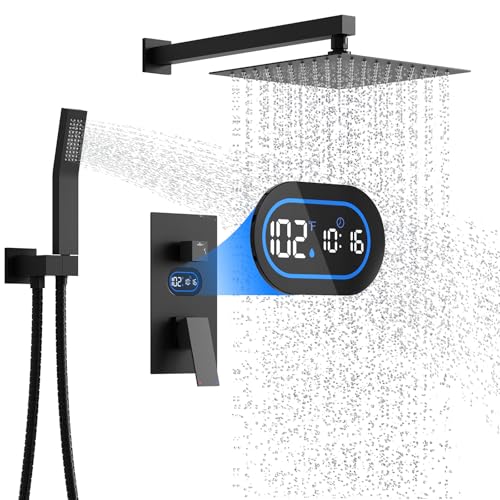

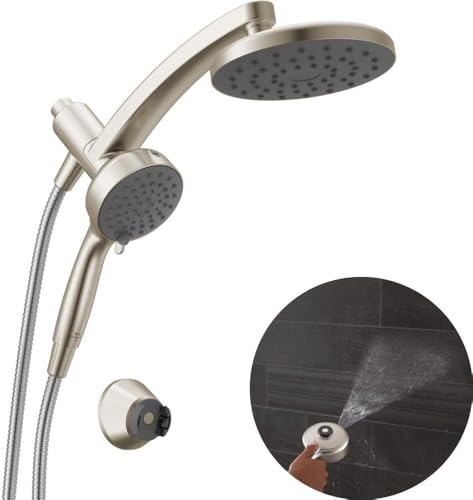
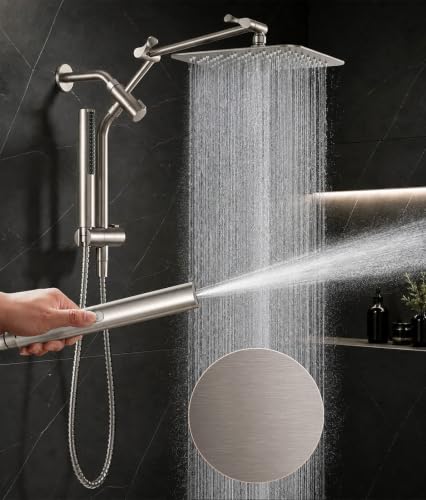
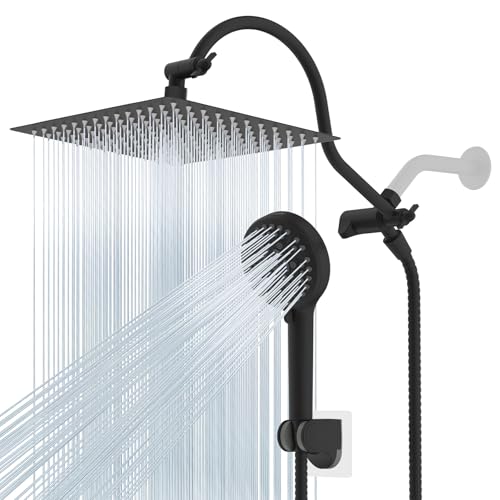


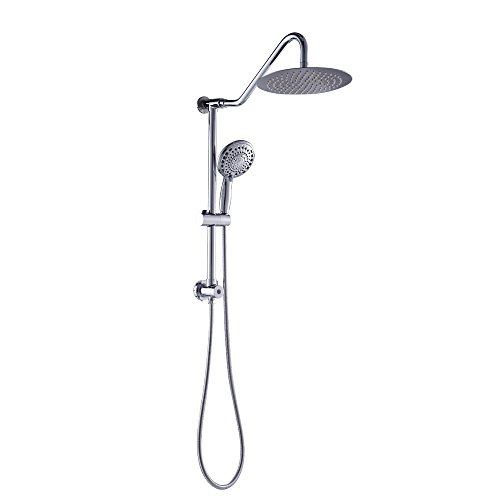
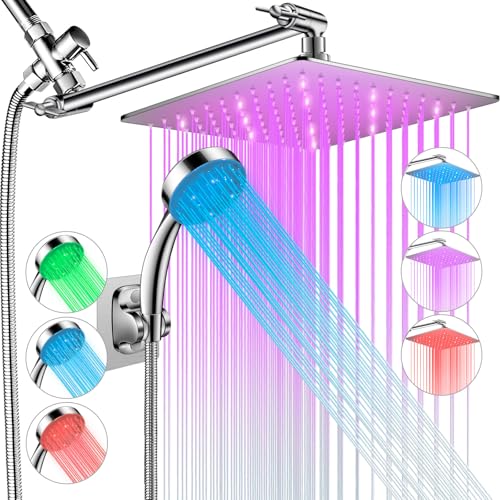
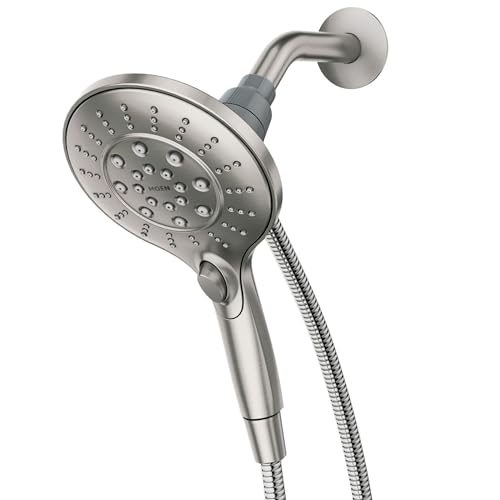
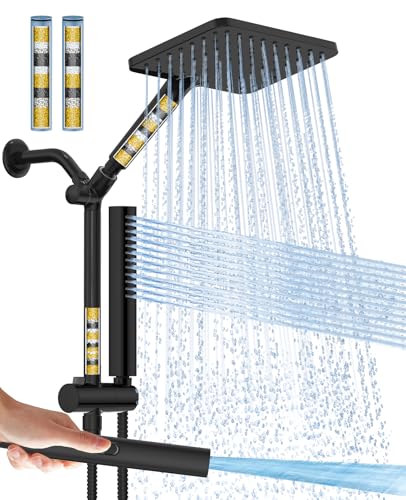
How a Smart Showerhead Is Different From a Regular One
A smart showerhead looks like an ordinary fixture at first glance, but it hides electronics that a standard head does not. Most models use a small hydro-powered turbine or a rechargeable battery to run a Bluetooth chip, an LED ring, or a small display. That power source is what lets the head track water use, hold a preferred temperature, or stream audio while you rinse off.
None of this changes the basic plumbing. Water still comes from the same shower arm and valve, and the spray still needs a certain flow rate to feel comfortable. The difference is entirely in what happens between the water leaving the head and reaching your skin: sensors log flow and temperature, then hand that data to a companion app on your phone.
Because the technology varies so much between brands, it helps to know what kind of "smart" a given product actually offers before comparing prices or features side by side.
Three Distinct Types of Smart Showerheads
Not every smart showerhead does the same job, and lumping them together is where a lot of shoppers get confused. Three general types cover most of what is on the market.
- App-connected water trackers. These focus on data: gallons used, average temperature, shower length, and estimated cost savings over time, all synced to a phone app.
- Bluetooth speaker showerheads. A magnetic, removable speaker clips onto the head so you can stream music or take calls, with the audio component built for splash exposure rather than submersion.
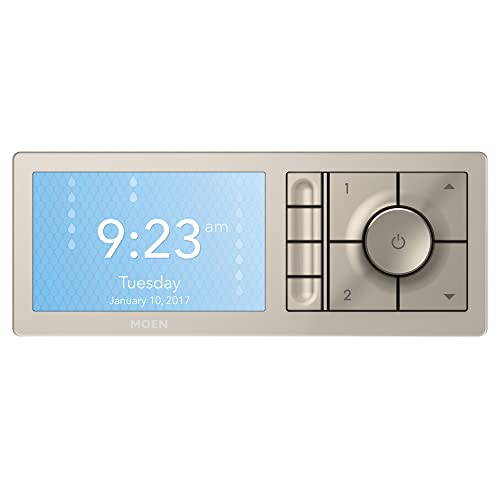
- Digital display and temperature-preset heads. These show live water temperature on a small screen and let you save a preferred setting so every shower starts at the same comfort level.
A household that mainly wants to cut its water bill gets more value from a tracking model, while someone who showers with a podcast running is better served by the speaker style. Buying based on the wrong category is the most common regret people report after the fact.
Fitting One to Your Existing Shower Setup
One of the more practical advantages of this category is that it retrofits onto plumbing you already have. Nearly every smart shower head threads directly onto a standard shower arm using the same connection as a conventional fixture, so no wall work, new valve, or plumber visit is typically required.
Installation usually takes a few minutes with hand tools only: remove the old head, wrap the arm threads with plumber's tape, and hand-tighten the new one before a final quarter turn with a wrench. Pairing the companion app over Bluetooth is the only extra step compared with a normal swap.
If your bathroom instead needs a new shower valve or a full trim kit replaced, that is a separate project worth researching on its own before adding a smart head into the mix, since the two upgrades solve different problems.
Battery Life, Water Exposure, and Daily Care
Power source matters more with this category than most bathroom fixtures. Turbine-powered models generate their own electricity from water flow, so there is nothing to charge, though the Bluetooth signal may only stay active for a short window after the water shuts off. Battery-powered models need periodic recharging, often every one to three weeks depending on shower frequency.
Waterproofing ratings vary by component. The showerhead body handles direct spray by design, but detachable speakers and control modules are usually built for splash resistance rather than full submersion, so keeping them out of the direct stream extends their lifespan.
Routine care is otherwise close to that of a normal head: soak the nozzle holes in a light vinegar solution occasionally to clear mineral buildup, and wipe down any digital display or speaker housing with a dry cloth rather than spraying cleaner directly on it.
What the Price Actually Buys You
Smart showerheads sit above ordinary fixtures in price, and the gap reflects the electronics rather than the plumbing itself. Basic tracking-only models cost the least, speaker-equipped versions land in the middle, and full digital-display systems with voice assistant integration sit at the top of the range.
The realistic payoff is a mix of convenience and modest water savings. Usage data can nudge shorter showers, and some owners report noticeable reductions on their utility bill after a few months of paying attention to the app's numbers. Anyone buying purely to save water should weigh that gain against the upfront cost honestly, since the savings accrue slowly.
Warranty coverage is worth checking before purchase too, since electronic components inside a wet fixture fail more often than the metal body around them.
Smart Showerhead or a Standard Low-Flow Head
Not every household needs the smart layer at all. A well-designed low-flow showerhead already reduces water use through fixed flow restriction and air-mixing nozzles, without any app, battery, or Bluetooth pairing involved. For a closer look at how those compare on pressure and design, our guide to the best low-flow shower heads breaks down the mechanical side of water-saving fixtures.
The smart option earns its price when the household actually wants the data or the entertainment features, not just lower water use. If the goal is purely conservation with the least maintenance, a passive low-flow design usually delivers similar savings for a fraction of the cost and with nothing to charge or pair.
Households already invested in a broader connected home setup, including a smart home hub or voice assistant, tend to get more daily value out of a connected showerhead, since it fits into routines they have already built around other devices.
Frequently Asked Questions
Do smart showerheads need Wi-Fi?
Most rely on Bluetooth rather than home Wi-Fi, connecting directly to a smartphone app when you're in range. A few higher-end systems add Wi-Fi for remote scheduling, but it is not standard across the category.
Will one lower my water bill?
It can, mainly by making usage visible so households adjust habits like shower length. The savings depend on follow-through rather than the hardware alone, so results vary widely between users.
Can I install one without a plumber?
Yes, in almost all cases. Since it threads onto the existing shower arm like a standard head, most people finish installation in under ten minutes with basic hand tools.
Do the speakers get ruined by water?
Removable speaker modules are built to handle splash and steam, but manufacturers generally advise against pointing the direct spray at them or submerging them, since that exceeds their rated exposure.
Is a digital display hard to read while showering?
Most displays use large, high-contrast numbers designed to be legible through steam and water droplets, and several models add voice announcements as a backup.
How long do the batteries last?
Typical battery-powered models last one to three weeks between charges under daily use, while turbine-powered versions avoid the issue entirely by generating their own power from flow.
Are these compatible with any home water pressure?
Most function within standard residential pressure ranges, but very low pressure households should check a model's minimum PSI requirement, since some digital features need a baseline flow to operate reliably.
Choosing the Right Fit for Your Bathroom
The best pick depends less on brand and more on which of the three categories matches how the household actually showers. Data-focused buyers should prioritize tracking accuracy and app design, entertainment-focused buyers should weigh speaker sound quality, and comfort-focused buyers should look closely at temperature-preset accuracy.
Since installation is simple and reversible, there is little risk in trying one out even if a household is not fully convinced water tracking will change their habits. The clearest signal to watch for is how often the app actually gets opened after the first month, since that habit is what determines whether the extra cost paid off.