Best Semi-Frameless Shower Doors: A Complete Buying Guide
Disclosure: We may earn a commission when you buy through links on this page, at no extra cost to you. As an Amazon Associate I earn from qualifying purchases. Learn more

A semi-frameless shower door splits the difference between two extremes. It skips the thick aluminum border that wraps a fully framed door, but it keeps a slim strip of metal exactly where the glass needs backup. The result reads as modern and clean without the price tag or the fragile-feeling hardware of a fully frameless setup.
Choosing one comes down to understanding where that partial frame sits, how thick the glass needs to be to compensate for it, and whether your shower opening is a standard size or something a contractor will need to custom-fit. The sections below walk through each of those decisions.

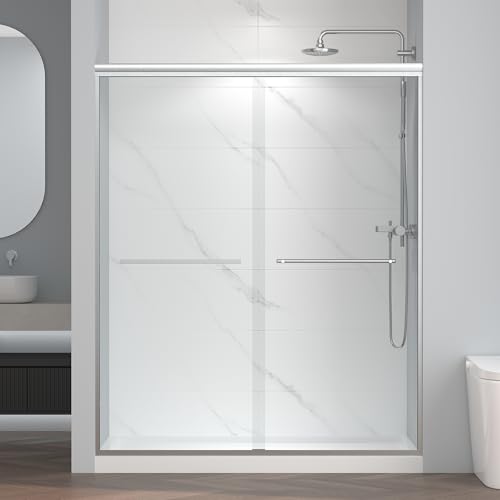
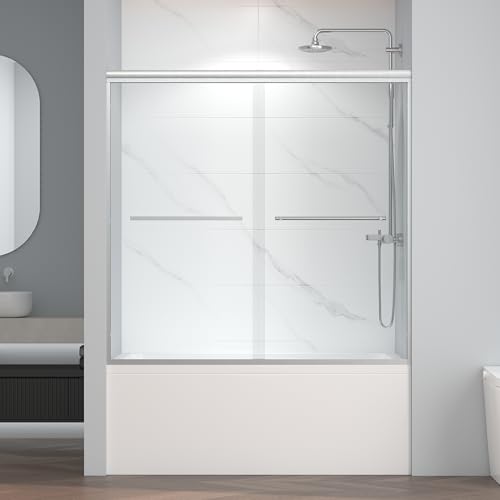
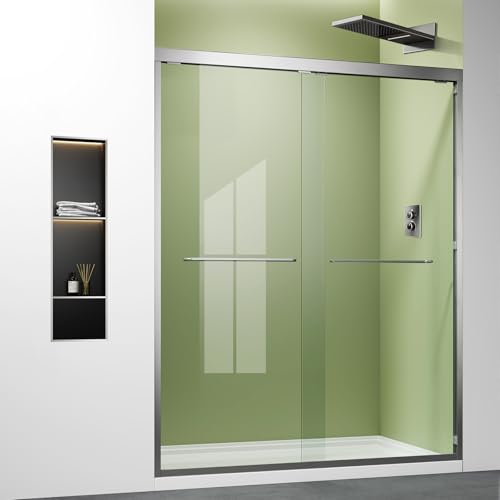
Where the Frame Actually Lives (and Why It's There)
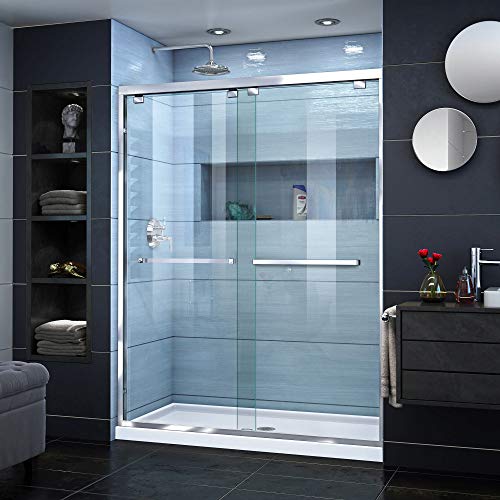
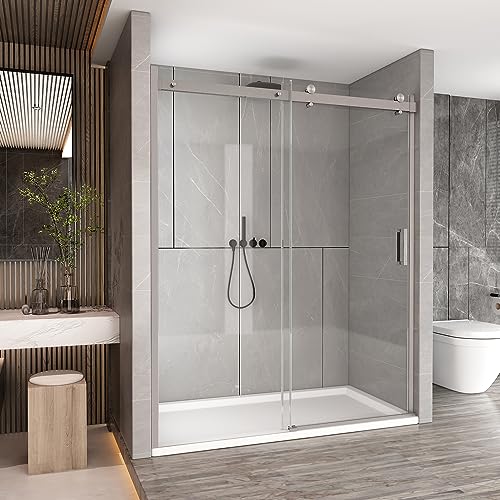
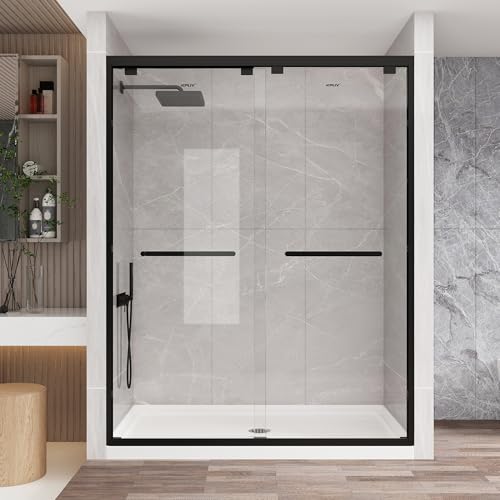
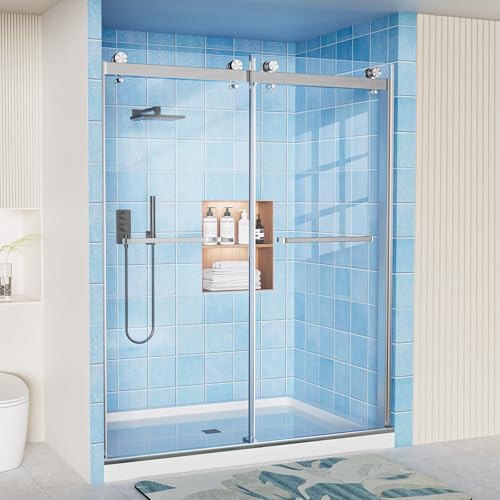
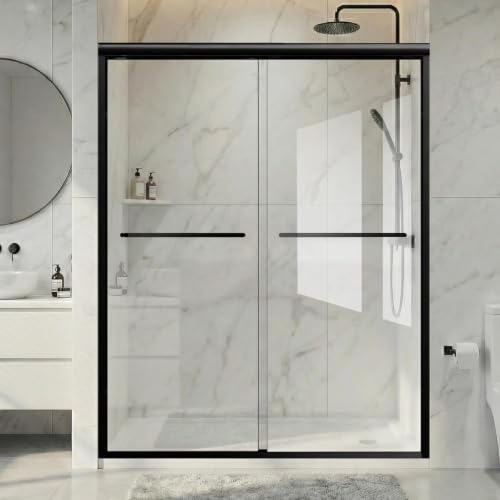
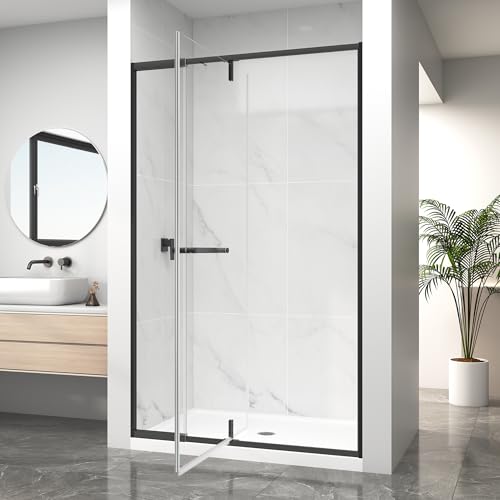
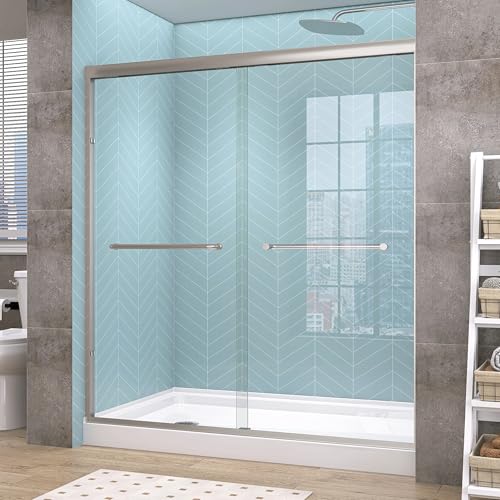
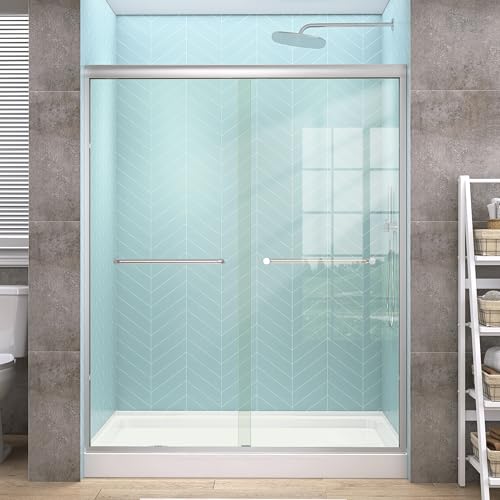
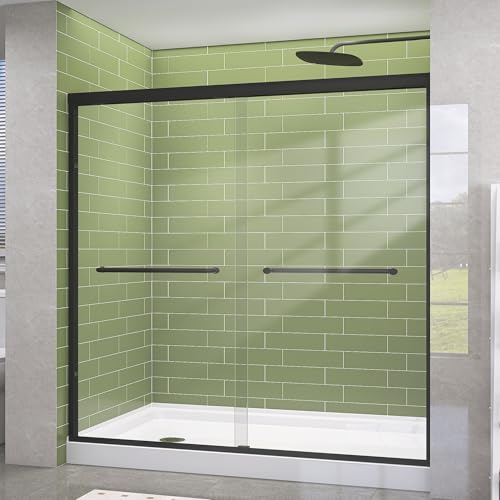
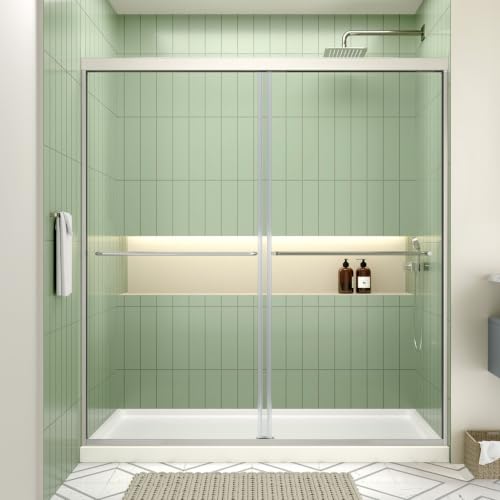
On most semi-frameless doors, the metal shows up in exactly two places: a header bar across the top and narrow channels down the hinge-side edges of the fixed panels. The door panel itself, the part that actually swings or slides, is left bare glass with no border at all. That single detail is what gives the style its "half frameless" look even though metal is technically present.
The header bar isn't decorative. It ties the fixed panels together and keeps the whole unit rigid, which matters because semi-frameless glass is thinner than fully frameless glass and needs that extra bracing. The side channels do similar work, anchoring the stationary glass to the wall so it doesn't flex under normal use.
Because the frame is limited to a few edges instead of wrapping every pane, there are fewer metal-to-glass seams overall than on a fully framed enclosure. Fewer seams generally means fewer spots where grime and hard water can build up, which is one reason this style has become a common upgrade pick during a bathroom remodel.
Glass Thickness in the Middle Range
Glass thickness is the other defining trait of a semi-frameless shower door. Fully framed doors typically get away with 1/4-inch glass because the metal frame carries the structural load. Fully frameless doors need 3/8-inch or even 1/2-inch glass since there's no frame to lean on at all.
Semi-frameless doors land in between, usually 1/4-inch on the lighter end up to 3/8-inch on sturdier models. The header bar and side channels take some of the strain off the glass, so it doesn't need to be as heavy as frameless glass, but the exposed door panel still benefits from a bit more thickness than a fully framed door would use.
- 1/4-inch (6mm): the lightest option, common on budget-friendly semi-frameless kits
- 5/16-inch (8mm): a middle choice that adds rigidity without much extra weight
- 3/8-inch (10mm): the sturdiest semi-frameless option, closer to what a frameless door uses
Thicker glass also feels heavier in hand and resists flexing when the door swings shut, which some homeowners notice right away compared to a thinner framed panel.
Semi-Frameless vs Framed vs Frameless: The Cost-and-Look Tradeoff
Placing all three styles side by side makes the tradeoffs easier to see. A framed sliding shower door uses a full aluminum border and thinner glass, which keeps the price down and makes it the easiest option to fit into a standard-size opening. It's a practical pick when budget is the deciding factor.
A frameless shower door sits at the opposite end, with thick glass and little to no visible metal anywhere on the enclosure. That look commands a higher price because the glass itself has to do all the structural work, and installation almost always requires custom measuring rather than off-the-shelf sizing.
Semi-frameless splits the difference on both counts. It generally costs less than a fully frameless shower door because the glass doesn't need to be as thick, yet it still delivers a cleaner sightline than a framed shower door thanks to that bare door panel. For a lot of bathrooms, it's the option that satisfies both the design wish list and the budget without forcing a compromise on either.
Standard Sizing vs a Semi-Custom Fit
Semi-frameless doors are more likely to come in standard sizes than fully frameless ones, which keeps both the cost and the wait time down. Common widths run from around 44 inches up to 60 inches for sliding bypass styles, with several fixed increments in between to match typical shower openings. Hinged and pivot versions tend to come in narrower standard widths for smaller stalls.
That said, "standard" doesn't mean universal. Openings that are slightly out of square, unusually tall, or built around an odd alcove often need a semi-custom order, where the width and height are built to spec but the hardware and glass thickness stay off-the-shelf. This middle path is usually faster and cheaper than a fully custom frameless order.
Before ordering anything, measure the opening at the top, middle, and bottom, since older stalls are rarely perfectly square. Use the smallest of the three width measurements and the same approach for height, then check that number against the manufacturer's standard size chart before assuming a custom order is necessary.
Living With the Frame: Cleaning and Care
The metal channels are the one part of a semi-frameless door that needs regular attention. Water collects in the header bar and side tracks, and if it's left to dry there, it leaves behind mineral spots that are harder to remove the longer they sit. A quick wipe-down after each shower keeps that buildup from ever taking hold.
The glass itself is easy to maintain with a squeegee and a mild glass cleaner, the same routine that works on any shower door. Pay extra attention to the seam where glass meets metal, since that's where soap film tends to concentrate. Checking the seal along the frame every few months, and reapplying a strip of bathroom sealant tape if it starts to look worn, keeps water from sneaking behind the channel and reaching the wall.
Compared with a fully frameless door, there's slightly more maintenance because of the metal parts. Compared with a fully framed door, there's noticeably less, since a semi-frameless unit has far fewer frame edges and hinges to keep clean overall.
Frequently Asked Questions
Is a semi-frameless shower door hard to install?
Not especially. Because the header bar and side channels provide built-in support, installation is generally more forgiving than a fully frameless door, though it still benefits from professional measuring for a tight, leak-free fit.
Does semi-frameless glass break more easily than frameless glass?
No. Semi-frameless glass is tempered safety glass just like frameless glass, and the added frame support actually reduces stress on the panel during normal daily use.
Can a semi-frameless door replace a framed one without remodeling?
Often yes, as long as the existing opening matches a standard semi-frameless size. Openings that are noticeably out of square may need minor adjustments to the wall or curb first.
What glass thickness should I choose for a semi-frameless door?
Most homeowners land on 1/4-inch for a lighter, budget-friendly build or 3/8-inch for a sturdier feel closer to frameless glass. The right choice depends on door size and how much weight the hinges are rated to support.
Do semi-frameless doors come in sliding and hinged styles?
Yes. Sliding bypass versions suit wider tub-shower openings, while hinged or pivot versions work better in narrower walk-in stalls where a swinging door has room to open.
Is semi-frameless a good choice for a small bathroom?
It can be, especially in a hinged or pivot configuration, since the reduced frame keeps sightlines open and makes the space feel less boxed in than a heavily framed enclosure would.
Deciding If This Middle Ground Fits Your Bathroom
A semi-frameless door makes the most sense for homeowners who want a modern look without stretching the budget to fully frameless territory. It also suits standard-size openings well, since semi-custom and off-the-shelf options are widely available and don't usually require a long lead time.
If the top priority is the absolute cleanest, most minimal glass look and cost isn't a major constraint, a fully frameless door remains the stronger choice. If budget is the main driver and a bit more visible metal isn't a dealbreaker, a fully framed sliding door still gets the job done. For everyone in between, semi-frameless is built for exactly that gap.