Best Shower Valve: A Complete Buying Guide
Disclosure: We may earn a commission when you buy through links on this page, at no extra cost to you. As an Amazon Associate I earn from qualifying purchases. Learn more
Shopping for the best shower valve? Learn pressure-balancing vs thermostatic control, rough-in height, and trim kit compatibility before you buy.
Behind every tile wall in a modern bathroom sits a small brass or plastic body that decides whether a shower feels relaxing or dangerous. A shower valve mixes hot and cold water, controls flow, and in many setups routes water between a showerhead and a tub spout. Picking the right one matters more than most homeowners realize, because it affects everything from morning routine comfort to how safe the shower is for kids and older family members.
This guide walks through the real differences between valve types, how sizing and rough-in depth affect a remodel, what installation actually involves, and where the money goes. We also cover the safety codes that exist specifically because of scald injuries, plus the questions people ask most often before buying.



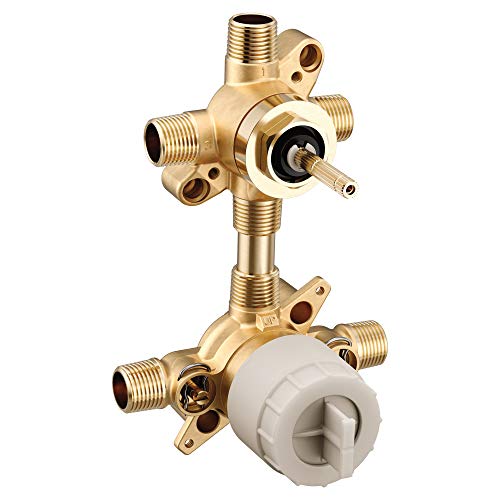
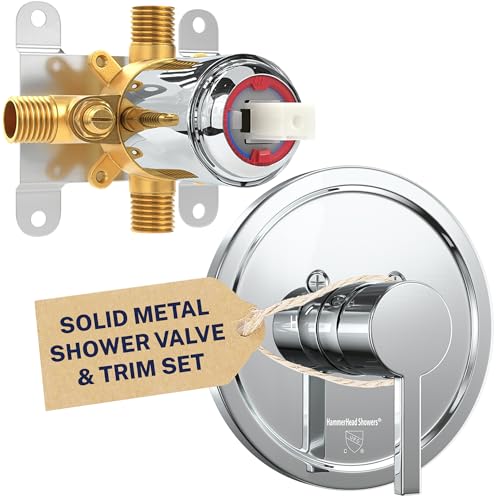
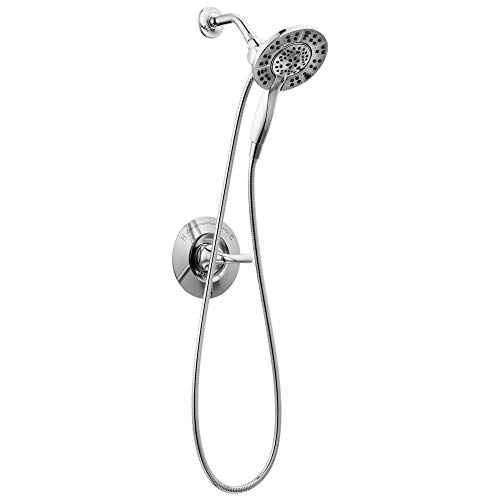


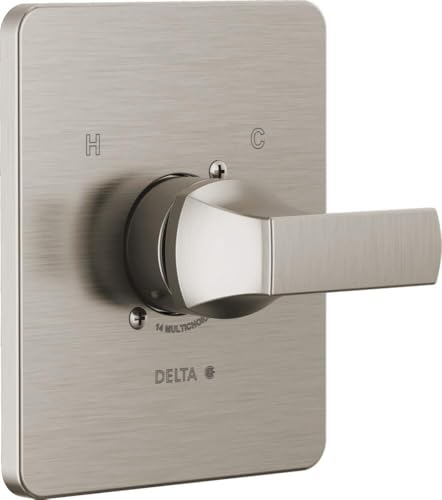
Pressure-Balance, Thermostatic, or Diverter: Picking the Right Type
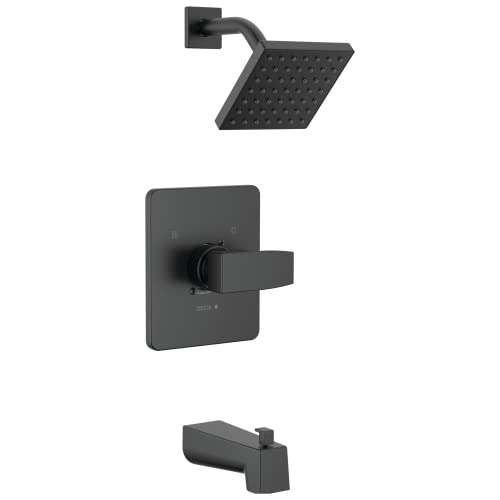
Not every valve does the same job, and the category you choose shapes everything downstream. A pressure-balance valve uses a piston or diaphragm to sense changes in hot and cold water pressure, then automatically adjusts the mix so a flushed toilet elsewhere in the house does not send a scalding surge through the shower. It typically has a single handle and one temperature memory dial, and it works well for most single-shower bathrooms.
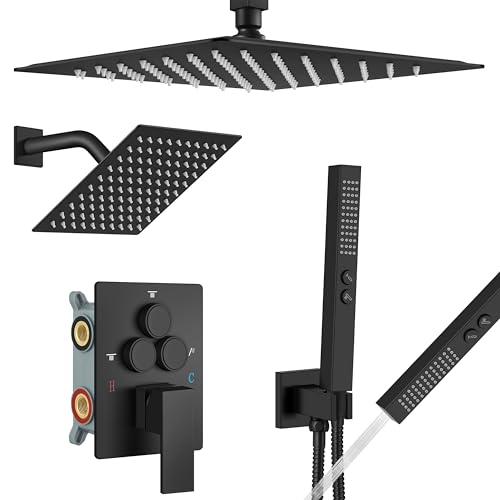
A thermostatic valve takes a different approach. It senses the actual outlet temperature rather than pressure, and it holds that number steady even as incoming water temperature or pressure drifts. These usually have two controls, one for temperature and one for volume or flow, which makes them a natural fit for multi-head systems with a rain showerhead and body sprays running together.
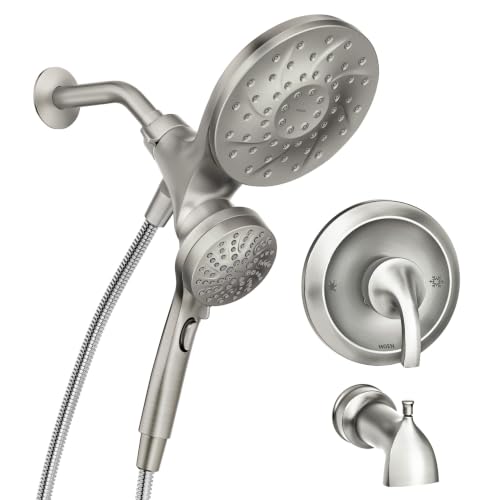
Diverter valves are a separate category entirely. Rather than mixing temperature, a diverter redirects flow between two or more outlets, such as switching between a tub spout and an overhead shower. Many tub-shower combinations pair a pressure-balance or thermostatic mixing valve with a diverter, so the two often work as a team rather than as competing options.
- Pressure-balance: simplest, most affordable, strong scald protection, single handle
- Thermostatic: precise temperature holding, best for multi-outlet systems, higher cost
- Diverter: routes water between outlets, usually paired with a mixing valve rather than used alone
Matching Rough-In Depth and Trim Kit to the Valve Body
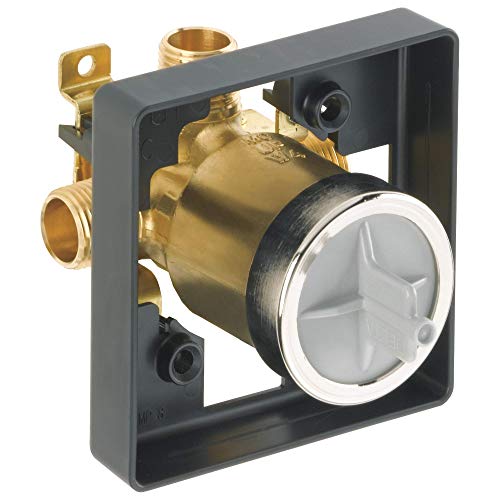
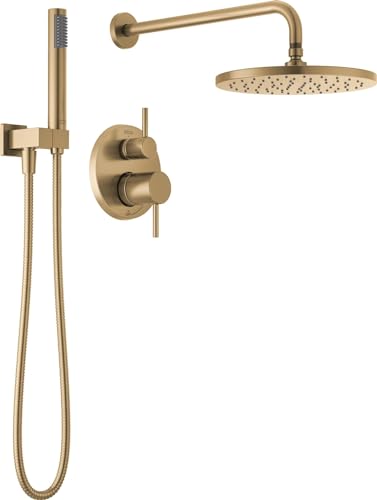
The part buried in the wall is called the rough-in valve, and the visible handle and cover plate are the trim kit. These two pieces have to come from a compatible system, since most manufacturers use proprietary cartridges and mounting patterns that will not interchange across brands. Confirming that a trim kit matches the specific valve series before ordering saves a frustrating return trip.
Depth matters just as much as brand matching. Backer board, waterproofing membrane, mortar, and tile all add thickness in front of the valve body, and the finished trim needs to sit flush against that final surface. A valve set too far back can leave the handle unable to reach the wall properly, while one set too far forward pushes the plate away from the tile. Extension kits exist for exactly this situation, bridging small gaps without replacing the whole valve.
Standard shower arm height lands around 80 inches from the floor in most homes, though walk-in and accessible showers sometimes use different placement. Anyone remodeling a stall alongside new frameless shower doors should confirm rough-in height and door clearance together, since both get finalized before tile goes up.
New Construction Versus Retrofit: What Changes During Installation
Installing a valve during new construction is straightforward because the wall is already open. A plumber sets the valve body at the correct depth and height, runs supply lines, and pressure-tests before drywall or backer board goes up. There is room to adjust position and no existing tile to protect.
Retrofitting an existing bathroom is a different project. Swapping a valve usually means cutting into the wall behind the shower, which may require opening drywall from an adjacent closet or accessing through the tile itself if there is no rear access panel. Homeowners replacing an older two-handle setup with a modern single-handle mixing valve often need to patch and re-tile a section of wall, so it helps to budget for finish work, not just the valve itself.
Some retrofit-friendly valve bodies are designed to fit within the same footprint as older three-handle or two-handle configurations, reducing how much tile needs to be disturbed. Checking for this compatibility before demolition starts can turn a multi-day tile project into an afternoon repair.
Anti-Scald Protection and the Codes Behind It
Scalding is not a hypothetical risk. Water above 120 degrees Fahrenheit can cause a serious burn in seconds, and sudden pressure drops from a flushing toilet or running dishwasher can spike shower temperature unexpectedly. This is why most plumbing codes require an anti-scald valve certified to the ASSE 1016 standard for any new or replaced shower installation.
That certification covers three valve types: pressure-balancing, thermostatic, and combination units, and it requires the mixed water temperature to stay within about 3.6 degrees Fahrenheit of the set point even during pressure or temperature fluctuations elsewhere in the plumbing system. Households with young children, older adults, or anyone with reduced sensation should treat this feature as non-negotiable rather than optional. Look for the ASSE 1016 certification stamp on the valve packaging or spec sheet before buying.
What Drives the Cost of a Shower Valve
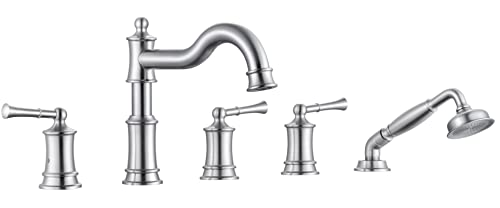
Handle count is one of the biggest cost factors. Single-handle valves tend to sit at the lower end of the price range and dominate newer homes, while two-handle valves common in older houses land in the middle of the market. Thermostatic units generally cost more than comparable pressure-balance models because of their added internal components.
Installation labor often costs more than the valve itself, particularly for a retrofit that involves opening a finished wall. Material choice also plays a role, since brass valve bodies typically outlast plastic ones and carry a higher price accordingly. Getting quotes that separate valve cost from labor and tile repair makes it easier to compare estimates apples to apples.
Signs a Valve Needs Attention
A valve rarely fails without warning. Watch for these patterns before a small issue turns into a wall repair:
- Temperature that swings even when the handle position has not changed
- A diverter that lets water trickle from the tub spout while the shower is running
- A handle that feels loose, gritty, or hard to turn to the same spot each time
- Water pressure that drops noticeably compared to other fixtures in the house
- Dripping from the handle or escutcheon plate after the water is shut off
Many of these symptoms trace back to a worn internal cartridge rather than the valve body itself, and cartridges are typically replaceable without cutting into the wall. A shower valve that has been in service for well over a decade, though, is a reasonable candidate for full replacement rather than another repair.
Frequently Asked Questions
What is the difference between a shower valve and a shower faucet?
The valve is the internal mixing and control mechanism hidden in the wall, while the faucet or trim is the visible handle, spout, and cover plate. They work together but are sold and replaced somewhat separately depending on the system.
Can I replace a shower valve myself?
Cartridge swaps are a manageable DIY task for someone comfortable with basic plumbing, but replacing the entire valve body usually involves cutting into a wall and sweating or gluing new connections, which is where many homeowners bring in a licensed plumber.
How long does a shower valve last?
A quality brass valve body can last 15 to 20 years or longer, though internal cartridges and seals often need replacement well before that, typically somewhere in the 5 to 10 year range depending on water quality.
Do I need a thermostatic valve for a single showerhead?
Not necessarily. A pressure-balance valve handles a single outlet well and costs less, while thermostatic units earn their price mainly in multi-outlet systems with a rainfall showerhead and additional sprays running at once.
What does rough-in valve mean?
Rough-in refers to the plumbing stage before walls are finished, and a rough-in valve is the body installed at that stage, set to a specific depth and height so the trim kit lines up correctly once tile is complete.
Why does my shower go cold when someone flushes the toilet?
That is a classic sign of an older valve without pressure balancing. Upgrading to a pressure-balance or thermostatic valve largely eliminates this problem by compensating for the sudden pressure change.
Is a two-handle or one-handle shower valve better?
One-handle valves are simpler to operate and dominate newer construction, while two-handle setups remain common in older homes and give separate hot and cold control. Neither is objectively better, though homeowners upgrading a two-handle bathroom sink to a similar style might look at a one-handle bathroom faucet for a matching look elsewhere.
Choosing With Confidence
The right shower valve comes down to matching valve type to the shower system, respecting rough-in depth and trim compatibility, and never skipping anti-scald certification. Pressure-balance valves cover most single-outlet bathrooms reliably and affordably, while thermostatic units earn their higher price in multi-head systems that demand precise, steady temperature. For anyone also updating fixtures like a smart showerhead during the same remodel, coordinating valve type and trim style early keeps the whole project on schedule and avoids reopening a finished wall later.