Best One Handle Bathroom Faucet: A Complete Buying Guide
Disclosure: We may earn a commission when you buy through links on this page, at no extra cost to you. As an Amazon Associate we earn from qualifying purchases. Learn more

Shopping for the best one handle bathroom faucet? Learn cartridge quality, single-hole installation, and spout sizing basics before you buy.
Standing at the sink half asleep, juggling two separate handles just to get the water temperature right, is enough to make anyone rethink their bathroom setup. That daily annoyance is a big reason so many homeowners replacing an old lavatory faucet start looking specifically for a one handle bathroom faucet, and it is also why the shopping process trips people up. Between hole configurations, cartridge types, and spout sizing, a fixture that looks simple on the shelf has more fine print than it seems.
This guide walks through how a single-handle faucet actually compares to a two-handle setup, how to confirm it will fit your sink, what makes the internal cartridge hold up over time, and how spout height and finish affect day-to-day use. By the end, you will know exactly what to check before adding one to your cart.
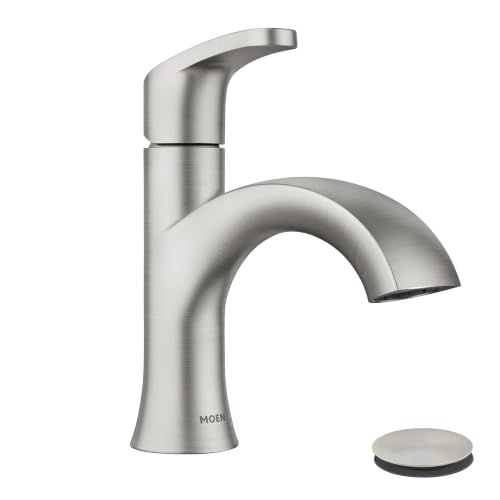
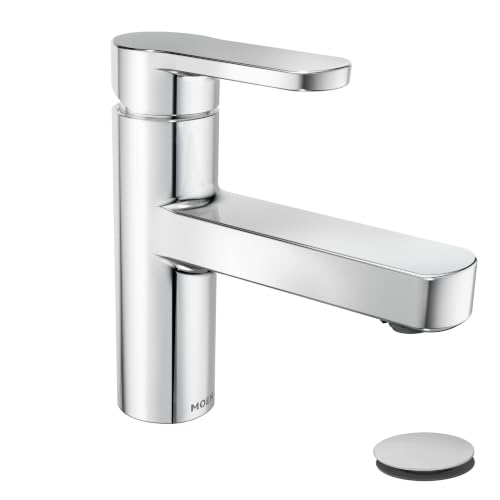
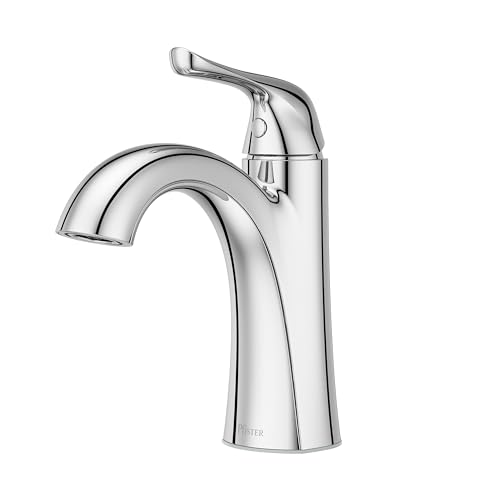
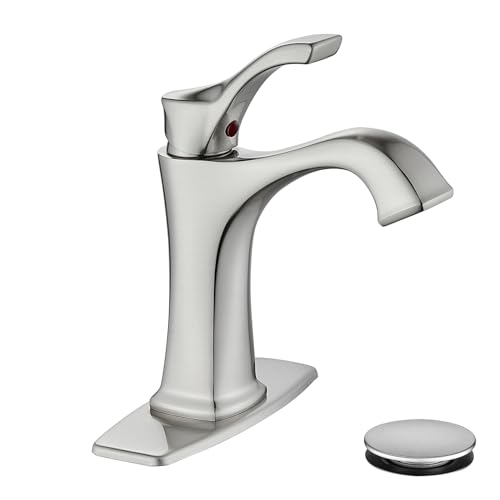
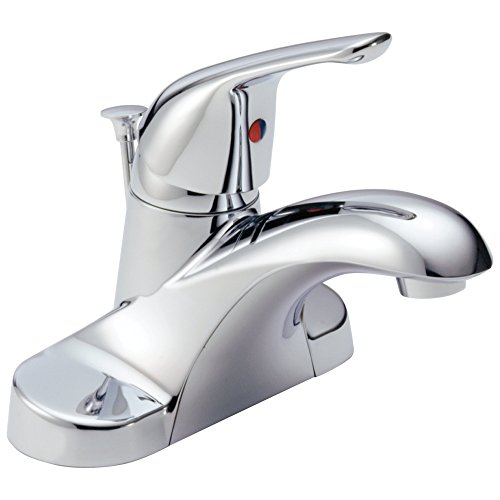
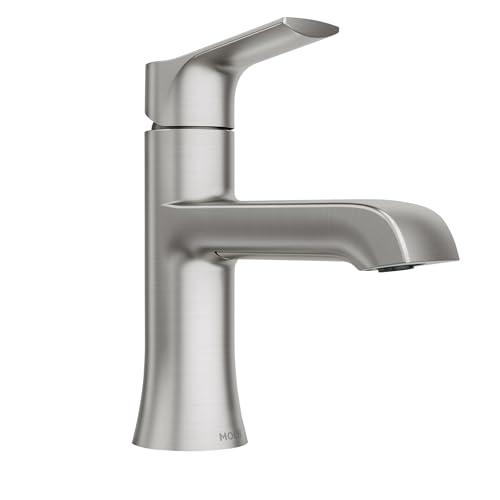
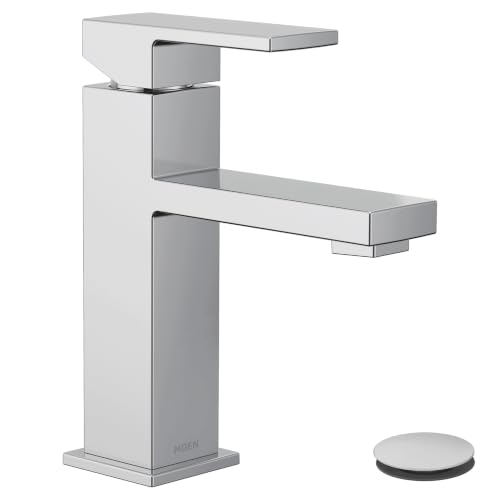
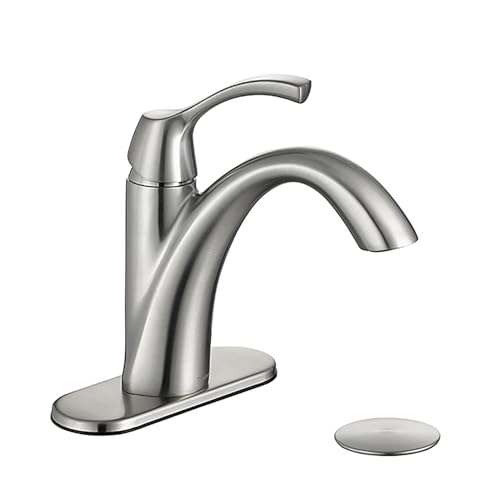
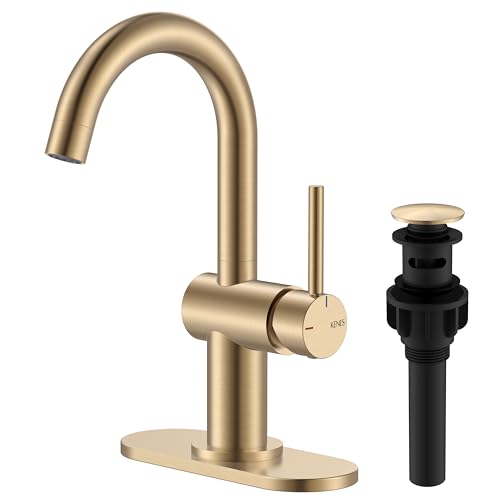

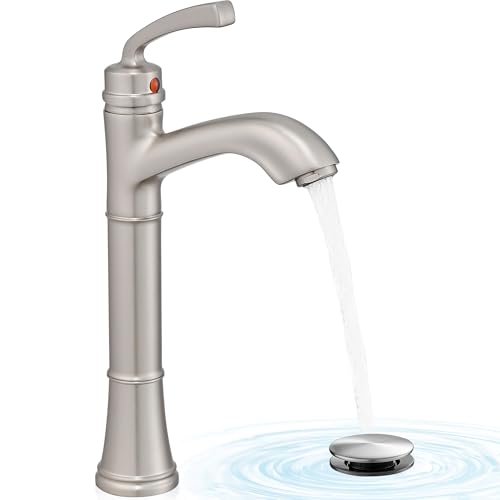
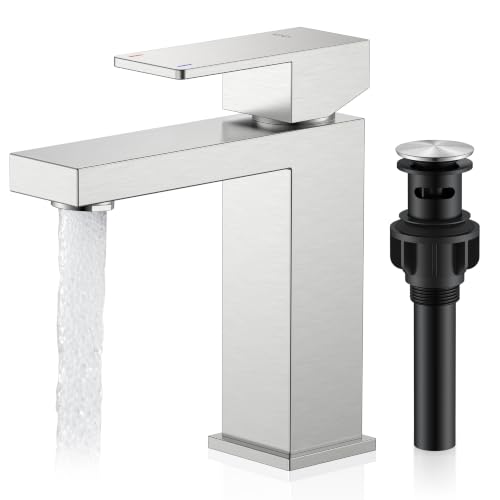
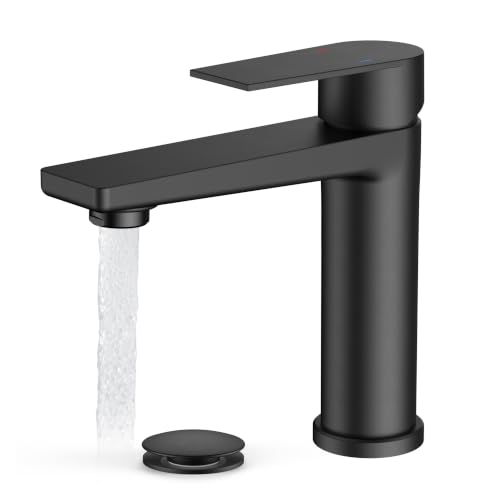
One Handle or Two? Choosing the Right Control for Your Bathroom Sink
How a Single Lever Simplifies Everyday Use
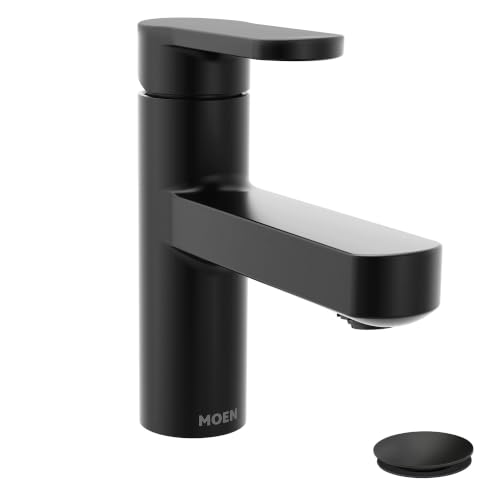
A single-handle faucet blends hot and cold water through one lever, so you set temperature and flow in one motion instead of adjusting two separate valves. For a lavatory sink that gets used dozens of times a day, that shortcut adds up. It also means fewer moving parts exposed above the deck, which simplifies cleaning around the base.
The trade-off worth knowing about upfront: single-lever designs concentrate more wear on one mechanism, so the internal cartridge tends to see more cycles over its lifespan than either handle on a two-handle faucet does individually. That does not make it a worse choice, but it does make cartridge quality (covered below) more important than it would be otherwise.
Where a Two-Handle Faucet Still Makes Sense
Two-handle faucets remain common in traditional and transitional bathrooms, partly for the look and partly because separating hot and cold gives you finer control once you are used to it. Repairs can also be simpler in one sense, since a worn handle on one side can sometimes be serviced without touching the other. If your sink already has three predrilled holes with an 8-inch spread and you like that layout, a two-handle widespread faucet is often the simpler swap rather than converting the deck to single-hole. Choosing between the two really comes down to how your sink is drilled and how much you value one-lever convenience over separated controls.
Matching the Faucet to Your Sink's Hole Configuration
Single-Hole Sinks and the Faucets Built for Them
Most single-handle bathroom faucets are designed for a sink with one predrilled hole, sometimes called a single-hole or 4-inch centerset opening depending on the base design. To confirm what you have, remove the old faucet and measure from the center of the outermost holes. A single opening with no others nearby means a true single-hole faucet will drop straight in without any extra parts. It is worth measuring before you shop rather than after the new faucet arrives, since returns on plumbing fixtures can be a hassle once the box has been opened and parts have been handled.
Converting a 3-Hole Sink With a Deck Plate
If your sink has three holes spaced 4 or 8 inches apart from an older two-handle or widespread faucet, you are not stuck buying another multi-handle model. Most single-handle faucets sold for bathrooms include or offer an optional deck plate, also called an escutcheon, that covers the two unused outer holes while the single-handle body mounts through the center one. It is a clean way to switch styles without any cutting or drilling. Sink shape matters here too, since bathroom sink styles vary in how much deck space surrounds the hole pattern, which affects whether a deck plate sits flush.
Cartridge Quality and Spout Fit: What Actually Affects Long-Term Performance
Why a Ceramic Disc Cartridge Is Worth Insisting On
The cartridge inside the handle is what actually controls water flow and temperature, and it matters more than almost any other spec. Look specifically for a ceramic disc cartridge rather than a rubber-seal or ball-valve mechanism. Ceramic discs are tested to withstand hundreds of thousands of on-off cycles in lab conditions, and in normal household use they commonly hold up for somewhere in the range of five to fifteen years before needing replacement, longer with softer water and regular use. Cheaper cartridges can start dripping or feel gritty within a couple of years, especially in areas with hard water.
Hard Water and Cartridge Wear
Water quality has a bigger effect on cartridge lifespan than most people expect. Mineral-heavy hard water can shorten the useful life of a cartridge by nearly half if scale is left to build up unchecked. The fix does not require replacing anything: soaking a fouled cartridge in white vinegar for about thirty minutes usually dissolves the buildup and restores smooth handle movement. If your faucet already feels stiff or gritty within its first year or two, scale is a more likely culprit than a defective part.
Getting Spout Height and Reach Right for Your Sink
Spout reach, the horizontal distance from the base to where water actually falls, should land water near the center of the drain rather than against the back wall of the bowl. For a standard drop-in or undermount lavatory sink, a reach of roughly 5 to 6 inches usually works well. If you are pairing the faucet with a vessel sink that sits on top of the counter, you will want more vertical clearance, generally 4 to 6 inches between the spout and the rim, so hands can fit comfortably underneath. Vessel setups also open the door to wall-mounted options if you would rather skip deck clearance altogether; a wall-mount vessel faucet is worth a look if that is the direction your bathroom is headed.
Finish and Coordinating Your Bathroom Hardware
Solid Brass vs. Zinc Alloy: What's Underneath the Finish
The finish is only a coating, so what the faucet body is made from matters just as much for long-term durability. Solid brass construction resists corrosion and holds up to daily handling far better than a zinc alloy body, even when both look identical on the shelf. Zinc alloy faucets are typically lighter and less expensive, but the finish is more prone to chipping or wearing thin at contact points like the handle base, especially in a household bathroom that sees heavy daily use.
Choosing a Finish That Coordinates With the Rest of the Room
Finish is partly aesthetic and partly practical. Brushed nickel and chrome resist water spots better than polished finishes and tend to hide fingerprints, while matte black and bronze finishes hide mineral buildup more easily but can show water spots on the metal itself. Whatever finish you land on, most manufacturers sell matching towel bars, drain assemblies, and toilet paper holders in the same collection, so it is worth checking what a given faucet brand offers before mixing pieces from different lines. A faucet and drain in mismatched finishes is one of the more common regrets people mention after a bathroom refresh.
Frequently Asked Questions
What is a one handle bathroom faucet also called?
You will often see it listed as a single-handle or single-lever lavatory faucet. All three terms describe the same design: one lever controlling both temperature and flow.
Is a single-handle bathroom faucet better than a two-handle one?
Neither is objectively better. Single-handle faucets are faster to use day to day, while two-handle faucets can offer finer temperature control and fit traditional decor better. The right choice depends on your sink's hole pattern and personal preference.
How long does the cartridge in a single-handle faucet typically last?
A quality ceramic disc cartridge generally lasts five to fifteen years under normal residential use, sometimes longer with soft water. Hard water and infrequent cleaning can shorten that considerably.
Can I install a one-handle faucet on a sink with three holes?
Yes. Most single-handle faucets include or offer an optional deck plate that covers the two unused outer holes, letting the faucet mount securely through the center opening.
Why is my single-handle faucet leaking from the base?
Base leaks are usually caused by a worn O-ring or a cartridge that no longer seats tightly. Both are inexpensive to replace and rarely mean the whole faucet needs to go.
How do I know if my sink needs a 4-inch or 8-inch faucet?
Measure between the centers of the outermost predrilled holes. Four inches indicates a centerset pattern, while eight inches indicates a widespread pattern built for separate handles rather than a single-hole faucet.
Making the Right Call for Your Bathroom
A one handle bathroom faucet earns its popularity by making an everyday task simpler, but the details still matter. Confirm your sink's hole pattern, prioritize a ceramic disc cartridge over cheaper alternatives, and pick a spout height that matches how your sink is shaped. A solid brass body will also outlast a lighter zinc alloy one, even if the price difference is tempting to ignore. Get those details right and the finish becomes the easy part, since almost any style will hold up once the fundamentals are covered.