
Bedroom
Explore bedroom essentials that combine comfort and style, from mattresses and bedding to nightstands and storage solutions. Our curated selection helps you create a restful space suited to your needs.
We review comfort, material quality, and durability to help you make the right choice. Compare options alongside our Living Room picks and furnish a bedroom you will love waking up in.

The Best Pillow for Shoulder Pain

The Best Pillows for Neck Pain and Better Overnight Support

Best Mattresses for Back Pain

Best Cheap Mattresses: When Rock-Bottom Price Actually Makes Sense

Best Mattress for Couples: A Buying Guide for Shared Sleep

Best Firm Mattresses: A Support-First Buying Guide
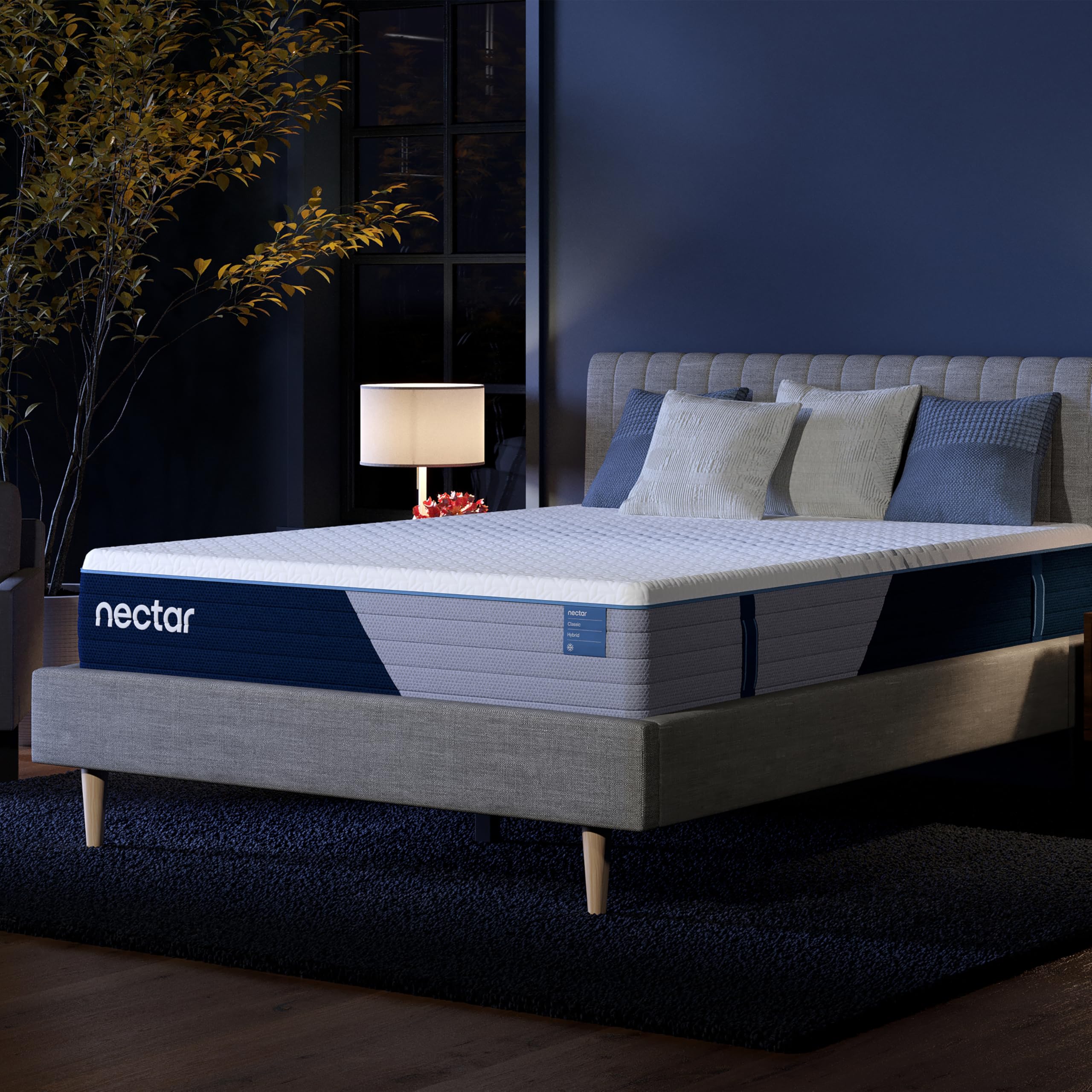
Best Hybrid Mattresses
Best Mattresses for Side Sleepers

Best Egg Crate Mattress Toppers: A Complete Buying Guide

Best Weighted Blankets for Better Sleep
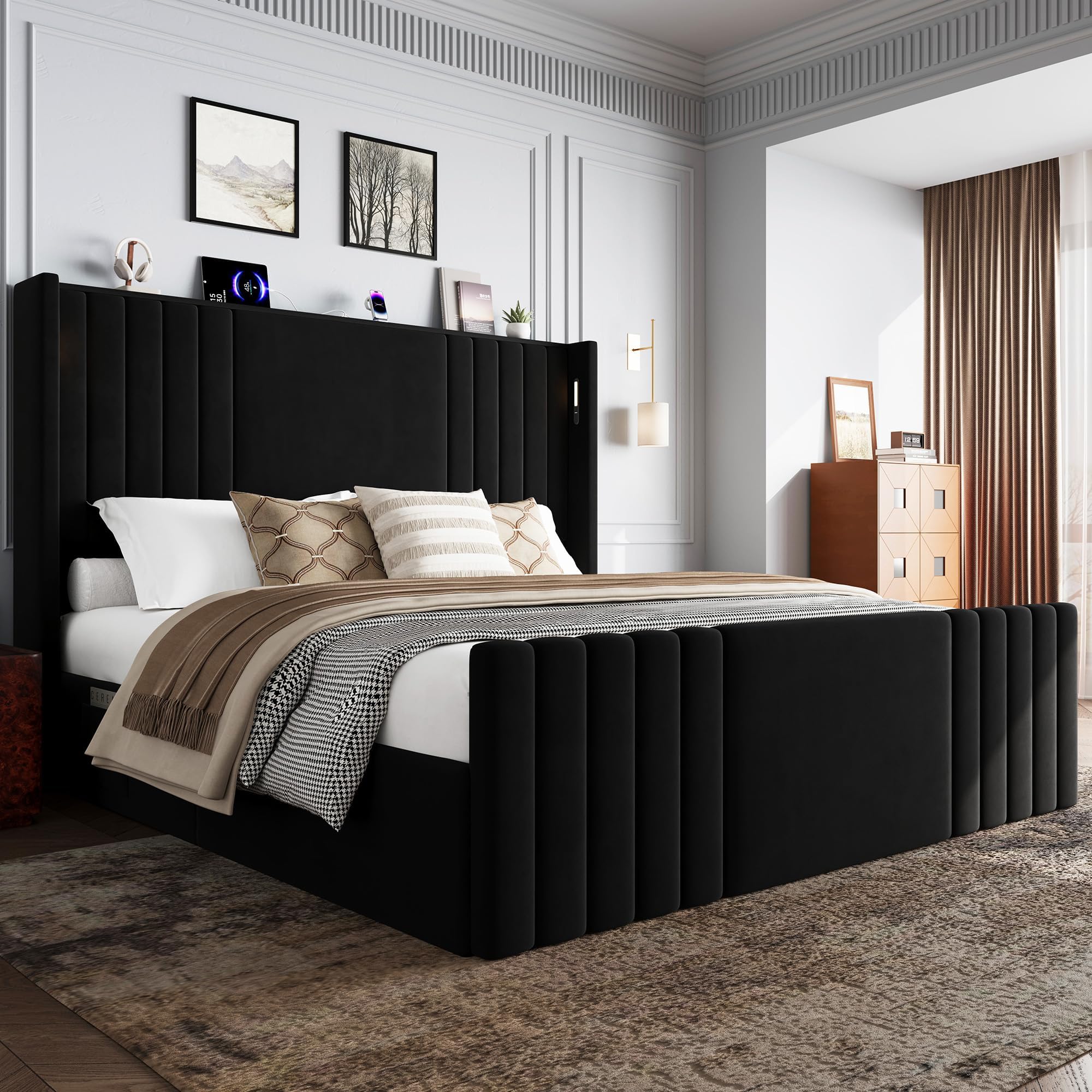
Best Platform Bed Frames for a Modern Bedroom
The Best Mattresses for Lower Back Pain in 2026
Build the Room Around Your Sleep
The mattress and bed frame do most of the work in a bedroom, so start there and build outward. Your sleep position, body weight, and whether you share the bed all shape what will feel comfortable. Side sleepers usually prefer a softer surface that cushions shoulders and hips, while back and stomach sleepers often need firmer support to keep the spine aligned.
- Memory foam contours closely and limits motion transfer for couples.
- Innerspring and hybrid mattresses feel bouncier and tend to sleep cooler.
- Latex offers responsive support and good durability.
Budget broadly shapes materials. Many solid mattresses sell for under $1,000, while premium hybrids and luxury foam beds often run from $1,500 to $3,000 or more. If you deal with back discomfort, our guide to mattresses for lower back pain explains zoned support and firmness levels.
Choosing a Bed Frame and Foundation
The base under your mattress affects support, height, and warranty coverage. Platform frames use slats or a solid deck and need no box spring, but slat spacing matters: many foam mattress warranties require gaps of about three inches or less. Metal frames are affordable and sturdy, while upholstered and wood frames add style. Browse platform bed frames if you want a low-profile, modern look.
Space-Saving Options
Small rooms benefit from beds that do double duty. Loft beds free floor space for a desk, Murphy and cabinet beds fold away for guest rooms, and storage beds hide drawers under the mattress.
Bedding, Lighting, and Comfort Extras
Bedding affects temperature as much as feel. Percale sheets are crisp and breathable for hot sleepers, while sateen feels smoother and slightly warmer. Cooling pillows and quiet fans help people who wake up overheated, and weighted blankets appeal to sleepers who like gentle pressure. A good rule is a blanket around 10 percent of body weight.
Common Mistakes
- Choosing firmness based on a few minutes of lying down in a store.
- Ignoring the trial period and return shipping terms on online mattresses.
- Pairing a heavy hybrid mattress with an old, sagging box spring.
- Buying a tall bed frame without checking how the height works with nightstands.
Finally, coordinate the bedroom with the rest of your home. Our broader furniture section has dressers, desks, and storage pieces that pair well with these bedroom picks.
Bedroom FAQ
What mattress firmness is best for side sleepers?
Side sleepers generally do best on soft to medium mattresses that let the shoulders and hips sink in slightly. A surface that is too firm can create pressure points and misalign the spine.
Do I need a box spring with a platform bed?
No. Platform beds have a slatted or solid surface that supports the mattress directly. Check that slat spacing meets your mattress warranty, which often calls for gaps of around three inches or less.
How heavy should a weighted blanket be?
A common guideline is about 10 percent of your body weight, rounded to the nearest available size. Weighted blankets are not recommended for infants or very young children.
What sheets are best for hot sleepers?
Cotton percale and linen are popular for hot sleepers because they breathe well and feel cool and crisp. Pairing them with a cooling pillow and a light comforter can also help.
How long does a mattress usually last?
Most mattresses last about seven to ten years, depending on materials and use. Sagging, lumps, or waking up sore are signs it may be time to replace yours.