Best Mattresses for Side Sleepers
Disclosure: We may earn a commission when you buy through links on this page, at no extra cost to you. As an Amazon Associate I earn from qualifying purchases. Learn more
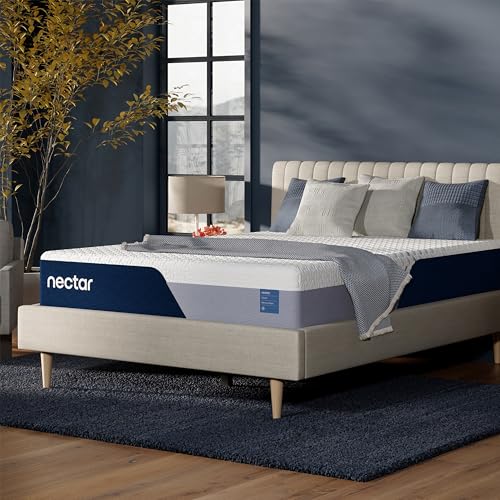
Waking up with a numb arm or a sore shoulder is not just bad luck, it is usually a sign that a mattress is too firm for how you actually sleep. Side sleeping puts concentrated weight on two narrow points, the shoulder and the hip, and a surface that does not give enough right there will leave you tossing all night to find relief. The best mattresses for side sleepers are built specifically to cushion those pressure points while still keeping your spine properly aligned.
This guide focuses on what side sleepers specifically need, which is different from general mattress advice and from mattresses aimed at other sleep-related concerns.



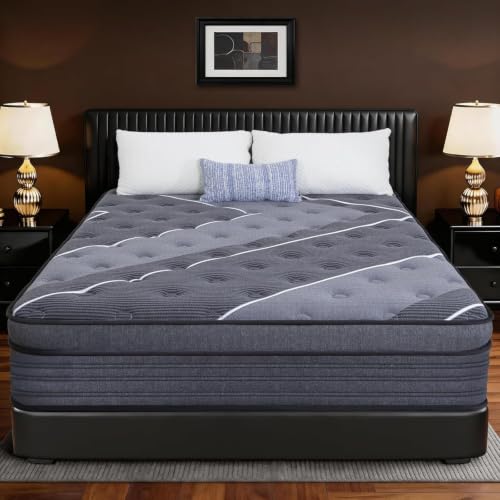
Why Side Sleeping Changes What You Need
Sleeping on your back or stomach spreads body weight fairly evenly across a wide surface area. Side sleeping concentrates that same weight onto the shoulder and hip alone, creating pressure points that a too-firm mattress simply cannot cushion adequately.
When those pressure points do not get enough give, blood flow to the area gets restricted, which is exactly what causes that familiar numb or tingling feeling in an arm after a night on the wrong surface. Over time, sleeping in a position that forces your spine out of alignment to compensate can also contribute to shoulder or hip discomfort that lingers into the day.
The goal for a side sleeper is not simply a softer mattress across the board, but one engineered to cushion specific pressure points while still supporting the waist and lower back so the spine stays reasonably straight.
Firmness Levels That Actually Cushion Shoulders and Hips
Among the best mattresses for side sleepers, firmness generally lands medium-soft to medium, roughly in the middle of the firmness scale, though exact preference varies with body weight. Lighter sleepers often need a softer surface to sink in enough for pressure relief, while heavier sleepers may need a slightly firmer core underneath a softer top layer to avoid sinking too deep and losing spinal support.
- Lighter body weight: softer comfort layer with moderate support underneath
- Average body weight: medium to medium-soft overall firmness
- Heavier body weight: firmer support core paired with a generous cushioning top layer
A mattress that feels too firm will create pressure buildup at the shoulder and hip within minutes of lying down, a quick and reliable test when trying a mattress in person before buying.
Contouring Materials Worth Prioritizing
Materials that contour closely to the body matter more for side sleepers than for any other sleep position. Pressure-point relief comes primarily from how well the top comfort layer molds around the shoulder and hip rather than pushing back against them.
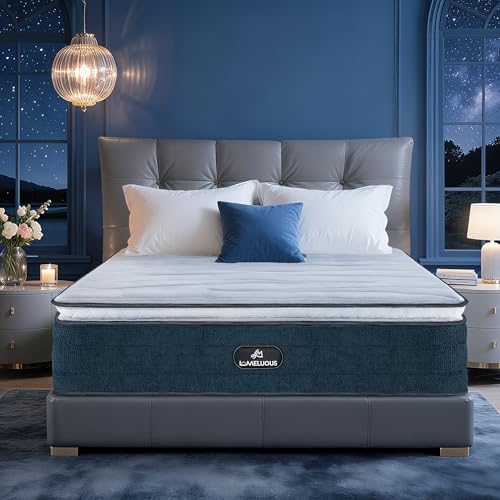
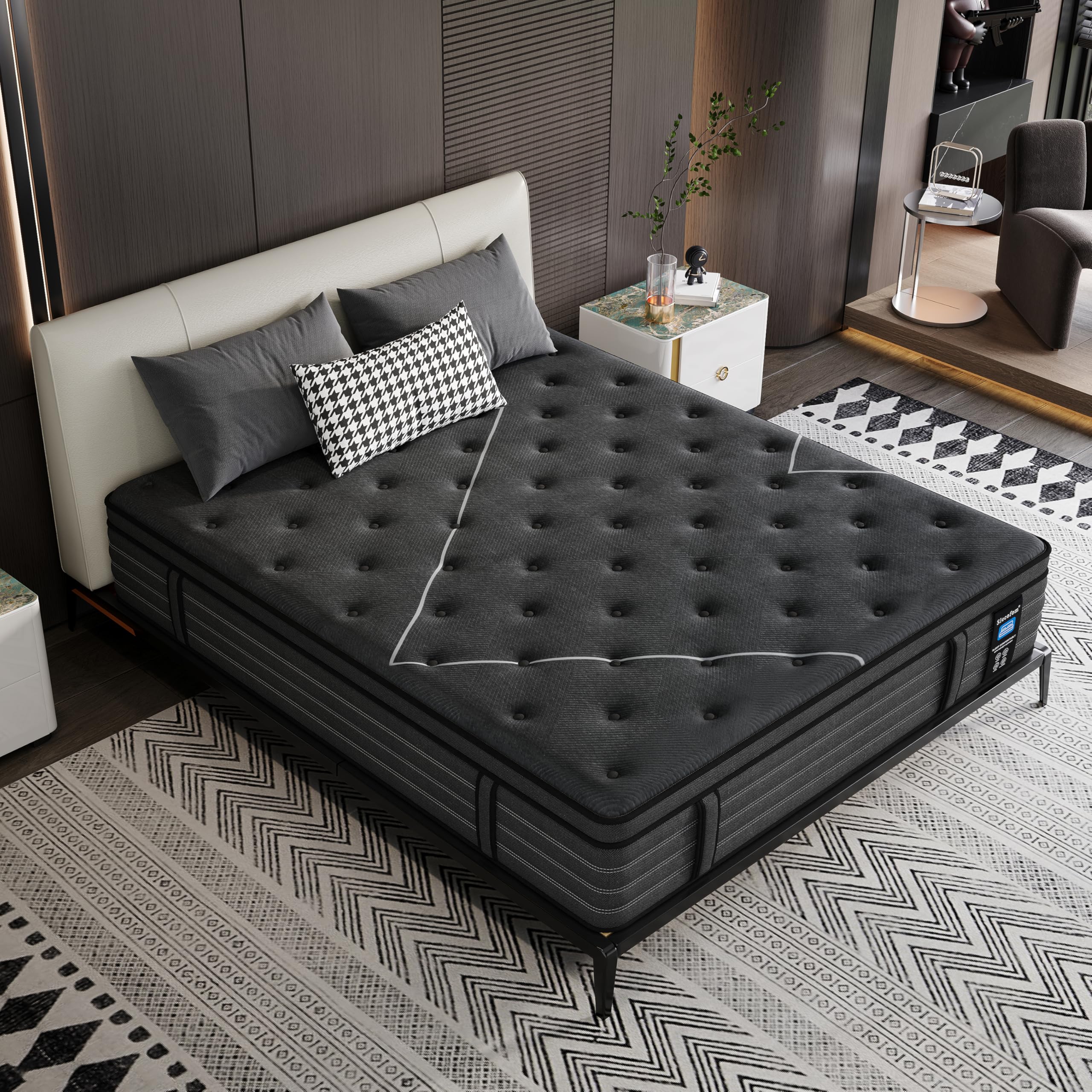
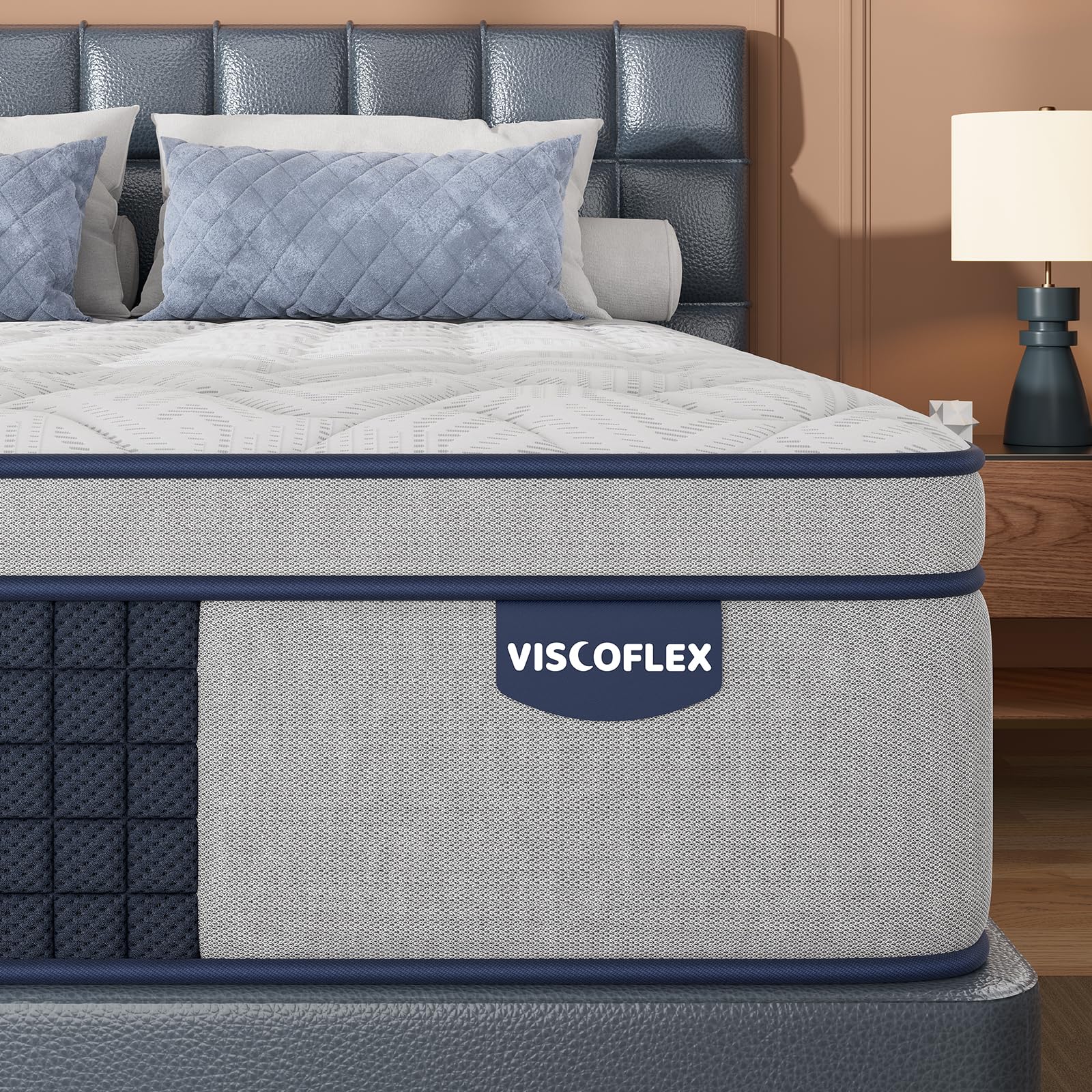
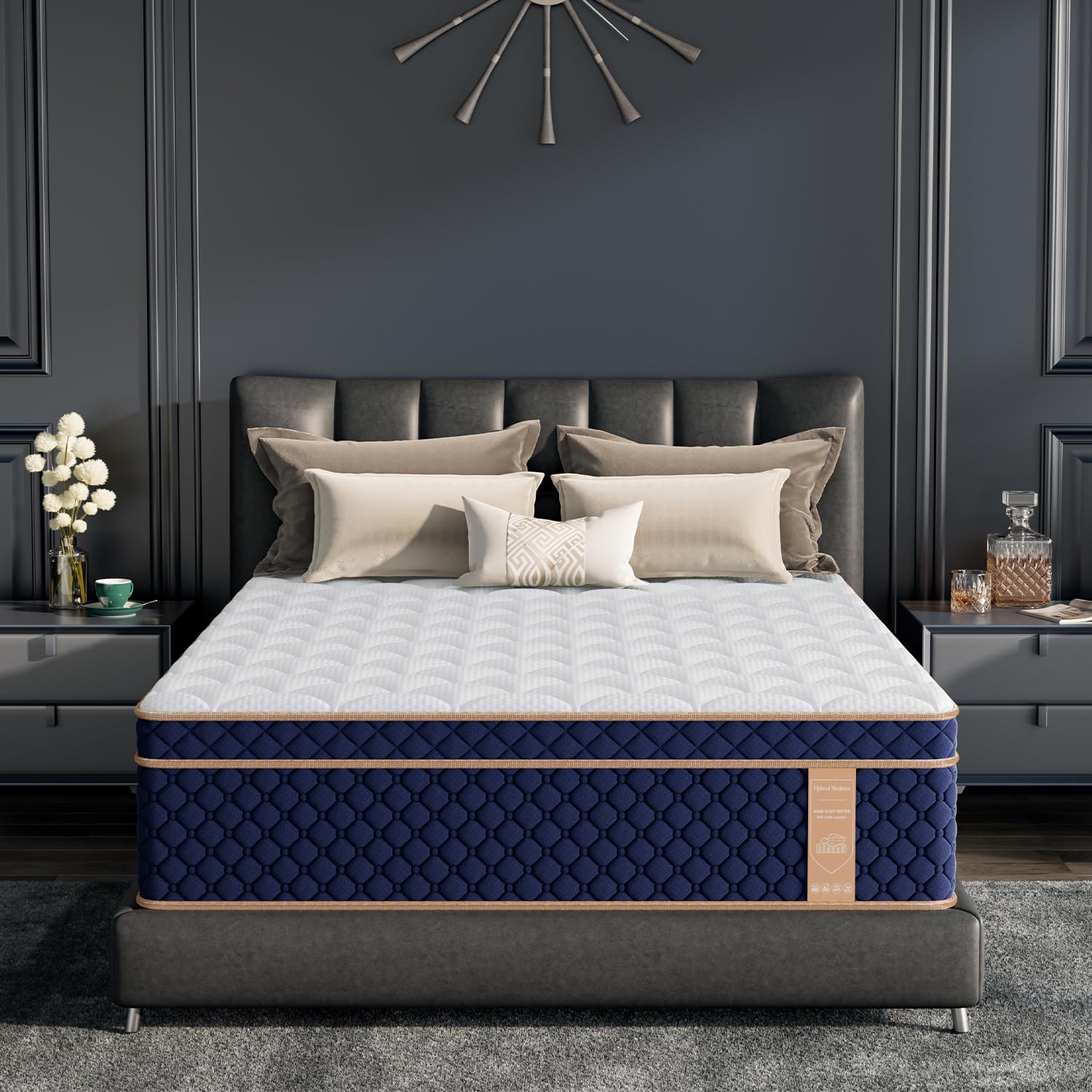
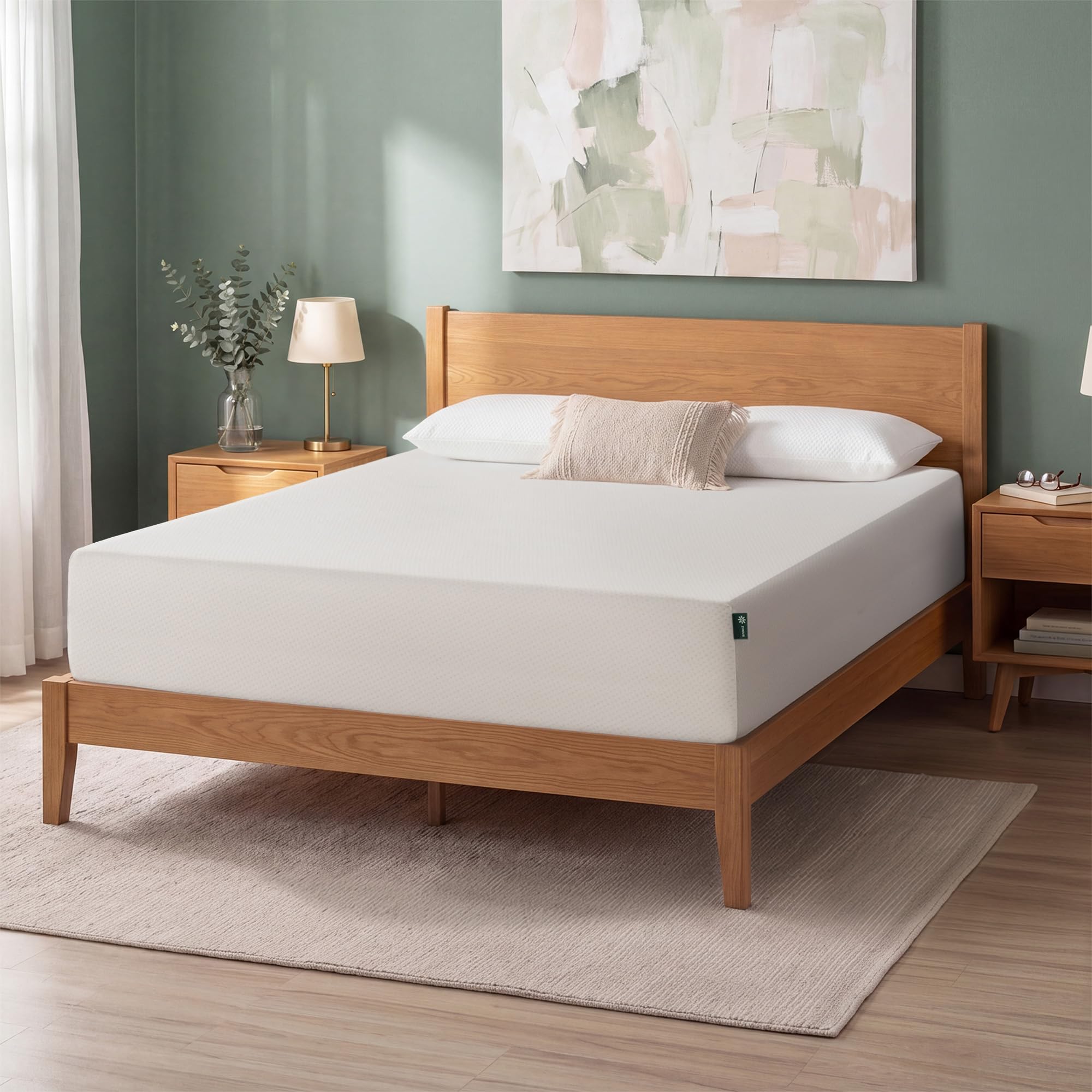
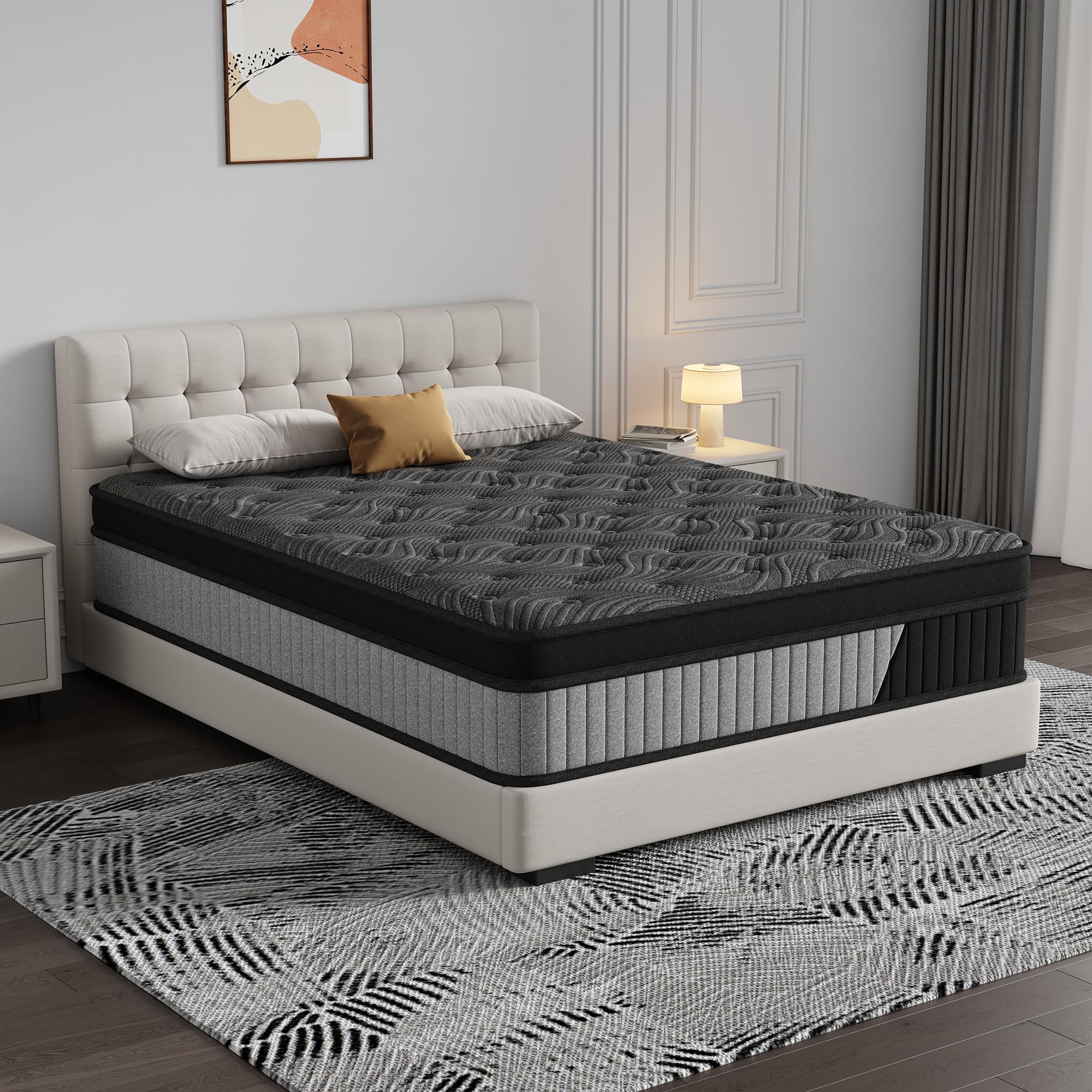
Memory foam remains a strong choice specifically because of its slow, deep contouring around exactly these areas. Latex offers a similar cushioning effect with a bit more responsiveness and less of the sinking feeling some sleepers dislike in memory foam. A generous pillow top or plush comfort layer on a hybrid design can achieve comparable relief while adding more airflow than dense foam alone.
Whatever material you choose, focus on comfort layer thickness at the shoulder and hip area specifically, since a thin comfort layer over a firm base undermines pressure relief regardless of which material sits on top.
How This Differs from a Back-Pain Mattress Pick
It is worth understanding how this guide differs from the back pain mattress advice covered elsewhere on this site, since the two overlap but are not the same thing. A mattress chosen for back pain generally prioritizes firmer, more even support to keep the spine neutral for sleepers who need less pressure relief and more overall structure, often benefiting back or stomach sleepers most.
A mattress for side sleepers prioritizes something different: enough give at the shoulder and hip specifically to prevent pressure buildup, even if that means a somewhat softer overall feel than what a back-pain-focused recommendation would suggest. Some side sleepers do also experience back pain, in which case the balance shifts toward a medium firmness with strong pressure-relieving contouring layered over adequate lumbar support rather than choosing one need over the other.
If shoulder or hip discomfort is your main complaint, this guide's recommendations apply directly. If general spinal or lower back pain is the primary issue regardless of sleep position, the back pain guide is the better starting point.
Trial Periods and Adjustment Time
A body accustomed to years on the wrong mattress often needs time to adjust to proper pressure relief, even on a genuinely better surface. Most sleepers need somewhere between two and four weeks before a new mattress feels fully broken in and natural.
A generous trial period, ideally 90 nights or longer, gives you room to judge a mattress fairly rather than returning it after a rough first week that may simply reflect an adjustment period. Sleep on your side consistently during the trial rather than switching positions to test, since that gives the clearest read on whether pressure relief is actually working for you.
FAQ
What firmness level is best for side sleepers?
Medium-soft to medium firmness generally works best, though lighter sleepers may prefer softer options and heavier sleepers may need firmer support underneath.
Is memory foam or a hybrid better for side sleeping?
Both can work well. Memory foam offers deeper contouring, while a hybrid with a thick comfort layer adds similar pressure relief with more airflow and bounce.
Why do my shoulders hurt after sleeping on my side?
A mattress that is too firm does not cushion the shoulder enough, restricting blood flow at the pressure point and causing soreness or numbness overnight.
Is this the same as a mattress for back pain?
No. Side sleeper mattresses prioritize pressure relief at the shoulder and hip, while back pain mattresses generally prioritize firmer, more even spinal support.
How long does it take to adjust to a new mattress?
Most sleepers need two to four weeks of consistent use before a new mattress feels fully broken in and comfortable.
Do heavier side sleepers need a different mattress than lighter ones?
Yes. Heavier sleepers typically need a firmer support core beneath a generous cushioning layer to avoid sinking too deep and losing alignment.
Should side sleepers avoid firm mattresses entirely?
Not entirely, but very firm surfaces tend to create pressure buildup at the shoulder and hip, so most side sleepers do better with medium or softer options.
Finding Your Fit
Relief for side sleepers comes down to a comfort layer that actually cushions the shoulder and hip, paired with enough underlying support to keep the spine from sagging out of line. That balance matters more than chasing a specific material or firmness label alone.
Test firmness with real side-lying position, give a new mattress a fair adjustment period, and lean on a generous trial window, and the best mattresses for side sleepers will make themselves obvious fairly quickly.
Related reading: best mattress for back sleepers and best mattresses for lower back pain.