
Best Mattresses for Back Pain
Disclosure: We may earn a commission when you buy through links on this page, at no extra cost to you. As an Amazon Associate I earn from qualifying purchases. Learn more

How firmness, sleep position, and materials shape the best mattresses for back pain, plus what to check before your trial period ends.
Waking up with a stiff lower back has less to do with willpower and more to do with what is underneath you every night. A mattress that is too soft lets your hips sink and pulls your spine out of line, while one that is too firm can leave pressure points aching by morning. Finding the best mattresses for back pain starts with understanding how firmness, materials, and support work together for your body and the way you sleep. This guide walks through what actually matters, from firmness levels to sleep position, so you can narrow down options with confidence instead of guessing. We also cover trial periods and the mistakes that send people back to shopping within a year.
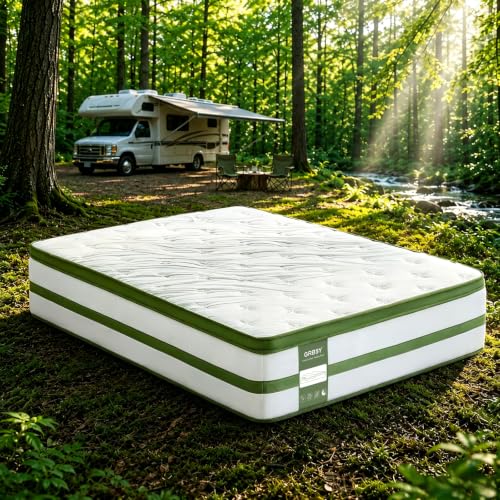


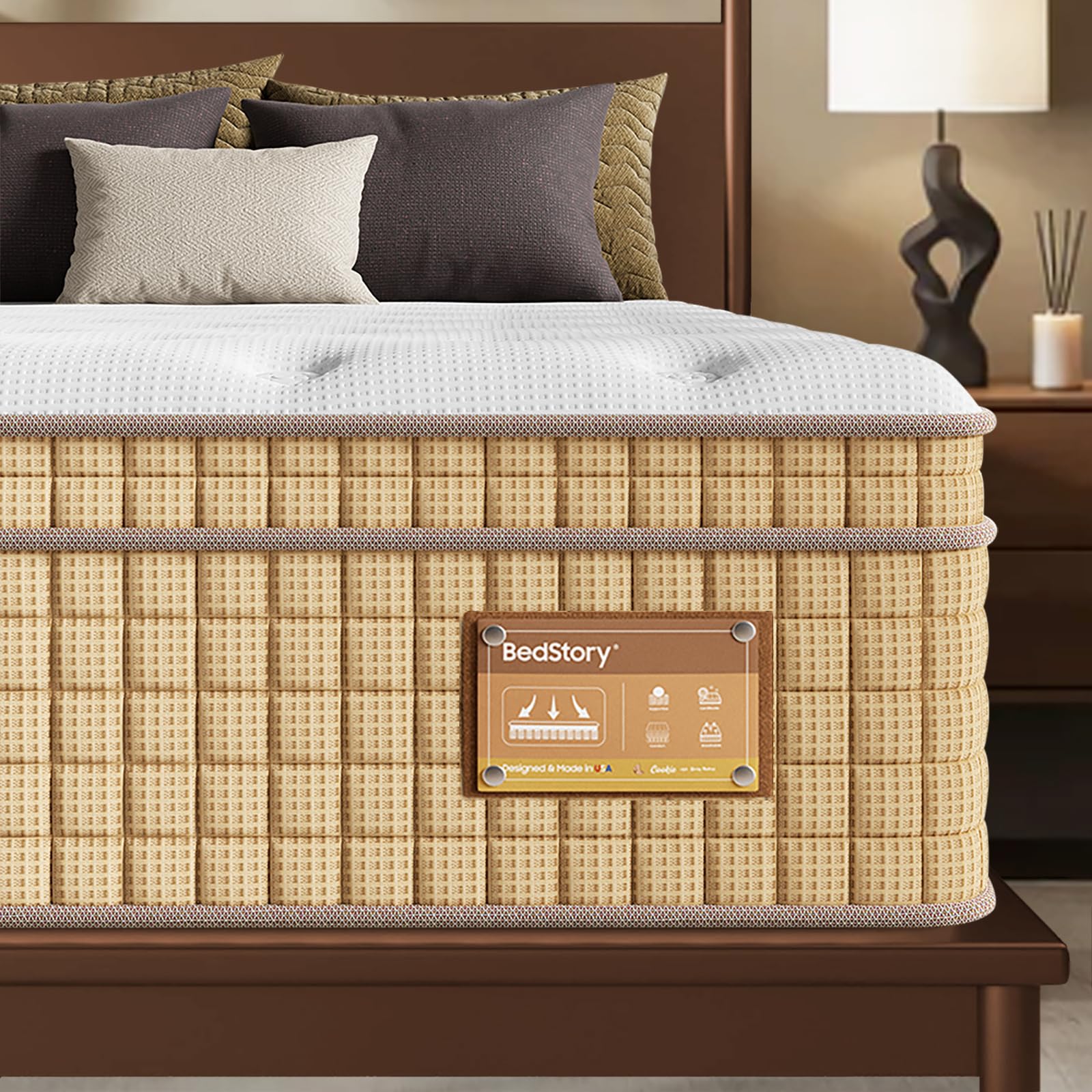
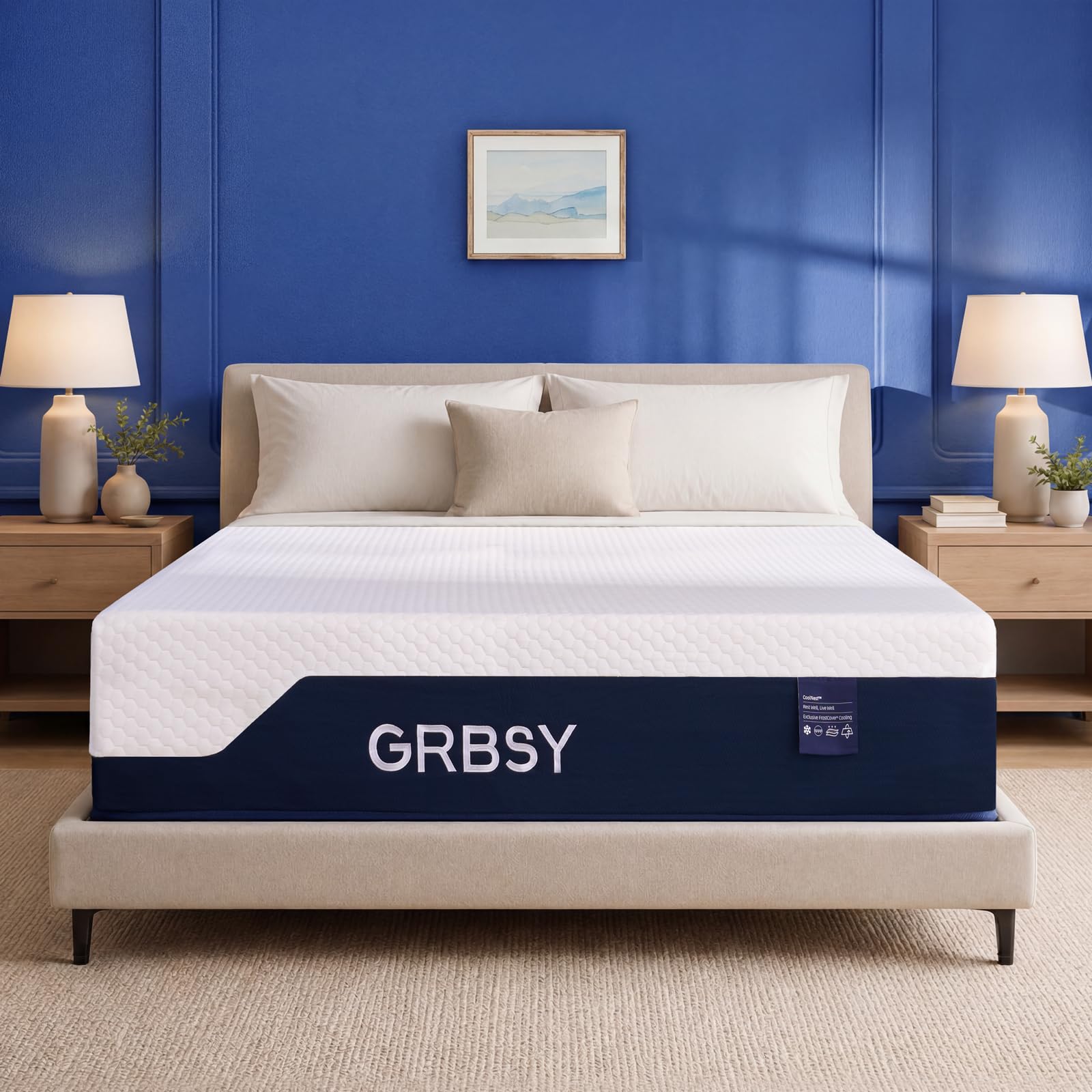
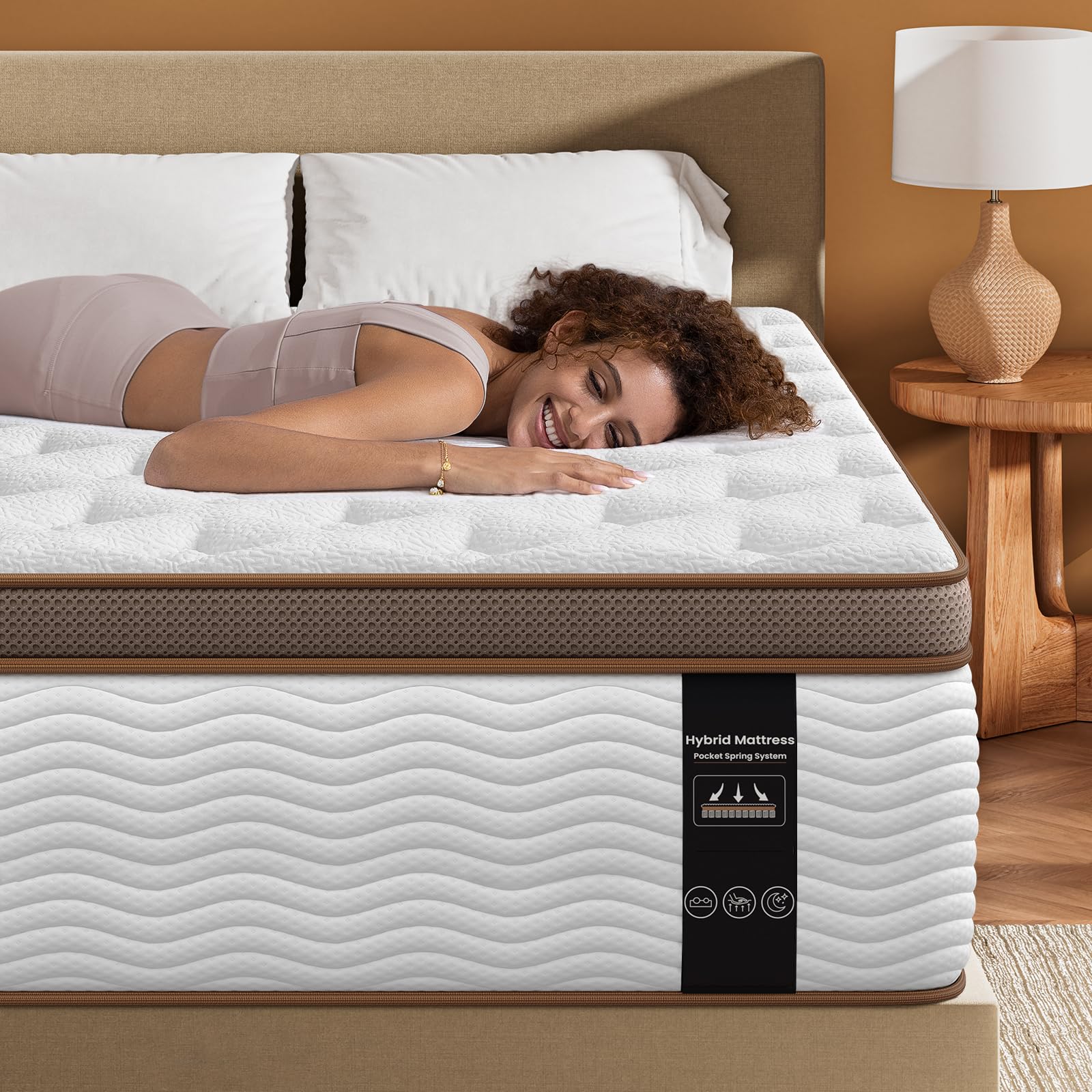

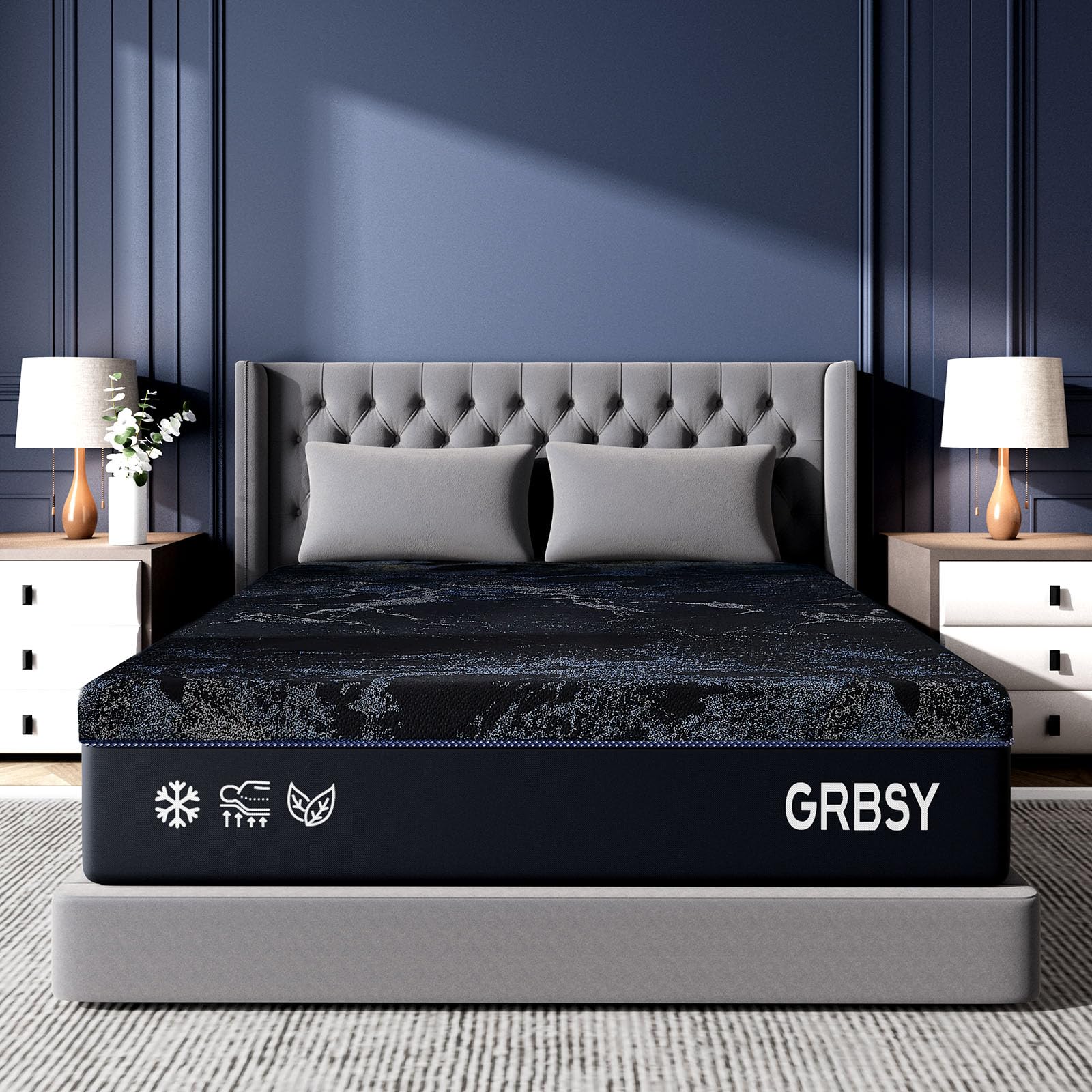
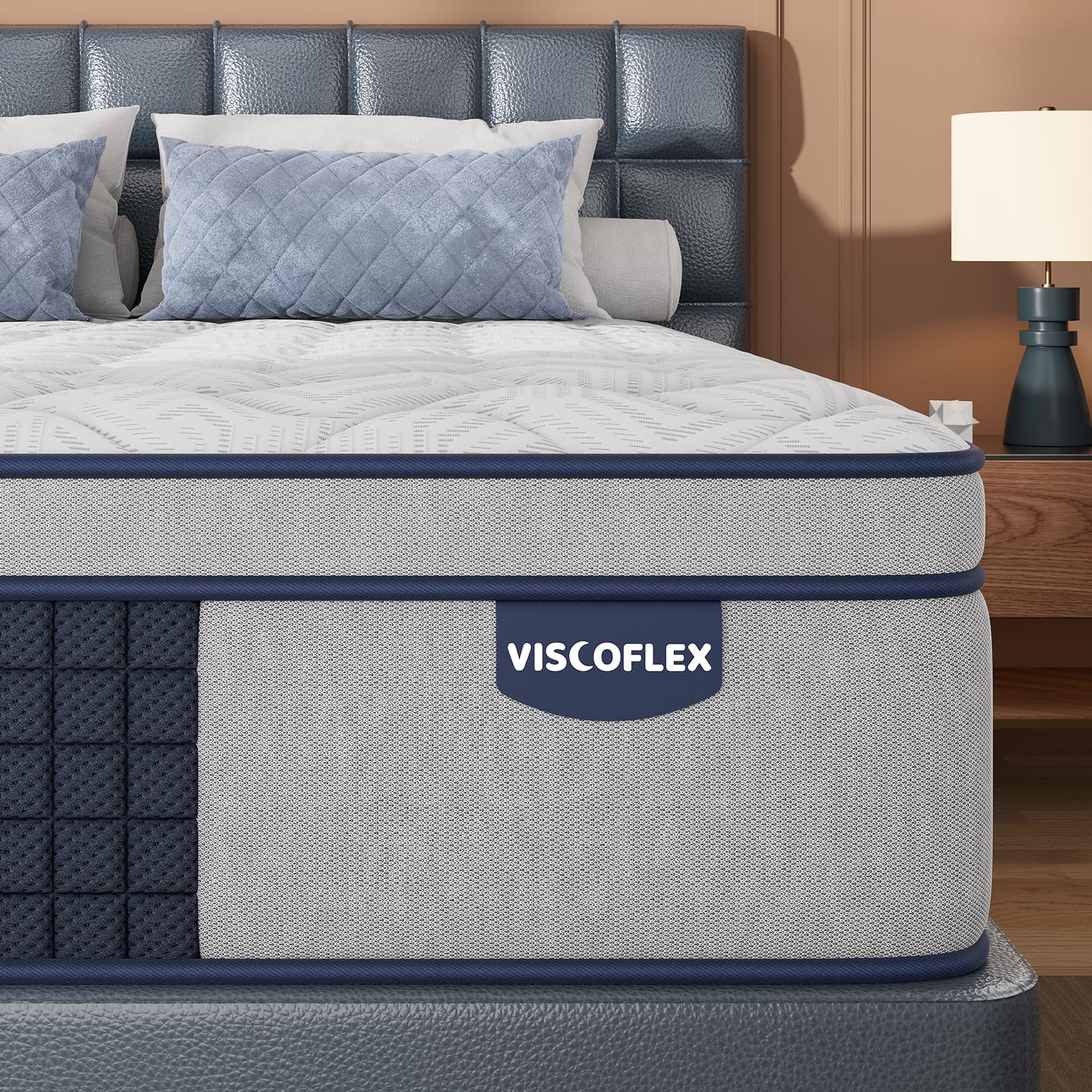

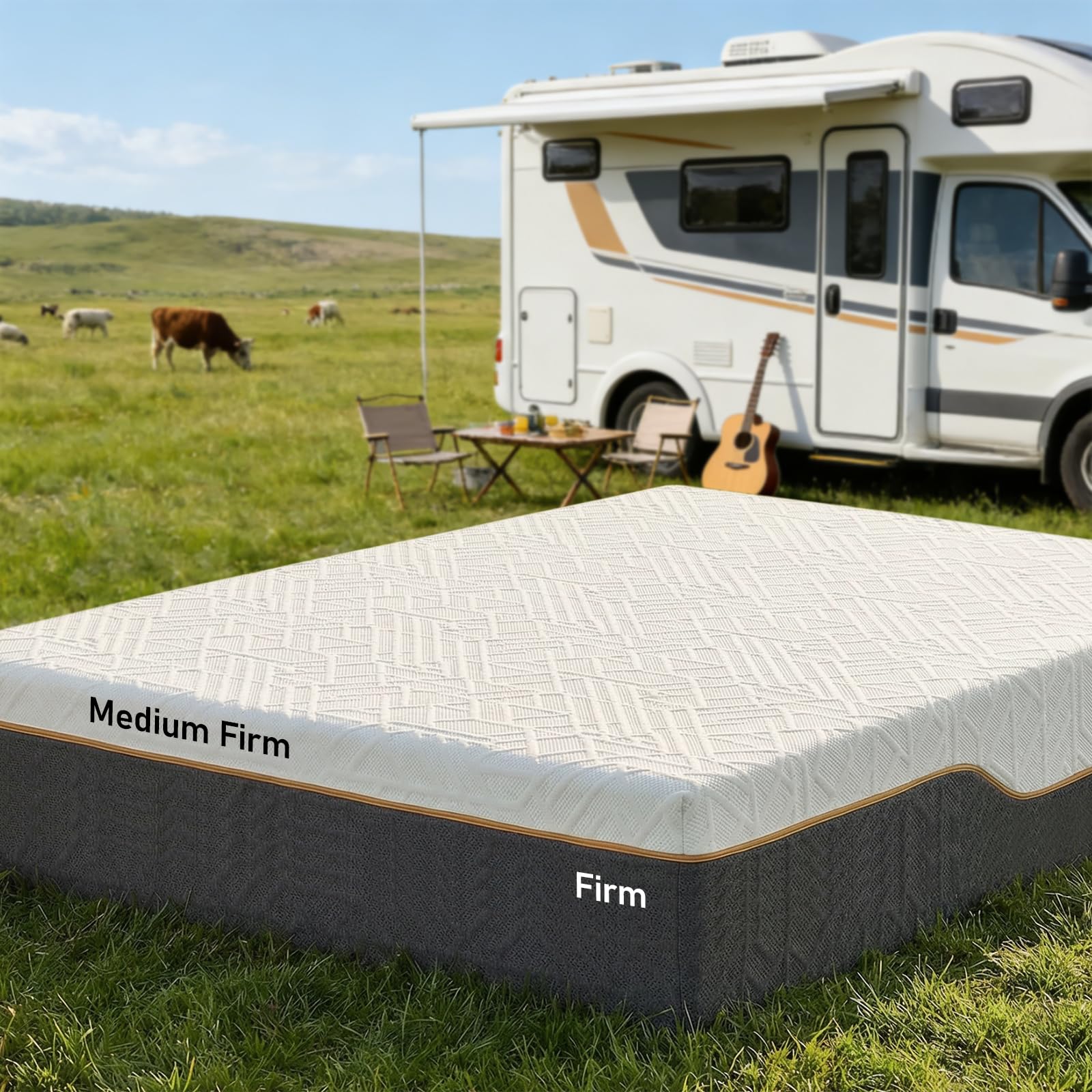
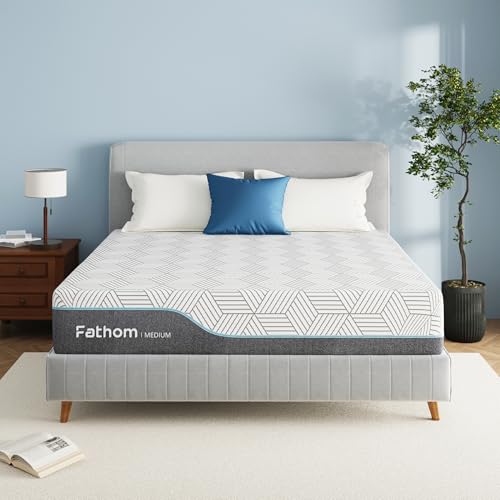
How Mattress Firmness Affects Spinal Alignment
Firmness is usually rated on a scale from very soft to very firm, and for most people dealing with back pain, the sweet spot sits somewhere in the medium range. A surface that is too soft allows the heaviest part of your body, typically the hips, to sink lower than the shoulders, which curves the lower back out of its natural line. A surface that is too firm does the opposite: it resists sinking altogether and leaves gaps under the waist that go unsupported all night.
What you want is a mattress that lets your spine sit in roughly the same shape it holds when you stand up straight. That is spinal alignment in practical terms, and it is the single biggest factor separating a mattress that helps back pain from one that quietly makes it worse. Medium-firm options tend to strike this balance for the widest range of body types, though heavier sleepers often need extra firmness to avoid excess sinkage, and lighter sleepers may need a touch more give to relieve pressure points.
Matching Firmness to Your Sleep Position
Firmness on its own does not tell the whole story. How you actually sleep changes what your back needs most, and getting this wrong is a common reason people buy a well-reviewed mattress and still wake up sore.
Side Sleepers
Side sleeping puts pressure on the shoulder and hip, so a bit more cushioning helps those joints sink slightly while the waist stays supported. Medium to medium-soft mattresses generally work best here.
Back Sleepers
Sleeping on your back benefits from firmer support under the lumbar region to prevent the lower back from arching or sagging. Medium-firm is the most common recommendation for this sleep position.
Stomach Sleepers
This position puts the most strain on the lower back if the mattress is too soft, since the pelvis can sink and force the spine into an unnatural curve. Firmer surfaces limit that sinkage.
Combination Sleepers
If you shift positions through the night, a versatile medium-firm mattress with responsive materials tends to adapt best without forcing a compromise in any one position.
Materials That Support a Sore Back
The material inside a mattress determines how it responds to pressure and how well it holds its shape over time, both of which matter for the best mattresses for back pain. Memory foam contours closely to the body and spreads weight evenly, which many back pain sufferers find relieving, though it can trap heat and feel slow to respond for people who move around at night.
Latex offers similar pressure relief with a bouncier, more responsive feel, and it tends to hold support longer before developing soft spots. Hybrid mattresses combine coils with a foam or latex comfort layer, giving you the contouring benefits of foam along with the edge support and airflow of springs underneath. Traditional innerspring mattresses provide firm, consistent support but generally contour less, which can leave pressure points unaddressed for side sleepers in particular.
There is no single best material for every back, but knowing how each one behaves under your body weight and sleep position narrows the field considerably.
Signs Your Current Mattress Is Making Back Pain Worse
Not every case of back pain calls for a new mattress, but certain patterns point directly at what you are sleeping on. If your back feels noticeably better after a night away from home, in a hotel or on a guest bed, that is a strong clue your own mattress is part of the problem.
Visible sagging, a soft dip in the middle where you typically lie, or a mattress that rolls you toward the center are all signs support has broken down. Waking up stiffer than you felt going to bed, rather than the reverse, is another red flag worth taking seriously. Age matters too. Most mattresses lose meaningful support somewhere between seven and ten years, even if they still look fine on the surface, so a mattress that predates your back pain by several years is worth a closer look.
What a Trial Period and Return Policy Should Cover
Back pain relief from a new mattress rarely shows up on the first night. Your body needs time to adjust to a different feel, which is why a trial period of at least ninety nights is worth prioritizing over a shorter window. Anything less does not give your spine enough time to settle into a new surface before you have to decide whether it is working.
Check what the return process actually involves before you buy, including who covers pickup or return shipping and whether there is a minimum break-in period before you are allowed to request a return. Beyond the trial, look at what the warranty covers in terms of sagging depth, since a mattress that develops a noticeable indentation well before it should is a manufacturing issue, not something you have to live with.
Frequently Asked Questions
Is a firm mattress always better for back pain?
Not necessarily. Very firm mattresses can leave gaps under the lower back and create new pressure points. Medium-firm is generally more effective for most sleepers with back pain.
How long does it take to adjust to a new mattress?
Most people need two to four weeks for their body to fully adapt to a new surface, which is why longer trial periods matter more than first impressions.
Can a mattress topper fix back pain instead of buying new?
A topper can help with minor comfort issues, but it will not correct sagging or a broken-down support core. Severe or worsening pain usually calls for a full replacement.
Does mattress size affect back support?
Size does not directly change support, but a mattress that is too small can force you into awkward positions during the night, which may aggravate existing back pain.
Should side sleepers with back pain avoid firm mattresses?
Generally yes. Very firm surfaces do not allow the shoulder and hip to sink enough, which can misalign the spine for side sleepers and increase pressure at those joints.
How often should a mattress be replaced for back health?
Most mattresses should be replaced every seven to ten years, though heavier use, visible sagging, or worsening pain can shorten that timeline considerably.
Do heavier body types need a different firmness level?
Yes. Heavier sleepers typically need a firmer mattress or a thicker support core to prevent excess sinkage that a lighter sleeper would not experience on the same mattress.
The Bottom Line
Choosing among the best mattresses for back pain comes down to matching firmness and material to your body weight and sleep position, not chasing the highest-rated model in general. Pay attention to how your back feels away from home, take the trial period seriously, and give any new mattress a few weeks before judging it. The right combination of support and pressure relief can make a noticeable difference in how your back feels each morning.
Related reading: best mattresses for lower back pain and best mattress toppers for back pain.


