Best Egg Crate Mattress Toppers: A Complete Buying Guide
Disclosure: We may earn a commission when you buy through links on this page, at no extra cost to you. As an Amazon Associate we earn from qualifying purchases. Learn more

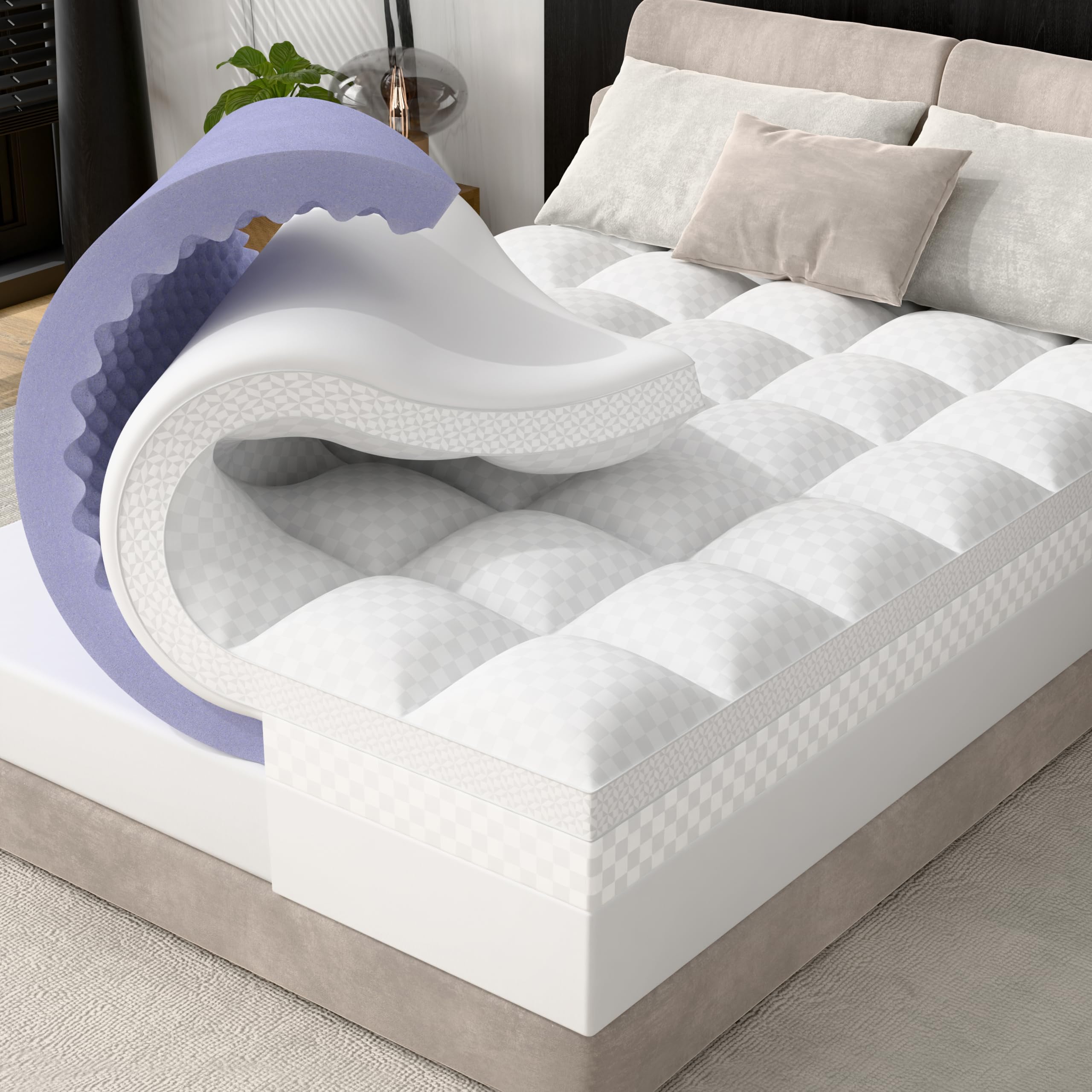
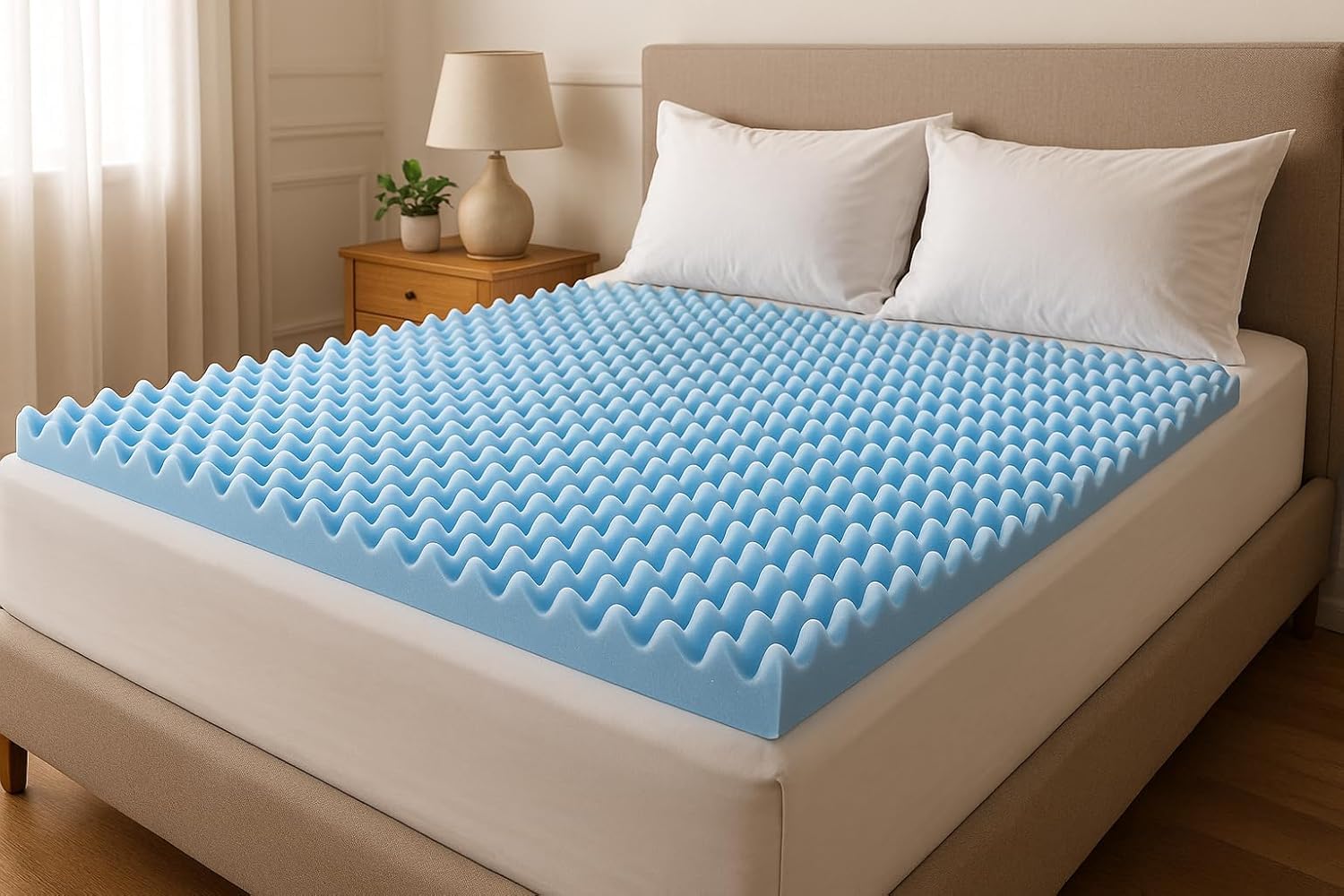
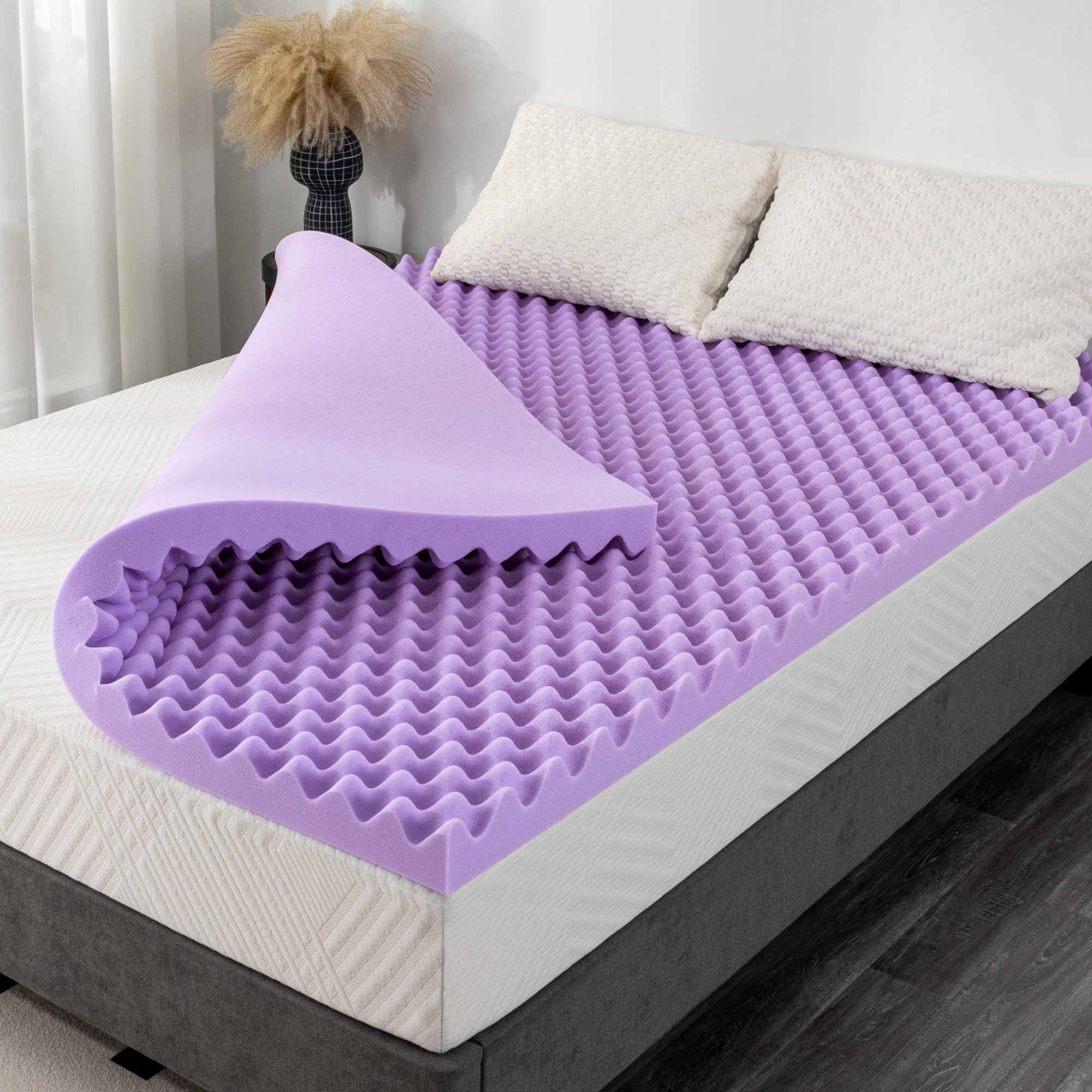
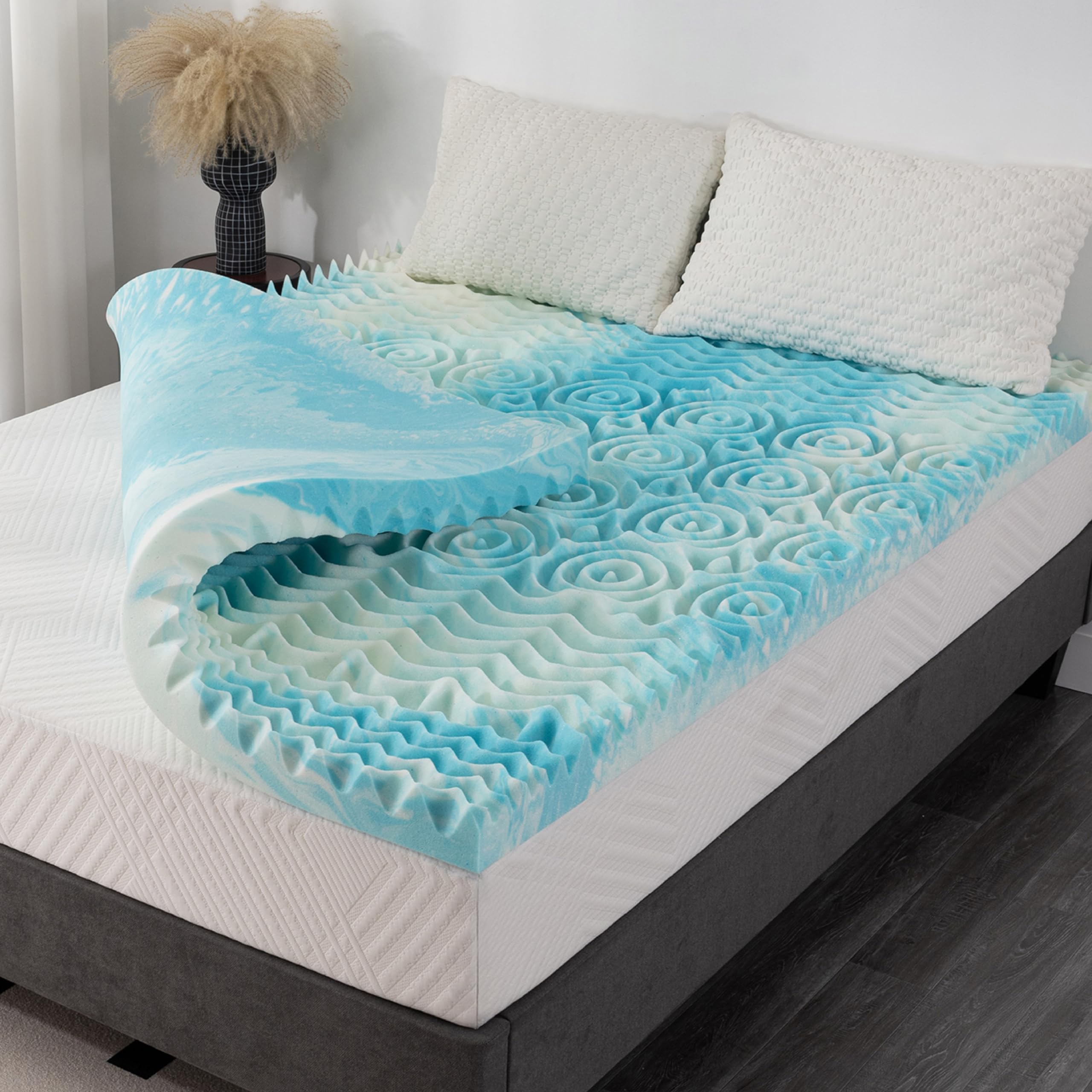
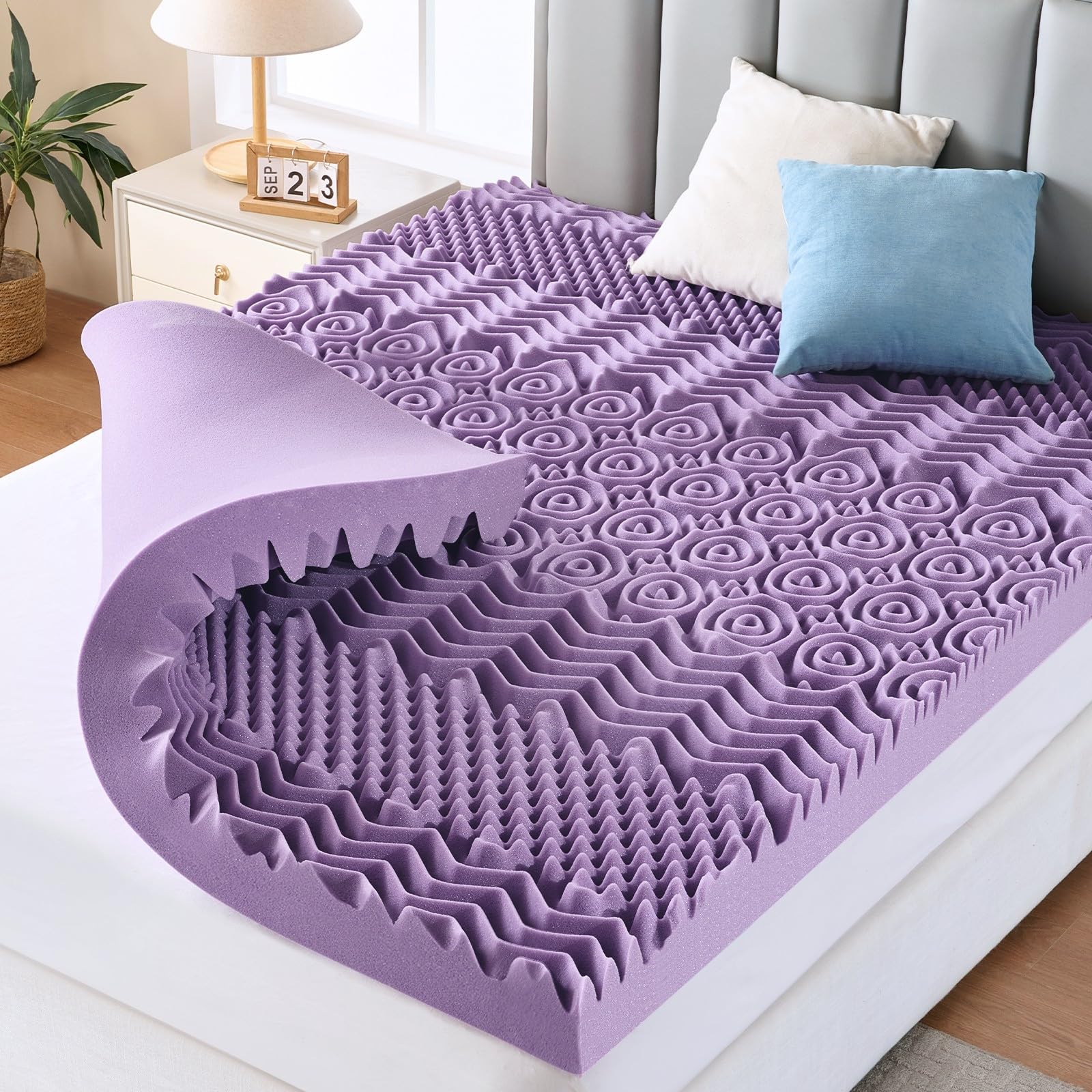
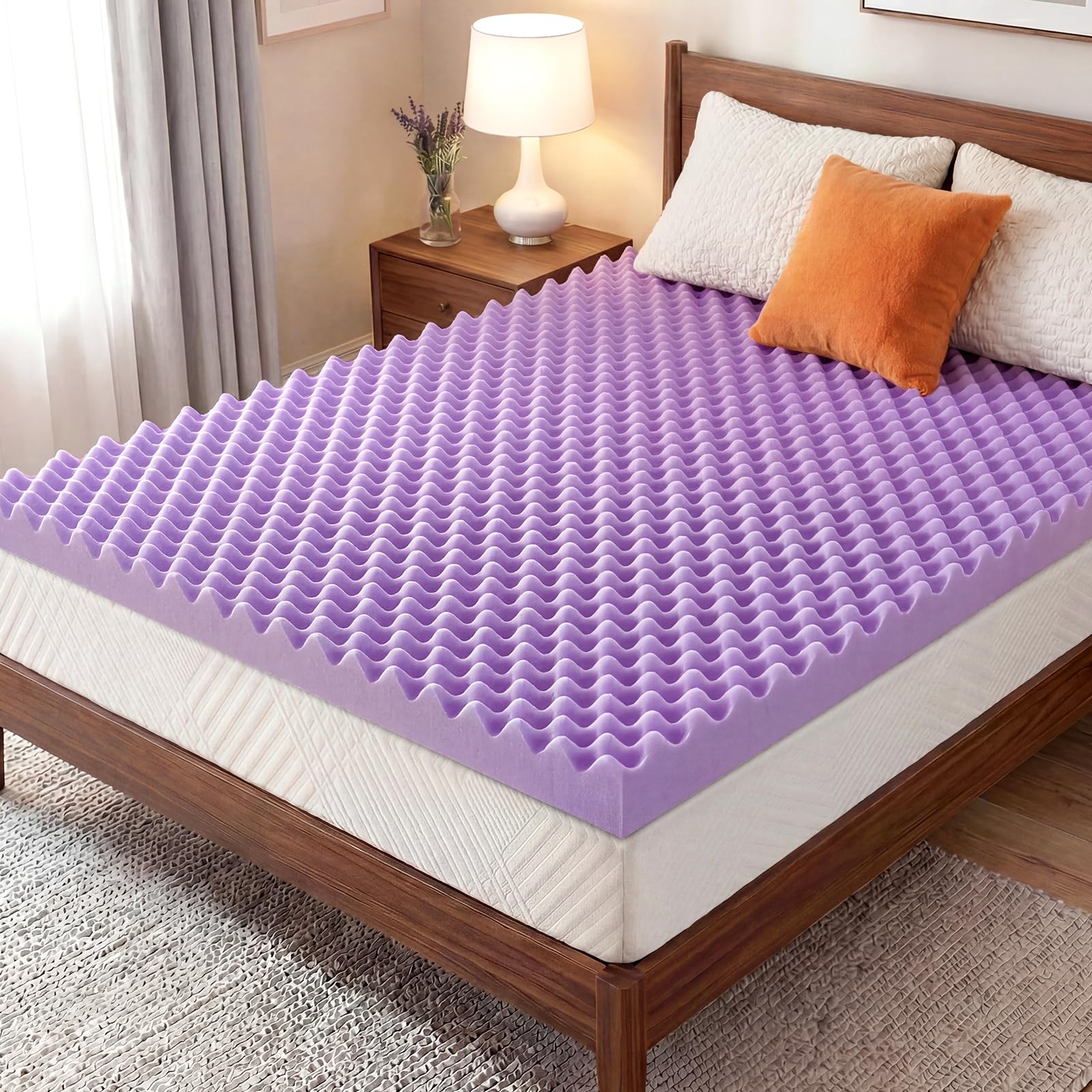
Have you wondered why some mattress toppers have a strange “peak and valley” like design, and others don’t? The former is also known as egg crate mattress toppers and are made of convoluted memory foam. The specific texture on top of the topper promotes better air circulation between your body and...
If your mattress feels too firm, sleeps hot, or just needs a comfort refresh without the cost of a full replacement, an egg crate topper is one of the cheapest fixes available. The wavy, convoluted surface looks unusual, but it does real work: it distributes body weight across dozens of small peaks instead of one flat plane, and it lets air move underneath you instead of trapping heat. This guide covers what actually separates a genuinely useful egg crate mattress topper from one that flattens out in a few months, plus how to size, care for, and get the most out of one once it's on your bed.





How Egg Crate Foam Actually Works
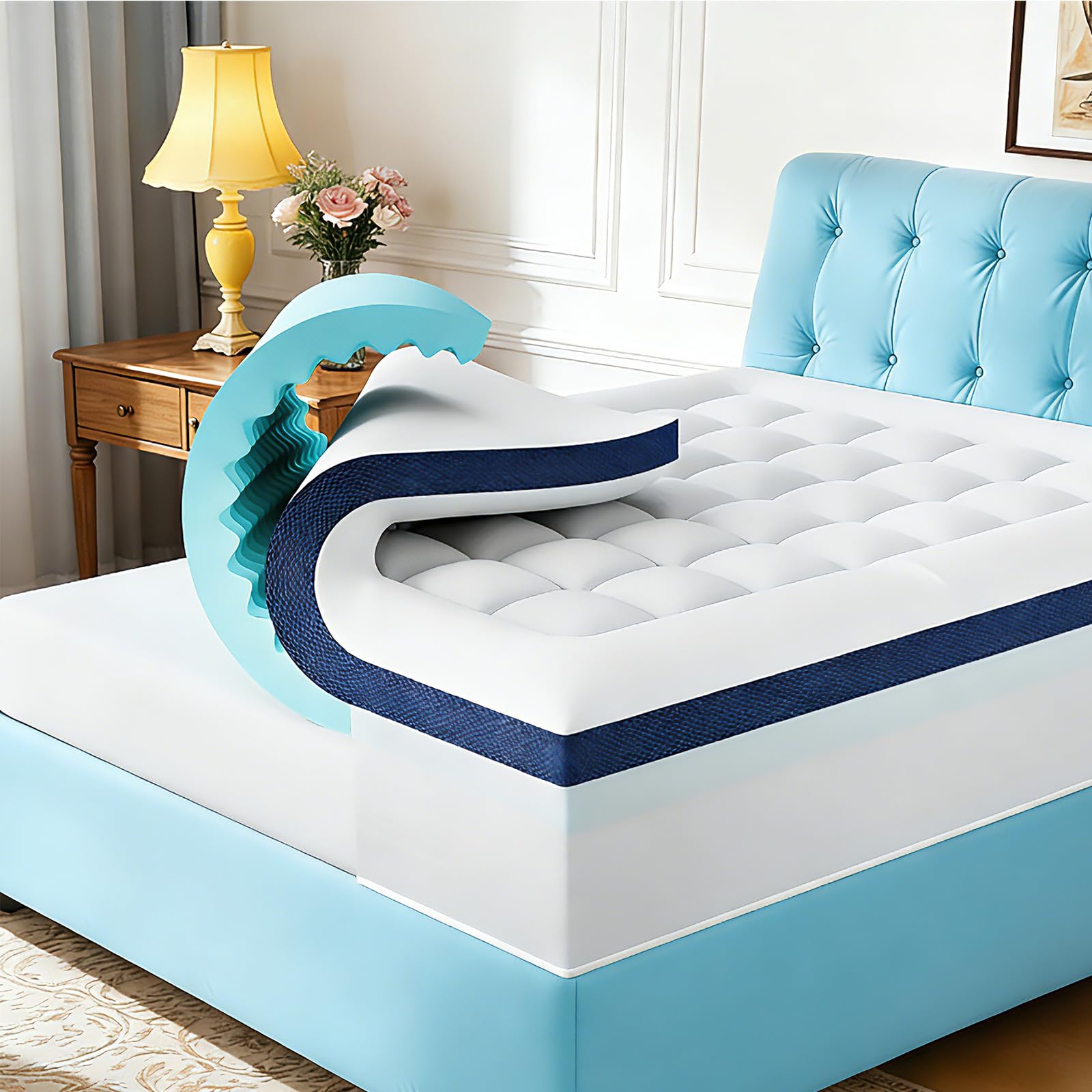
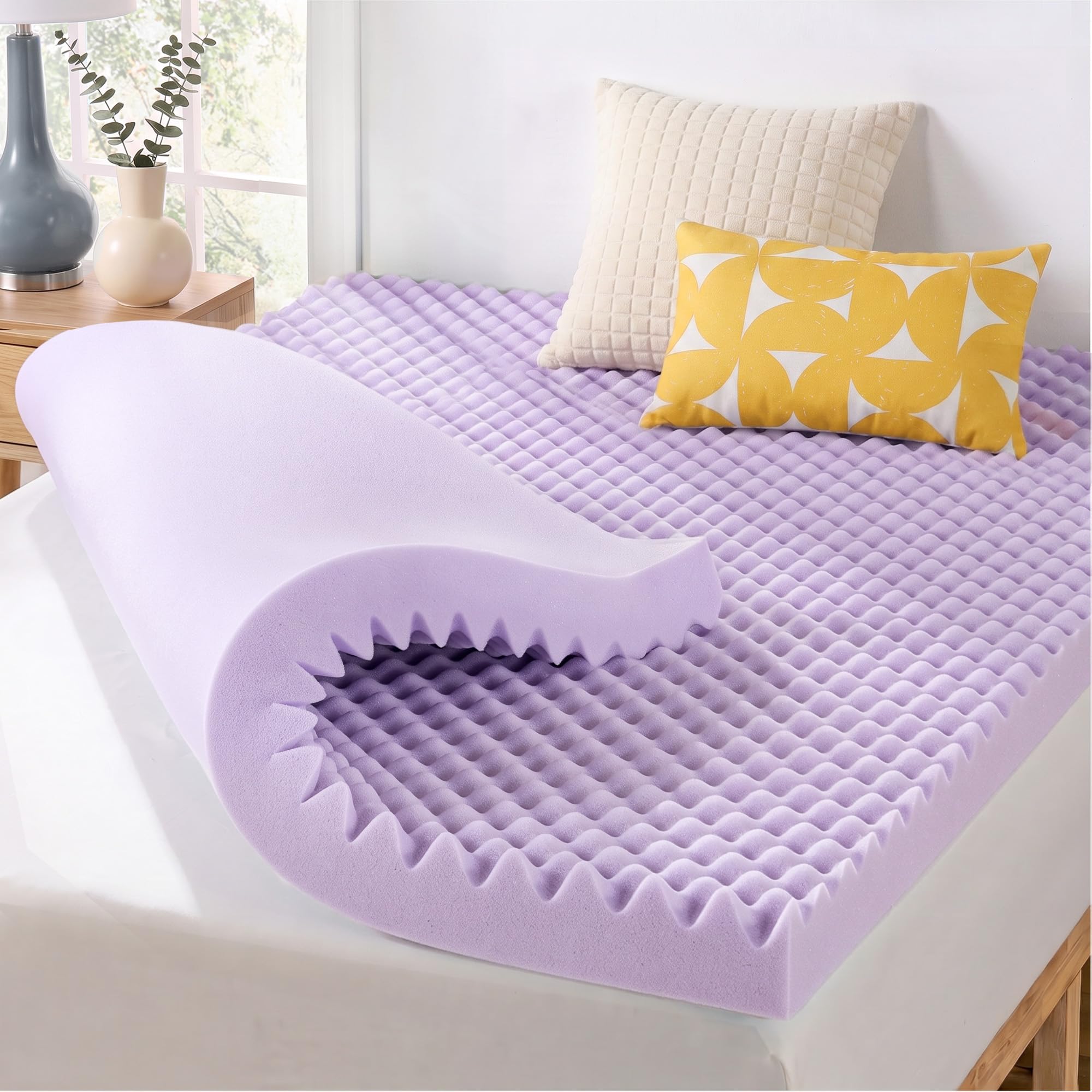
The peaks and valleys aren't just for looks. That convoluted shape means only the tips of the foam make contact with your body, which softens pressure at the shoulders, hips, and lower back compared to a flat slab of the same material. The valleys between the peaks also create channels for air to move, which is why egg crate foam tends to sleep noticeably cooler than a solid memory foam layer of the same thickness.
Most egg crate mattress toppers are made from one of three materials. Standard polyurethane foam is the most common and the most affordable, offering light cushioning without much body-hugging contour. Convoluted memory foam combines the egg crate shape with viscoelastic foam, so it softens pressure points while still slowly conforming to your body. Latex versions are less common but hold their shape longer and resist sagging better than either foam option. The peak height also matters more than most shoppers realize: taller, more pronounced peaks flex and rebound more, which adds a bit of extra cushioning, while shorter, flatter peaks feel closer to a standard foam topper with a bit less give.
Thickness and Density: What Actually Matters When You Buy
Picking the Right Thickness
Most egg crate toppers run between 1 and 4 inches, and the sweet spot for the average sleeper is 2 to 3 inches. A thinner 1 to 1.5-inch topper adds a light comfort layer without changing how the mattress feels underneath, which works well if you just want a bit more breathability. A 3 to 4-inch topper makes a bigger difference on a mattress that's noticeably too firm, but it also raises your sleeping height enough that you may need deeper-fitting sheets.
Why Density Determines How Long It Lasts
Density is the spec that separates a topper that holds its shape for years from one that flattens out by next season. Lighter sleepers under about 130 pounds can get away with lower-density foam, while sleepers over 200 pounds should look for a denser, firmer topper so the peaks don't compress flat within a few months. Manufacturers don't always list density clearly, so a good proxy is checking whether the topper is marketed for "extra support" or "medical grade," both of which typically indicate a firmer, higher-density foam.
Who Actually Benefits from an Egg Crate Topper
Egg crate foam isn't the right fit for every sleeper, but it solves a few problems better than almost anything else on the market. Side sleepers who need a bit of extra give at the shoulders and hips often notice real relief, since the peaks compress locally instead of pushing back evenly the way a flat surface does. Hot sleepers benefit from the airflow the ridged design creates, especially compared to a solid slab of memory foam that traps heat against the body.
Egg crate foam also has a long history in medical and caregiving settings. Convoluted foam pads are commonly used under hospital bed mattresses and for bedridden patients because the design helps distribute weight and reduce pressure on the skin, which lowers the risk of pressure sores during long periods lying down. That same weight-distributing quality makes egg crate toppers a practical, low-cost choice for guest rooms, dorm beds, or any mattress that only needs a temporary comfort upgrade rather than a full replacement. They're also a common pick for RVs, boats, and other spaces where a mattress gets replaced less often than a home bed, since a topper can refresh the feel of the sleeping surface without the hassle of swapping out an entire mattress.
If you're specifically shopping for temperature regulation on top of pressure relief, pairing an egg crate topper with a cooling memory foam pillow addresses both ends of the bed at once, since heat retention around the head and neck is often just as noticeable as heat trapped by the mattress itself.
Egg Crate vs. Memory Foam Toppers: Which Fits Your Needs
Shoppers comparing an egg crate mattress topper against a standard memory foam topper are really weighing two different priorities. The two options solve different problems. Egg crate foam prioritizes airflow and light pressure relief at a lower price, while a solid memory foam topper prioritizes deep body contouring and more consistent support over time. If you mainly want your mattress to feel a little softer and sleep cooler, egg crate foam is usually enough. If you're dealing with ongoing back or joint pain and need firmer, more targeted spinal support, a dedicated mattress topper built for back pain will typically outperform egg crate foam, since those toppers are engineered around firmness and alignment rather than surface-level cushioning.
It's also worth being clear about what an egg crate topper can't do. It won't fix a mattress that's already sagging or has lost its core support, since the topper only adds a comfort layer on top rather than rebuilding what's underneath. If the mattress itself feels unsupportive even before you add a topper, the better long-term fix is usually a proper mattress foundation rather than another layer of foam.
Caring for Your Topper: Cleaning, Odor, and Lifespan
Egg crate foam is almost always spot-clean only, not machine washable, unless the manufacturer's label says otherwise. Vacuum both sides regularly with a low-suction attachment to pull out dust and debris that settle into the ridges. For stains, a light spray of water mixed with a little mild detergent or diluted vinegar works on most spots, followed by blotting rather than soaking the foam. Never put an egg crate topper in the dryer, since the heat can melt or warp the foam permanently; if it needs to dry after cleaning, lay it flat or drape it somewhere with good airflow, out of direct sun.
Odor is common with new foam and usually fades within a few days of airing it out. If a musty smell develops later on, sprinkling baking soda over the surface, letting it sit for a few hours, then vacuuming it off usually resolves it. Expect a standard polyurethane egg crate topper to hold its shape for roughly 1 to 3 years with regular use, noticeably shorter than a memory foam topper's typical 3 to 5-year lifespan. Adding a breathable mattress protector over the topper helps it last closer to the higher end of that range by keeping moisture, oils, and dust out of the foam itself.
Frequently Asked Questions
What is an egg crate mattress topper?
It's a foam topper with a wavy, convoluted surface that looks like an egg carton, designed to relieve pressure points and improve airflow compared to a flat foam layer. It sits directly on top of an existing mattress.
Do egg crate mattress toppers help with back pain?
They can provide mild relief by softening pressure points, but they aren't built for firm spinal support the way a dedicated back pain topper is. If back pain is your main concern, a firmer, support-focused topper will usually do more.
How long do egg crate mattress toppers last?
Standard polyurethane versions typically last 1 to 3 years before the peaks start to compress and flatten. Higher-density or memory foam egg crate versions can last closer to 3 to 5 years with regular care.
Can you machine wash an egg crate mattress topper?
Usually not. Most are spot-clean only, since foam breaks down quickly in a washing machine and should never go in the dryer. Always check the care label first, since a small number of covers are removable and washable separately.
What thickness of egg crate topper is best?
A 2 to 3-inch topper suits most sleepers and mattresses. Go thinner if you just want added breathability, or thicker if your current mattress feels significantly too firm.
Do egg crate toppers sleep hot?
No, they tend to sleep cooler than flat memory foam. The ridged surface creates air channels that let heat escape instead of building up against the body.
Are egg crate toppers used in hospitals?
Yes. Convoluted foam pads are a common, low-cost addition to hospital beds and are used to help distribute weight and reduce pressure on the skin for patients who spend extended periods lying down.
Making Your Decision
An egg crate mattress topper is one of the most affordable ways to make an aging or slightly-too-firm mattress feel better and sleep cooler, especially for side sleepers, hot sleepers, or anyone furnishing a guest room on a budget. Just go in with the right expectations: it's a comfort layer, not a fix for a mattress that's already lost its support, and it won't last as long as a denser memory foam alternative. Match the thickness and density to your body weight and sleep position, and it should deliver a noticeably better night's sleep for a couple of years at minimum.