
Best Weighted Blankets for Better Sleep
Disclosure: We may earn a commission when you buy through links on this page, at no extra cost to you. As an Amazon Associate I earn from qualifying purchases. Learn more

Everything to know before buying a weighted blanket, from choosing the right weight to comparing fill materials and care requirements.
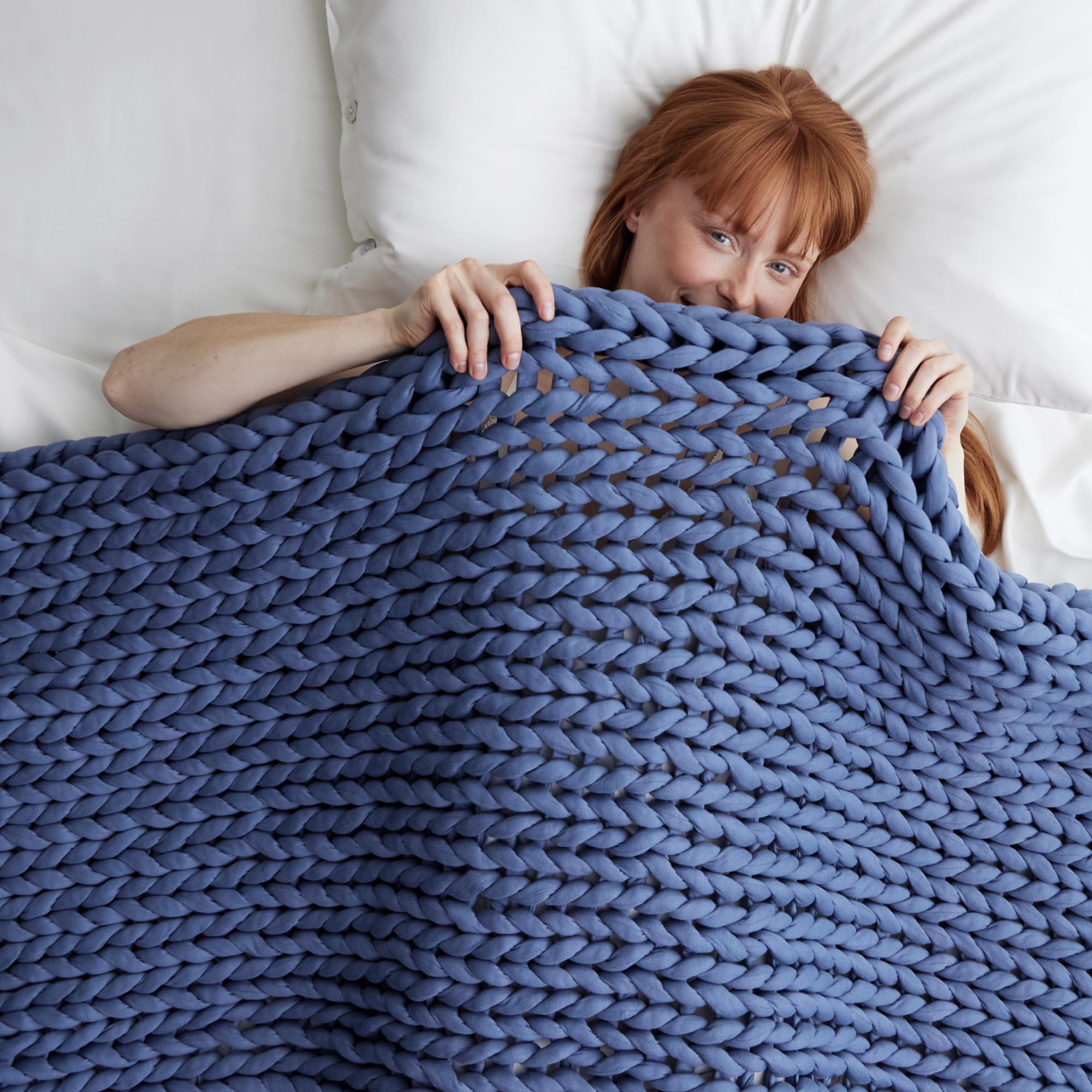
Tossing and turning at 2 a.m. tends to push people toward all sorts of sleep fixes, and one of the more surprisingly effective ones is simple pressure. A heavier-than-usual blanket that hugs your body can calm a restless nervous system in a way a regular duvet just doesn't. That's the whole idea behind the best weighted blankets, and it's why they've quietly become a staple in so many bedrooms across the country. Picking the right one, though, means understanding weight ratios, fill materials, and a few safety basics most shoppers skip past entirely. Here's what actually matters before you add one to your cart.



Finding the Right Weight for Your Body
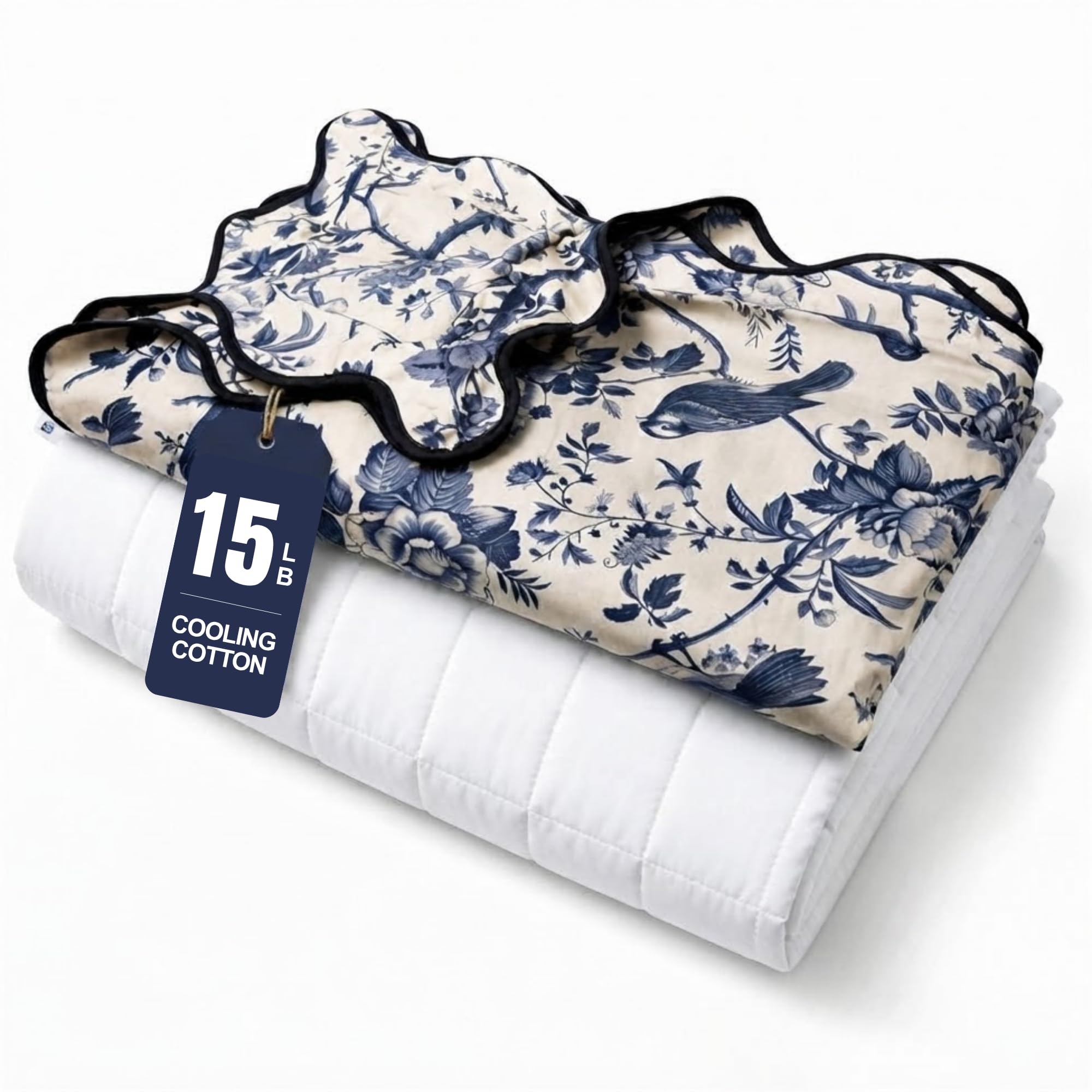
The general rule of thumb is choosing a blanket around 10 percent of your body weight, give or take a pound or two depending on personal preference. A 150-pound adult typically does well with a 15-pound blanket, while someone closer to 200 pounds might prefer 18 to 20 pounds. Going much heavier than that rarely improves the effect and can just feel restrictive rather than calming.
Couples sharing a bed face a trickier calculation, since a single blanket sized for one person's body weight will feel wrong for the other. Some manufacturers offer split-weight designs or two connected panels so each sleeper gets their own appropriate pressure. Others simply recommend two individual blankets rather than sharing one.
Children need a much lighter ratio and closer supervision, which we'll cover in the safety section below. When shopping for a weighted blanket for adults, always check the manufacturer's weight chart rather than guessing, since fill distribution varies enough between brands that the same number can feel different from one blanket to the next.
Glass Beads, Poly Pellets, and Other Fillings
Most weighted blankets rely on one of two fillings to add heft without excessive bulk. Glass beads are small, dense, and let manufacturers pack significant weight into a slim profile, which is why a glass bead weighted blanket often feels less bulky than you'd expect for its weight. They also tend to distribute more evenly and stay quieter during the night, since they don't shift around as noticeably as larger pellets.
Plastic poly pellets are the more budget-friendly option and work perfectly well, though the blanket needs a bit more material to reach the same weight, resulting in a bulkier feel. Some sleepers actually prefer that extra bulk since it reads as cozier.
A newer category worth knowing about is the cooling weighted blanket, which pairs weighted fill with breathable outer fabrics like bamboo or moisture-wicking cotton blends. These are worth prioritizing if you tend to sleep hot, since standard weighted designs can trap heat under all that added material. Reviewers ranking the best weighted blankets for hot sleepers almost always point to this fabric choice as the deciding factor.
A quick rundown of the main fill types:
- Glass beads: dense, slim profile, quieter movement
- Poly pellets: budget-friendly, slightly bulkier feel
- Cooling fabric blends: breathable covers for hot sleepers
- Mixed fill: combines beads with fabric weighting for balance
Washing and Caring for a Weighted Blanket
Care instructions vary more with weighted blankets than with standard bedding, mostly because of how much they weigh once wet. Many lighter models under 15 pounds fit in a standard home washer on a gentle cycle, but anything heavier risks straining the machine's drum and bearings. Check the weight limit on your washer before assuming it can handle the load.
A removable duvet cover solves most of the hassle, since you can wash the cover regularly and spot-clean the weighted insert far less often. This also protects the inner fill from wear and extends the life of the blanket considerably. Line drying or a low-heat dryer setting is usually safer than high heat, which can degrade certain fabric blends over repeated cycles. When a full wash is unavoidable, some owners take heavier blankets to a laundromat with commercial-sized machines built to handle the extra weight and water without straining the motor. Reading the care label before the first wash saves a lot of guesswork later, since blends vary quite a bit between brands.
Safety Considerations Before You Buy
Weighted blankets are not recommended for infants or very young children, since the added weight and pressure can pose a suffocation risk for anyone unable to move it off themselves easily. Most manufacturers set a minimum age recommendation, often around three years old, and it's worth respecting that guidance rather than sizing down an adult blanket.
Older adults or anyone with mobility limitations, respiratory conditions, or circulatory issues should check with a doctor before regular use, since the pressure that helps some people relax can be uncomfortable or even risky for others. It's also worth avoiding weighted blankets for anyone who can't easily reposition or remove the blanket unassisted during the night.
Pets are another consideration many people overlook. A blanket left within reach of a small dog or cat can be surprisingly heavy for them to move, so it's worth keeping a weighted blanket somewhere a pet can't get trapped underneath it while you're away from the room. None of this is meant to discourage use, just to make sure the product is matched sensibly to the person or household using it.
Frequently Asked Questions
How long does it take to notice the calming effect?
Many people feel a difference the first night, though it can take a week or two of consistent use before the benefit feels fully established.
Can a weighted blanket be used year-round?
Yes, especially cooling versions designed with breathable fabrics. Standard fills can feel too warm in summer without a lighter cover swapped in.
Is a heavier blanket always better for anxiety or sleep issues?
Not necessarily. Sticking close to the recommended 10 percent body weight ratio tends to work better than sizing up dramatically.
Do weighted blankets work for restless leg syndrome?
Many users report relief, though results vary by individual. It's worth trying a moderate weight before assuming a heavier one is needed.
What size should be chosen for a shared bed?
A split-weight design or two individual blankets usually works better than one large blanket sized for a single sleeper's body weight.
Are machine-washable models worth the extra cost?
Often yes, particularly for households without access to oversized laundry machines, since it saves regular trips to a laundromat down the road.
Settling on the Right Blanket for You
The right weighted blanket comes down to matching weight to your body, picking a fill that suits your comfort and temperature preferences, and being realistic about how you'll wash and maintain it over time. None of these decisions are complicated on their own, but skipping past them tends to be why some blankets end up unused in a closet within a month instead of on the bed where they belong. A few extra minutes spent reading a weight chart or a care label costs nothing compared to returning a blanket that never quite fit right. If you're shopping for a household with more than one sleeper, it's worth budgeting for individual blankets rather than a single oversized one, since comfort really does come down to matching weight to the person underneath it. Take the extra few minutes to check weight charts and care instructions before buying, and you're far more likely to end up with one of the best weighted blankets for your actual routine, the kind you reach for every night instead of leaving folded on a shelf.
Related reading: best electric blankets and best affordable duvet covers.


