Best Firm Mattresses: A Support-First Buying Guide
Disclosure: We may earn a commission when you buy through links on this page, at no extra cost to you. As an Amazon Associate I earn from qualifying purchases. Learn more

A focused guide to firmness level in mattresses, covering what firm really means, who benefits most, and the materials that deliver real support.
Waking up with a sore lower back is often a sign that a mattress is sinking too much rather than supporting you the way it should. For some sleepers, the fix is not a thicker pillow top or a fancy new material, it is simply a firmer surface that keeps the spine level throughout the night. Firmness is one of the most misunderstood specs in mattress shopping, since two mattresses labeled "firm" can feel noticeably different in a showroom. This guide breaks down what firmness actually means and how to find the best firm mattresses for the way you sleep.




What "Firm" Actually Means on the Comfort Scale
Mattress firmness is usually described on a scale that runs from very soft to very firm, and a genuinely firm mattress sits at the upper end, offering minimal sinkage and a surface that pushes back against the body rather than cradling it. Firmness is separate from support, though the two get confused often. Support refers to how well the mattress keeps your spine aligned, while firmness describes how the surface feels under pressure.
A mattress can technically be firm and still offer poor support if the internal structure is weak, so firmness alone is not the whole story. What you want is a firm feel built on a support system, whether that is a dense foam core or a sturdy coil unit, that actually holds its shape under your body weight night after night.
- Look for a stated firmness rating rather than vague terms like "medium-firm plus"
- Check the support core thickness, since a thin core under a firm top layer will still sag over time
- Test with your actual sleep position in mind, not just lying on your back in a showroom
Who Benefits Most from a Firmer Feel
Stomach sleepers tend to benefit the most from firm mattresses because a softer surface allows the hips to sink lower than the shoulders, which pulls the lower back out of alignment. A firmer surface keeps the body closer to a flat, neutral position, which reduces strain over a full night of sleep.
Back sleepers with a heavier build also do well on firmer mattresses, since additional body weight naturally compresses a softer bed more than the manufacturer's firmness rating suggests. In that case, a mattress that feels medium-firm to a lighter person may feel closer to soft, so sizing your firmness choice to your own body weight matters more than following a generic recommendation.
Side sleepers generally need more give at the shoulders and hips, so a truly firm mattress is usually not the right fit for that position. If pressure relief at the shoulder is your main concern, our dedicated guide to mattresses for that sleep position covers that need in more depth than we can here.
Materials That Create Real Firm Support
High-density polyfoam is one of the most common ways manufacturers build a firm feel, since a denser foam resists compression better than a lighter one at the same thickness. Latex is another strong option, offering a firm, responsive surface with more bounce than foam and a naturally cooler sleep temperature.
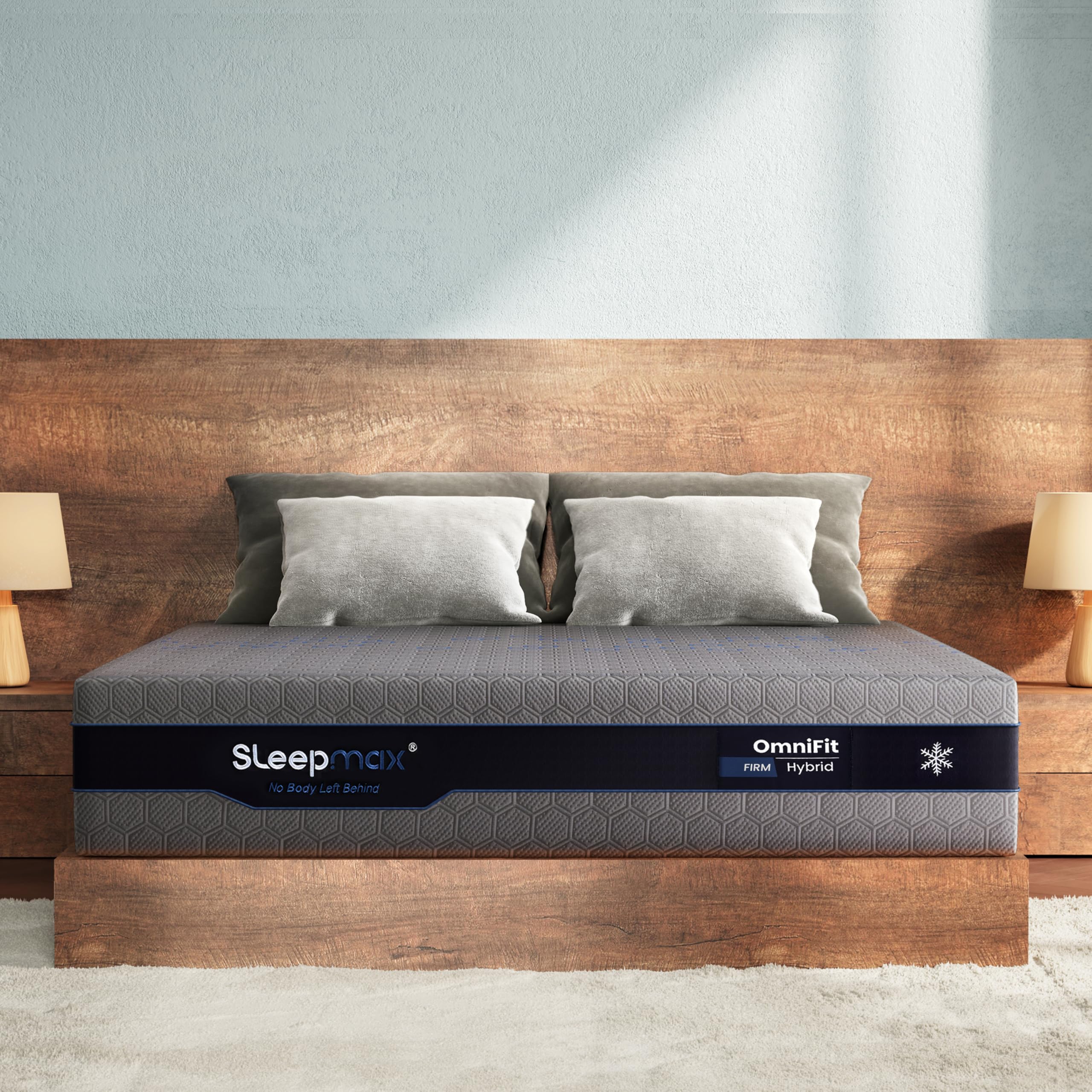
Pocketed coil systems with a higher coil count per square foot also contribute to a firmer, more supportive feel, particularly along the perimeter of the mattress where edge support tends to weaken first. Hybrid mattresses that combine a supportive coil base with a thin, dense foam or latex top layer are often the most reliably firm option, since the coil layer resists sinkage even under heavier body weight.
Avoid mattresses that rely on a thick, soft foam layer over a firm base, since the top layer will still create a sinking sensation regardless of what sits underneath it.
How This Guide Differs from Our Side Sleeper and Back Pain Picks
It helps to be clear about what this guide is not covering. Our mattress guide for side sleepers focuses on pressure relief at the shoulders and hips, which usually calls for a softer or medium feel rather than a firm one, so the recommendations there point in a different direction than what you will find here.
Our back pain guide takes a broader approach, since back pain can be caused by a mattress that is too soft, too firm, or simply mismatched to a person's body weight and sleep position. That guide considers all firmness levels and prioritizes spinal alignment above any single feel. This guide is narrower by design. It assumes you already know a firmer feel is what you are after, whether that is for stomach sleeping, added body weight, or personal preference, and focuses specifically on how to evaluate firmness itself.
Common Mistakes When Shopping for a Firmer Mattress
One frequent mistake is assuming that firm automatically means uncomfortable. A well-built firm mattress with quality materials should still feel supportive and pressure-relieving at key points like the shoulders, not just hard and flat. If a firm mattress feels like sleeping on a board, the materials underneath are likely lower quality rather than the firmness rating being the problem.
Another common error is judging firmness only by lying on a showroom floor model for a few minutes. Firmness perception shifts once you have slept on a surface for a full night, and many mattresses feel firmer in a showroom than they do at home after the foam has had time to acclimate to room temperature. Whenever possible, take advantage of an at-home trial period before committing.
Frequently Asked Questions
What firmness level counts as "firm"?
Most brands rate firm mattresses toward the higher end of their comfort scale, generally described as offering minimal sinkage and a supportive, less contouring surface.
Are firm mattresses better for back pain?
They can help some people, especially stomach sleepers or heavier individuals, but firmness alone does not fix every type of back pain, so alignment matters more than firmness in isolation.
Do firm mattresses need a break-in period?
Many firm mattresses, especially foam ones, soften slightly over the first few weeks as materials fully expand and adjust to regular use.
Can a firm mattress work for couples with different preferences?
Some hybrid models offer firmness options on each side, which can help when partners have different needs.
Is a firm mattress the same as a hard mattress?
Not quite. A well-made firm mattress still offers some cushioning at pressure points, while a hard mattress typically lacks any real give.
How do I know if a mattress is too firm for me?
Persistent shoulder or hip pain after sleeping usually signals the surface is too firm for your body weight and sleep position.
Do firm mattresses last longer than softer ones?
Denser materials used in firm mattresses often resist body impressions longer, which can extend the useful lifespan of the mattress.
Ready to Choose Your Firm Mattress
Finding the right firmness comes down to matching the mattress to your sleep position and body weight rather than chasing a label. A genuinely firm mattress built on quality materials should feel supportive without feeling like a slab, and the right one can make a real difference for stomach sleepers and heavier sleepers looking for better spinal alignment. Take the time to test at home whenever you can, since firmness always feels a little different after a full night's rest.
Related reading: best hybrid mattresses and best mattresses for lower back pain.