Best Cheap Mattresses: When Rock-Bottom Price Actually Makes Sense
Disclosure: We may earn a commission when you buy through links on this page, at no extra cost to you. As an Amazon Associate I earn from qualifying purchases. Learn more

A practical guide to cheap mattresses: which situations they fit best, what foam density to check, trial periods, and sizing trade-offs.
Not every bed needs to be a long-term investment. A guest room used a few nights a year, a first apartment on a tight move-in budget, or a growing kid who'll outsize the mattress in a couple of years are all situations where spending less genuinely makes sense. The trick with cheap mattresses is knowing which corners are safe to cut and which ones lead to a bed that feels like a mistake within a year.
This guide focuses specifically on the lowest price tier: who it actually suits, what to check even on a tight budget, and when spending a bit more avoids a bigger regret later.





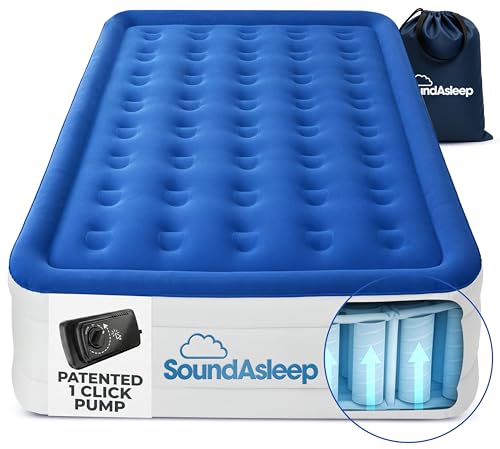
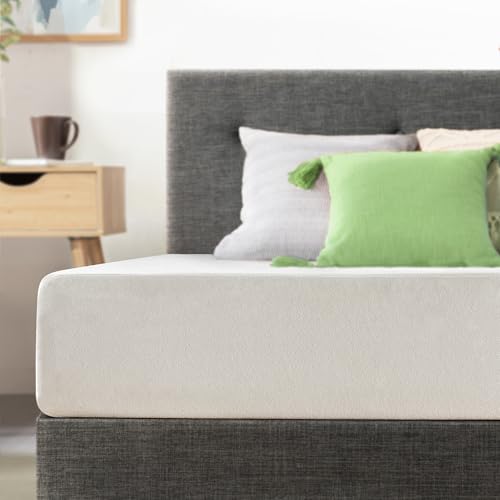

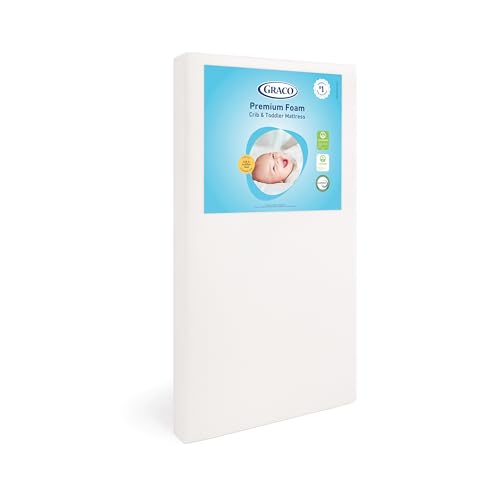
Who a Truly Cheap Mattress Actually Works For
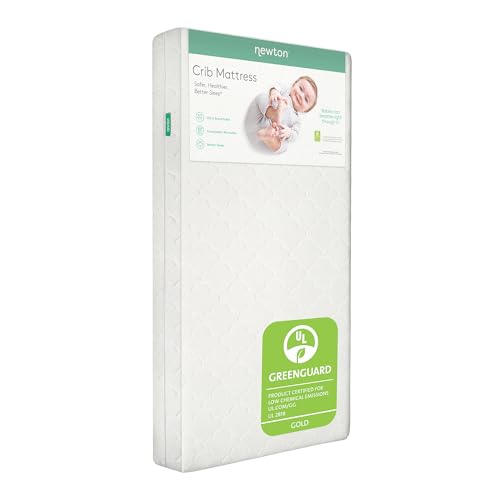
A rock-bottom mattress makes the most sense for situations with a defined, limited lifespan. Guest rooms that see occasional use don't need the same durability as a bed slept on every night, and neither does a mattress bought for a kid who's still growing and will need a bigger size in a couple of years. Rental situations, especially short-term leases or a first apartment furnished on a shoestring budget, are another reasonable fit.
Where cheap mattresses tend to disappoint is under daily, long-term use by an adult with a consistent body weight and sleep position. That's where the compromises in foam density and support layers show up fastest, since nightly compression breaks down thin foam much quicker than occasional guest use ever would.
What Gets Cut at the Lowest Price Point
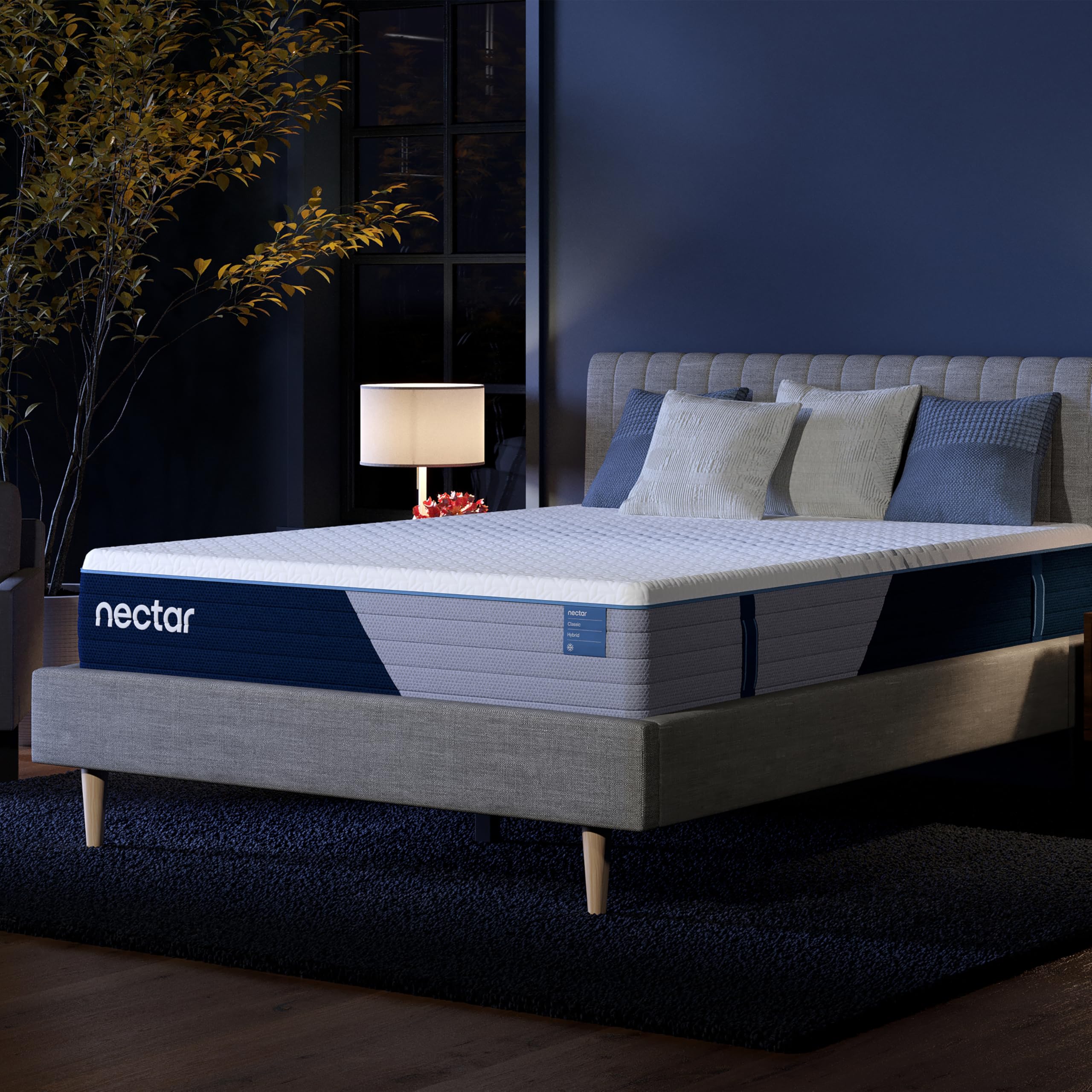
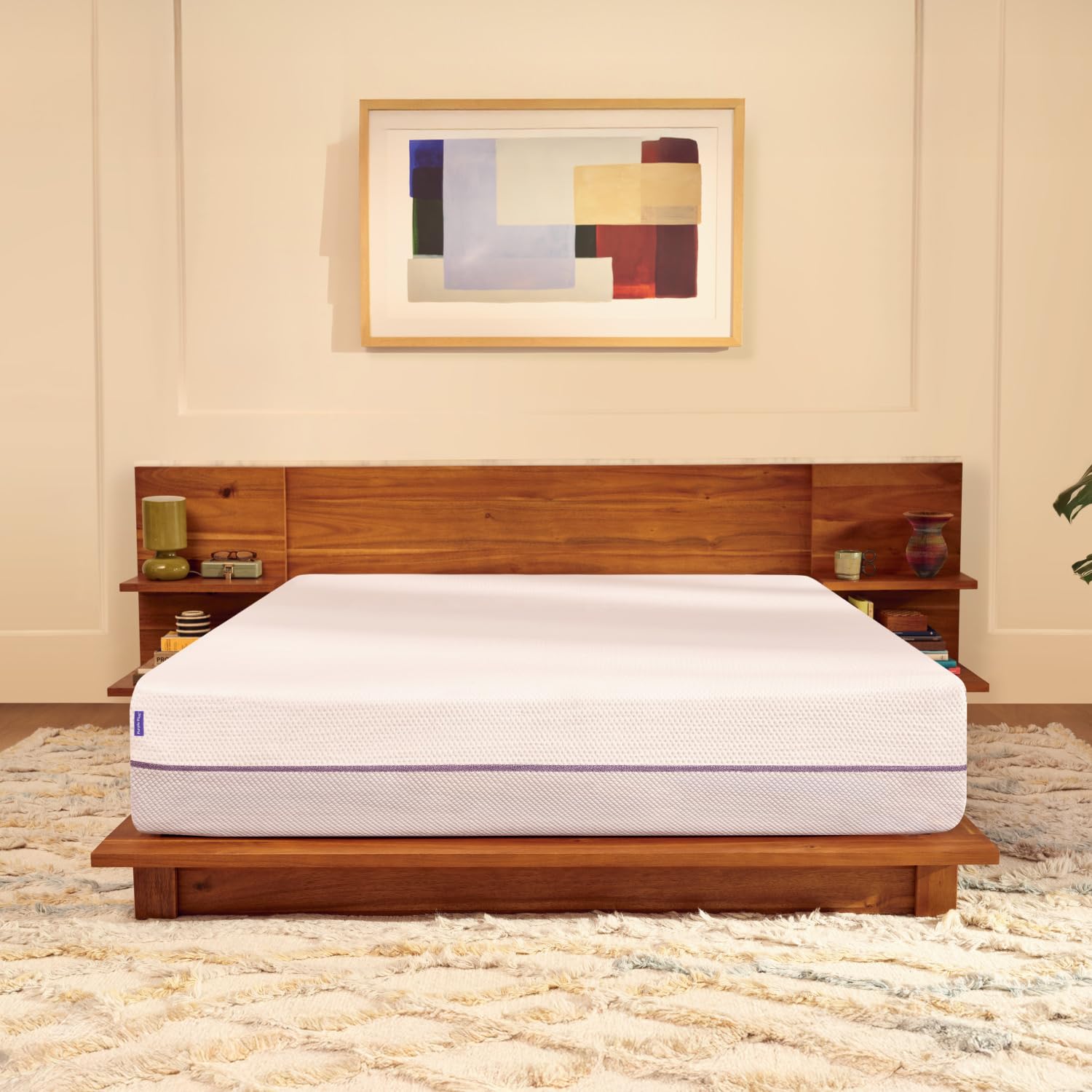
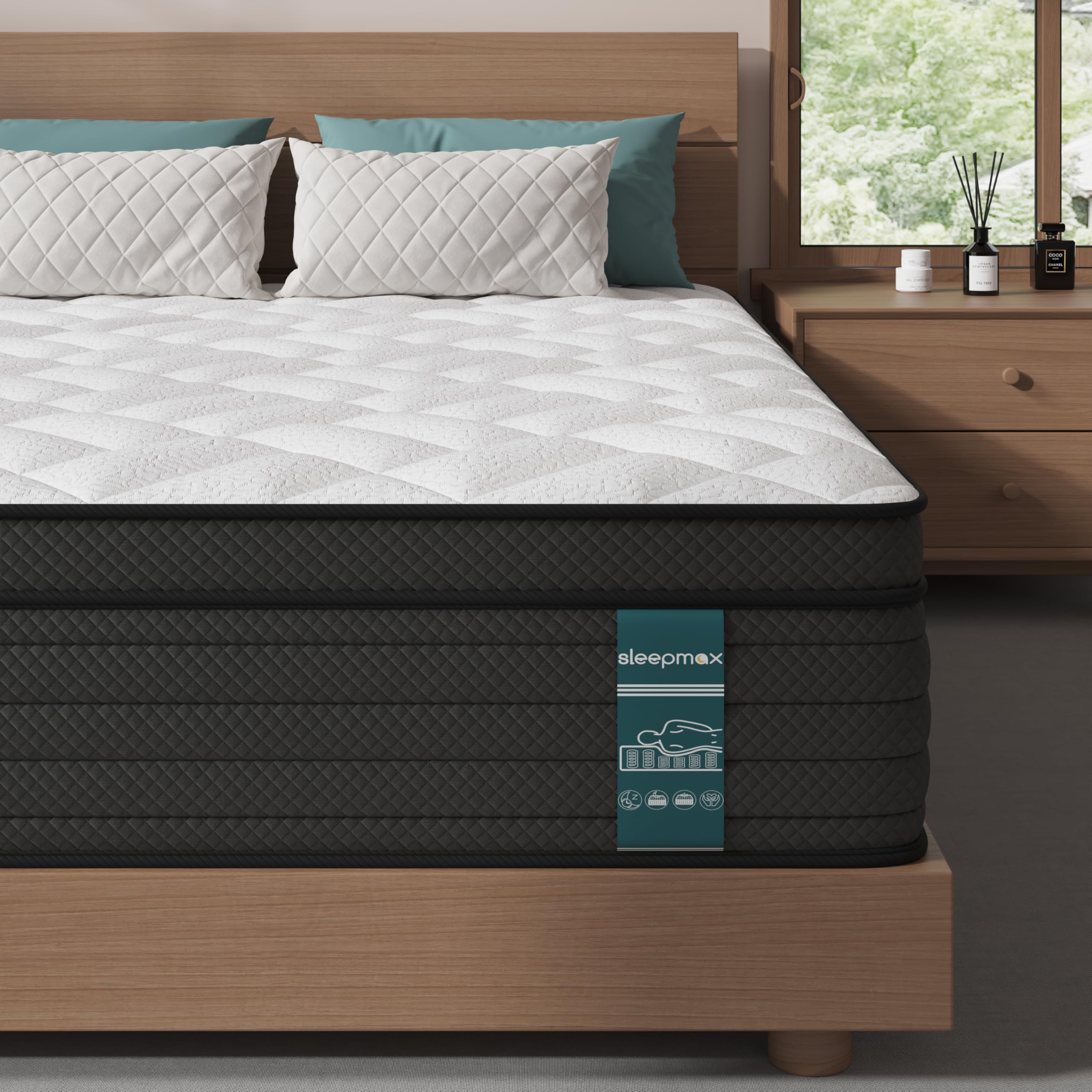
The biggest differences between a cheap mattress and a mid-range one usually aren't visible in a photo. Thinner comfort layers, lower-density foam, and simplified edge support are the most common places manufacturers trim cost. A mattress that looks similar to a pricier model in marketing photos can still feel noticeably different once you're lying on it, since the layers underneath the top fabric are where most of the cost actually goes.
Warranty length is another quiet difference. Budget mattresses often carry shorter warranties, sometimes five years or less compared to ten or more on higher-tier models, which is itself a signal of how long the manufacturer expects the foam to hold up under regular use.
Foam Density Numbers Worth Checking Even on a Budget
Foam density, measured in pounds per cubic foot, is one of the few hard numbers available even on inexpensive mattresses, and it's worth checking before buying. Foam rated below 1.5 pounds per cubic foot tends to break down and develop body impressions much faster than foam in the 1.8 to 2.5 range, even at a similar price point between two budget options.
This single spec often separates a cheap mattress that holds up reasonably well for a couple of years from one that visibly sags within months. It's worth spending a few extra minutes checking this number instead of choosing based on price alone.
Trial Periods and Return Policies Matter More Here
A generous trial period, ideally 90 days or more, matters even more on a budget mattress than a premium one, since there's less cushion in the price to absorb a bad fit. Some of the lowest-priced options skip a real trial period entirely or charge a return shipping fee that eats into the savings that made the mattress attractive in the first place.
Reading the return policy fully before buying, rather than assuming a standard trial applies, avoids getting stuck with a mattress that doesn't work for your sleep position with no real way to send it back.
Off-Gassing and the Break-In Period
Foam mattresses at any price release a temporary odor when first unboxed, but budget models sometimes use less refined foam that off-gasses more noticeably and for a longer stretch. Airing the mattress in a ventilated room for 24 to 48 hours before sleeping on it cuts down on this considerably.
Cheap mattresses also tend to have a longer break-in period, where the foam feels firmer than its rated comfort level for the first couple of weeks. Judging comfort in the first night or two, before the foam has had a chance to soften into its normal feel, is one of the most common reasons people return a mattress that would have felt fine after a proper break-in period.
When Spending a Little More Pays Off
For a bed used every night by an adult, especially anyone with a higher body weight or a specific support need like back or hip pain, moving up even one price tier from the absolute cheapest option often makes a noticeable difference in how the mattress holds up. The gap in foam density and edge support between the lowest tier and the next one up tends to be larger than the price gap suggests.
Sizing and Firmness Trade-Offs at This Price
Firmness options tend to be more limited at the lowest price point, with many budget mattresses only offered in a single medium-firm feel rather than the soft, medium, and firm range common on pricier lines. That's usually a reasonable middle-ground firmness for most sleepers, but side sleepers who need extra give at the shoulders and hips may find it firmer than ideal.
Size availability can also be inconsistent at the budget tier, with some of the deepest discounts limited to twin or full sizes while queen and king versions of the same line cost noticeably more. It's worth comparing the price difference across sizes rather than assuming the discount applies evenly, since the gap sometimes narrows or disappears entirely at larger sizes.
Frequently Asked Questions
Are cheap mattresses actually bad for your back?
Not inherently, but thinner support layers can compress unevenly over time, which sometimes leads to discomfort for nightly sleepers. Checking foam density before buying reduces this risk considerably.
How long does a budget mattress typically last?
Most hold up reasonably well for two to four years of nightly use before noticeable sagging develops, compared to seven to ten years for a well-made mid-range mattress. Guest room use extends that lifespan considerably since the mattress isn't compressed nightly.
What foam density should I look for even on a budget?
Aim for at least 1.8 pounds per cubic foot if the spec is listed. Foam below 1.5 tends to develop body impressions and lose support noticeably faster.
Is a cheap mattress a good choice for a guest room?
Yes, this is one of the strongest use cases for a low-cost mattress, since occasional use doesn't stress the foam the way nightly sleeping does. It's a reasonable place to save money without much downside.
How long should I wait before judging comfort on a new mattress?
Give it at least two weeks before deciding, since budget foam often needs a break-in period before it reaches its intended feel. Judging comfort on the first night can be misleading.
Do cheap mattresses smell worse than expensive ones when new?
They can, since less refined foam sometimes off-gasses more noticeably. Airing the mattress out in a ventilated room for a day or two before use helps regardless of price tier.
Should I check the trial period before buying a budget mattress?
Yes, and this matters more at the lowest price point, since some budget listings offer a shorter trial or charge return shipping. A generous, free-return trial period is worth prioritizing even on a tight budget.
Making a Cheap Mattress Work for the Right Situation
The lowest-priced mattresses aren't automatically a poor choice, but they work best matched to the right situation, like a guest room, a rental, or a growing kid's bed, rather than nightly long-term use by an adult. Checking foam density, warranty length, and the return policy before buying keeps a low price from turning into a frustrating year of sleeping on a mattress that never quite held up.
Related reading: best firm mattresses and best hybrid mattresses.