
The Best Pillows for Neck Pain and Better Overnight Support
Disclosure: We may earn a commission when you buy through links on this page, at no extra cost to you. As an Amazon Associate I earn from qualifying purchases. Learn more

A buying guide to the best pillows for neck pain, covering loft height, fill material, firmness, and when to replace a worn pillow.
Waking up with neck stiffness or soreness often traces back to a pillow that does not properly support the head and spine during sleep. Finding the best pillows for neck pain means matching loft height, fill material, and firmness to sleep position, since these factors determine whether the neck stays aligned through the night.
This guide covers what matters most for neck support, including loft height by sleep position, fill material options, firmness, and how to know when a pillow needs replacing.
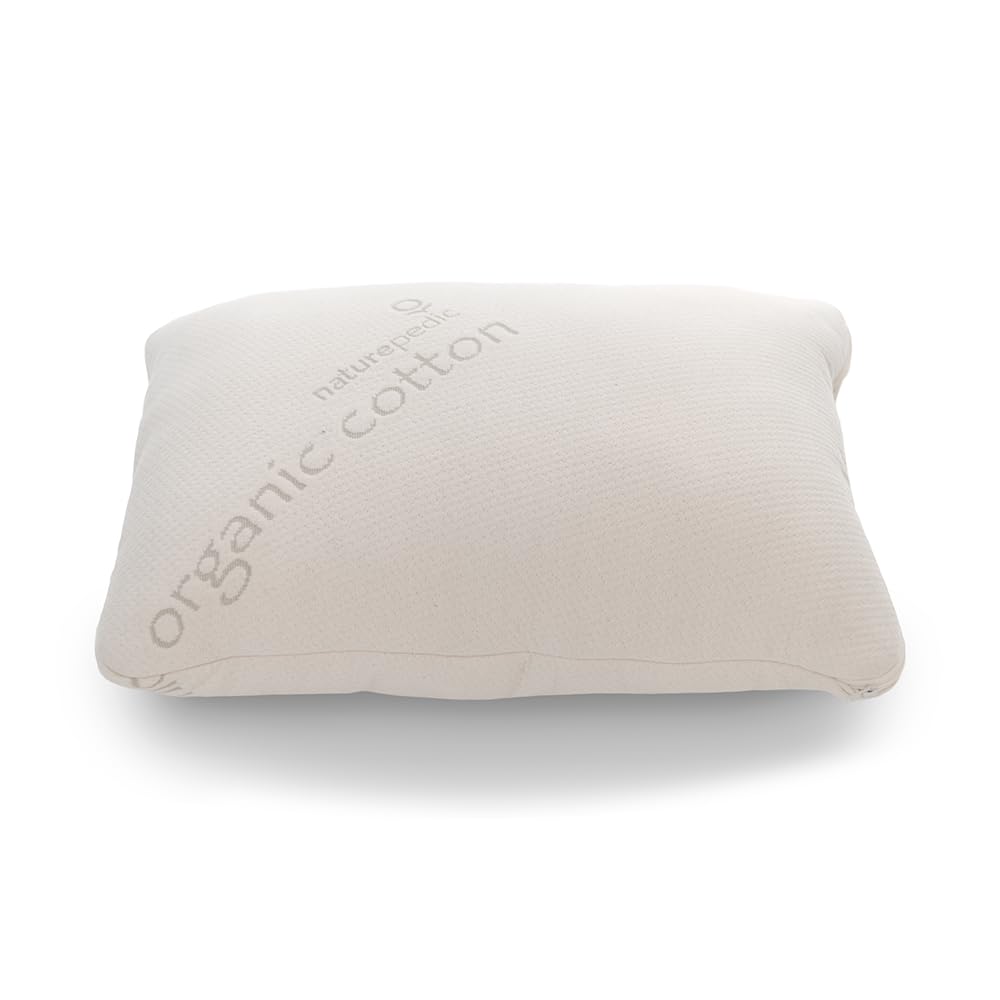
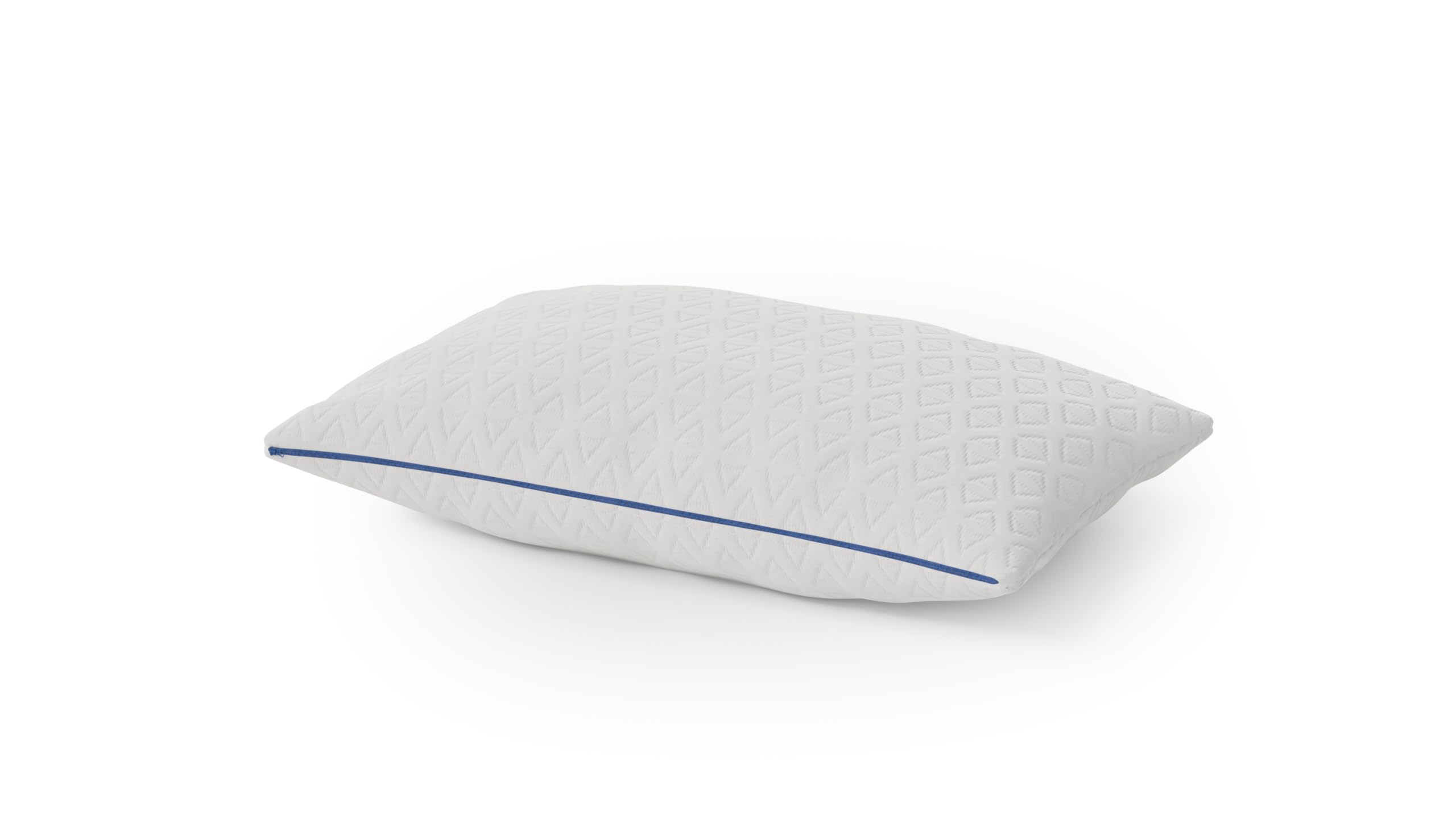




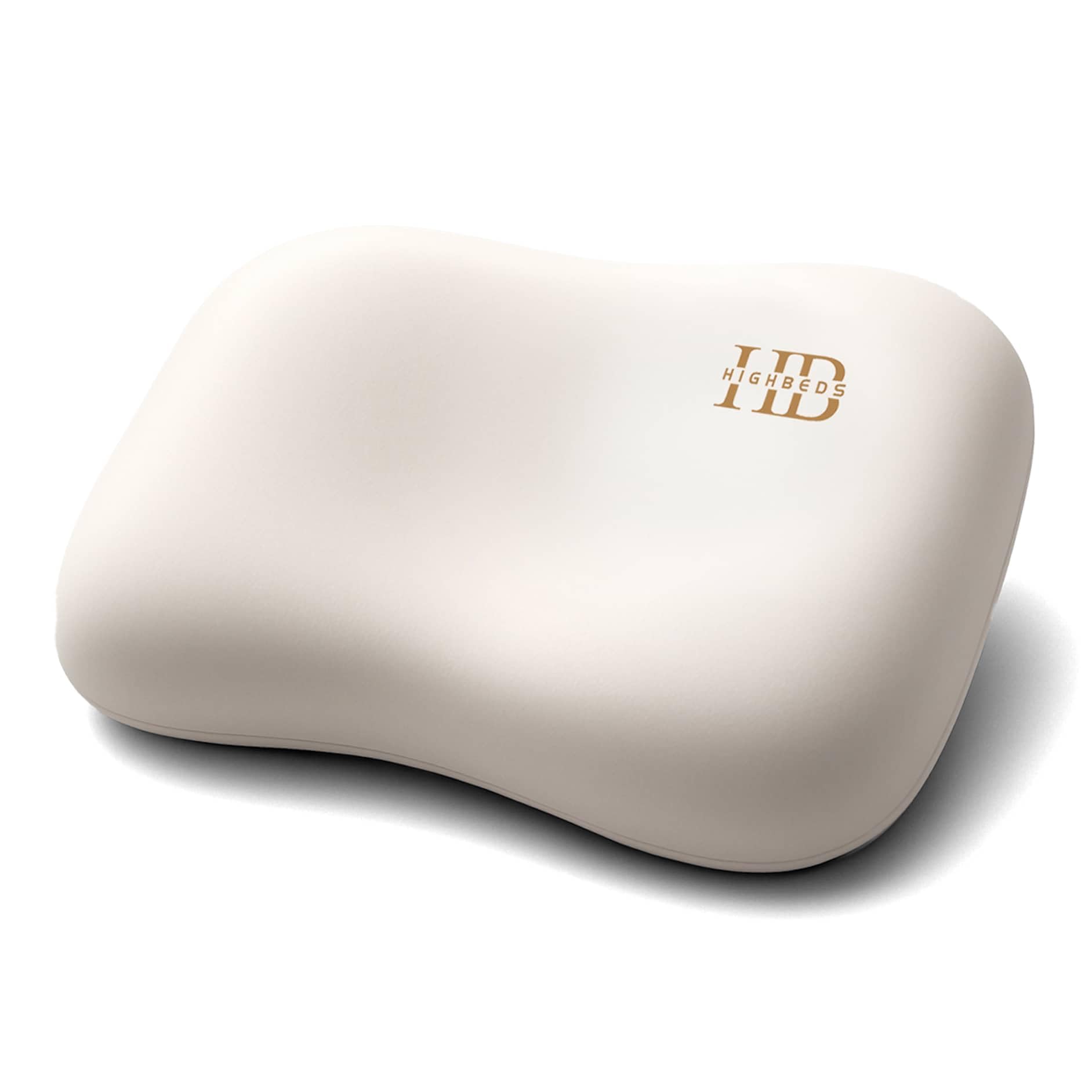

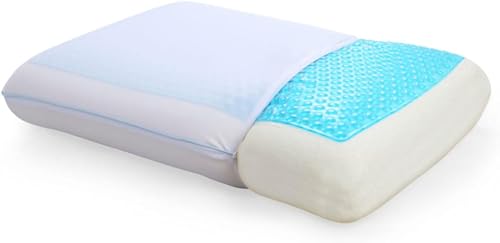

Why Neck Alignment Matters
Proper spinal alignment during sleep keeps the neck in a neutral position relative to the rest of the spine, similar to good posture while standing. A pillow that is too flat or too thick forces the neck into an unnatural angle held for hours at a time, which can lead to stiffness, soreness, or worsened existing discomfort.
Even a naturally supportive mattress cannot fully compensate for a poorly matched pillow, since the pillow specifically addresses the gap between the head, neck, and shoulders that varies significantly by sleep position and body type.
Loft Height by Sleep Position
Loft, the height of a pillow when compressed under the head's weight, needs to match sleep position for proper alignment.
- Side sleepers: generally need a higher loft to fill the larger gap between the head and shoulder
- Back sleepers: typically benefit from a medium loft that supports the natural curve of the neck without pushing the head too far forward
- Stomach sleepers: usually need a lower loft, since a thick pillow in this position can strain the neck by angling it too far upward
Many people shift positions throughout the night, which is why adjustable-fill pillows that allow loft customization have become increasingly popular for those who do not sleep in just one consistent position.
Fill Material Options
Fill type affects both support and how a pillow feels against the skin.
Memory Foam
Memory foam contours closely to the shape of the head and neck, offering consistent support that holds its shape well over time. Solid memory foam pillows tend to run firmer, while shredded memory foam offers more adjustability and airflow.
Down and Down Alternative
Down and down alternative fills offer a soft, plush feel but generally provide less structured support than foam, which can be a drawback for those needing firmer neck alignment. These fills work better as a supplementary layer than as the primary support source for neck pain concerns.
Latex
Latex offers a responsive, buoyant support similar to memory foam but with a bit more bounce and typically better temperature regulation. It tends to hold its shape well over years of use, making it a durable option for those prioritizing longevity.
Firmness and Personal Preference
Firmness preference varies significantly between individuals, and there is no single correct firmness level for everyone dealing with neck discomfort. Firmer pillows generally provide more structured support, which often benefits side sleepers who need the head held at a consistent height throughout the night.
Softer pillows can still offer adequate support if the fill material compresses to the correct loft for a given sleep position. Testing different firmness levels, when possible, helps identify what actually feels supportive rather than relying on firmness ratings alone.
Adjustable and Customizable Pillows
Adjustable-fill pillows allow users to add or remove fill material to reach a personalized loft and firmness level. This customization proves particularly useful for combination sleepers or anyone who has struggled to find a standard pillow that fits their specific needs.
While adjustable pillows often cost more than standard options, the ability to fine-tune support can make a meaningful difference for those with persistent neck discomfort that standard pillows have failed to resolve.
When to Replace a Pillow
Pillows lose support over time as fill material compresses, clumps, or breaks down, even with proper care. A pillow that stays folded when compressed rather than springing back to its original shape has likely lost enough structure to compromise neck support.
Most pillows benefit from replacement every one to two years, though higher-quality materials like latex or solid memory foam can sometimes last longer with proper care. Persistent neck discomfort despite an otherwise reasonable sleep setup can be a sign that the current pillow needs replacing sooner rather than later, one more reminder that even the best pillows for neck pain eventually wear out and lose their supportive shape.
Pillow Shape and Cervical Support
Beyond standard rectangular designs, some pillows feature contoured shapes specifically built to cradle the neck's natural curve. These often include a raised ridge or dip designed to support the cervical spine more precisely than a flat, uniform pillow surface.
Contoured designs work particularly well for back sleepers, since the shaped support follows the neck's natural curvature more closely than a standard rectangular pillow can. Side sleepers may find these shapes less universally helpful, since the contour is typically optimized for one primary sleep position.
Cooling and Temperature Considerations
Overheating during sleep can worsen discomfort and disrupt rest, making temperature regulation worth considering alongside structural support. Memory foam traditionally retains more heat than other fill types, though many modern versions include cooling gel layers or ventilated designs to address this drawback.
Latex and down alternative fills generally sleep cooler than traditional solid memory foam, which matters for those who tend to run warm overnight. Breathable pillowcases and covers can also meaningfully improve temperature regulation regardless of the fill material chosen underneath.
Pairing Pillow Choice with Overall Sleep Posture
A supportive pillow works best as part of a broader approach to sleep posture, rather than as a standalone fix. Mattress firmness, sleep position consistency, and even pre-sleep stretching can all influence how much strain the neck experiences overnight.
For persistent or severe neck discomfort, consulting a healthcare provider alongside adjusting pillow choice offers a more complete approach than relying on a new pillow alone to resolve an underlying issue.
Frequently Asked Questions
What pillow loft is best for neck pain?
Loft needs vary by sleep position, with side sleepers generally needing higher loft, back sleepers a medium loft, and stomach sleepers a lower loft. Matching loft to actual sleep position is one of the most important factors in reducing neck strain.
Is memory foam good for neck pain?
Memory foam contours closely to the head and neck, offering consistent, structured support that many people find helpful for neck discomfort. Both solid and shredded memory foam options are available, with shredded versions offering more adjustability.
How often should a pillow be replaced?
Most pillows should be replaced every one to two years, though durable materials like latex can last longer with proper care. A pillow that no longer springs back after being compressed has likely lost too much support.
Can an adjustable pillow help with neck pain?
Yes, adjustable-fill pillows allow for a customized loft and firmness, which can be especially helpful for combination sleepers or anyone who has struggled to find the right support with a standard pillow.
Does firmness matter as much as loft for neck support?
Both matter, but loft height tends to have a bigger direct impact on spinal alignment during sleep. Firmness affects overall comfort and how consistently a pillow maintains its supportive shape throughout the night.
Final Thoughts
Choosing among the best pillows for neck pain comes down to matching loft height and fill material to sleep position and personal firmness preference. A well-matched pillow supports proper spinal alignment throughout the night, reducing morning stiffness and helping overall sleep quality improve over time.
Related reading: best cooling pillows and best mattress toppers for back pain.


