The Best Mattresses for Lower Back Pain in 2026
A practical guide to firmness, support layers, and sleep position for choosing a mattress that helps relieve lower back pain.
Waking up with a stiff, aching lower back often has less to do with age than with a mattress that stopped supporting your spine properly months or years ago. Finding the best mattresses for lower back pain means understanding how firmness, support layers, and your typical sleep position work together, since the ideal setup differs meaningfully from one sleeper to the next. This guide breaks down what actually affects spinal alignment overnight so you can shop based on your specific needs rather than generic bestseller lists.


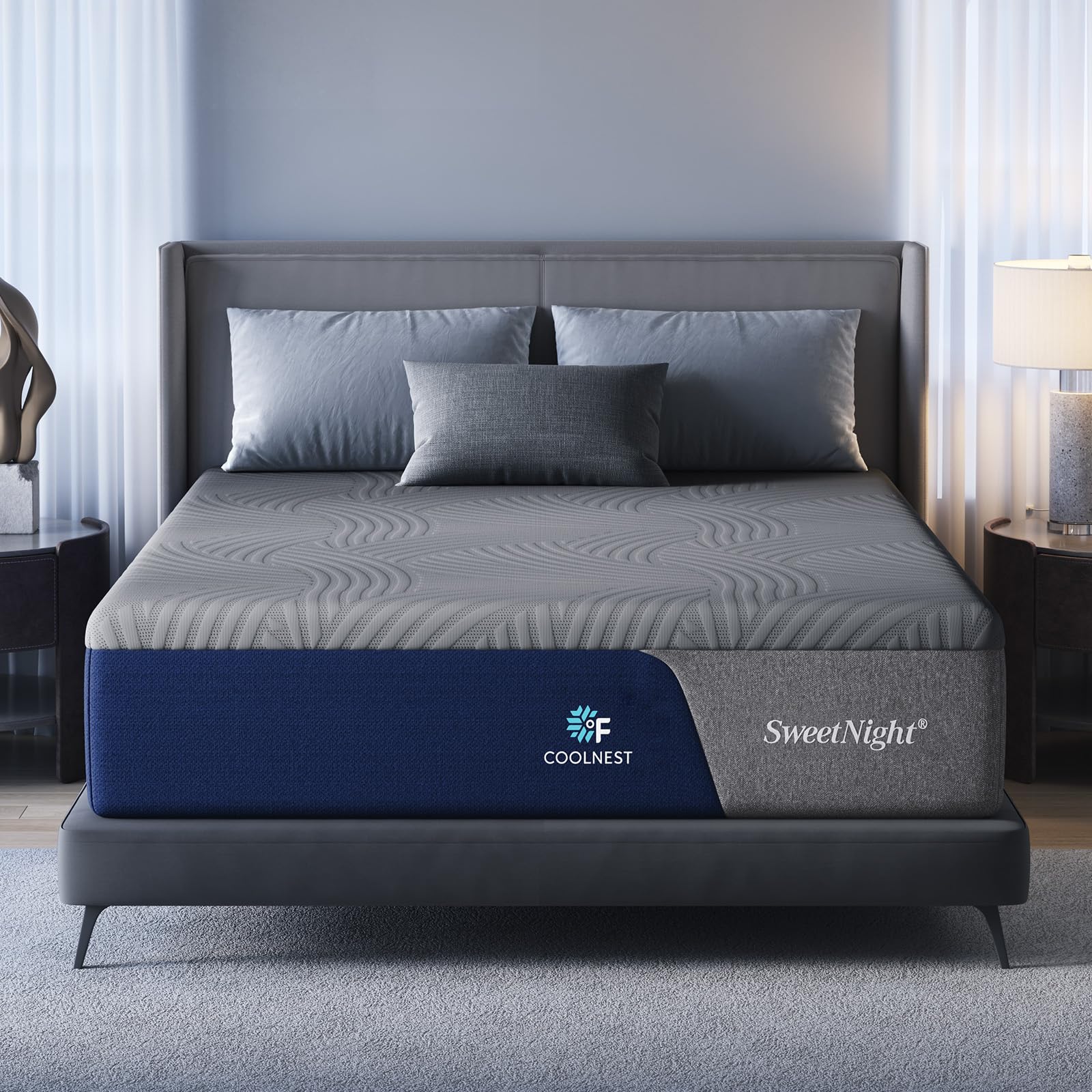
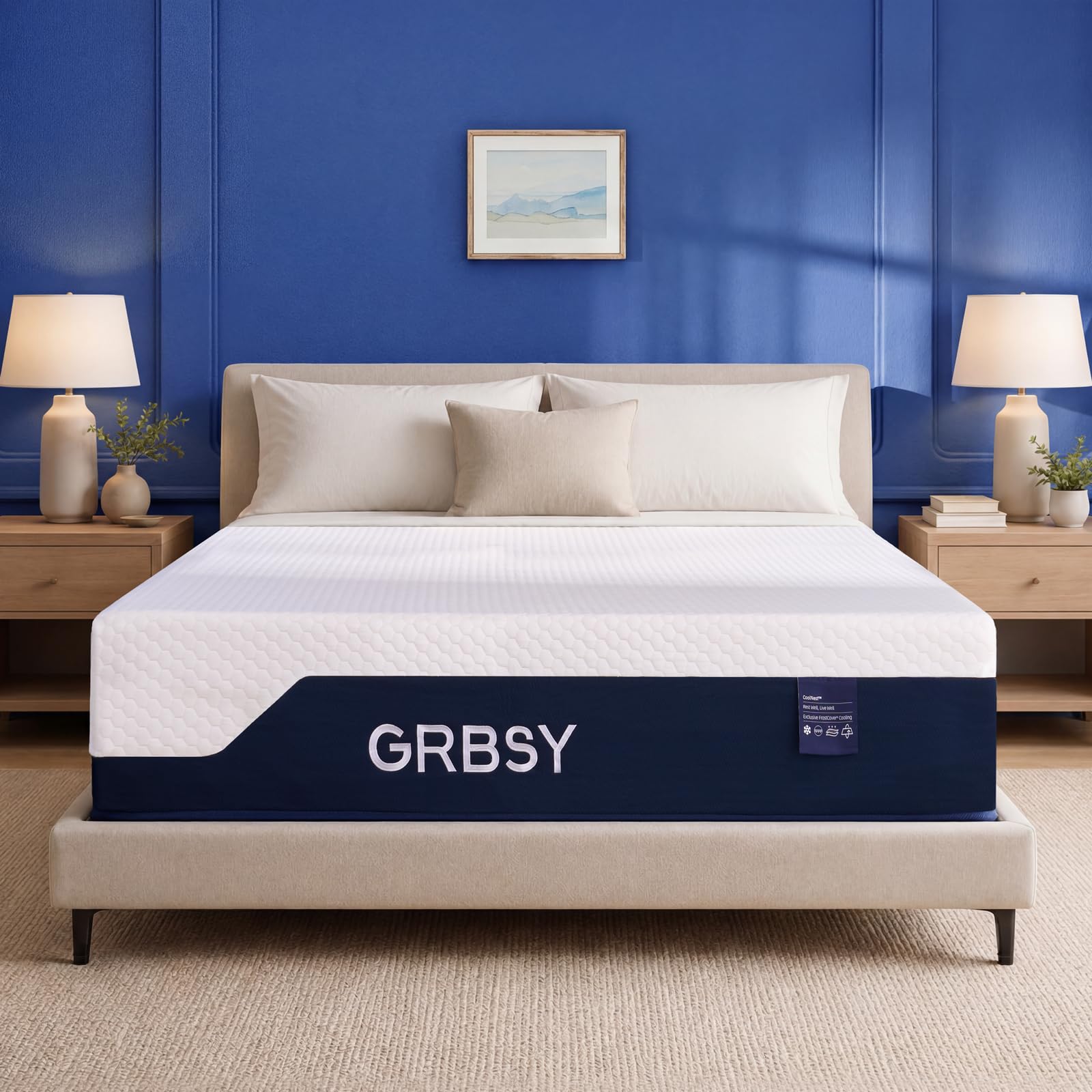
Firmness Level and Why More Isn't Always Better
A common misconception is that a firmer mattress automatically means better back support, but the reality is more nuanced. A mattress that's too firm can create pressure points at the shoulders and hips, forcing the spine out of alignment in the opposite direction from a too-soft surface.
Medium-firm options tend to work well for the widest range of sleepers, offering enough support to keep the spine aligned while still allowing enough give at pressure points to avoid discomfort. This is why medium-firm consistently shows up as a starting recommendation across sleep research focused specifically on back pain.
Personal preference and body weight both influence which firmness feels right, with heavier sleepers generally needing a firmer surface to avoid excessive sinking, while lighter sleepers often find a slightly softer surface more comfortable without sacrificing support.
Sleep Position and Spinal Alignment
Side sleepers generally benefit from a slightly softer mattress that lets the shoulder and hip sink in enough to keep the spine level from head to hip, since a too-firm surface can leave the lower back unsupported by creating a gap along the waist. This positioning issue is one of the most common causes of morning back pain among side sleepers specifically.
Back sleepers typically do well with medium to medium-firm support, which cradles the natural curve of the lower back without letting the hips sink too deeply and pull the spine out of alignment. Getting this balance right matters enormously for anyone who spends most of the night on their back.
Stomach sleepers, though less common, generally need a firmer surface to prevent the midsection from sinking and creating an unnatural arch in the lower back. This sleep position places the most direct strain on the lower back of the three main positions, making mattress support especially important.
Support Layers and Material Construction
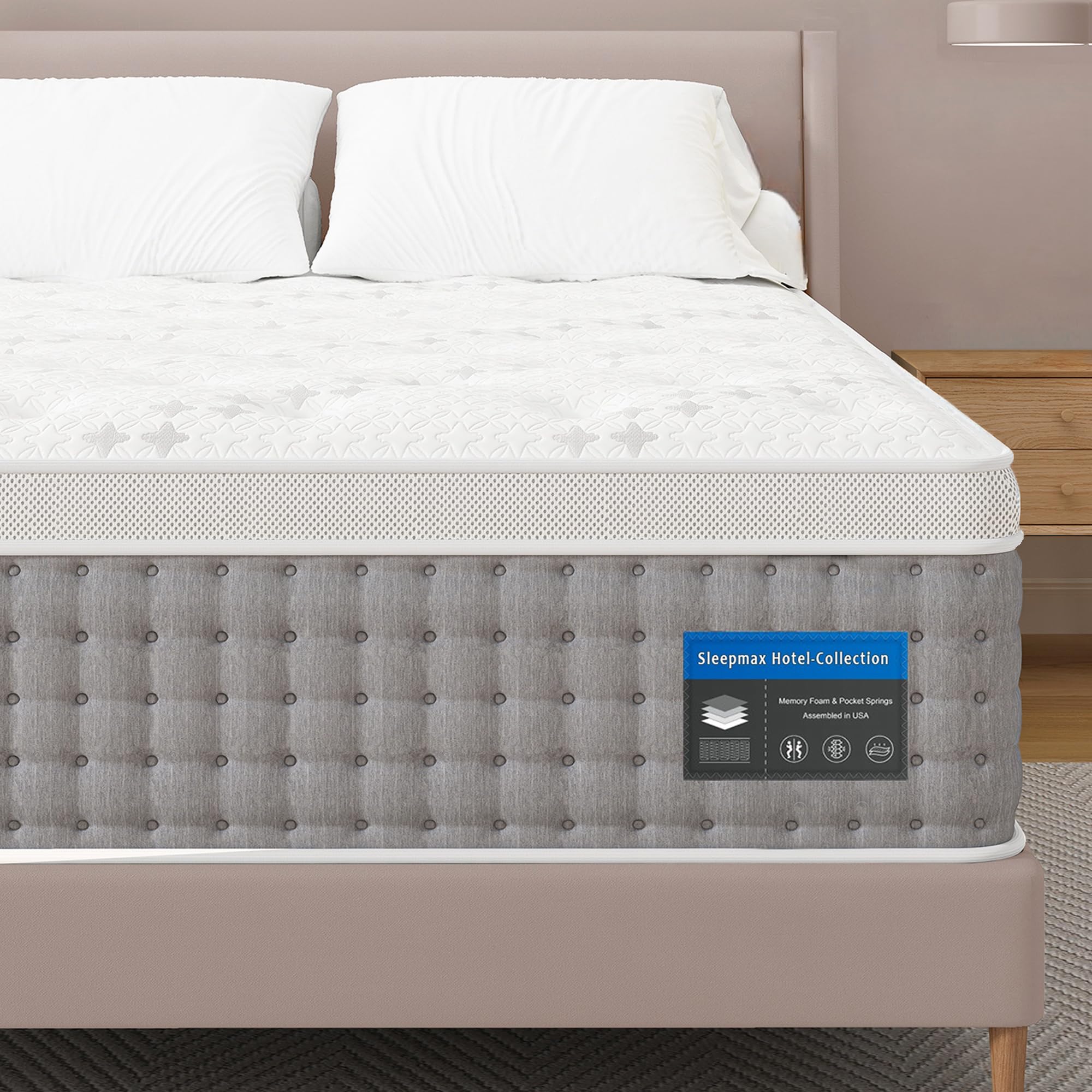
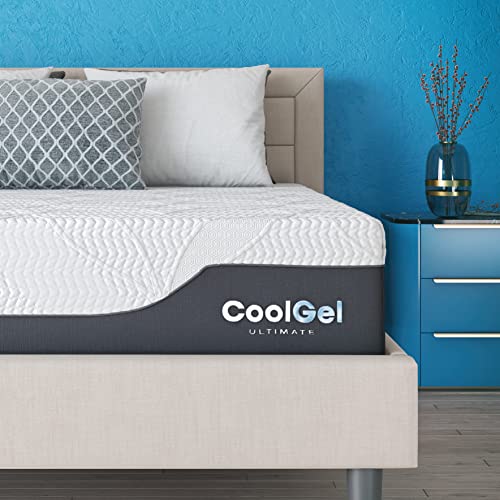
Memory foam contours closely to the body, distributing weight evenly and relieving pressure points, but it can trap heat and, on lower-quality foam, allow too much sinkage without adequate support underneath. A memory foam mattress with a supportive base layer beneath the comfort foam avoids the sinking feeling that can worsen back pain over the course of a night.
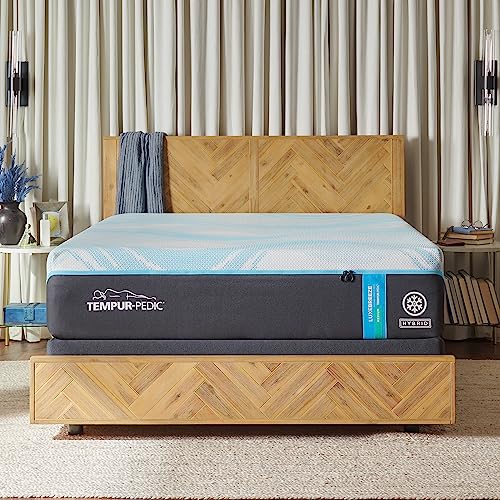
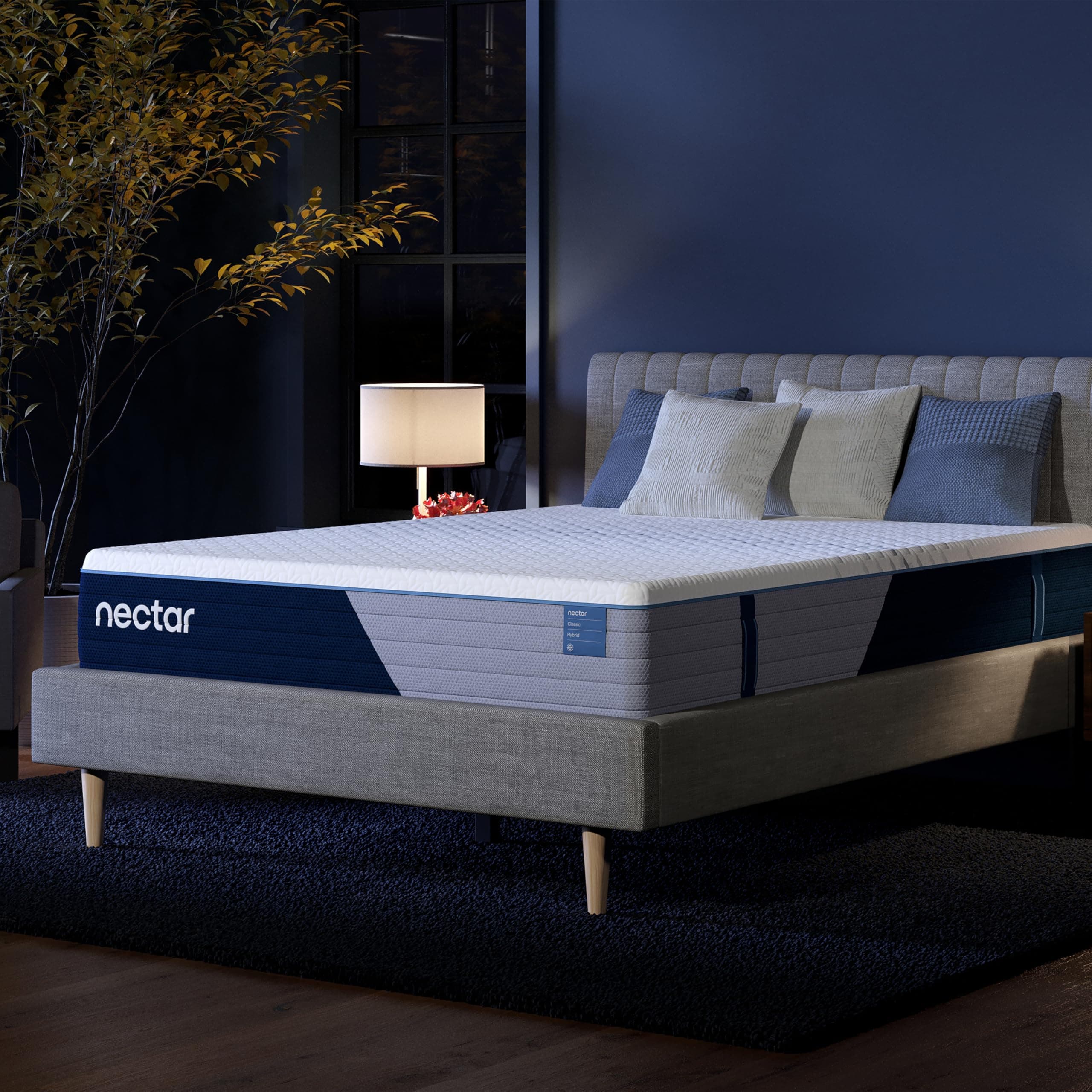
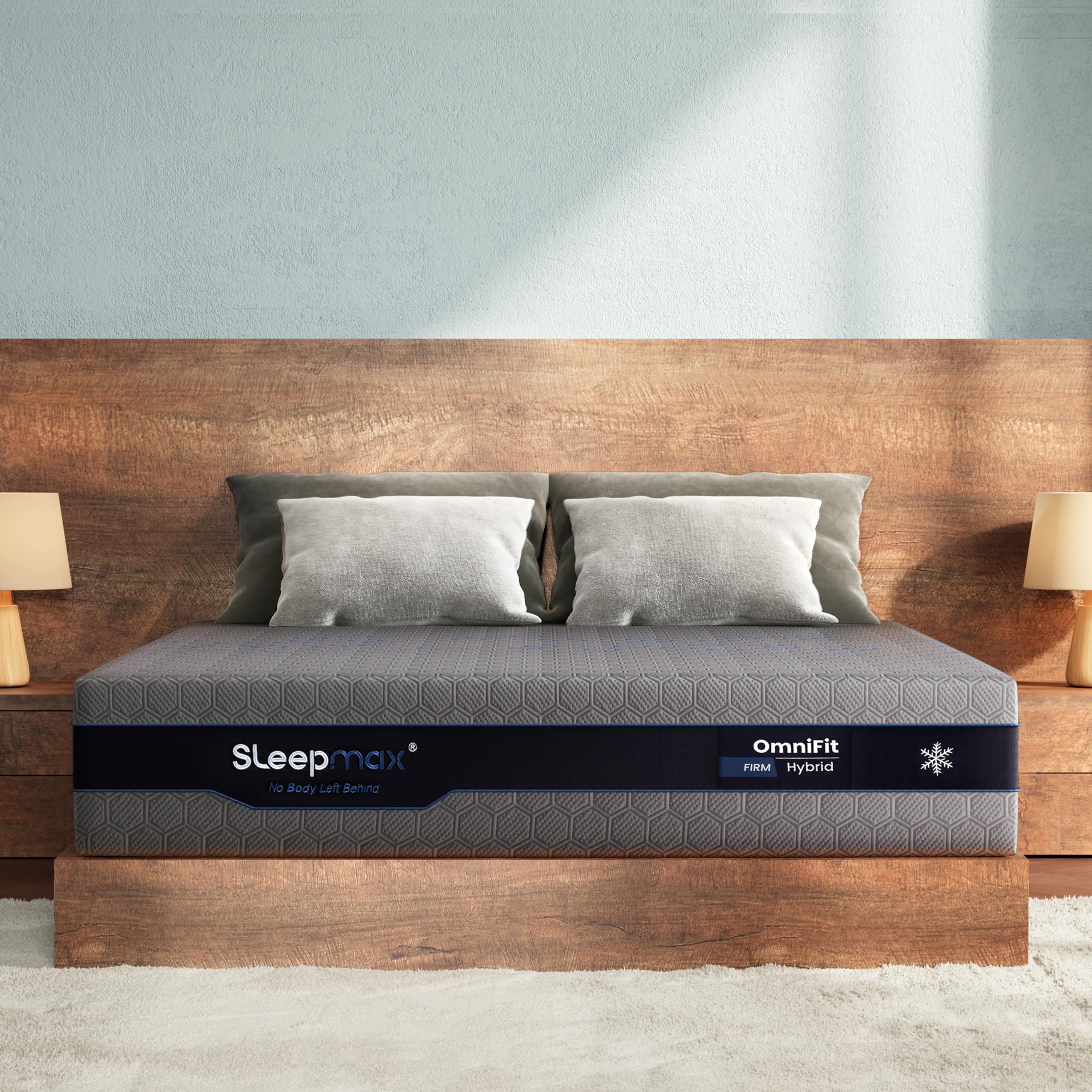
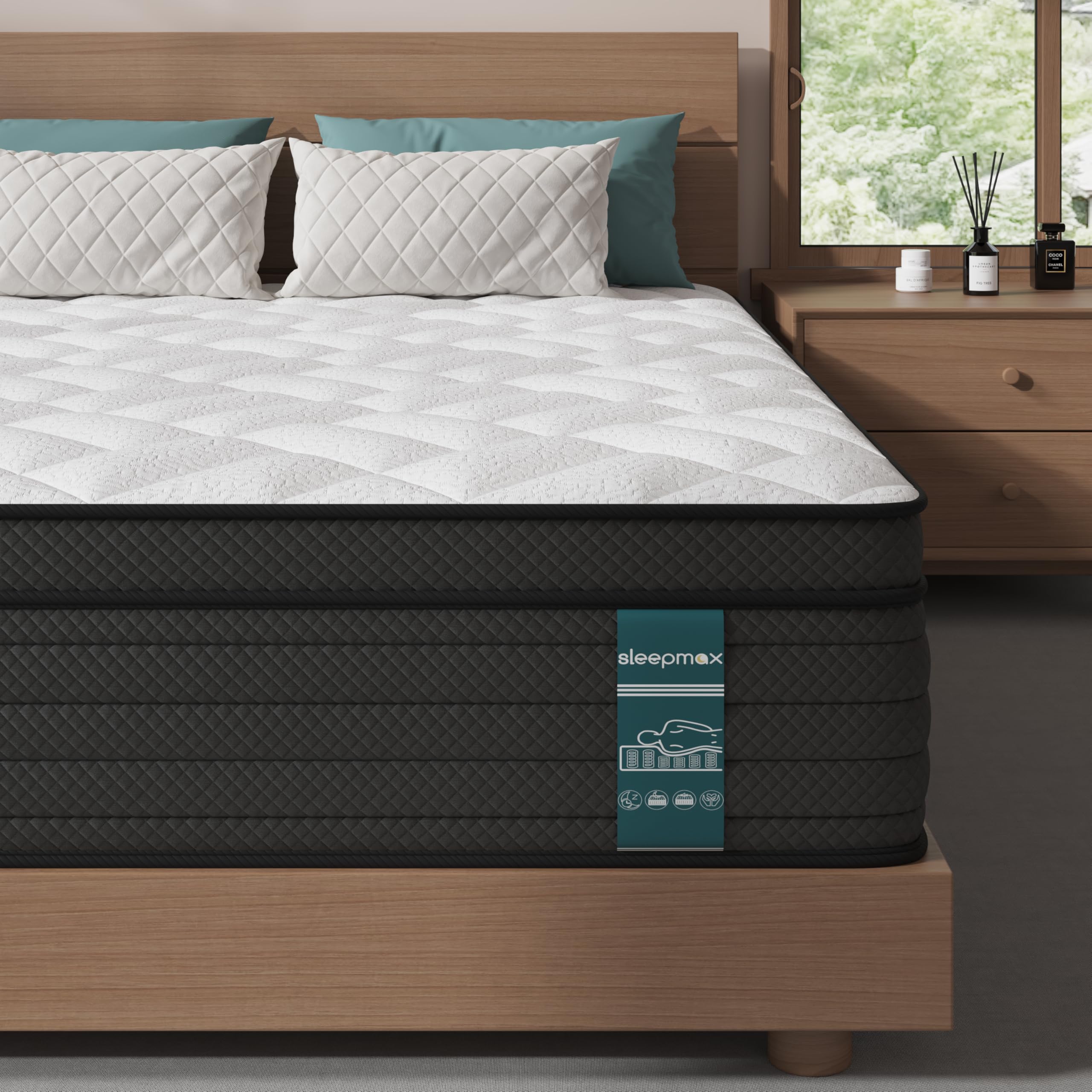
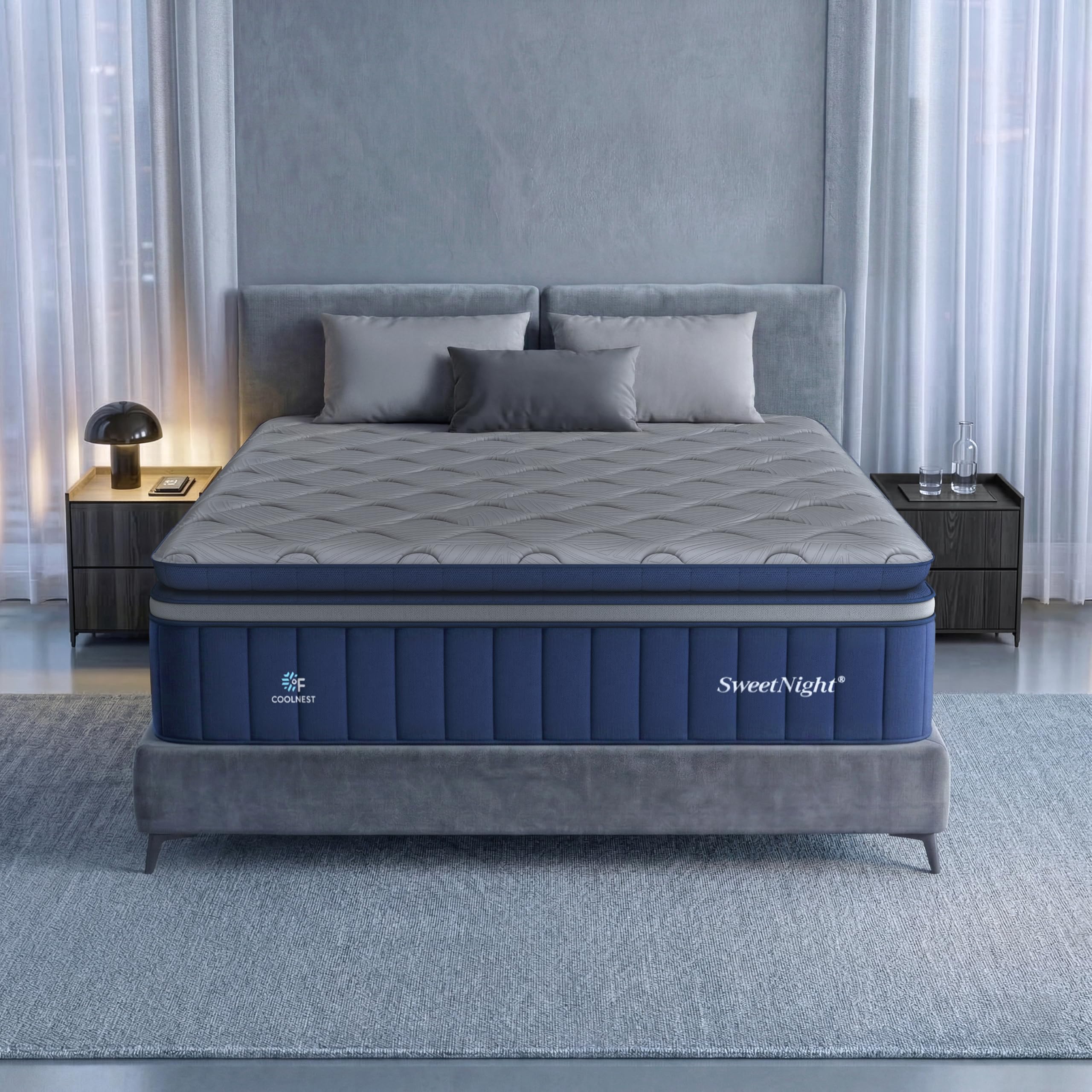
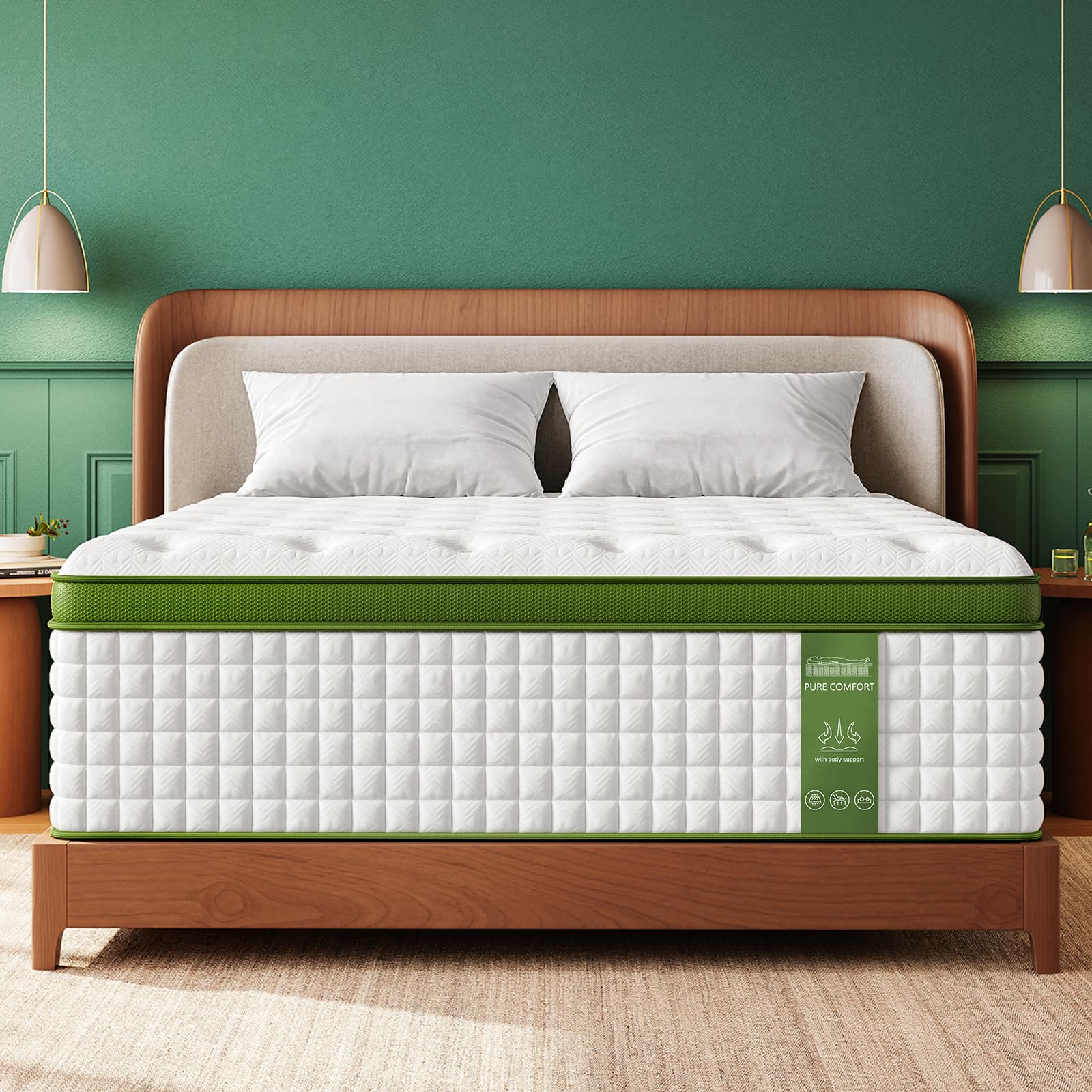
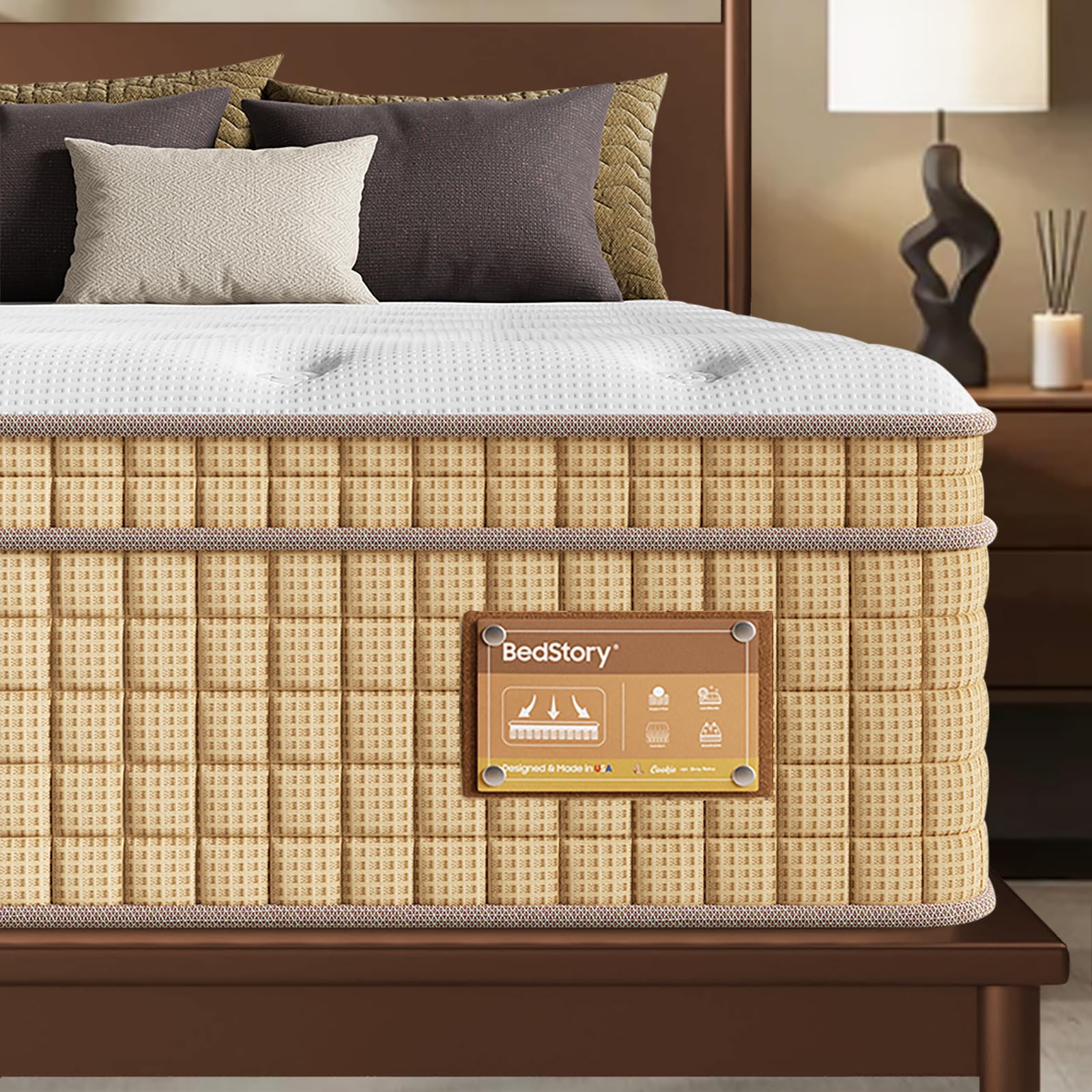
Hybrid mattresses combine coil support systems with foam comfort layers, often delivering a balance of contouring and edge support that pure foam or pure innerspring designs don't match individually. This combination has become popular specifically among back pain sufferers for its blend of pressure relief and structural support.
Latex offers responsive support with less sinkage than memory foam, bouncing back quickly rather than slowly contouring, which some back pain sufferers prefer for easier repositioning during the night without feeling stuck in the mattress surface.
Edge Support and Getting In and Out of Bed
Reinforced edge support matters more for back pain sufferers than most people realize, since a mattress that collapses at the edges can make sitting up or getting out of bed more physically demanding than it needs to be. This is a small detail with an outsized impact on daily comfort.
Mattresses with dedicated perimeter support coils or reinforced foam edges maintain a stable surface all the way to the border, which also effectively increases usable sleeping surface for anyone sharing a bed. This matters particularly for back pain sufferers who may need extra support when transitioning between lying and sitting positions.
Testing edge stability, either in a showroom or during an at-home trial period, gives a much clearer sense of real-world performance than reading a spec sheet describing coil count or foam density alone.
Trial Periods and Adjustment Time
Most mattress companies now offer extended trial periods, recognizing that a new mattress often requires an adjustment period before its true comfort and support become clear. Back pain in particular can take several weeks to respond to a new sleep surface, so judging a mattress after just one or two nights rarely gives an accurate picture.
Return and exchange policies vary considerably between companies, and understanding the specific terms, including any fees for returns, before purchasing avoids a costly surprise if the mattress doesn't ultimately relieve your back pain as hoped.
Tracking pain levels through a simple daily note during the trial period gives more objective data than relying on memory alone when deciding whether to keep or return a mattress after several weeks of use.
Additional Factors Worth Considering
Mattress age plays a significant role in back pain that's easy to overlook, since even a well-chosen mattress gradually loses support over years of regular use, and continuing to sleep on a sagging surface can reintroduce pain that a mattress replacement previously resolved. Most mattresses need replacement within roughly seven to ten years depending on material and usage.
Pairing a supportive mattress with an appropriate pillow that keeps the neck aligned with the spine addresses back pain more completely than the mattress alone, since misalignment anywhere along the spine can contribute to overall discomfort.
Among the best mattresses for lower back pain, the right choice ultimately depends on matching firmness and material to your specific sleep position and body type rather than assuming one universally best option exists for every sleeper.
Frequently Asked Questions
What firmness level is generally best for lower back pain?
Medium-firm works well for the widest range of sleepers, balancing spinal support with enough pressure relief at the shoulders and hips. Individual body weight and sleep position can shift this recommendation.
How long does it take to notice if a new mattress helps back pain?
Often several weeks, since the body needs time to adjust to a new sleep surface. Judging comfort after just a night or two rarely gives an accurate picture.
Do side sleepers need a different mattress than back sleepers?
Generally yes. Side sleepers usually benefit from a slightly softer surface for shoulder and hip contouring, while back sleepers typically need firmer support to maintain proper spinal alignment.
How often should a mattress be replaced for back pain relief?
Most mattresses lose adequate support within seven to ten years. Continuing to sleep on a sagging or worn mattress can reintroduce back pain even after finding initial relief.
Are hybrid mattresses better than memory foam for back pain?
Neither is universally better. Hybrids offer a blend of contouring and structural support that many back pain sufferers prefer, but the right choice depends on personal comfort preference and sleep position.
Can a mattress topper help with back pain instead of buying a new mattress?
A topper can provide temporary relief by adjusting surface firmness, but it cannot fix an underlying support problem in a worn or sagging mattress. For persistent pain, a full mattress replacement is usually more effective than relying on a topper alone.
Related reading: best mattress toppers for back pain and best mattress for back sleepers.