Best Pool Vacuum Made Simple: A Clear Buying Guide
Disclosure: We may earn a commission when you buy through links on this page, at no extra cost to you. As an Amazon Associate I earn from qualifying purchases. Learn more

A first buyer guide to the best pool vacuum: robotic, suction, pressure and manual cleaners explained.
A clean pool looks inviting, feels better to swim in and is easier to keep balanced chemically. Vacuuming removes the dirt, leaves, sand and algae that settle on the floor and walls, but the tools range from a $15 manual vacuum head to robots that climb walls and scrub the waterline on their own. If you are buying your first pool vacuum, the choices can be confusing. This beginner guide to the best pool vacuum explains the types, the specs that matter and the mistakes to avoid, so you can choose the right cleaner for your pool.
We cover how pool vacuums work, key specs in plain English, rookie mistakes, first time setup and common questions. The table above lists options from Dolphin, Beatbot, Zodiac, Intex, VINGLI and others, all sold new on Amazon US.



Pool Vacuums 101: The Basics
A pool vacuum removes debris from the pool floor, walls and steps, so the filter does not have to catch everything floating by. There are four main types: manual vacuums, suction side cleaners, pressure side cleaners and robotic cleaners, plus handheld battery vacuums for small pools and spas.
Manual vacuums use a weighted vacuum head on a telescoping pole, connected by hose to your skimmer or suction port, so your pool pump provides the suction. Heads like the Swimline Hydrotools and POOLWHALE triangular head cost little but require you to push them around.
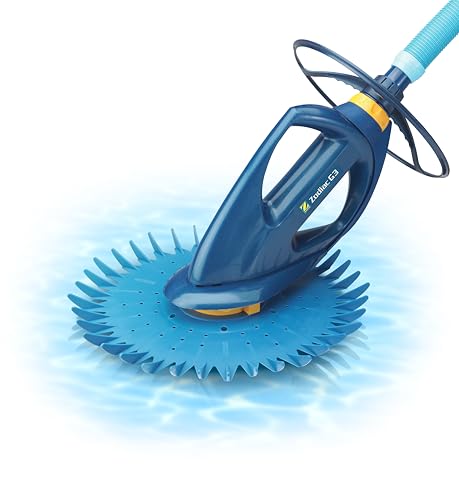
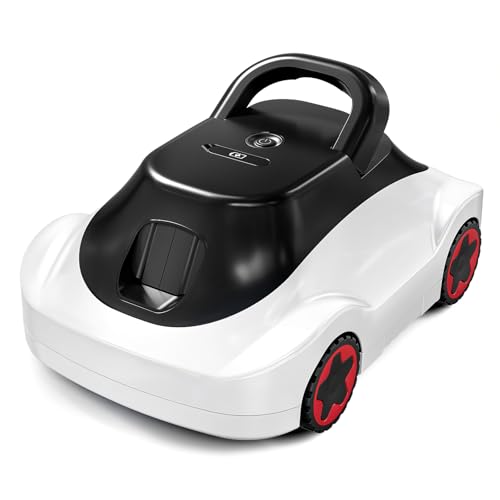
Suction side cleaners, like the Zodiac G3, connect to the skimmer and move around the pool automatically using pump suction. Pressure side cleaners connect to a return line or booster pump and push debris into their own bag. Robotic cleaners, like the Dolphin Nautilus CC, plug into an outlet or run on batteries and clean independently with their own motor and filter.
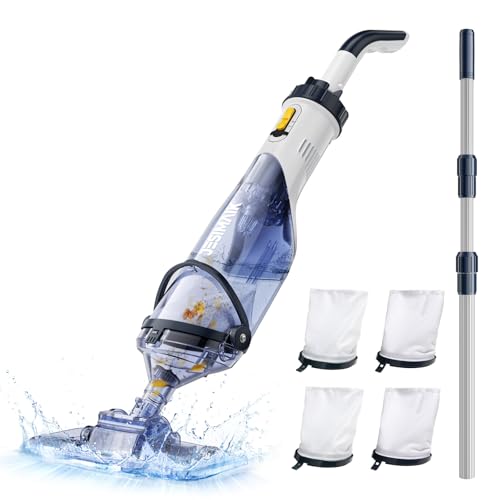
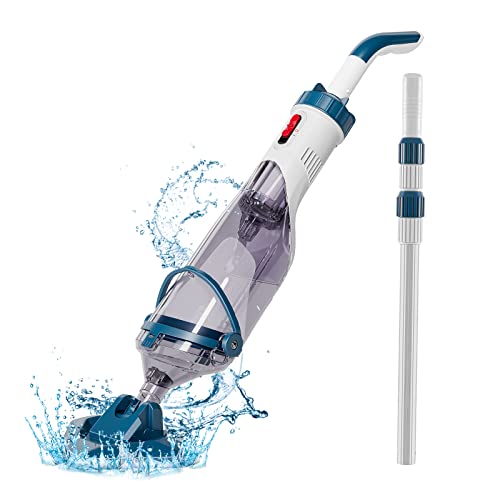
Handheld vacuums, such as the Intex rechargeable model, suit spas, small above ground pools and spot cleaning steps and corners.
For most first time owners, the choice comes down to budget and effort: manual heads for occasional cleaning, suction cleaners for steady automatic cleaning using your pump and robots for the least effort and best scrubbing.
Your filter and pump still matter with any vacuum. Suction and manual vacuums send debris to the skimmer basket, pump basket and filter, so empty baskets and clean or backwash the filter after vacuuming heavy dirt. Robots trap debris in their own filter, which is why they reduce the load on your pool equipment.
Key Specs Explained in Plain English
Cleaner type, warranty, wall climbing, pool compatibility and power source matter most. Here is what each spec means and what to choose.
Picking the best pool vacuum starts with these five specs, since a cleaner that does not match your pool type or size will disappoint no matter how advanced it is.
Cleaner Type (Robotic, Suction, Pressure)
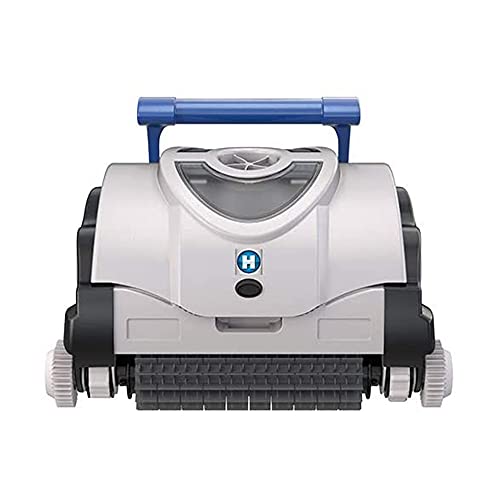
Robotic cleaners are self contained, with their own motors, filters and brushes, and they do not burden your pump or filter. They cost the most but clean most thoroughly. Dolphin says the Nautilus CC cleans a pool in about 2 hours with a plug and play setup.
Suction cleaners cost less and rely on your pump, which means debris goes to your skimmer basket and filter, so you clean them more often. Pressure cleaners handle larger debris like leaves and sticks but often need a booster pump.
Recommendation: choose a robot if budget allows, a suction cleaner for value with a capable pump and a manual head as a backup or for small jobs.
Energy use differs too. Suction cleaners need your main pump running for hours, which uses more electricity, while robotic cleaners use their own low voltage motors and allow you to run the main pump less, according to many makers.
Warranty and Parts Availability
Pool cleaners live in harsh chemical water, so warranty matters. Robotic cleaners often carry warranties from one to three years, and established brands sell replacement brushes, filters, tracks and power supplies. Suction cleaners need occasional replacement discs, hoses and diaphragms.
Recommendation: choose brands with available parts and dealer support, such as Dolphin and Zodiac, especially for expensive robots.
Read warranty terms carefully. Some cover the motor and power supply for longer than brushes and filters, which are considered wear parts. Register your cleaner after purchase and keep the receipt, since claims often require proof of purchase.
Wall and Waterline Climbing
Many robots climb walls and scrub the waterline, where oils and scum collect. The Dolphin Nautilus CC climbs walls with an active scrubbing brush. Budget robots and suction cleaners may only clean the floor or climb partially.
Recommendation: choose wall climbing if your pool has visible waterline buildup or algae on walls; floor only cleaners suit small above ground pools.
If your pool has steps, benches or sharp corners, look for cleaners that handle obstacles well. Suction cleaners like the Zodiac G3 use wheel deflectors to avoid getting stuck, and many robots have programmed navigation for better coverage.
Waterline scrubbing reduces how often you need to brush by hand, though most owners still brush tile lines occasionally.
Pool Type and Surface (Inground, Above Ground, Vinyl, Concrete)
Check that the cleaner suits your pool type, size and surface. The Zodiac G3 is designed for inground pools on tile, vinyl, gunite and fiberglass. The Dolphin Nautilus CC suits above ground and inground pools up to 33 feet long. Brushes matter too: soft or rubber brushes protect vinyl liners, while stiffer brushes scrub concrete.
Recommendation: match the cleaner's listed pool length, type and surface exactly.
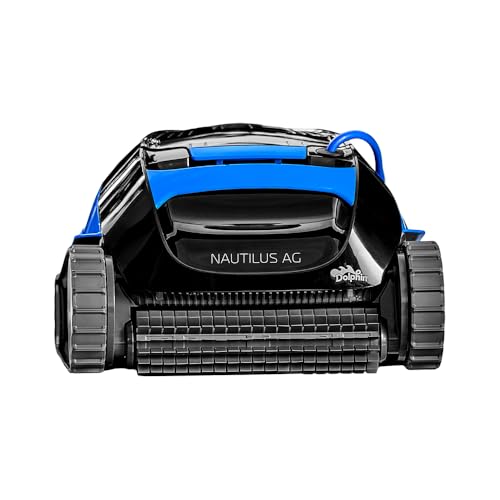
Above ground pools often have softer vinyl liners and shallow, flat floors, so lighter robots and gentle brushes suit them. The Dolphin Nautilus AG is designed for above ground pools, while the Nautilus CC handles both types.
Cord Length, Cordless, and Swivel
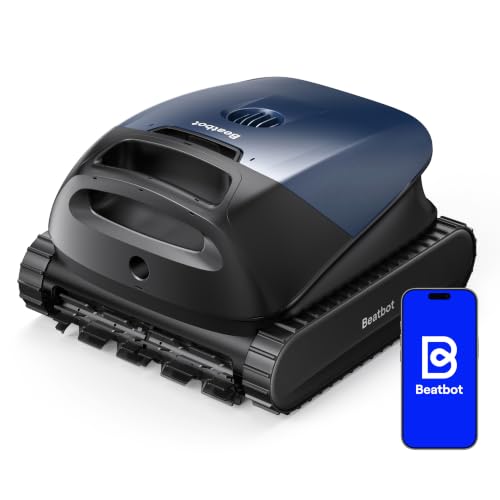
Corded robots need enough cable to reach the far end of the pool and the bottom of the deep end; a swivel prevents tangles. Cordless robots, like the Beatbot Sora 10, avoid cables but need recharging and have limited runtime. Handheld vacuums like the Intex run about 50 minutes per charge.
Recommendation: choose corded robots for large pools and long cycles, cordless for convenience in small to midsize pools.
Battery life matters for cordless robots. Larger pools need longer runtimes or multiple charges, so compare the stated runtime with your pool size before choosing cordless.
Always plug corded robots into a GFCI protected outlet, keep the power supply at least several feet from the water's edge and never swim while a corded cleaner is running.
Rookie Mistakes to Avoid
- Buying the wrong type for your pump. Suction cleaners need adequate pump flow; check compatibility with low flow and variable speed pumps.
- Ignoring pool size. A cleaner rated for 20 foot pools will struggle in a 40 foot pool.
- Skipping filter cleaning. Full filters and skimmer baskets reduce suction and cleaning.
- Using a pool vacuum on heavy leaves. Skim leaves first, or use a leaf rake; many cleaners clog on large debris.
- Leaving robots in the pool all the time. Chemicals and sun wear robots faster.
Another mistake is ignoring water chemistry. Vacuuming removes debris, but cloudy or green water needs balanced chemicals and filtration too. Check water regularly and adjust chlorine and pH, since algae returns quickly in unbalanced water.
Finally, avoid running suction cleaners with a nearly empty skimmer basket and a dirty filter at the same time, which strains the pump. Keep equipment clean and the whole system works better together.
Getting Started: Setup and First Use
Read the manual, then skim large debris from the surface and brush the walls. For a manual vacuum, attach the head to your pole, fill the hose with water to remove air and connect it to the skimmer or suction port. Move slowly in overlapping strokes.
For a suction cleaner like the Zodiac G3, attach the disc, wheel deflector and hose, then connect it to the skimmer or dedicated suction line. For a robot, place it in the water, let air escape, plug it into a GFCI outlet and start the cycle. Clean the filter basket after each run, and rinse the cleaner with fresh water.
For handheld battery vacuums, charge fully before the first use, attach the pole and brush head and sweep slowly over the floor and steps. Empty the debris chamber often, since a full chamber reduces suction quickly.
Create a simple routine: skim the surface and empty baskets a few times a week, vacuum or run the cleaner once or twice a week and brush walls weekly. Regular cleaning prevents algae and keeps water clear with less effort.
Frequently Asked Questions
Which cleaner is best for leaves?
Pressure side cleaners and robots with large debris filters handle leaves best. Suction cleaners can clog with large leaves, so add a leaf canister to protect your pump basket. Skim floating leaves before vacuuming, and use a leaf rake for heavy fall debris.
A pool cover during fall and regular skimming reduce how much debris your vacuum has to handle, which protects the cleaner and your filter.
Are robotic pool cleaners worth it?
Robotic cleaners are worth it for many pool owners because they clean floors, walls and waterlines independently, reduce pump and filter load and save time. They cost more up front and need care, but they often lower long term maintenance effort and energy use.
For small above ground pools used only in summer, a handheld or manual vacuum may be enough. Robots make the most sense for larger pools or owners who want to spend less time cleaning.
Total cost matters too. Factor in replacement filters, brushes and the energy cost of running your main pump longer with suction cleaners when comparing types over several seasons.
Can I leave a robotic cleaner in the pool?
Most makers recommend removing robotic cleaners after each cycle. Leaving them in the pool exposes them to chemicals and sun, which wears cables, seals and plastics faster. Remove the robot, clean the filter and store it in the shade or on a caddy.
A caddy makes it easier to lift, carry and store heavier robots, and it keeps the cable neatly coiled to prevent kinks and tangles.
How long should a pool cleaner run?
Robotic cleaners usually run 1.5 to 3 hours per cycle, depending on pool size and settings. Suction and pressure cleaners often run 2 to 4 hours daily during pump cycles. Adjust based on how dirty the pool gets, and run cleaners more often during heavy use or windy weather.
Robots with programmable cycles let you choose floor only or floor and walls, which saves time and energy when walls are already clean.
After storms or pool parties, run an extra cycle or vacuum manually to clear the added debris before it stains the floor or feeds algae. In spring, a thorough manual vacuum often helps before handing daily work to an automatic cleaner, since winter debris can overwhelm it.
Our Verdict
A simple way to decide: if you have a small above ground pool and like doing the work yourself, start with a manual head or handheld vacuum. If you have an inground pool and a capable pump, a suction cleaner offers steady value. If you want the least work and the best scrubbing, save for a robot, and keep a manual head for quick touch ups.
The best pool vacuum matches your pool size, surface and how much effort you want to put in. Robotic cleaners like the Dolphin Nautilus CC offer the most hands off cleaning, suction cleaners like the Zodiac G3 provide steady value using your pump and manual heads or handheld vacuums like the Intex suit small pools and spot cleaning. Check cleaner type, pool compatibility and parts availability before buying.
For more pool guides, see the best robotic pool cleaners, the best robotic above ground pool cleaners, the best robotic pool cleaner under 1000 and the best handheld pool vacuums. Then compare current prices in the product table above.