Best Robotic Pool Cleaner Under $1000: Complete Buying Guide
Disclosure: We may earn a commission when you buy through links on this page, at no extra cost to you. As an Amazon Associate I earn from qualifying purchases. Learn more
A robotic pool cleaner under $1000 sits at the entry point of the whole category, and that position shapes what the machine can and can't do. Buyers shopping this range are usually pairing the robot with a smaller above-ground pool, a modest vinyl or plaster in-ground pool, or a compact backyard setup where a full-size unit would be overkill. Knowing what "under $1000" really buys matters more than comparing spec sheets, because the gap between this tier and the ones above it starts with hard, measurable limits rather than marketing language.
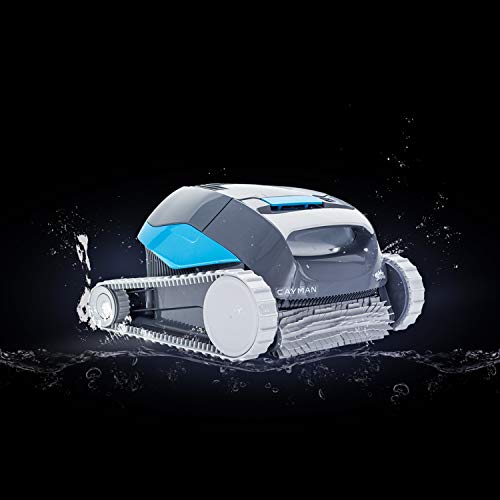
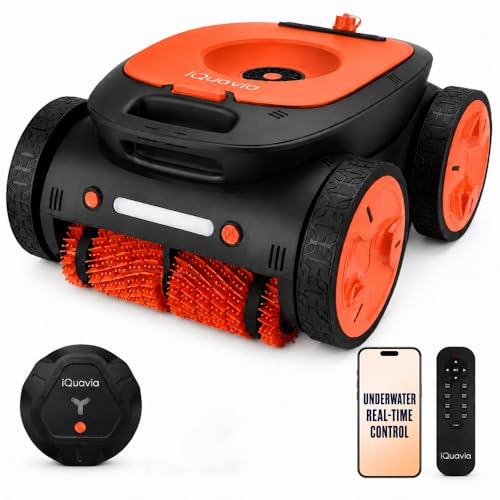


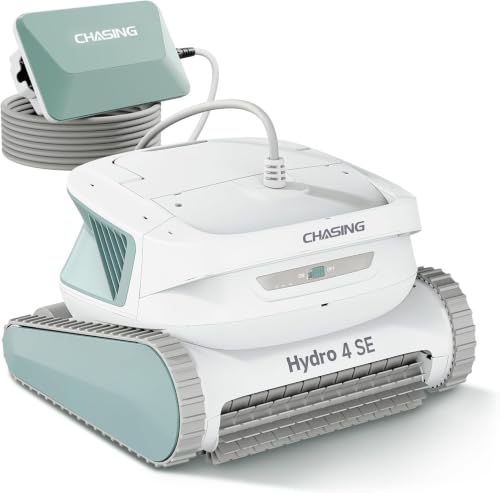
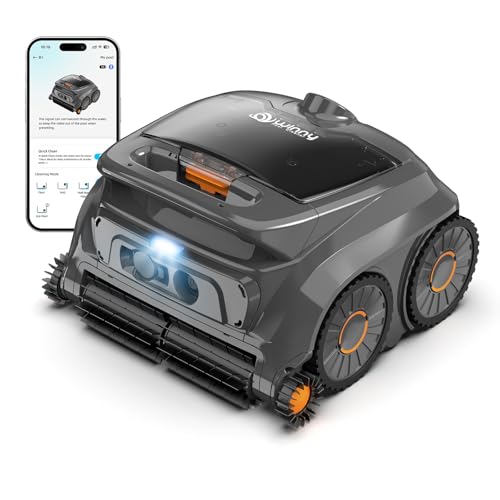
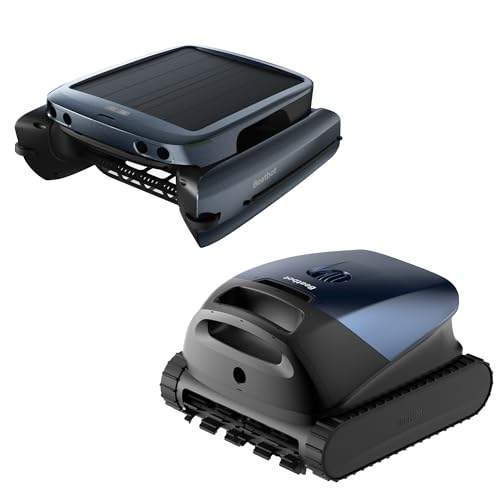

![[2026 New] AQUVII K2 Pool Robotic Pool Cleaner, 120-Min Runtime, Powerful Suction](https://images-na.ssl-images-amazon.com/images/I/31IUB3Srn6L.jpg)
What a Sub-$1000 Robot Is Actually Built to Handle
Every design decision at this price point favors a smaller, lighter machine over a more capable one. Motors are sized for shorter cycles and smaller water volumes, brushes are tuned for gentler liner materials, and navigation is usually a simple back-and-forth or random pattern rather than mapped coverage. None of that makes a budget unit a bad choice. It just means the machine is built for a specific job: keeping a modest pool's floor clean without the sensors, app control, or climbing power that drive up cost elsewhere.
The honest way to shop this tier is to start from your pool's dimensions, not from a features list. A unit rated for an 18-foot round pool won't finish a 30-foot rectangle in one cycle, no matter how good its reviews look.
Corded or Cordless: The Real Trade-Off at This Budget
Most machines under $1000 still run on a tether cord rather than a battery, and that split matters more than any other spec on this list. A corded unit plugs into an outlet and runs as long as the cycle needs, with no charging downtime between uses. The trade-off is cord length, typically 30 to 40 feet, which limits how far the unit can reach and adds a cord-management step every time you pull it out of the water.
Cordless models exist at this price too, but battery limits show up fast. Expect roughly 60 to 90 minutes of runtime on a full charge, followed by a 3 to 4 hour wait before the next cycle. For a small pool that's rarely a problem since one charge usually covers the whole floor. For anything larger, a cordless budget unit can leave sections unfinished before the battery gives out. Buyers who want longer battery cycles without stepping too far up in price can compare options in the under $1500 tier, where cordless runtimes start stretching further.
Floor-Only Cleaning and Why the Walls Get Skipped
Climbing a pool wall takes stronger traction, a different brush geometry, and more precise navigation to avoid getting stuck at the waterline. All of that adds cost, which is exactly what this price tier is built to avoid. The result is that the large majority of sub-$1000 robots clean the floor only, leaving the waterline scum line and any wall buildup for a hand brush.
That's a reasonable trade for most owners, since the floor collects the bulk of sand, silt, and settled debris in a typical pool. If wall coverage matters more than the savings, it's worth checking the next price tier up, where wall climbing starts appearing more consistently, or looking at a pressure-side cleaner as a different kind of automation entirely.
Matching a Cleaner to Your Pool's Size and Shape
Manufacturers publish a maximum length, and sometimes a maximum depth, for every model, and that number is the first thing to check before anything else. Round and oval above-ground pools under about 18 to 20 feet across are where this budget tier performs best, since the shape and volume line up with what these smaller motors are built to cover in a single cycle.
Rectangular in-ground pools are trickier. A long, narrow shape can exceed a budget unit's rated coverage even when the total square footage looks similar to a round pool the same model handles fine. Measure the longest diagonal, not just the length, and compare it against the manufacturer's stated maximum before assuming a cheaper model will stretch to fit.
Cycle Time, Charging, and Noise While It Runs
Cycles at this price generally run 30 to 90 minutes, shorter than premium machines but usually enough to cover a smaller pool's floor completely. Most units start with a single button press rather than a weekly schedule, so plan on running the cleaner by hand two or three times a week rather than setting it and forgetting it.
Noise is a common concern for anyone who spends time near the pool while it runs. Budget robotic cleaners produce a steady motor hum, roughly comparable to a pool pump, with occasional buzzing as brushes contact hard surfaces like tile or steps. It's audible from a few feet away but rarely loud enough to disrupt conversation on a patio a short distance off. Units with plastic housings tend to run slightly louder than those with more insulated motor casings.
Getting the Most Life Out of a Budget Cleaner
A little routine upkeep goes a long way toward making an entry-level machine last as long as a pricier one.
- Rinse the filter bag or basket after every cycle instead of waiting until suction visibly drops.
- Skim floating leaves before running the cleaner, since less surface debris means less strain on a smaller filter.
- Store the unit out of direct sunlight, since UV exposure breaks down the housing and cord faster than normal water use.
- Check brushes every few weeks and replace them once they flatten, since worn bristles lose most of their scrubbing power.
- Drain the unit fully before storing it to keep standing water from damaging the motor over time.
Frequently Asked Questions
Will a robotic pool cleaner under $1000 clean the walls too?
Rarely, and if it does, coverage is usually limited to the area just below the waterline. Most models at this budget are built and marketed for floor cleaning specifically, so plan on brushing the walls by hand if that matters to you.
How long does one cleaning cycle actually take?
Most budget units run 30 to 90 minutes per cycle, depending on pool size and the model's motor strength. That's usually enough to cover a smaller pool's floor in a single pass without needing a second run.
Should I choose corded or cordless for a small pool?
Corded units offer unlimited runtime but a shorter reach, typically 30 to 40 feet. Cordless models skip the cord entirely but need 3 to 4 hours to recharge between cycles. For most pools under 20 feet, either works fine.
What changes once you move past the $1000 mark?
Wall climbing, longer cords or battery runtimes, larger filtration capacity, and basic scheduling start showing up more consistently. A sub-$1000 unit trades those extras for a lower price and a lighter, simpler machine.
Choosing the best robotic pool cleaner under $1000 comes down to matching a lighter, floor-focused machine to a pool that doesn't need anything more. Measure first, decide between corded and cordless based on how often you'll run it, and expect to handle wall cleaning by hand. Once those trade-offs are clear, picking confidently at this budget gets a lot easier.