The Best Robotic Above Ground Pool Cleaners in 2026
Disclosure: We may earn a commission when you buy through links on this page, at no extra cost to you. As an Amazon Associate I earn from qualifying purchases. Learn more
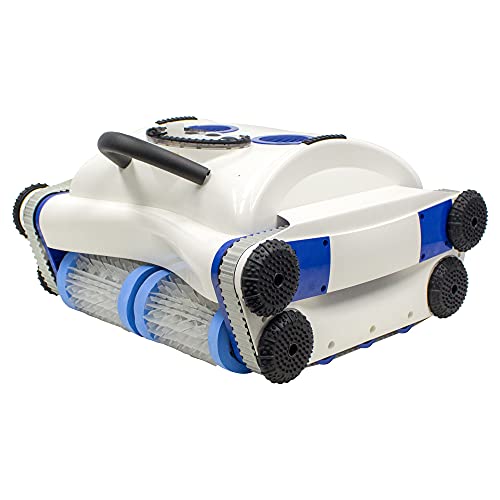
A buying guide covering liner safety, climbing ability, and suction for above ground robotic pool cleaners.
Above ground pools present different cleaning challenges than in-ground pools, from thinner walls to shallower depths that not every robotic cleaner handles well. The best robotic above ground pool cleaners are designed specifically around these differences, offering gentler wall climbing and lighter builds that suit vinyl liners without risking damage. Choosing a model built for this pool type, rather than a generic in-ground design, makes a real difference in both cleaning results and long-term liner protection.
This guide covers what separates above ground-specific cleaners from standard models, along with the features that matter most for keeping a smaller, shallower pool consistently clean.

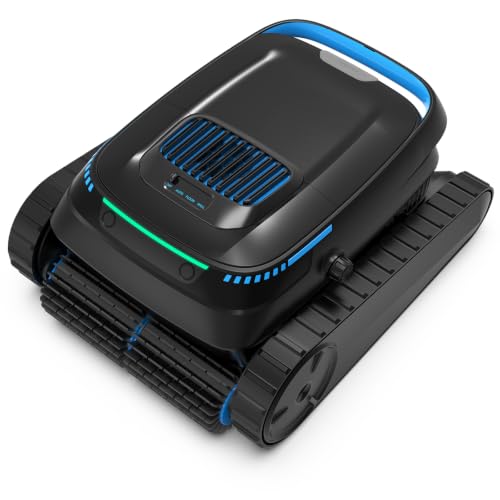

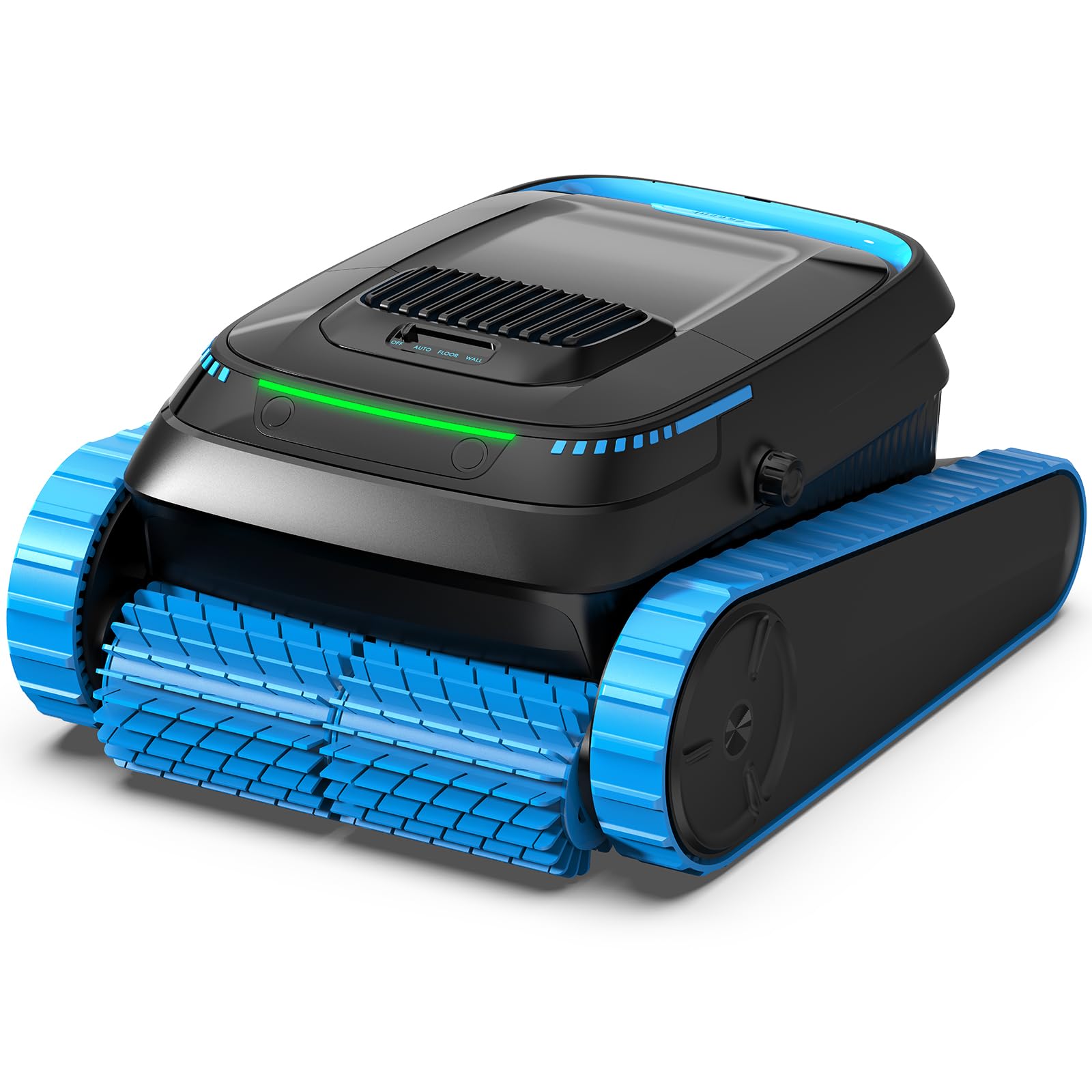


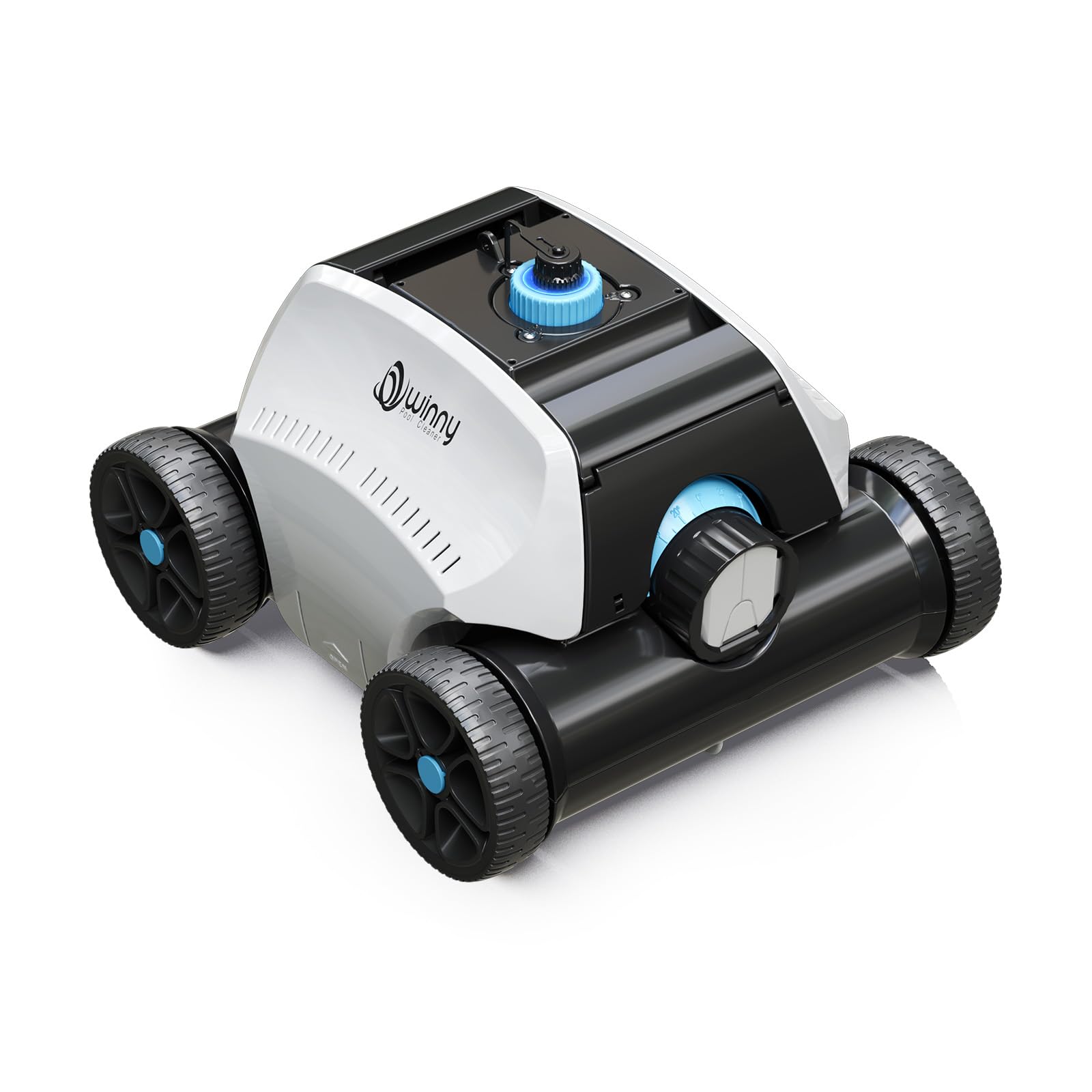
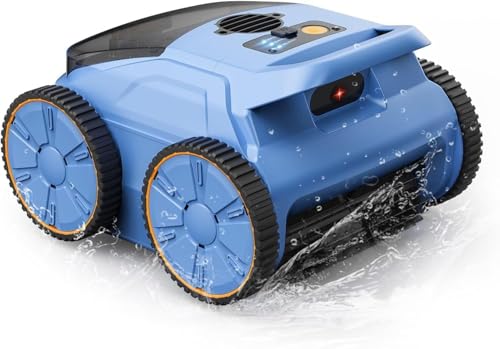
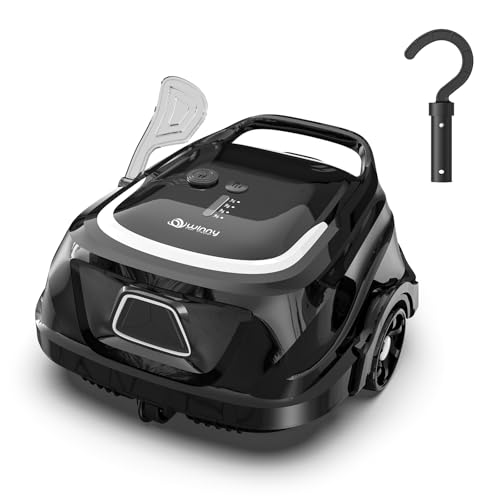
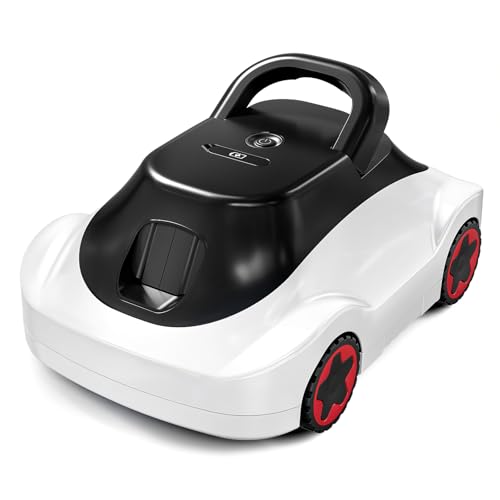


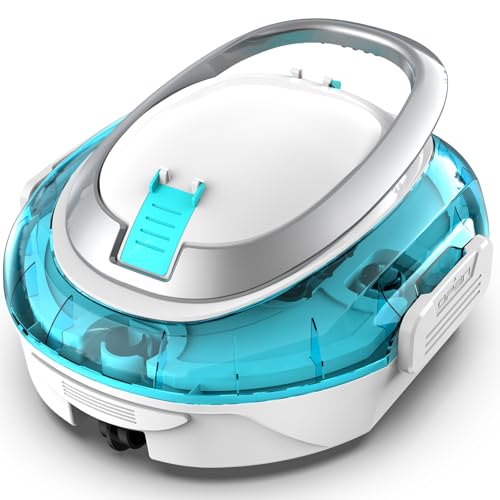
Why Above Ground Pools Need Different Equipment
Above ground pools typically use a thinner vinyl liner than in-ground pools, which can tear or wear prematurely under equipment not designed with gentler operation in mind. Wall angles also tend to be steeper and more uniform, requiring climbing mechanisms calibrated specifically for this geometry rather than the gradual slopes common in many in-ground designs.
Shallower average depth changes how a cleaner navigates as well, since some models designed for deeper pools may not transition smoothly between floor and wall cleaning in a shallower environment.
Liner-Safe Design Features
Soft, non-abrasive brush materials and lighter overall weight reduce the risk of liner damage during regular cleaning cycles. Look specifically for manufacturer language confirming vinyl liner compatibility, since not every cleaner marketed broadly for pools actually addresses the specific needs of above ground vinyl surfaces.
Suction and Filtration for Smaller Pool Volumes
Above ground pools generally hold less water than comparable in-ground pools, so cleaners do not necessarily need the most powerful suction on the market to perform well. That said, adequate suction still matters for lifting fine debris and preventing algae buildup, particularly in pools that see heavy sun exposure throughout the season.
Filter bag or basket capacity affects how often cleaning cycles need interruption for emptying, which matters more in pools near trees or exposed to windblown debris regularly throughout the summer months.
Cord Length Considerations for Smaller Pools
Since above ground pools are often smaller than in-ground pools, cord length requirements tend to be more modest, though checking the specific cord length against your pool's diameter still matters to avoid a cleaner that cannot quite reach every area.
Climbing Ability on Vertical Walls
Steeper, more vertical walls common in above ground pools require reliable climbing traction to clean effectively above the waterline. A lightweight above ground pool robot cleaner designed with this geometry in mind climbs consistently without stalling partway up the wall, which is a common frustration with cleaners not specifically built for this pool style.
Weak or inconsistent wall climbing leaves waterline buildup, algae, and debris uncleaned in exactly the areas most visible and most prone to buildup from sun exposure and evaporation lines.
Ease of Setup and Handling
Above ground pool cleaners tend to be lighter and easier to lift in and out of the pool compared to bulkier in-ground models, which matters for owners who prefer removing the cleaner between uses rather than leaving it submerged continuously. A manageable weight also makes storage and transport between seasons noticeably easier.
Programming and Cleaning Cycle Options
- Preset cycle lengths suited to smaller pool volumes
- Simple one-button operation for quick, frequent cleaning sessions
- Automatic shutoff once a cleaning cycle completes
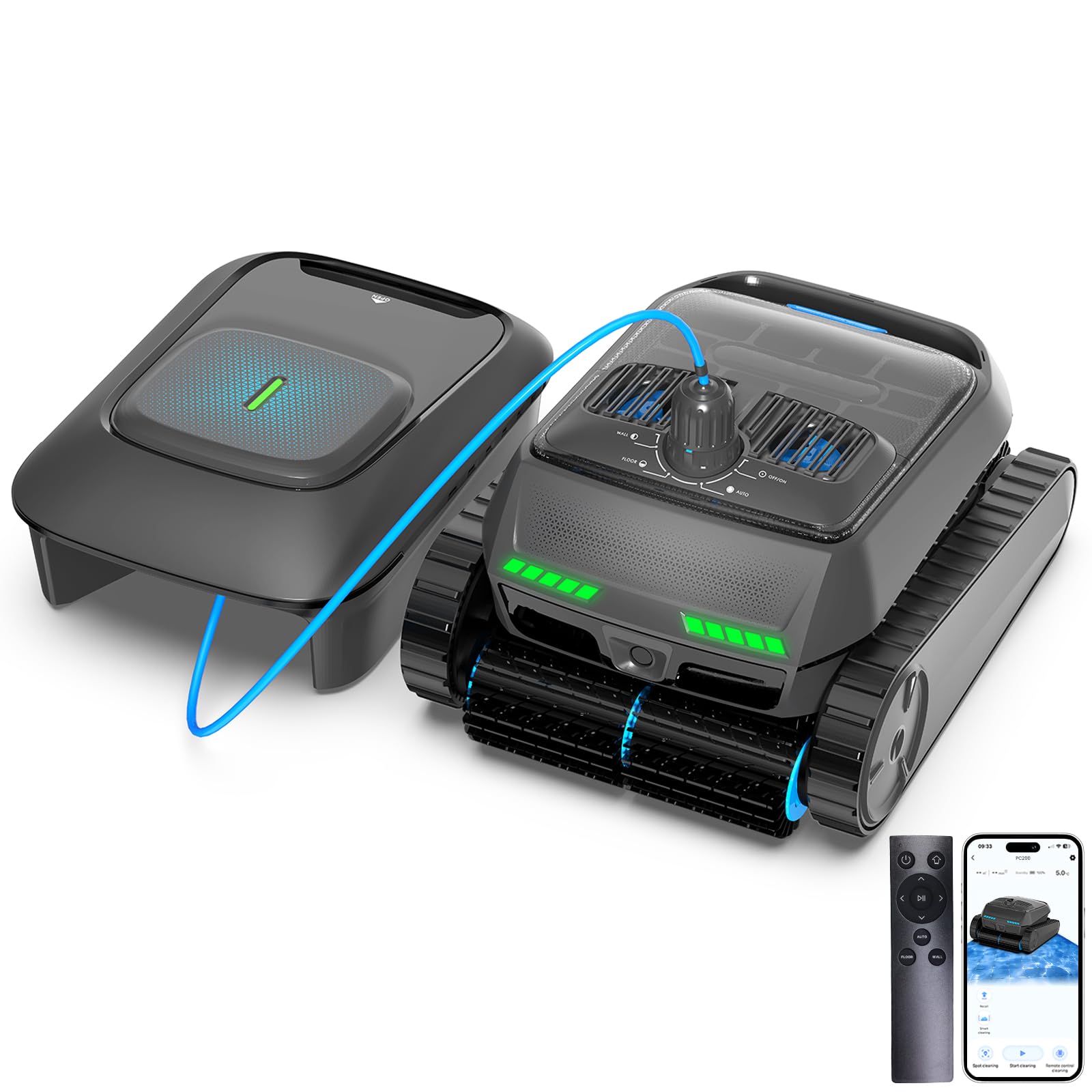
- Optional remote control for spot-cleaning specific problem areas
Simplicity matters more for many above ground pool owners than advanced programming features, since these pools often see more frequent, shorter cleaning sessions rather than long, complex automated schedules.
Maintenance Specific to Above Ground Use
Rinsing the cleaner after each use prevents residue buildup, especially important given how often above ground pool cleaners tend to be removed and reinstalled between sessions compared to permanently submerged in-ground equipment. Inspecting the brush and wheel components for wear regularly helps catch liner-safety issues before they cause damage during future cleaning cycles.
Frequently Asked Questions
Will a standard in-ground pool cleaner damage my above ground liner?
It can, particularly with brush materials or climbing mechanisms not calibrated for thinner vinyl surfaces, which is why choosing a model specifically designed for above ground pools matters.
How long does a typical cleaning cycle take for an above ground pool?
Most cycles run between thirty and sixty minutes depending on pool size, which is often shorter than cycles for larger in-ground pools given the smaller water volume involved.
Can these cleaners handle both the floor and walls of an above ground pool?
Yes, most models designed for above ground pools handle both floor and wall cleaning, though checking specific climbing capability reviews helps confirm consistent wall performance.
Do above ground pool cleaners need to be removed after every use?
It depends on the model and manufacturer recommendation, though many owners prefer removing the cleaner between sessions to extend its lifespan and simplify storage.
Comparing Price Ranges for Above Ground Cleaners
Budget above ground pool cleaners typically cover floor cleaning reliably but may show weaker wall climbing performance compared to pricier models. Mid-range options improve climbing consistency and filtration capacity, offering a solid balance for owners who want dependable full-pool coverage without paying for features designed mainly for larger in-ground installations.
Premium above ground models add features like programmable cycles, remote control operation, and more durable liner-safe materials built to withstand years of frequent removal and reinstallation between cleaning sessions.
Seasonal Considerations for Above Ground Pools
Above ground pools are more likely to be seasonal in colder climates, meaning the cleaner needs proper winterizing alongside the pool itself. Draining internal components fully and storing the unit indoors during the off-season protects internal motors and seals from temperature-related damage that could shorten the equipment's lifespan.
Owners who keep their above ground pool open year-round should still perform periodic maintenance checks, since consistent use puts more cumulative wear on components than seasonal operation alone.
Comparing to Suction-Side and Pressure-Side Alternatives
Suction-side cleaners connect to the pool's existing filtration system and cost less upfront but add strain to the main pump over time. Robotic cleaners operate independently, which generally means better cleaning performance and lower long-term energy costs despite a higher initial purchase price.
Final Thoughts
Selecting among the best robotic above ground pool cleaners comes down to prioritizing liner-safe materials, reliable wall climbing, and manageable weight for easy handling. A cleaner built specifically for above ground pools protects your investment in the liner while keeping the water consistently clear throughout the swimming season.
Noise and Everyday Convenience
Since above ground pools are often located closer to seating areas or patios than larger in-ground installations, noise level can matter more for day-to-day comfort. Quieter motor designs make it easier to run a cleaning cycle while relaxing nearby without the constant hum becoming a distraction during outdoor time.
Lightweight handles and carrying grips built into the housing make transport between the pool and storage area more convenient, a detail that matters for owners who remove their cleaner regularly rather than leaving it in the water full time.
Taking time to compare a few models against your specific pool size, liner type, and typical debris load helps narrow down a reliable choice without overspending on features you may never actually use.
Related reading: best robotic pool cleaner under 1000 and best robotic pool cleaner under 3000.