Best Robotic Pool Cleaners: A Technology Buying Guide
Disclosure: We may earn a commission when you buy through links on this page, at no extra cost to you. As an Amazon Associate I earn from qualifying purchases. Learn more
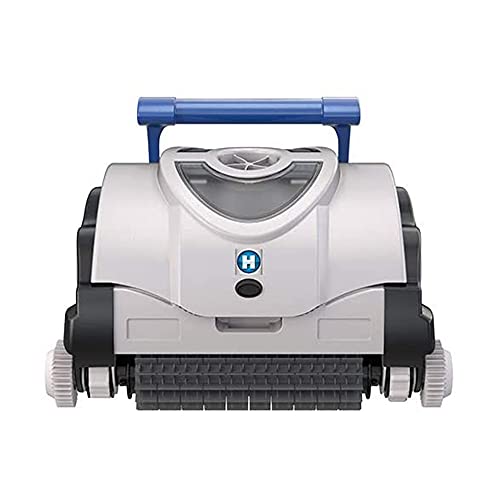
A buying guide to robotic pool cleaners covering navigation, climbing capability, filtration, app control, and energy efficiency.
Robotic pool cleaners have moved well beyond simple floor-scrubbing machines, now packing navigation software, app connectivity, and climbing capability that older suction and pressure-side cleaners never offered. The best robotic pool cleaners distinguish themselves through genuinely useful technology rather than marketing buzzwords, and knowing which features actually improve cleaning results helps you avoid paying extra for features that sound impressive but change little in practice. This guide focuses on the technology that meaningfully separates one robotic cleaner from another.
From how a unit finds its way around your pool to how it filters debris, here is what to look for beyond the basic pitch of "it cleans itself."


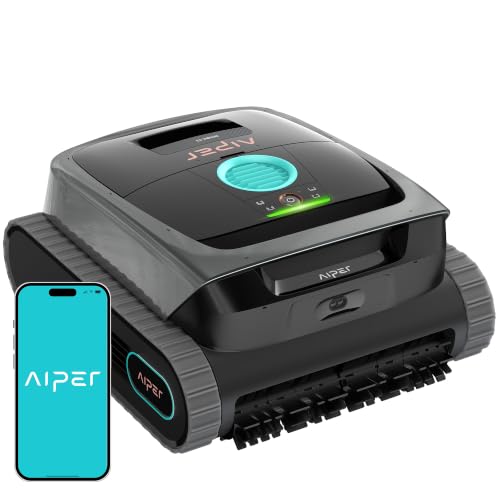
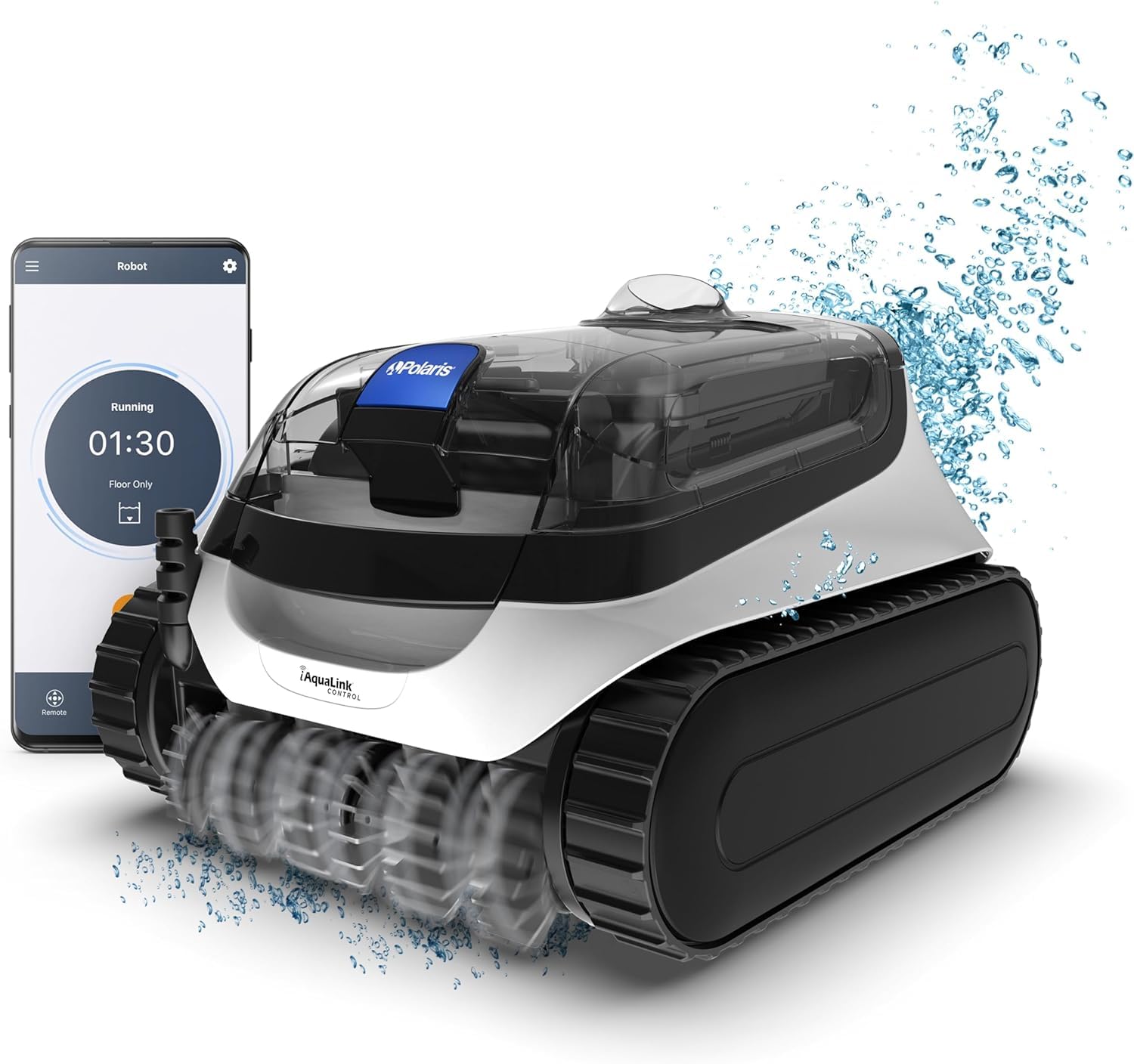


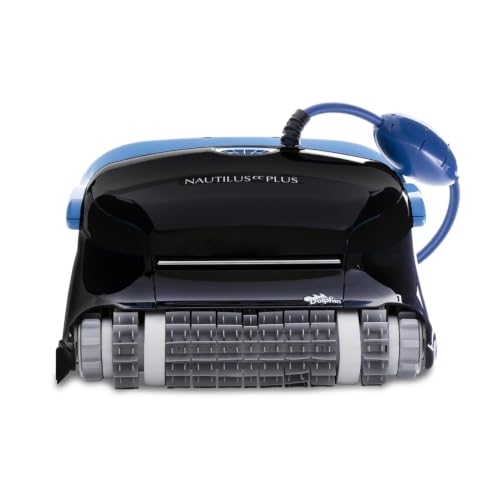

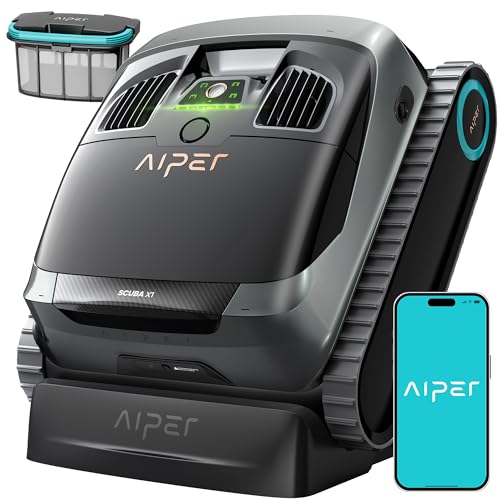
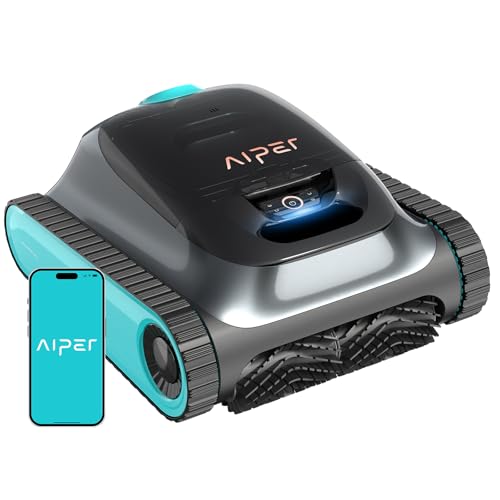
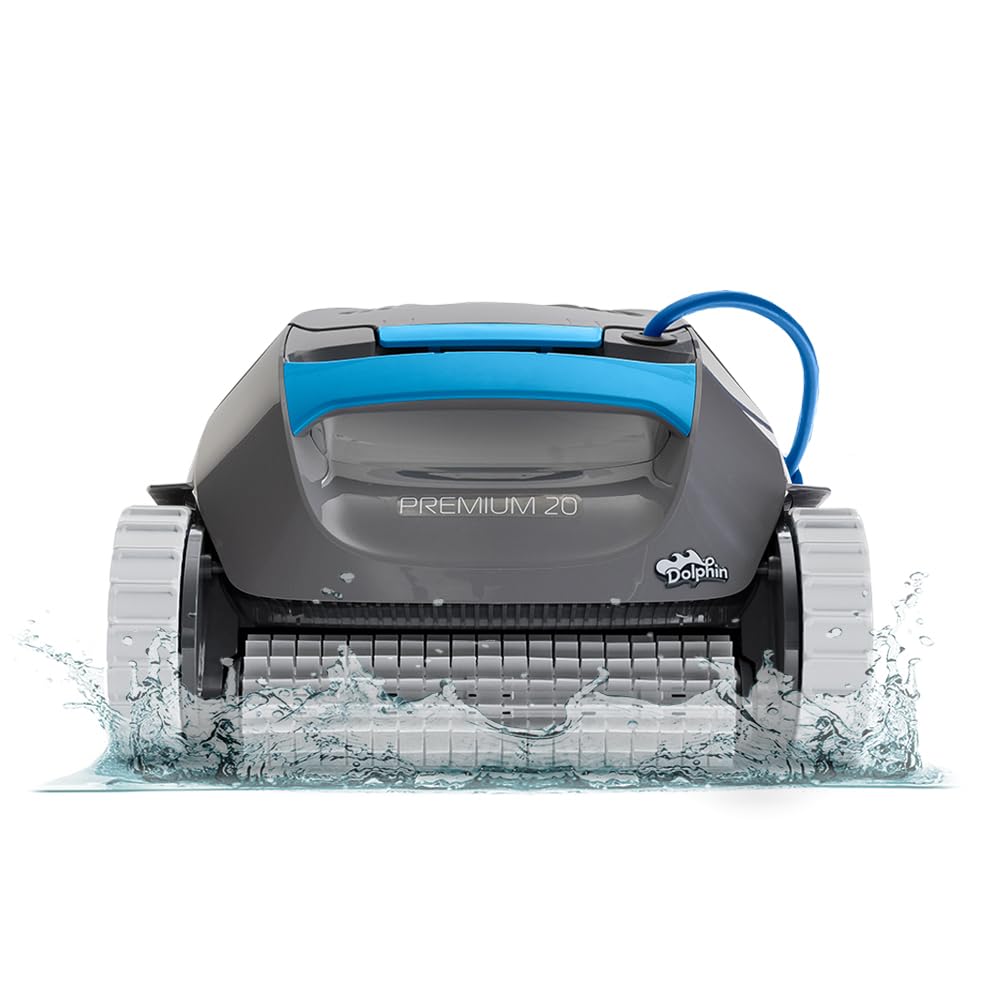
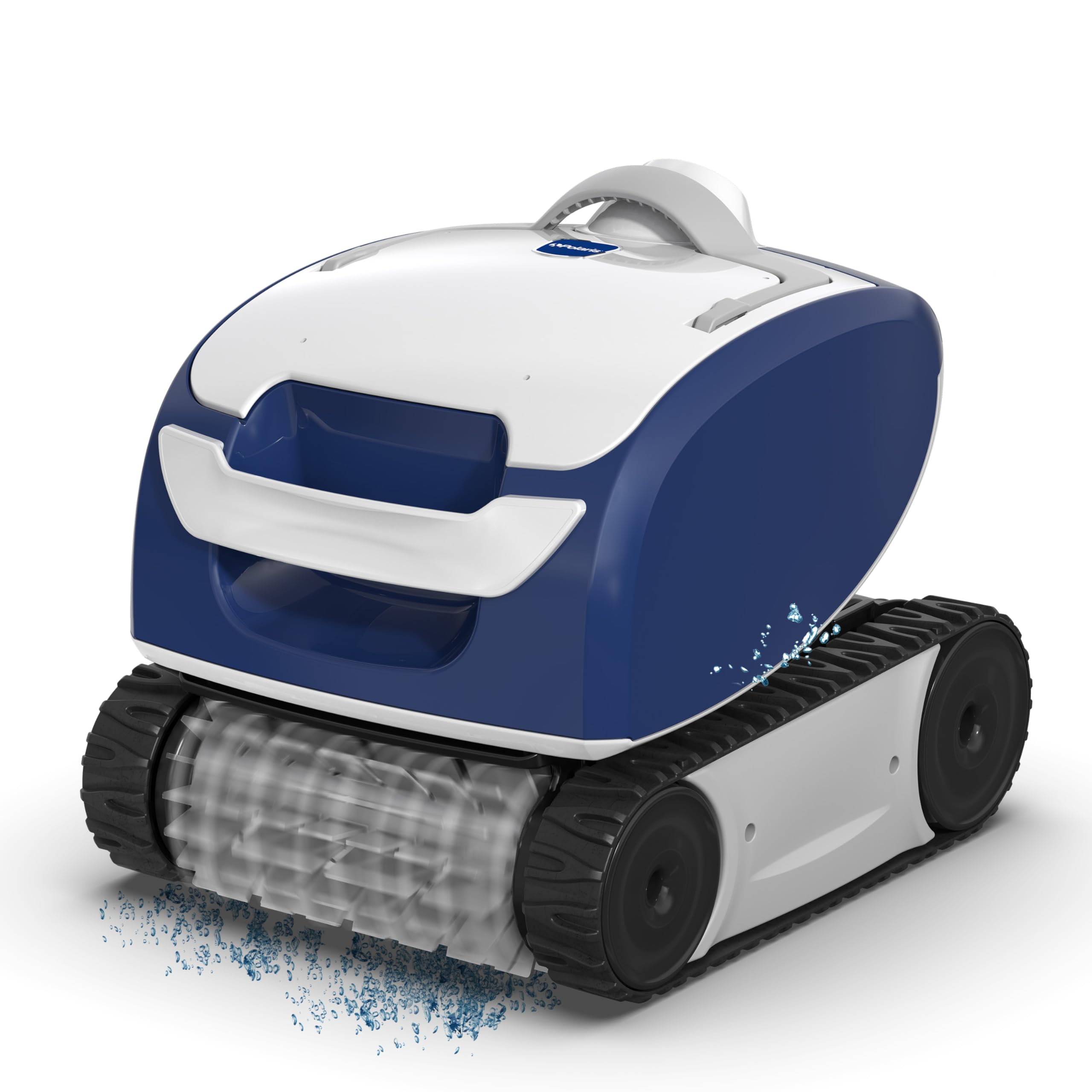
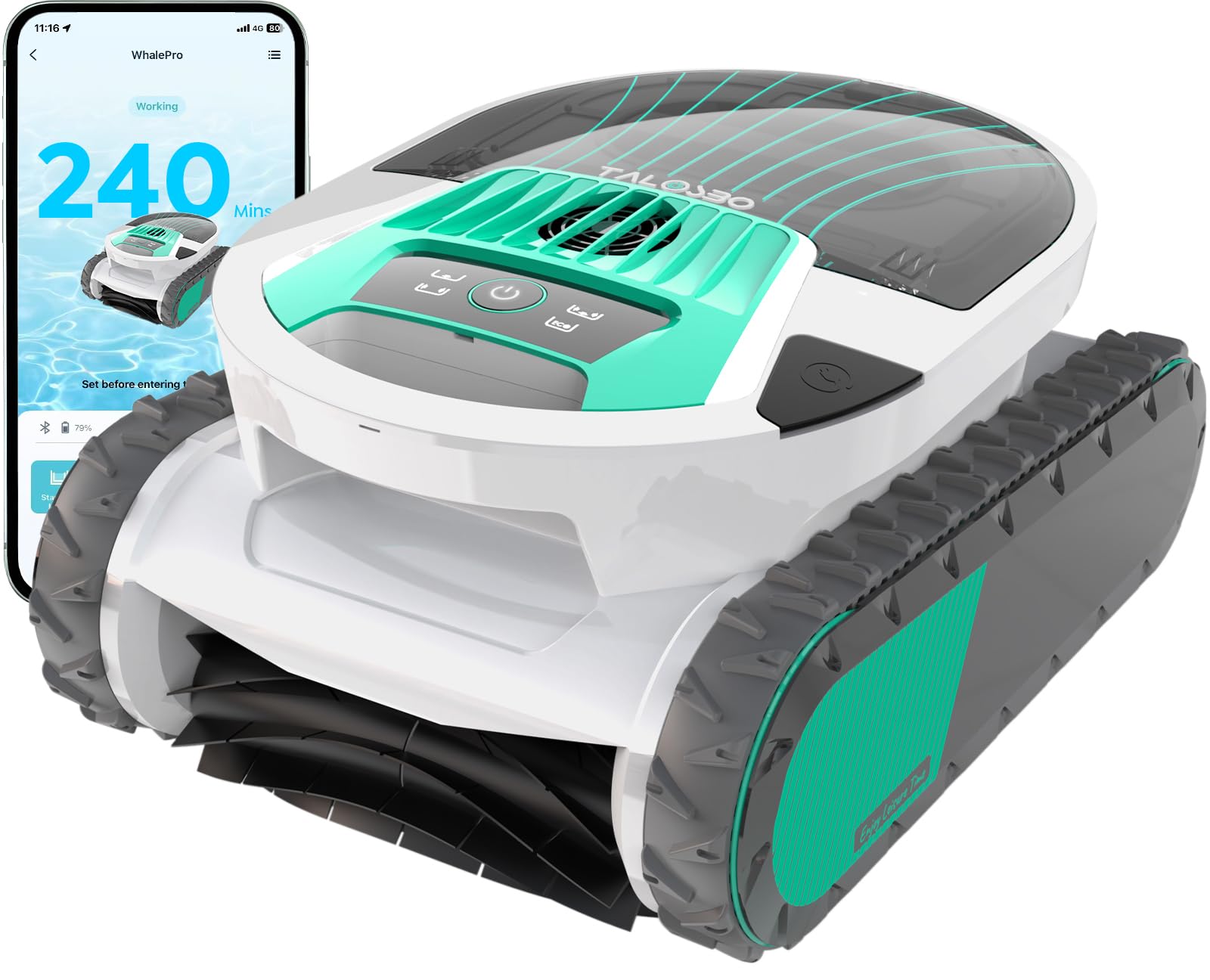
Navigation Systems: Smart Mapping Versus Random Pattern Cleaning
Smart mapping technology uses onboard sensors to build a layout of your pool's shape and dimensions, then plans an efficient cleaning path that covers the entire surface with minimal overlap or missed spots. Random pattern navigation, more common in older or budget robotic designs, relies on gyroscopic sensors bouncing the unit off walls in a less predictable pattern, which can leave gaps in coverage or take considerably longer to clean the same area.
Pools with irregular shapes, built-in steps, or unusual features benefit the most from smart mapping, since a random pattern struggles more with navigating around obstacles efficiently. Checking whether a cleaner remembers its map between cleaning cycles, rather than recalculating from scratch every time, also affects how consistently thorough each session ends up being.
Climbing Capability for Walls and the Waterline
Full climbing capability lets a robotic cleaner scrub walls and the waterline in addition to the pool floor, targeting the buildup of algae and grime that tends to accumulate right at the surface line where sunlight and debris concentrate. Floor-only models handle the bulk of debris that settles at the bottom but leave wall and waterline scrubbing as a separate manual task.
Climbing performance varies meaningfully between models, with some struggling on textured or vinyl-lined pool walls where traction is less reliable than on smooth plaster or fiberglass surfaces. Checking climbing compatibility against your specific pool's wall material avoids disappointment if a unit advertised as a wall climber performs inconsistently on your pool's particular surface.
Filtration Systems and Handling Fine Debris
Cartridge filters generally capture finer debris than mesh bags, making them a better fit for pools that regularly deal with fine particles like pollen or algae spores rather than just larger leaves and twigs. Dual or triple filtration systems separate debris by size across multiple chambers, which extends the time between filter cleanings and maintains stronger suction performance throughout a full cleaning cycle.
Filter capacity matters as much as filtration fineness, since a small filter basket in a heavily wooded yard fills up quickly and can reduce cleaning effectiveness partway through a cycle. Checking filter volume against how much debris your pool typically accumulates between cleanings helps match a unit to your actual maintenance needs.
App Control, Scheduling, and Smart Home Integration
WiFi-connected robotic cleaners let you start cycles, choose cleaning modes, and check progress remotely through a smartphone app, which adds genuine convenience for anyone who wants to start a cleaning cycle before arriving home. Scheduling features let the cleaner run automatically on a set routine, keeping the pool consistently maintained without needing to remember to start it manually each time.
Smart home integration, while less essential than core cleaning performance, appeals to households already using voice assistants or centralized home automation systems for other connected devices. This feature adds convenience but should rank behind cleaning performance and build quality when comparing options on a budget.
Caddy Storage and Handling a Robotic Cleaner After Each Cycle
A dedicated caddy simplifies transporting and storing a robotic cleaner between uses, often including a built-in reel for the power cord and a stand that lets the unit drain and dry out fully after each cycle. Storing a cleaner without proper drainage can lead to lingering moisture inside the housing, which shortens component lifespan over repeated use.
Weight matters here too, since lifting a robotic cleaner out of the pool at the end of a cycle requires enough strength to handle its weight safely, particularly for larger units with more onboard electronics and a bigger filter chamber. Some caddies include a lift-assist mechanism specifically to make this step easier for anyone who finds a fully loaded unit heavy to maneuver.
Energy Efficiency Compared to Other Cleaner Types
Robotic pool cleaners run on a low-voltage transformer and operate independently of your pool's main pump and filtration system, using significantly less energy than pressure-side cleaners that rely on a dedicated booster pump running continuously. This independent operation also means a robotic cleaner keeps working effectively even when the main pool pump is off, offering more flexibility for pool owners looking to reduce overall energy costs.
Shoppers comparing the best robotic pool cleaners against suction or pressure-side alternatives often find the energy savings alone justify the higher upfront cost over a few seasons of regular use. This efficiency advantage becomes more noticeable in regions with higher electricity rates, where running a booster pump for hours each week adds up considerably over a full pool season.
Common Mistakes When Choosing a Robotic Cleaner
A frequent mistake is focusing entirely on advertised cleaning time without checking whether that time accounts for a full floor, wall, and waterline cycle or just a partial floor pass. Another common error is underestimating cord length needs for larger pools, since a cleaner with a cord too short for your pool's dimensions cannot reach every area regardless of how capable its navigation system is.
Ignoring compatibility with your specific pool surface material is another overlooked issue, since a unit that climbs beautifully on plaster may struggle noticeably on a textured or vinyl liner. Checking surface compatibility explicitly, rather than assuming universal performance, helps avoid a costly mismatch after purchase.
Frequently Asked Questions
Is smart mapping worth paying extra for?
For irregularly shaped pools or anyone wanting the most thorough, efficient coverage, yes, though simpler pools may do fine with random pattern navigation.
Do all robotic pool cleaners climb walls?
No, wall and waterline climbing is a feature found on many but not all models, and climbing performance varies by pool surface material.
How often does a robotic cleaner's filter need cleaning?
This depends on filter capacity and debris load, but checking and rinsing the filter after each cycle keeps suction performance consistent.
Is app control necessary for a robotic pool cleaner?
It is a convenience feature rather than a necessity, useful for remote scheduling but not essential to core cleaning performance.
Can a robotic cleaner be left in the pool between cycles?
Most manufacturers recommend removing and draining the unit after each cycle to prevent moisture buildup and extend its lifespan.
Do robotic cleaners work on vinyl-lined pools?
Yes, though wall-climbing performance can be less reliable on vinyl surfaces compared to smoother plaster or fiberglass pool walls.
Choosing Technology That Actually Improves Cleaning
Finding the best robotic pool cleaners comes down to matching navigation technology, climbing capability, and filtration to your pool's shape and typical debris load, rather than chasing every available feature. Focusing on genuinely useful technology leads to a cleaner pool with far less manual effort on your part.
Related reading: best robotic above ground pool cleaners and best robotic pool cleaner under 1000.