Best Indoor Plants: Matching the Right Model to Your Routine
Disclosure: We may earn a commission when you buy through links on this page, at no extra cost to you. As an Amazon Associate I earn from qualifying purchases. Learn more

The best indoor plants for your home: easy, low light, pet friendly and compact houseplants matched to real routines.
Houseplants can make a room feel calmer, softer and more alive, but only if they suit the space and the person caring for them. A fiddle leaf fig that thrives in a sunny loft will sulk in a dim bedroom, and a fussy fern can frustrate someone who travels every other week. The best indoor plants for you are the ones that match your light, your schedule and your household, including pets and children.
This guide matches popular houseplants to real routines instead of naming one perfect plant. You will find which plants suit beginners, experienced growers, small apartments and tough low light spots, which features to compare when buying live plants online, the mistakes that kill most new plants and simple habits that keep them healthy for years.



Who Should Buy Which Indoor Plants?
Indoor plants vary enormously in how much light, water and attention they need. Before you buy, think honestly about three things: how much natural light your room gets, how often you will remember to water, and whether cats, dogs or small children might nibble on leaves.
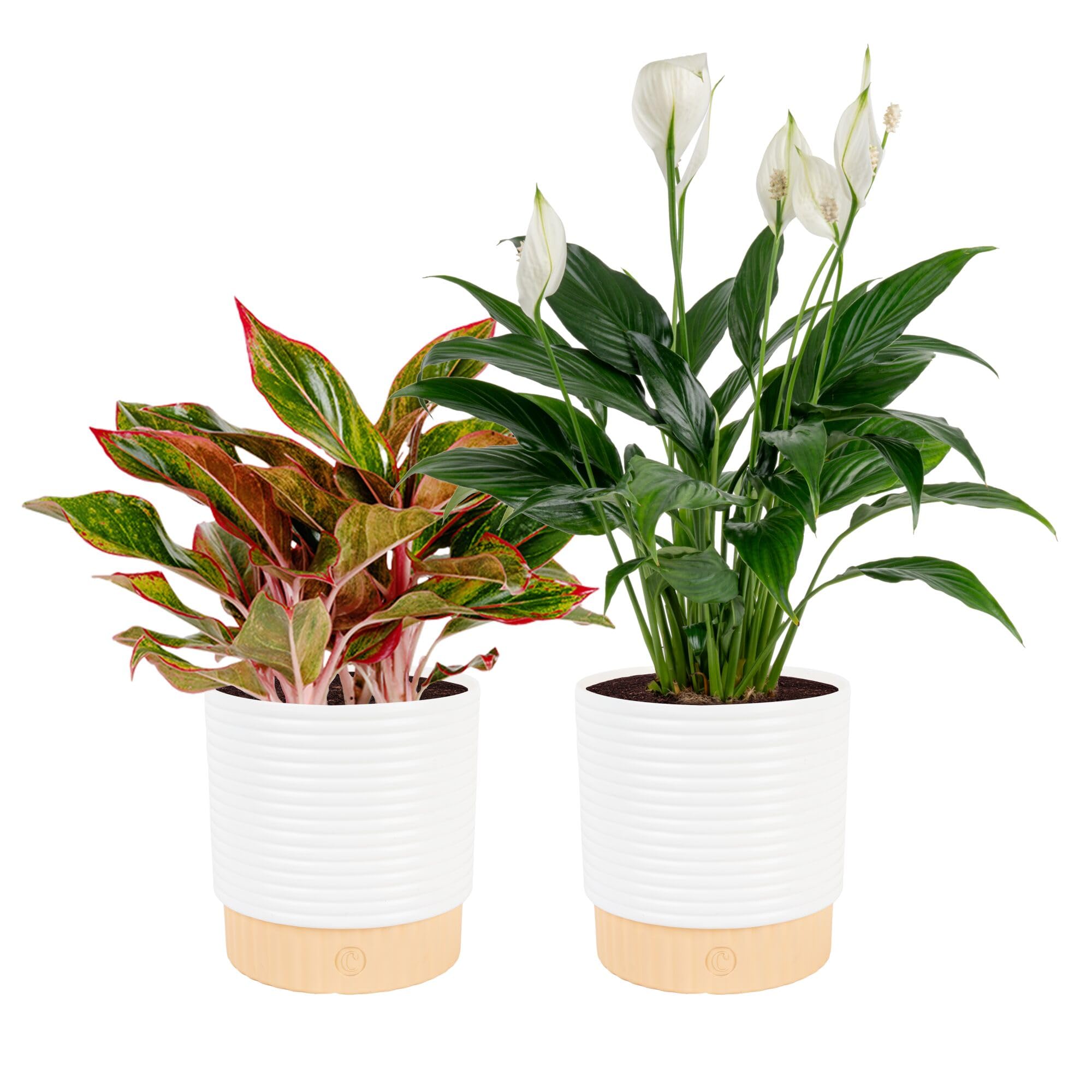
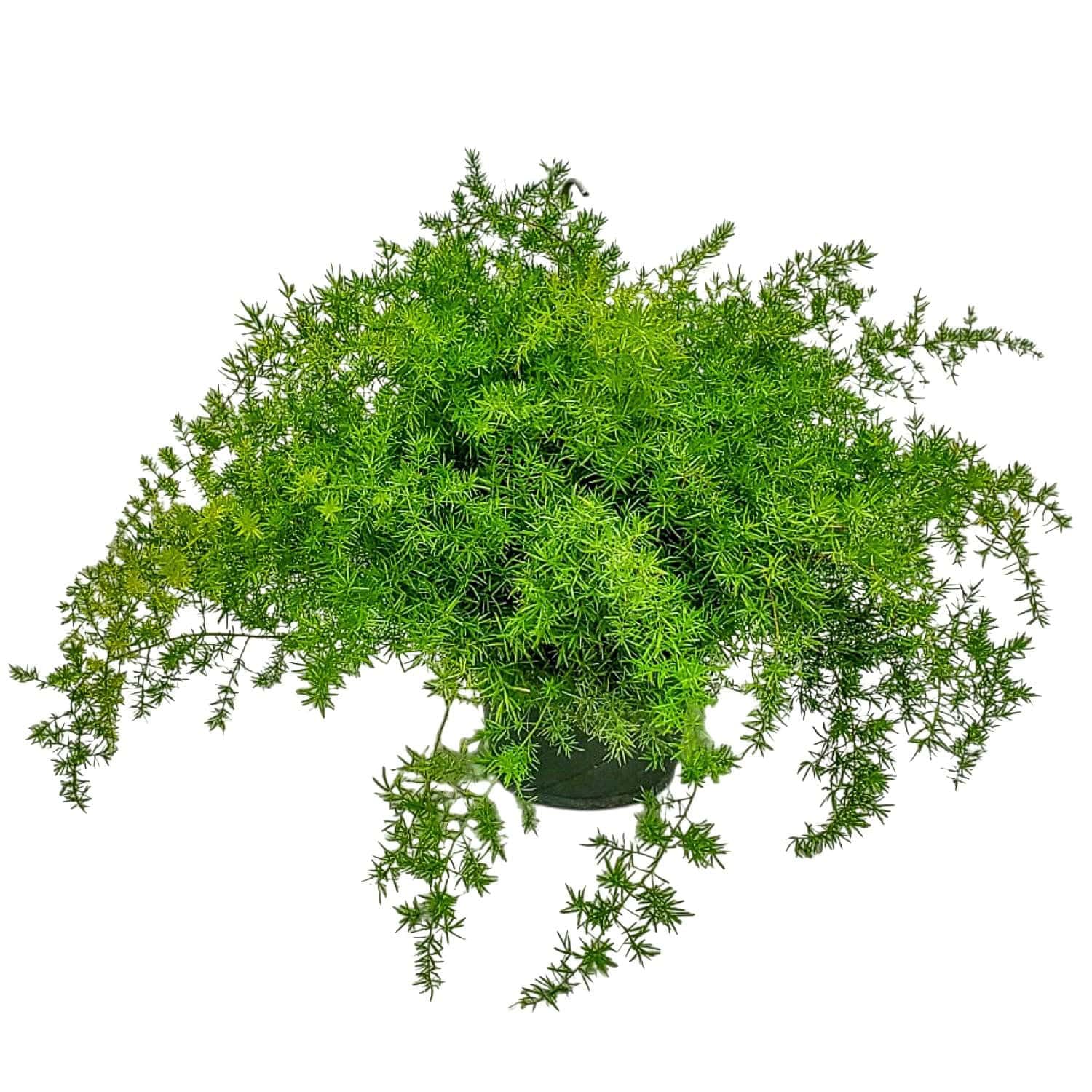
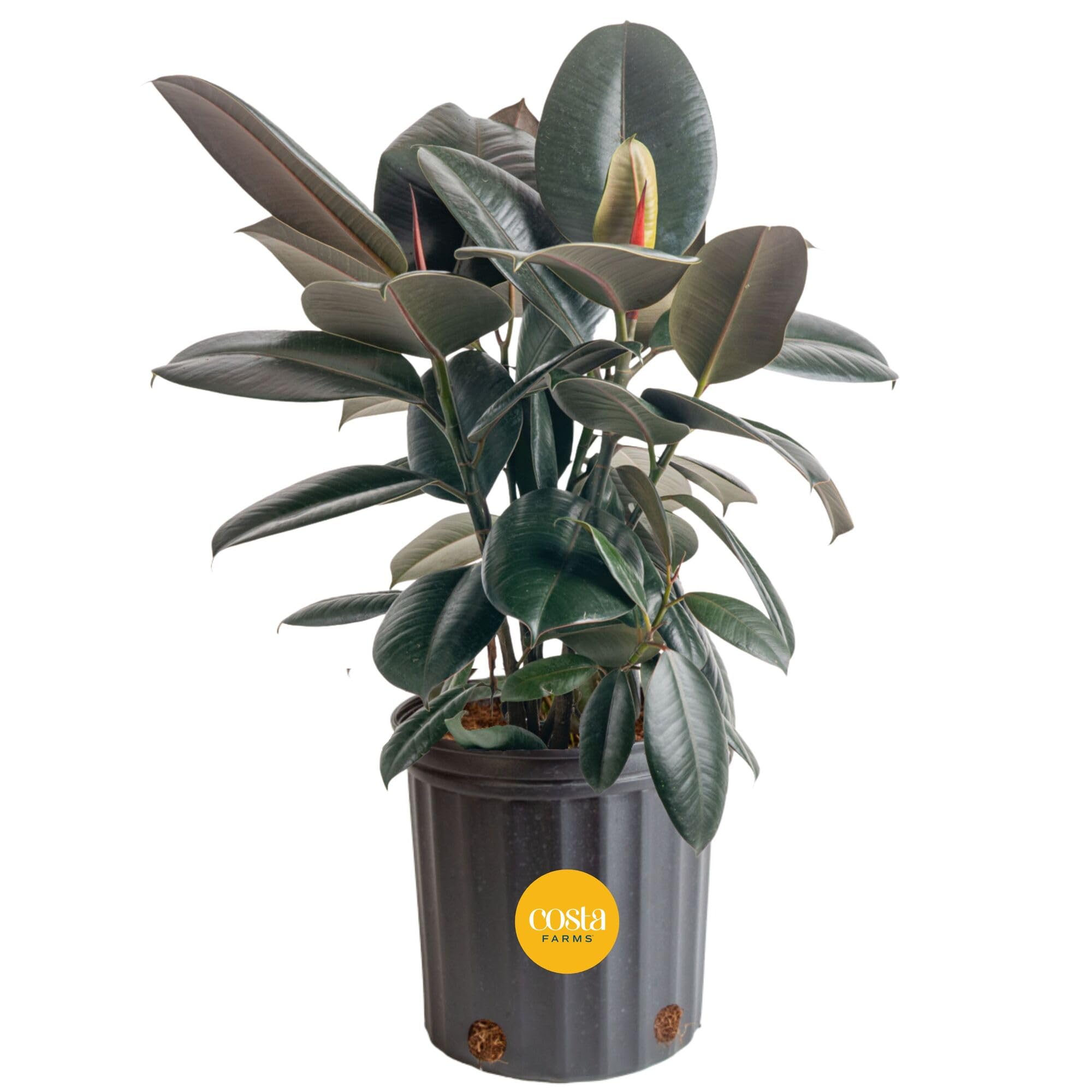
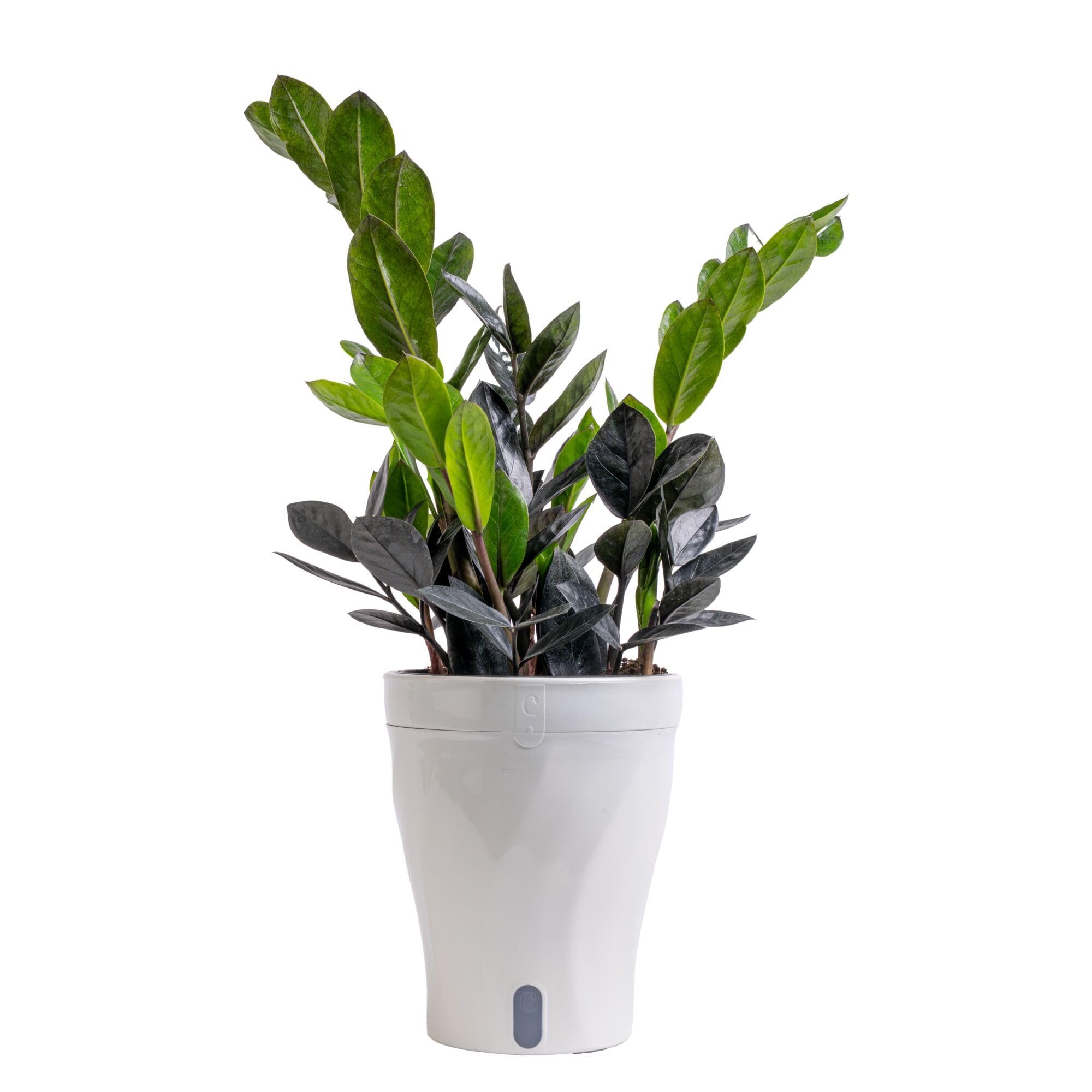
The groups below describe which kinds of plants suit which situations. Every plant mentioned is sold live on Amazon US, and the product table above lists current options from growers such as Costa Farms, Altman Plants and American Plant Exchange.
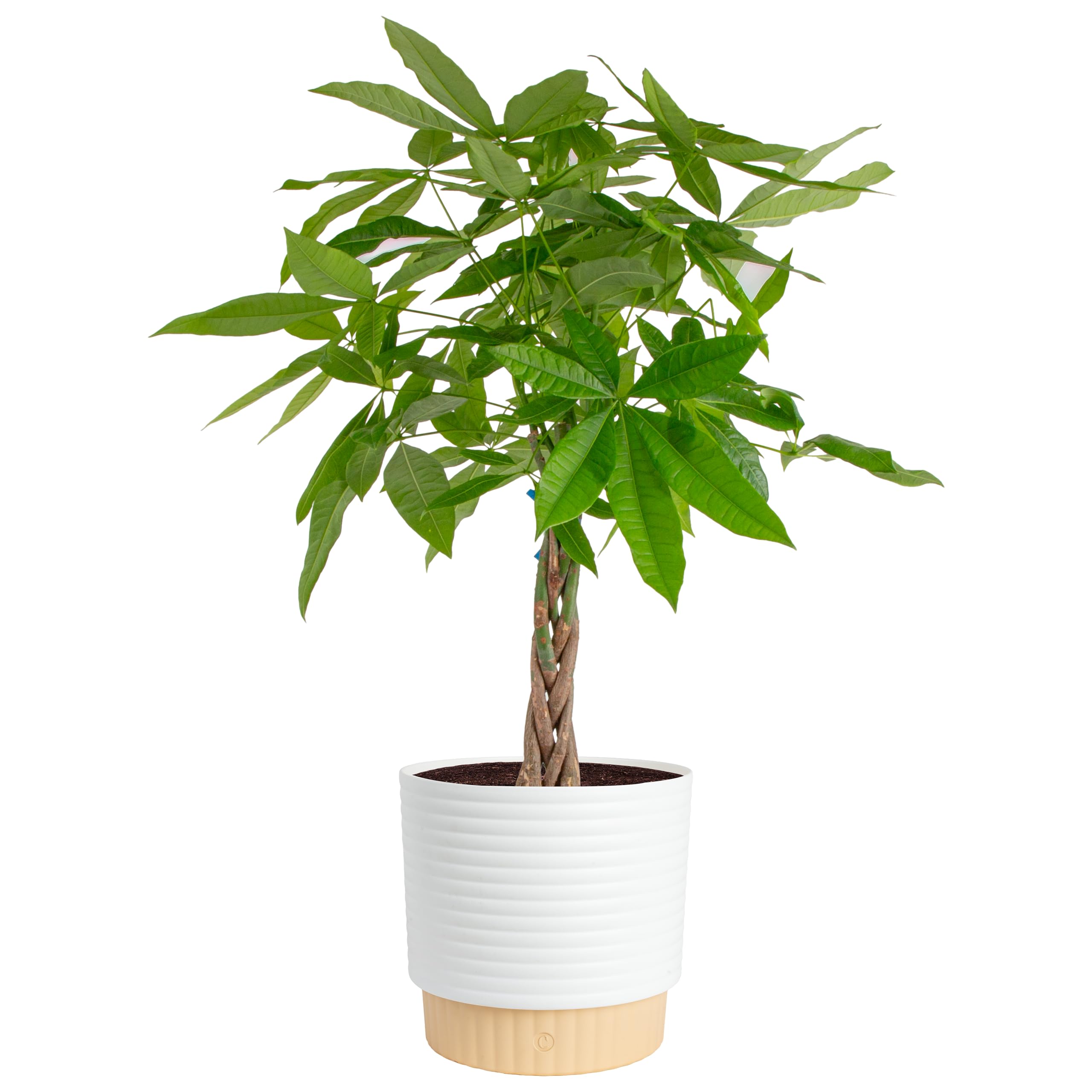
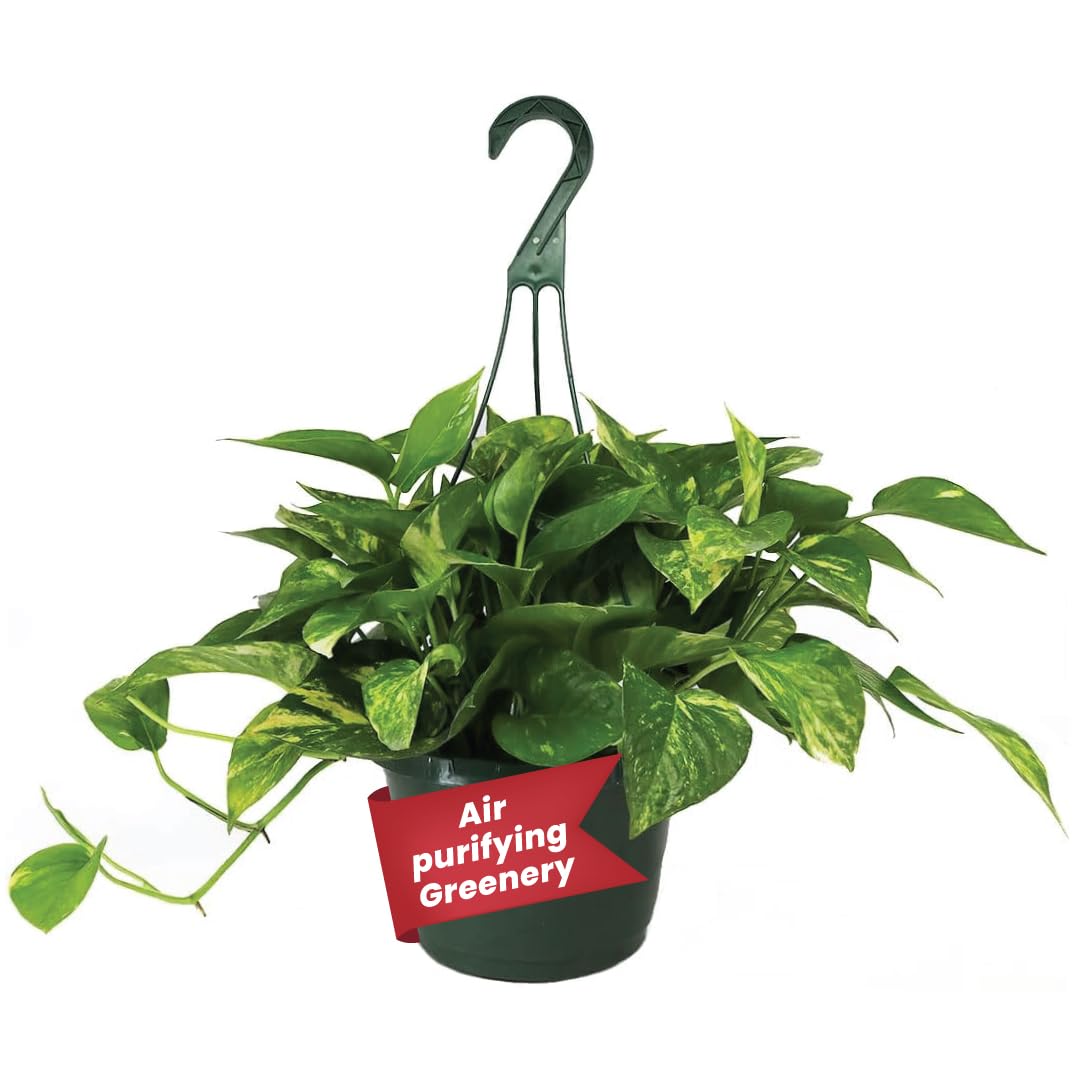
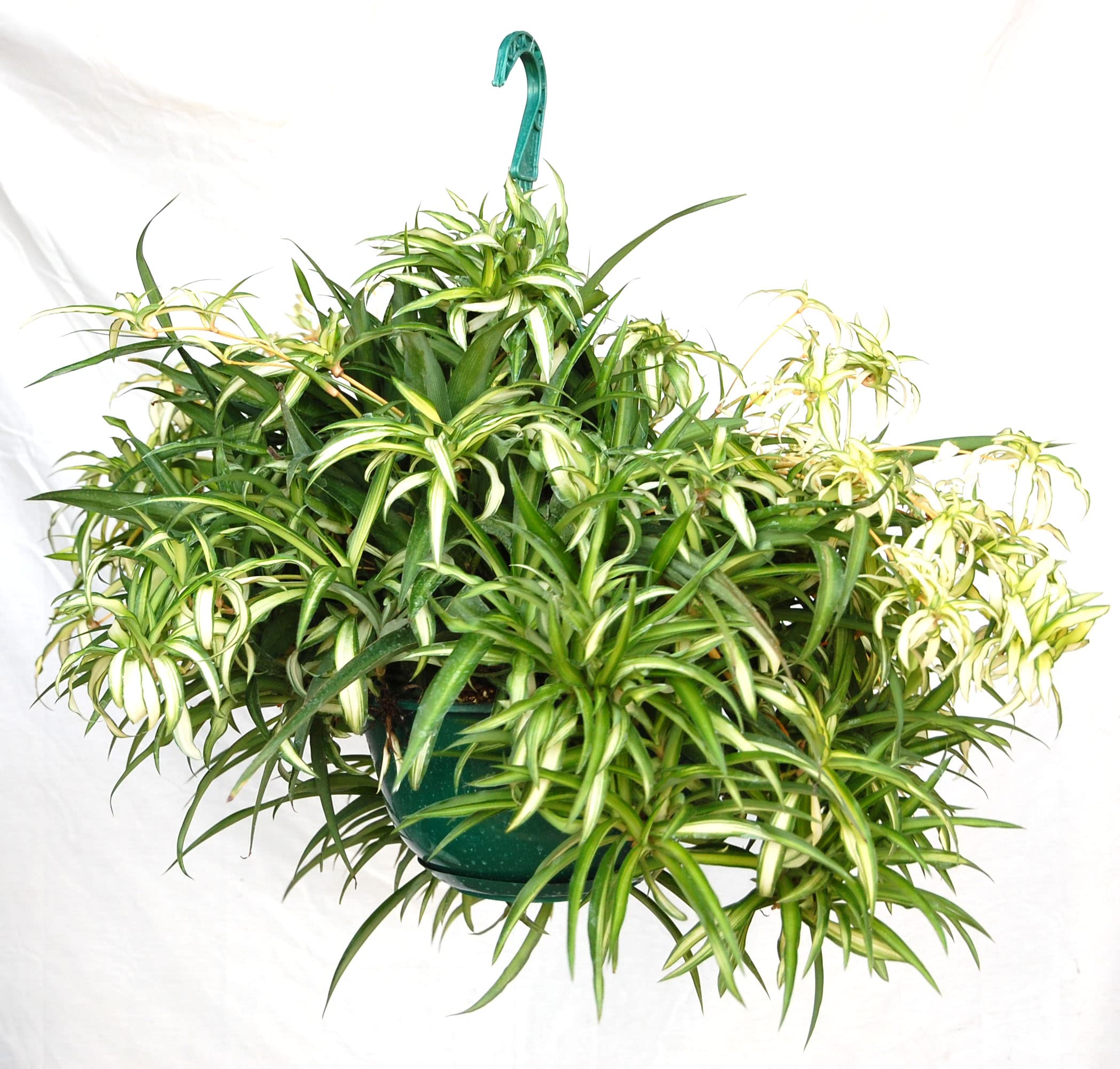
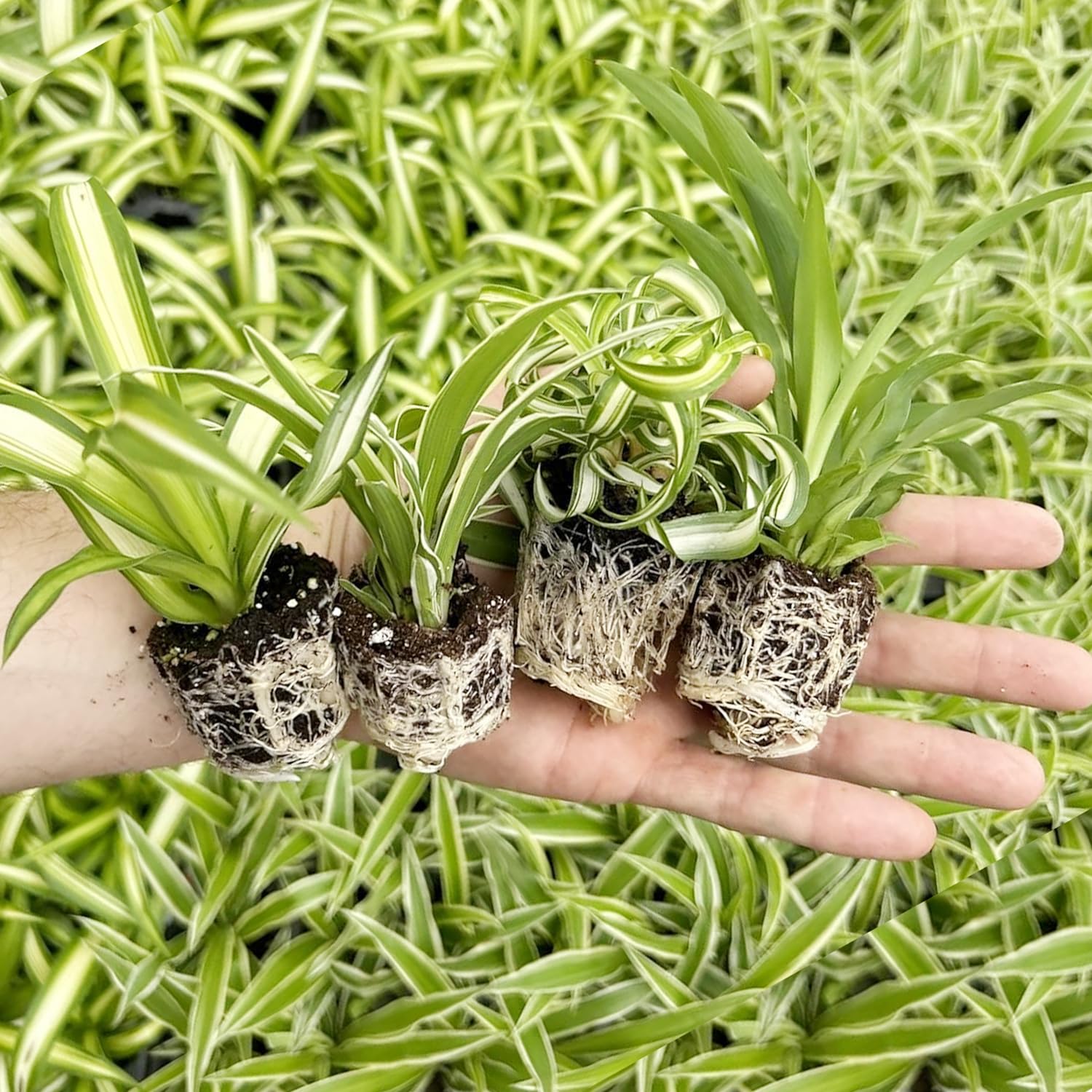
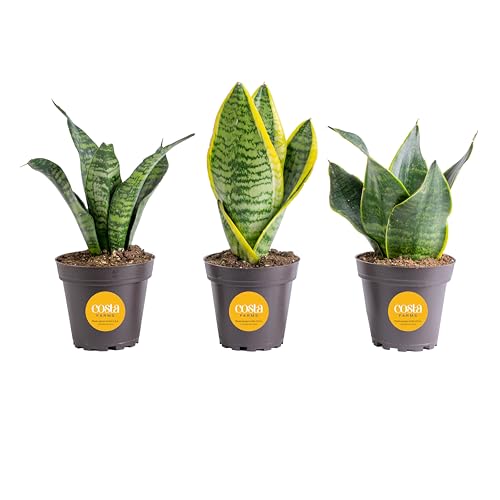
Here is a quick guide to the plants that appear most often in the product table. Snake plants have stiff, upright leaves and tolerate low light and infrequent watering. ZZ plants have glossy leaves on arching stems and are nearly as tough. Pothos trails from shelves and baskets and tells you when it is thirsty by drooping slightly. Peace lilies offer white blooms and prefer evenly moist soil. Money trees have braided trunks and are commonly listed as pet friendly, while rubber plants grow tall with large, dark leaves. Spider plants and calatheas round out the list as popular pet friendly choices.
For Frequent or Serious Users
If you already keep a few plants alive and enjoy caring for them, you can take on plants that reward attention. Calatheas, often called prayer plants, have striking patterned leaves that fold up at night, but they prefer consistent moisture, filtered water and higher humidity. Fiddle leaf figs and rubber plants grow into dramatic statement plants with bright, indirect light and regular care.
Experienced growers often invest in a moisture meter, a humidifier or pebble trays and a few quality pots with drainage. These tools make it easier to give demanding plants exactly what they need, and they turn plant care into a rewarding hobby rather than a guessing game.
Collections are another option for enthusiasts. Multi packs of smaller plants let you try several varieties at once and learn which ones thrive in your home before buying larger specimens.
Serious growers also pay attention to water quality. Calatheas can develop brown leaf edges from minerals and chlorine in tap water, so many owners use filtered or rain water. Letting tap water sit overnight helps a little, though it does not remove every additive.
For Weekend Beginners
If you are new to plants or tend to forget watering, start with famously forgiving species. Snake plants, ZZ plants and pothos tolerate irregular watering, lower light and the occasional mistake. They are the plants most often recommended to beginners for good reason: they bounce back from neglect better than almost anything else.
Begin with one or two plants rather than ten. Learn their watering rhythm, which is usually when the top inch or two of soil feels dry, and add more once you feel confident. A small success builds the habit far better than a windowsill of struggling plants.
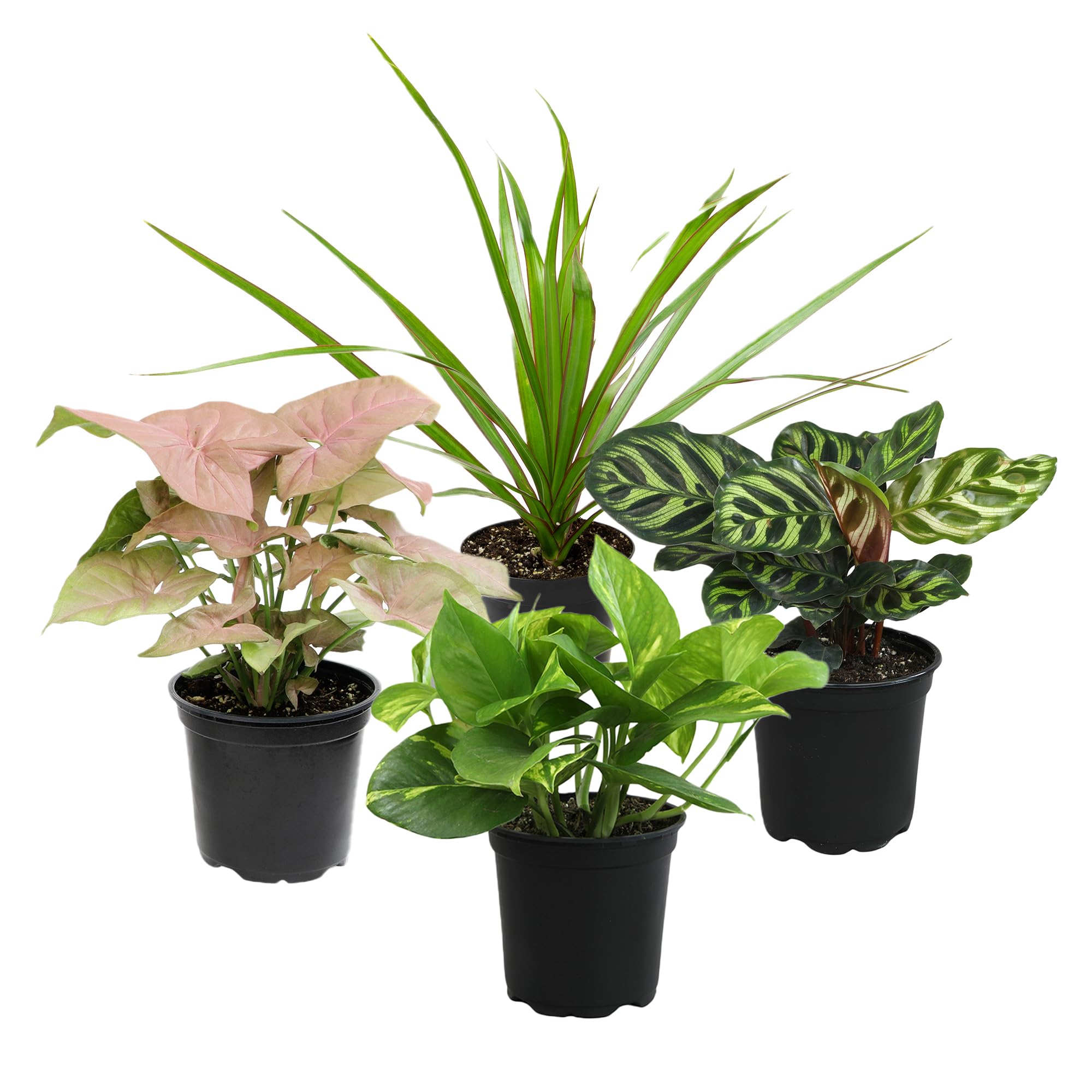
Starter collections, such as four packs of easy care houseplants in small pots, are an affordable way to see which plants suit your space without a big investment.
A simple routine helps beginners most: check soil every weekend, water only plants that are dry, and look at leaves for changes. Yellow lower leaves often mean too much water, while crispy brown tips usually mean too little water or dry air. Learning these signals is easier with just a couple of plants.
For Small Spaces and Easy Storage
Apartments, dorms and offices call for compact plants or ones that grow upward or trail downward instead of spreading wide. Hanging baskets of pothos or spider plants use vertical space and look lovely near a window. Small potted ZZ plants and snake plants fit on desks, shelves and nightstands.
Consider mature size before buying. A money tree or rubber plant that starts at two feet can reach the ceiling over a few years, so choose slow growers for tight spaces or plan to prune. Shelf friendly plants in four to six inch pots give you greenery without crowding.
Wall shelves, plant stands and ceiling hooks multiply growing space in small homes. Group plants with similar light and water needs together so care stays simple, and keep saucers under every pot to protect furniture and floors from drips.
For Low Light and Tough Conditions
Some homes are tough on plants: north facing windows, dry winter air from heating, drafty rooms or long periods away. Snake plants and ZZ plants handle low light and dry air better than most houseplants, and they store water in their leaves or rhizomes to survive dry spells.
In cold climates, keep plants away from drafty windows and heating vents during winter, and reduce watering since growth slows. If your home is very dark, a simple LED grow light extends the range of plants you can keep successfully.
Travelers can set plants up for success before leaving. Water thoroughly, move plants slightly away from hot windows and group them to share humidity. Self watering pots or simple watering spikes keep moisture steady for a week or two, and tough plants like snake plants can often go longer without any help.
Key Features to Compare in the Best Indoor Plants
When you buy live plants, especially online, these are the features that decide whether a plant settles in and thrives.
Match the Plant to Your Space and Light
Start by measuring where the plant will live, including height, and check the plant's listed size on arrival and its expected mature size. Tall floor plants suit empty corners, while trailing plants suit shelves and hanging spots.
Light is the bigger factor. Bright, indirect light near an east or west window suits most tropical houseplants. Low light tolerant plants like snake plants and ZZ plants handle rooms further from windows. Direct afternoon sun can scorch many leafy plants, so diffuse it with a sheer curtain if needed.
A simple light check helps: at midday, hold your hand a foot above where the plant will sit. A sharp shadow means bright light, a soft shadow means medium light and barely any shadow means low light. Choose plants rated for the light you actually have rather than the light you wish you had.
Safety (Pet Safe and Kid Safe)
Pet and child safety is the most important safety feature for houseplants. Many popular plants, including snake plants, ZZ plants, pothos, peace lilies and rubber plants, are considered toxic to cats and dogs if eaten. Spider plants, calatheas and money trees are commonly listed as pet friendly by the ASPCA.
If you have pets or curious toddlers, check each plant against the ASPCA's toxic and non toxic plant lists before buying, and place any toxic plants well out of reach. Organic potting mixes and gentle fertilizers are good choices for homes with kids and pets, though plants should still not be eaten.
Signs that a pet has chewed a toxic plant can include drooling, vomiting or mouth irritation. If you suspect your pet ate part of a plant, contact your veterinarian or a pet poison helpline right away and have the plant name ready.
Ease of Care
Ease of care comes down to watering frequency, light needs and how forgiving a plant is. Low maintenance plants need watering every one to three weeks and tolerate a range of light, while fussy plants need consistent moisture, humidity and filtered water.
Pots matter too. Plants shipped in grower pots with drainage holes are easiest to care for, since excess water drains away. If you move a plant into a decorative pot without drainage, keep it in its plastic nursery pot inside the decorative one so you can empty extra water.
A moisture meter is an inexpensive way to take guesswork out of watering, especially for large pots where the top layer dries long before the roots. Pushing a finger two inches into the soil works well for smaller pots.
Hardiness and Shipping
Plants bought online need to handle shipping and settle into a new home. Hardy plants like snake plants and ZZ plants ship well, while delicate ferns and calatheas may arrive with a few damaged leaves that soon regrow.
Check whether the seller ships with protective packaging and offers a guarantee for plants that arrive damaged. Avoid ordering tropical plants during extreme cold or heat waves unless the seller uses heat packs or insulated packaging. When the plant arrives, give it a few days to adjust before repotting or fertilizing.
Some leaf drop or yellowing in the first week or two is normal as a plant adjusts to new light and humidity. Resist the urge to overwater or move it repeatedly; give it a bright spot, water only when the soil dries and new growth usually follows.
Common Mistakes to Avoid When Buying Indoor Plants
- Ignoring your light. Buying a sun loving plant for a dark corner is the most common reason plants decline.
- Overwatering. More plants die from soggy soil than from thirst; water only when the top of the soil is dry.
- Forgetting pet safety. Check whether a plant is toxic before bringing it home to cats or dogs.
- Choosing pots without drainage. Standing water rots roots; always allow excess water to escape.
- Buying too many at once. Start with a few plants and learn their needs before expanding your collection.
Repotting too soon is another frequent mistake. Most new plants are happy in their nursery pot for several months, and moving them immediately after shipping adds stress. Wait until roots fill the pot or grow from the drainage holes.
How to Make Your Indoor Plant Last Longer
Water thoroughly until it drains from the bottom, then let the top inch or two of soil dry before watering again. Rotate plants every few weeks so they grow evenly toward the light, and wipe dust off leaves with a damp cloth so they can absorb light efficiently.
Feed with a diluted houseplant fertilizer during spring and summer, when plants actively grow, and skip feeding in winter. Repot every one to two years, or when roots circle the pot, moving up only one pot size at a time. Watch for pests like spider mites or fungus gnats and treat early.
Humidity helps many tropical plants, especially in winter when heating dries indoor air. Grouping plants, using a pebble tray with water below the pot or running a small humidifier nearby all raise humidity. Avoid misting as your only method, since its effect fades within minutes.
FAQs
How long do indoor plants live?
Many indoor plants live for years and even decades with good care. Snake plants, ZZ plants, rubber plants and pothos commonly live ten years or more, and some are passed down through families. Shorter lived plants, like some flowering varieties, may decline after a few seasons. Proper light, careful watering and occasional repotting are the keys to longevity.
Is organic potting mix worth it?
Organic potting mix is worth it if you prefer natural ingredients, especially in homes with kids and pets. It typically uses composted materials and natural amendments rather than synthetic fertilizers. Plants grow well in either organic or conventional mixes as long as the mix drains well. Choose a mix suited to your plant type, such as cactus mix for succulents.
What's the difference between garden soil and potting mix?
Garden soil is dense, heavy and meant for outdoor beds, where worms and weather keep it loose. In pots it compacts, drains poorly and can carry pests. Potting mix is lighter and fluffier, usually made with peat or coir, bark and perlite, so it drains well and lets roots breathe. Always use potting mix for indoor plants.
How many plants do I need for a room?
There is no set number; it depends on your space, light and how much care you want to give. One large floor plant and two or three smaller plants can transform a living room. Start small, see how they fit your routine and add more over time. Grouping plants together can also raise humidity, which many tropical plants enjoy.
The Bottom Line
The best indoor plants are the ones that fit your light, your watering habits and your household. Beginners do well with snake plants, ZZ plants and pothos; experienced growers can enjoy calatheas, fiddle leaf figs and rubber plants; small spaces suit hanging and compact plants; and pet owners should choose spider plants, calatheas or money trees. Match the plant to the room, water carefully and your greenery will thrive for years.
For more ideas, see our guides to the best planters for indoor plants, the best organic fertilizer for indoor plants, the best plants for hanging planters indoors, the best automatic watering system for indoor plants and the best houseplants self watering system. Then compare current prices in the product table above.