
Best Electric Heater: Which One Fits the Way You Use It?
Disclosure: We may earn a commission when you buy through links on this page, at no extra cost to you. As an Amazon Associate I earn from qualifying purchases. Learn more

The best electric heater by use: ceramic heaters, oil filled radiators and infrared heaters compared.
An electric heater can turn a drafty home office, a chilly bedroom or a cold basement into a comfortable space without cranking up the whole house thermostat. Portable heaters plug into a standard outlet, warm a room in minutes and let you heat only the space you use, which can save money on cold days. But electric heaters work in different ways: fan forced ceramic heaters blow warm air quickly, oil filled radiators release steady, silent heat and infrared heaters warm people and objects directly. This guide to the best electric heater options starts with how you will use one, then explains which features to prioritize and which to skip.
We cover who should buy which type, the key features to compare, common mistakes, setup and care tips and answers to common questions. Every heater in the table above is sold new on Amazon US. Space heaters are a leading cause of home heating fires: plug them directly into a wall outlet, never into an extension cord or power strip, keep them at least 3 feet from anything that can burn, never leave them running unattended or while sleeping unless the maker says it is designed for that and keep children and pets away.




Who Should Buy Which Electric Heaters?
First time buyers should start with a compact ceramic heater, people who want the best performance should look at oil filled radiators or large tower heaters, gift shoppers should choose quiet, easy to use heaters with remotes and value seekers should start with small, affordable ceramic heaters. Here is how to match a heater to your needs.
Think about where you will use the heater most, how long it will run each day and who else shares the space. A heater for a home office used eight hours a day has different priorities than one for a few chilly evenings in a guest room.
For First Time Buyers
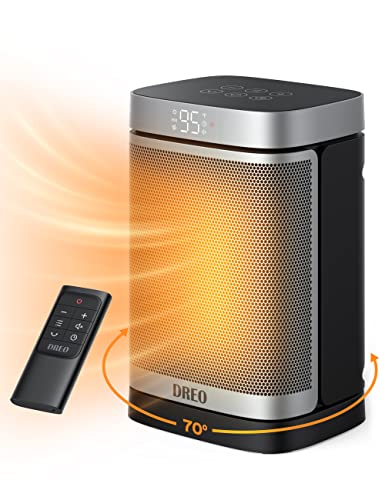
First time buyers should look for a simple ceramic heater with a thermostat and strong safety features. The DREO Atom One space heater, at around $50, uses up to 1,500 watts, a digital thermostat, 70 degree oscillation, an ECO mode, a 12 hour timer, 5 modes and a remote, and DREO says its ETL listed Shield360 system adds tip over and overheat protection and an enhanced safety plug. DREO also lists a brushless DC motor that runs as quiet as 37.5 dB.
Ceramic heaters warm a small to medium room quickly, are light enough to carry and cost little upfront, which makes them easy to learn on. Look for automatic shutoff if the heater tips over and a cool touch housing.
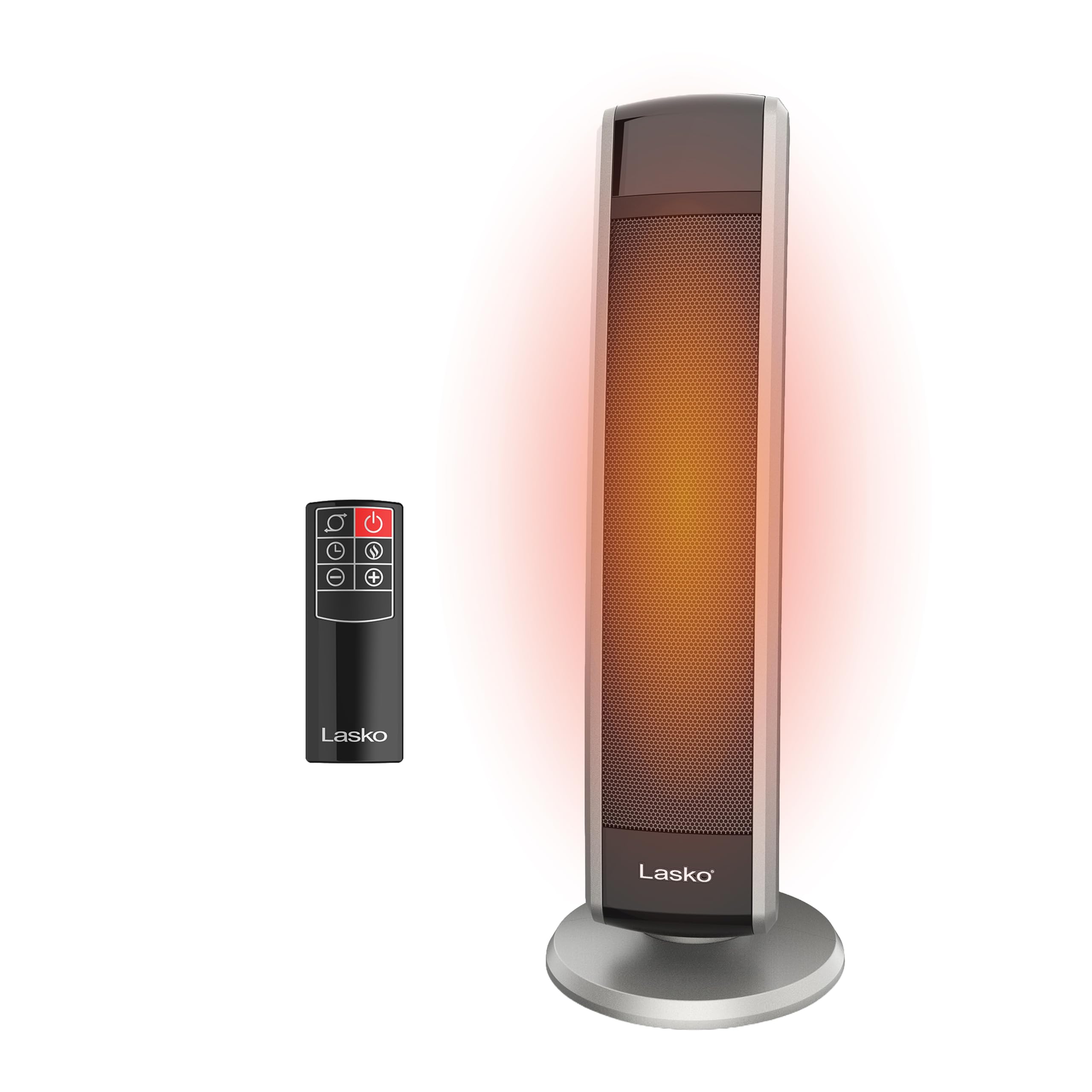
Tower styles, like the Lasko 23 inch Ceramic Tower Space Heater at around $72, spread heat higher in the room and include a remote and a 7 hour timer, according to Lasko.
A good first heater should be easy to understand without reading the manual twice: one power button, clear heat settings and a thermostat dial or display.
For People Who Want the Best Performance
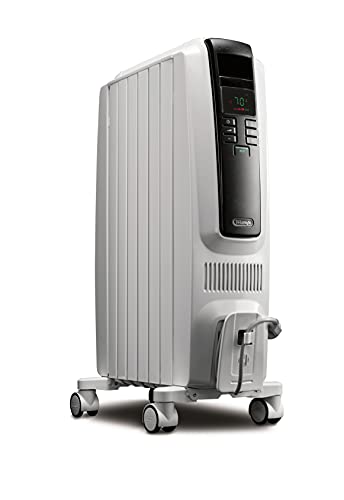
For steady, whole room warmth, oil filled radiators are hard to beat. The De'Longhi Dragon Digital Oil Filled Radiator, at around $190, lists a digital control panel with a 24 hour timer, 75% more radiant surface area than De'Longhi's RadiaS design, an ECO Plus energy mode, rubber coated Smart Snap wheels and fanless heat that minimizes dry air and does not stir up dust, pollen or dander.
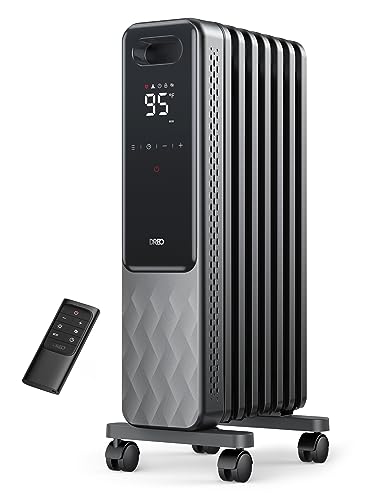
The DREO Oil Filled Radiator Heater, at around $100, offers 600, 900 and 1,500 watt modes, an eco mode, 7 fins, triple overheat protection, tilt protection, a child lock and a remote. Radiators take longer to warm up than fan heaters but hold heat and run silently, which suits bedrooms and living rooms.
Larger towers like the Lasko 29 inch Ceramic Tower, at around $104, cover larger rooms with wide oscillation and an 8 hour timer.
Because radiators have no fan, they are a good fit for people with allergies or anyone who dislikes the sound and feel of blowing air.
For Gift Shoppers
Quiet, attractive heaters with remotes make thoughtful gifts for remote workers, college students and older relatives. The De'Longhi Ceramic Tower Space Heater, at around $150, lists Quiet Technology that reduces noise by 50%, motorized oscillation, an ECO Plus function, two stage overheat protection, an internal tip over switch and cool touch handles and controls.
Honeywell's ThermaWave 6 ceramic heater, at around $91, adds a programmable thermostat for people who like a set it and forget it routine.
For older relatives, choose large, simple controls and automatic shutoff features. For students in dorms, check housing rules first, since many dorms restrict space heaters.
For Value Seekers
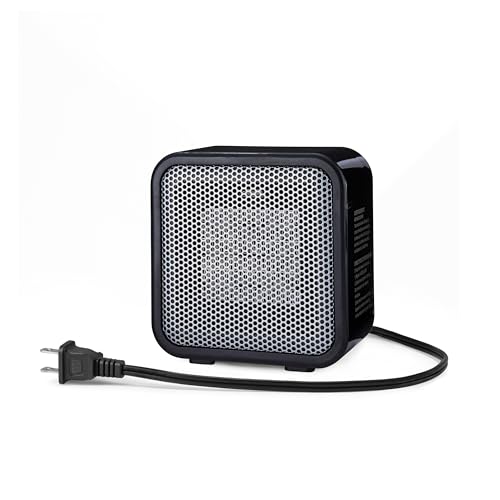
Value seekers should start with Amazon Basics. The Amazon Basics Ceramic Space Heater, at around $22, offers High at 1,500 watts, Low at 900 watts and Fan Only settings, weighs 3 pounds, runs at about 43 dB and includes tip over and overheat protection, according to Amazon. The Amazon Basics Mini Space Heater, at around $19, uses 500 watts and weighs 1.4 pounds for desks and small spaces.
These heaters suit warming one person or a small room on a budget. Amazon notes that its ceramic heater should not be used in bathrooms, laundry rooms or other humid areas.
Pair a budget heater with simple steps like closing doors, using draft stoppers and adding a rug to cold floors to get more warmth from every watt.
Key Features to Compare in the Best Electric Heater
Room size, placement, controls and efficiency matter most. Here is what to look for.
The best electric heater for most homes combines enough wattage for the room, a real thermostat, tip over and overheat protection and a noise level you can live with. Extras like apps and fancy displays are nice but less important.
Room Size and Coverage
Most plug in electric heaters top out at 1,500 watts, the maximum for a standard 120 volt outlet. As a rough rule, 1,500 watts can heat about 150 square feet as a primary heat source and more as a supplement. Small 500 watt heaters, like the Amazon Basics mini, warm one person at a desk. Oscillation and tower designs spread heat across larger rooms.
Ceiling height, insulation and windows also affect how much heat a room needs. Rooms with high ceilings, single pane windows or poor insulation need more heat than the square footage suggests.
Two smaller heaters on separate circuits can sometimes warm an awkward room better than one.
Installation and Placement
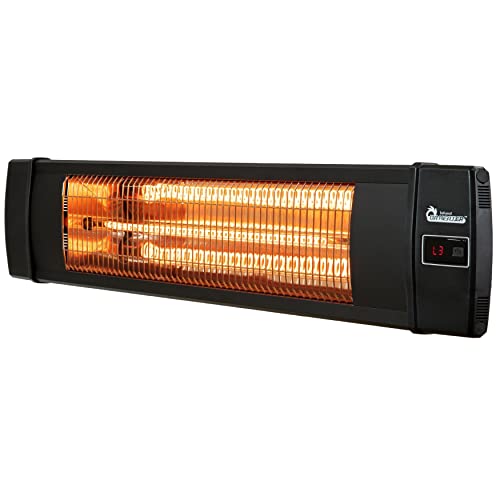
Most heaters simply plug in and sit on the floor. Infrared heaters like the Dr. Infrared Heater Portable Indoor and Outdoor model, at around $126, include wall and ceiling mounting brackets, are IP55 rated for indoor and outdoor use and offer 900, 1,200 and 1,500 watt settings, according to Dr. Infrared. Place heaters on a hard, flat surface away from traffic, curtains and furniture.
Hardwired heaters, like 240 volt garage heaters, need professional installation and are a separate category from plug in room heaters.
Smart Controls and Sensors
Digital thermostats hold a set temperature rather than running constantly, which saves energy. Timers, like De'Longhi's 24 hour timer and DREO's 12 hour timer, turn heaters off automatically. Remotes, child locks and display dimming add convenience. ECO modes, like DREO's and De'Longhi's ECO Plus, adjust power to maintain comfort efficiently.
Safety sensors matter as much as comfort features. Tip over switches cut power if the heater falls, and overheat protection shuts it down if internal temperatures climb too high.
Energy Efficiency and Operating Cost
All electric resistance heaters convert nearly all their power into heat, so efficiency comes from heating only the space you use and using thermostats and eco modes wisely. A 1,500 watt heater running for one hour uses 1.5 kilowatt hours; multiply by your electricity rate to estimate cost. Lower settings, like 900 watts or 600 watts, cut costs.
Turning your central thermostat down a few degrees while heating only the room you are in is where real savings come from.
Common Mistakes to Avoid When Buying Electric Heaters
The most common mistake is buying a heater too small for the room, then running it on high all day. Another is choosing a loud fan heater for a bedroom when a quiet radiator would suit better.
Many buyers skip safety features like tip over protection, overheat shutoff and ETL or UL listing. Plugging heaters into extension cords or power strips is a serious fire risk. Finally, using a heater not rated for damp areas in a bathroom or laundry room can be dangerous.
Some shoppers also buy outdoor rated or garage heaters for living spaces, or indoor heaters for patios. Match the heater to the environment on the label.
Setup and Care Tips
Unpack the heater and read the safety instructions. Plug it directly into a wall outlet and avoid sharing the circuit with other high power appliances. Keep 3 feet of clearance on all sides.
Set the thermostat to a comfortable temperature rather than maximum. Dust the grills and vents regularly, since dust buildup can reduce performance and create a burning smell. Store heaters in a dry place during warm months.
Check the cord and plug regularly for damage, and stop using a heater if the plug feels hot or the outlet looks discolored. Install smoke alarms on every level of your home and check them monthly.
FAQs
Do electric heaters really work?
Yes, electric heaters work well for warming single rooms and supplementing central heating. They are most effective in small to medium spaces and when used with a thermostat to hold a steady temperature.
They work best as zone heating, warming the room you are in rather than replacing a whole house heating system.
Where is the best place to put an electric heater?
Place an electric heater on a hard, level floor at least 3 feet from furniture, bedding, curtains and walls, away from foot traffic and out of reach of kids and pets. Near a cold exterior wall or window, it can offset drafts.
Never place a heater in a doorway or walkway where someone could trip over it or its cord.
Is it expensive to run an electric heater all day?
Running a 1,500 watt heater on high for 24 hours uses 36 kilowatt hours, which can add up quickly. Using a thermostat, eco mode and lower settings, and heating only occupied rooms, keeps costs down.
Oil filled radiators with lower wattage modes, like DREO's 600 watt setting, help keep costs in check for long running sessions.
Do electric heaters have filters to replace?
Most portable electric heaters do not have replaceable filters. Clean dust from grills, vents and fans regularly as the manual directs, and unplug the heater before cleaning.
A burning smell at first use is common as factory residue burns off, but a persistent smell means the heater needs cleaning or service.
What size heater do I need for my room?
For most bedrooms and offices, a 1,500 watt heater is enough. Small desk heaters around 500 watts suit personal warmth, while large rooms may need a tower or radiator with wide coverage.
When in doubt, choose a heater with a thermostat so it cycles off once the room is warm.
The Bottom Line
The best electric heater matches your room and routine. The DREO Atom One and Lasko ceramic towers suit first time buyers, De'Longhi and DREO oil filled radiators deliver steady performance, the De'Longhi Ceramic Tower makes a quiet gift and Amazon Basics heaters offer value. Always follow safety rules and plug heaters directly into the wall.
Measure your room, choose the type that suits your routine and put safety features at the top of your list.
For more home comfort guides, see the best electric garage heaters, the best outdoor electric patio heater, the best electric fireplace and the best home slippers. Then compare current prices in the product table above.


