Best Bargain Microwaves 2026: Beginner Guide
Disclosure: We may earn a commission when you buy through links on this page, at no extra cost to you. As an Amazon Associate I earn from qualifying purchases. Learn more

Learn how size, wattage and features separate the best bargain microwaves from weak, noisy ovens that heat food unevenly.
A first microwave purchase looks simple until you face a wall of sizes, wattages, and installation styles with prices that vary by hundreds of dollars. This guide starts with the basics and builds to a confident choice, so you can pick best bargain microwaves that fit your kitchen, your cooking habits, and your budget without paying for features you will never touch.
Measure your space and think about what you heat most often, whether that is leftovers for one or family sized dishes every night. Keep those notes ready and use the comparison table below to check capacity and wattage against them as you read.


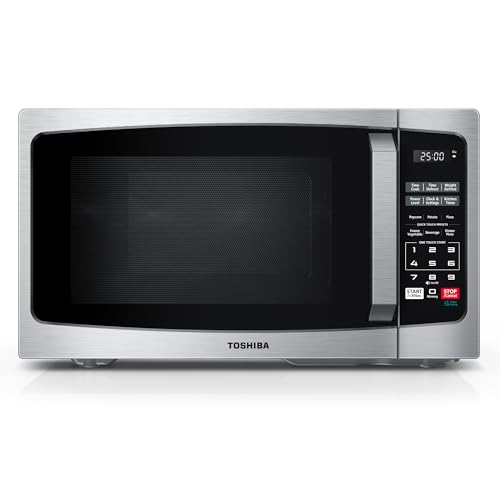


Microwaves 101: The Basics
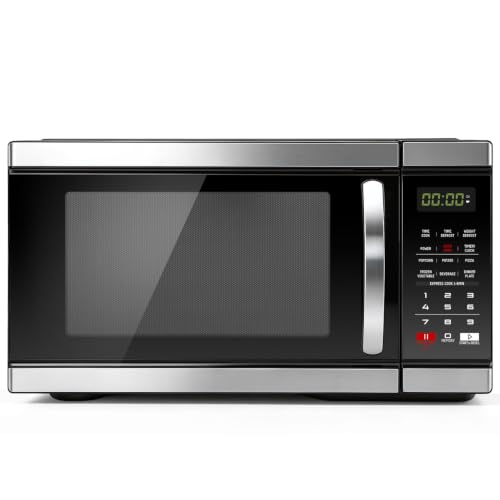
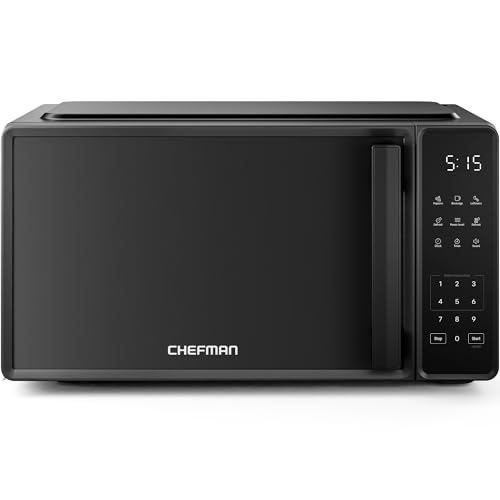
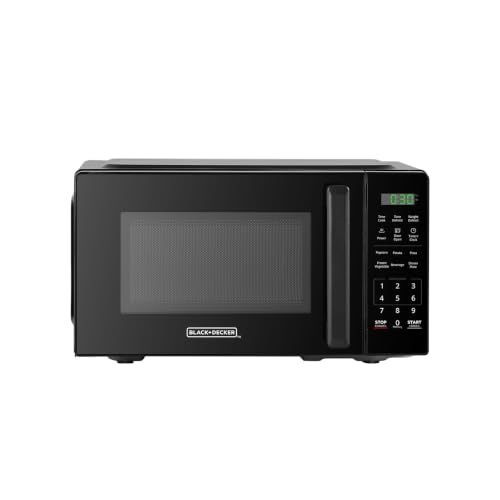
A microwave oven heats food by making water molecules inside it vibrate, which produces heat from within rather than from a hot element. A part called a magnetron creates the waves, a waveguide directs them into the cavity, and a turntable rotates the dish so the waves reach it from changing angles and it heats more evenly.
Power is measured in watts, and most home models run from about 600 to 1,200 watts. Higher wattage cooks faster and more evenly, which matters more than most preset buttons. The cavity size is measured in cubic feet, and the door style, control layout, and venting needs vary by installation type, which is why choosing the type comes before choosing the brand or finish.
Key Specs Explained in Plain English
What You Can Realistically Get on a Budget
At around $80 to $180 for a countertop model, expect solid basic cooking, a turntable, a handful of useful presets, and a simple control panel. What gets cut at this price is usually convection cooking, premium finishes, large capacity, and quiet operation, not basic heating ability. Do not save money on wattage or cavity size to gain decorative features, because those two specs decide every meal. A bargain model with about 900 to 1,000 watts and honest capacity will serve you better than a stylish 700 watt model that leaves the center of every dish cold and doubles your cooking times.
Installation Type: Countertop, Over the Range, Built In, and Drawer
Countertop models need only a flat surface and an outlet, and they are the natural home of bargain pricing, though they consume work space and need clearance around the vents. Over the range models free the counter and add venting and lighting, but they cost more, need proper mounting and duct decisions, and sit at a height that can be awkward for shorter cooks and risky for children lifting hot dishes. Built in models slide into cabinetry for a finished look at the highest cost, while microwave drawers open from the top and suit islands and low counters. For a first purchase on a budget, a countertop model is almost always the sensible starting point, and our guide to the best countertop microwaves explains sizing for counters in detail.
Capacity in Cubic Feet
Capacity runs from about 0.7 cubic feet for a compact model to about 2.2 cubic feet for a large family model. A single person or a dorm room does well at 0.7 to 0.9 cubic feet, most couples and small families suit 1.1 to 1.4 cubic feet, and large households that heat big casseroles should look at 1.6 cubic feet and up. The turntable diameter matters as much as the volume figure, because a tall narrow cavity can claim generous capacity while refusing your largest dinner plate or mixing bowl. Measure that plate, usually about 11 to 12 inches across, and confirm the turntable and the door opening both clear it with room to rotate.
Convection and Air Fry Combos
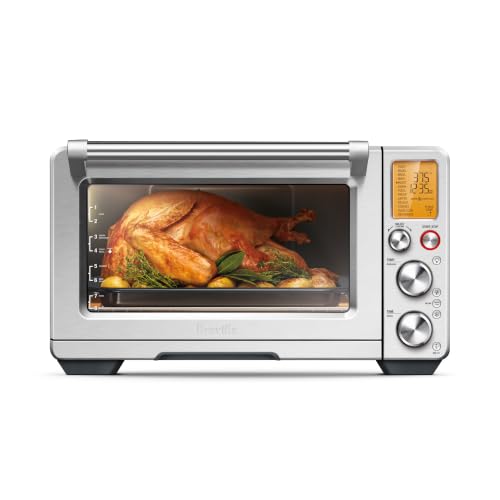
Combination models add a heating element and fan so the microwave can brown and crisp like a small oven, and some add an air fry mode for foods that fail in a standard microwave. They are worth the extra cost if your kitchen lacks oven space or you regularly cook small portions you want crisp, such as a single chicken breast or a batch of fries. They are not worth it if you own a good oven and mostly reheat, because the premium can double the price of a bargain model. Combo cavities also tend to cook more slowly than a full oven and need more cleaning, so weigh the convenience honestly.
Sensor Cooking and Presets
Sensor cooking measures the steam rising from food and adjusts time and power automatically, which makes reheating leftovers and cooking vegetables far more reliable than guessing minutes. A good sensor reheat is the preset you will use daily, while popcorn, potato, and beverage presets earn their place if they match your habits. Popcorn fans can compare dedicated guidance in our article on the best microwaves for popcorn for bag size and timing tips. Treat a long preset list with suspicion, because twenty programs often hide the fact that only four of them work well. Look instead for a responsive sensor, a simple add 30 seconds button, and power levels you can change mid cycle.
Inverter Technology
A standard microwave delivers lower power levels by cycling full power on and off, so food alternates between blasting and resting, which scorches edges while the center stays cold. Inverter technology delivers a steady stream of true reduced power instead, so defrosting stays gentle, sauces hold without splitting, and edges stop cooking ahead of the middle. The difference shows most in defrosting meat evenly, melting butter or chocolate, and reheating delicate dishes. Inverter models cost a little more and are worth it if you defrost often. If you mainly boil water and reheat sturdy leftovers, a standard model at a lower price remains a perfectly rational bargain.
Rookie Mistakes to Avoid
- Buying by exterior size. A bulky cabinet can hide a small cavity, so judge by cubic feet and turntable diameter, not by the footprint on the shelf.
- Choosing wattage that is too low. Models under about 700 watts cook slowly and unevenly, and recipe times written for stronger ovens will mislead you every day.
- Forgetting vent clearance. Blocking the side or rear vents with walls or stored items traps heat and shortens the life of the magnetron.
- Ignoring door and control quality. You will open that latch thousands of times, so a flimsy door or a membrane panel that needs hard pressing becomes a daily irritation.
- Skipping the noise check. Bargain models can be loud, and in a small apartment or an open plan kitchen that hum and beep volume matters more than you expect.
Getting Started: Setup and First Use
Unbox the microwave on a clear counter, remove all packing material from inside the cavity, and wash the turntable and roller ring in warm soapy water before the first use. Place the unit on a level surface with at least 3 inches of clearance on the sides and rear and more above it, and plug it directly into a grounded outlet rather than a power strip. For over the range models, follow the mounting template exactly and confirm the vent direction before lifting the unit into place, a job that needs two people.
Run a simple first test by heating a mug of water for two minutes, which confirms the oven works and lets you learn the controls without risking a meal. Never run a microwave empty, because the waves have nothing to absorb them and can damage the magnetron. Set the clock, test the sensor reheat on a plate of leftovers, and keep the manual nearby for the first week while the preset times become familiar. Wipe the cavity after messy foods while it is still warm, since dried splashes harden and later cleaning takes far longer.
If you want to see how bargain models compare with higher priced lines, our roundup of the best reviewed microwaves gives useful context on features at each level.
Frequently Asked Questions
Is an inverter microwave worth it?
Yes, if you defrost meat, melt ingredients, or reheat delicate food often, because steady low power prevents cooked edges and cold centers. The premium over a standard model is usually modest. If your cooking is mostly water, soup, and sturdy leftovers, a standard model serves just as well and the saving is real, so let your actual habits rather than the feature list decide this one.
How long do microwaves typically last?
Most home microwaves last about seven to ten years with normal use, and countertop models sit at the lower end when they are moved often or their vents are blocked. The magnetron weakens gradually, so the first sign of age is longer cooking times rather than sudden failure. Cleaning the cavity, keeping vents clear, and closing the door gently instead of slamming it all extend that lifespan noticeably.
Can an over the range microwave replace a range hood?
It can replace a basic hood for light cooking, but its fan is usually weaker than a dedicated hood and moves less air, often rated lower in CFM and venting back into the room unless ducted outside. Heavy frying and high heat searing overwhelm most microwave fans. Our guide to the best overhead microwaves explains venting options and mounting heights if you are weighing that swap for your kitchen layout.
What size microwave do I need?
Choose by your largest dish and your household size. Singles and dorm rooms suit 0.7 to 0.9 cubic feet, couples suit about 1.1 to 1.4 cubic feet, and families heating large casseroles need 1.6 cubic feet or more. Confirm the turntable clears your biggest plate and that the cavity height accepts a tall mug or a covered bowl, because those daily items cause more frustration than any rare oversized dish.
Is 1,000 watts enough for a microwave?
Yes, 1,000 watts is enough for nearly all home cooking and matches the timing printed on most packaged foods, which are usually written for ovens around that strength. It reheats evenly, cooks vegetables quickly, and handles family portions without long waits. More power mainly buys speed on large items, while much less power, around 700 watts, forces you to add time and stir more often to avoid cold spots.
Wrapping Up
Put wattage, honest capacity, and installation fit at the top of your list and let presets and finishes fight for what is left of the budget. A countertop model around 900 to 1,000 watts with a working sensor covers most first kitchens beautifully. Check your finalists in the product table above against your measurements, and you will understand why best bargain microwaves reward careful sizing far more than a long feature list.