Best Basic Microwaves for Your Home: A Buying Guide for 2026
Disclosure: We may earn a commission when you buy through links on this page, at no extra cost to you. As an Amazon Associate I earn from qualifying purchases. Learn more

The best basic microwaves keep power, size and controls simple. Compare dial and keypad models, compact and family sizes, and the safety checks that matter.
A basic microwave should make daily life easier, not more complicated. It reheats last night's dinner, defrosts meat safely, warms a drink, and cooks a simple meal without a long menu to learn. This guide to the best basic microwaves strips the choice back to power, size, controls, and reliability, so you can spend wisely and skip features you will never use.
The product table above lists current countertop options at everyday prices. The sections below explain how to read the specs, which type fits your kitchen, and what to check for safety and care.





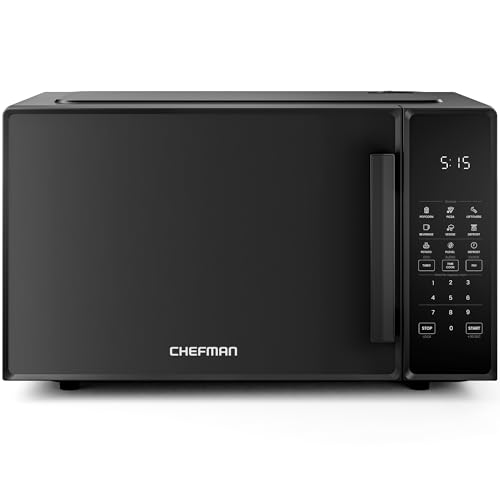
What Basic Microwaves Do Well
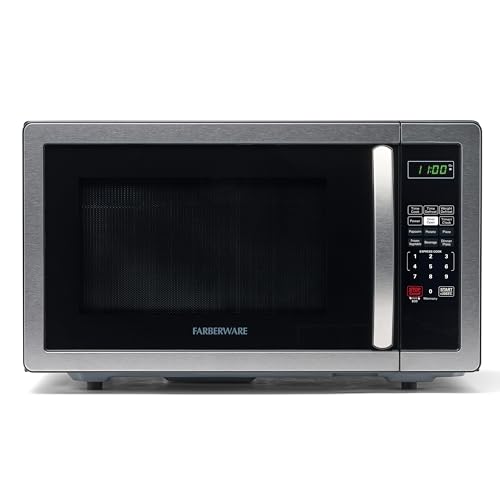
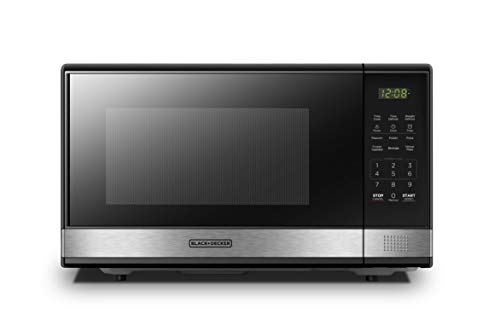
All microwaves heat food the same way, but basic models keep the interface simple. A dial or a small keypad sets time and power, and a start button begins cooking. There is no sensor to guess cooking time and no convection fan to crisp food. That simplicity is a strength, since fewer parts mean fewer things to confuse or break, and prices stay low, often between $70 and $150.
Focus on the things that decide daily comfort: a cavity that fits your dishes, a door that closes with a solid feel, and controls you can use without reading the manual.
Types of Basic Microwaves Compared
Simple Dial Microwaves
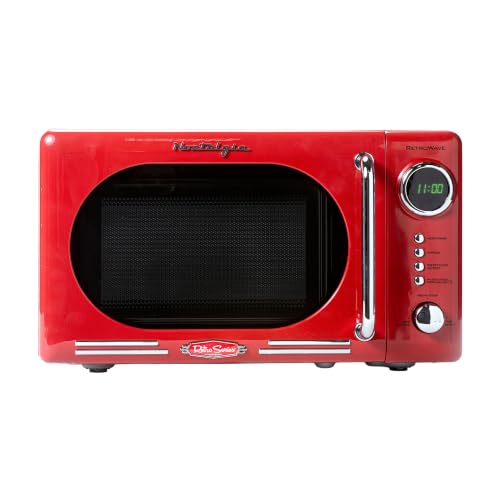
Dial models use one or two knobs for time and power, with no display to program. They suit older users, teens learning to cook, and anyone who dislikes menus. They are often cheaper, and a mechanical dial has no touch panel to fail. Check that the dial turns smoothly and the timer rings clearly, because a sticky dial makes short heating jobs, such as melting butter, harder to control.
Keypad Microwaves
Keypad models add preset buttons for common jobs such as popcorn, drinks, and defrost by weight. They suit busy households that repeat the same tasks daily. Presets save time, but they work best when your portion sizes match what the preset expects. A clear display and large buttons matter more than a long preset list.
Compact Basic Microwaves
Compact models of about 0.7 cubic feet suit dorm rooms, offices, and small apartments where counter space is precious. They handle single portions, drinks, and snacks well, and they cost less to buy and run. A smaller cavity and lower power mean family meals take longer or need batches. Measure your plates and tallest mugs before buying, because internal height limits what fits.
Mid Size Family Microwaves
Models around 1.1 to 1.2 cubic feet and 1,000 watts are the most common basic choice. They fit a full size dinner plate, a casserole dish, and a large mug, and they cook faster than compact units. They need more counter space and clear room around the vents.
Key Features to Compare
- Power: 700 to 900 watts suits light reheating, while 1,000 watts handles most families without long waits.
- Cavity size: the turntable should hold your largest everyday plate with room to rotate.
- Controls: large buttons or a simple dial reduce mistakes, especially for children and older users.
- Door and latch: a door that closes firmly protects the seal over years of use.
- Noise: a quiet fan and a soft beep matter in open plan homes and at night.
- Cleaning: a smooth interior and a removable turntable make spills quick to wipe.
Sizing and Fit
Getting the size right matters more than any single feature. Measure the counter space, including the door swing and the clearance the maker asks for around the vents, then compare those numbers with the product dimensions. Most countertop models need a few inches of open space at the back and sides, and none should sit inside a closed cabinet. If you are between sizes, choose the one that causes fewer daily problems, and check the return terms so a wrong fit is easy to exchange.
Who Should Buy a Basic Microwave
Basic microwaves suit renters, students, small households, and busy families who mainly reheat and defrost. They also suit offices, garages, and holiday homes, where simple operation matters more than advanced cooking. They are less suited to cooks who want to bake, roast, or crisp food in one appliance. If you enjoy cooking full meals, consider a combination model and keep a basic microwave as a second oven.
Common Mistakes to Avoid
- Buying the cheapest model without checking plate fit.
- Placing the microwave in a closed cabinet without vent space.
- Heating food in sealed containers, which can burst, or using metal dishes, which can spark.
- Cooking small portions at full power for too long. Start with short times, stir, and add time in small steps.
- Paying extra for presets and sensors you will never use.
Care and Safety
Clean spills right away, since dried food absorbs microwaves and can scorch. Wipe the door seal weekly and keep the vents free of dust. Stop using the oven if the door, seal, latch, or cord is damaged, and unplug it before cleaning inside. Never run the oven empty, and never heat sealed jars, whole eggs in shells, or metal containers. If you see sparking or smell burning from the electrics, unplug the oven and follow the manufacturer's instructions for repair.
Related Guides
Related guides can help you compare nearby choices. For countertop styles, see the guide to best countertop microwaves, and for mounted styles, see the guide to best overhead microwaves. Popcorn focused advice appears in the guide to best microwaves for popcorn, and compact options in the guide to best tiny microwaves.
Basic Microwaves: Your Questions Answered
Is a higher wattage always better?
Not always. Higher wattage cooks faster, but it can overheat small portions and dry out food. Power around 700 to 900 watts suits most basic tasks, and you can lower the power level for melting, softening, and defrosting.
How do I defrost safely in a microwave?
Use the defrost setting or a low power level, turn the food halfway, and cook it promptly after defrosting. Separate pieces as they thaw, and do not refreeze raw meat that has fully thawed. When in doubt, defrost in the refrigerator overnight.
Can I use plastic containers in a microwave?
Use only containers labeled microwave safe, and avoid old, cracked, or warped plastic. Leave lids loose or vented so steam escapes. Glass and ceramic are good choices for high heat cooking.
Why does my microwave make food rubbery?
Overcooking is the usual cause, especially with bread, eggs, and cheese. Heat in short bursts, cover food loosely to hold moisture, and let it stand for a minute after cooking so the heat spreads gently.
When should I replace a basic microwave?
Replace it when the door or seal is damaged, the turntable stops, heating becomes very uneven, or repairs cost close to a new model. A microwave that sparks or smells of burning electrics should be unplugged and not used again.
Final Thoughts
Choosing the best basic microwaves comes down to fit, everyday usability, and honest priorities, not to the longest feature list. Use the product table above to narrow your shortlist, match the size to your counter and your plates, and keep safety and care in mind after purchase.