Best Electric Garage Heaters: How to Choose the Right One for Your Space
Disclosure: We may earn a commission when you buy through links on this page, at no extra cost to you. As an Amazon Associate I earn from qualifying purchases. Learn more

Walking into a freezing garage every morning gets old fast, whether you park there, work on projects, or use it as a home gym. Finding the best electric garage heaters for your space comes down to a handful of practical questions: how much wattage you actually need, whether you should go with a plug-in unit or a hardwired one, and which heating style fits how you use the room. This guide walks through all of that so you can shop with confidence instead of guessing. You'll learn how to size a heater to your square footage, how infrared and forced-air units compare, what your electrical panel needs to support a bigger unit, and roughly what it will cost to run one through a cold season.
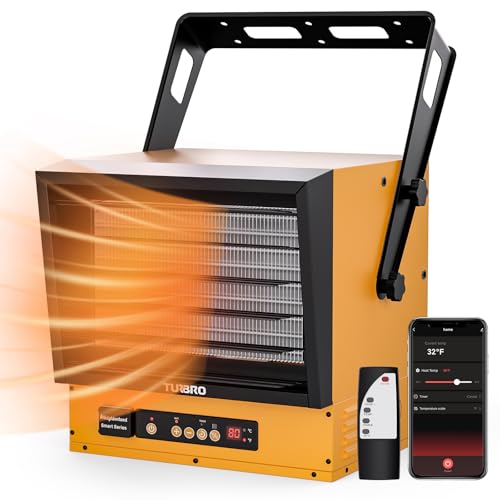
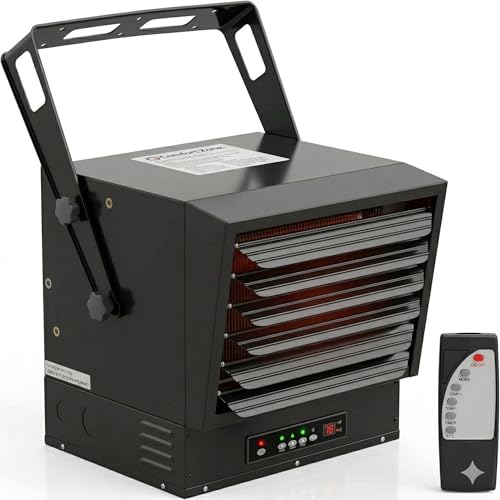
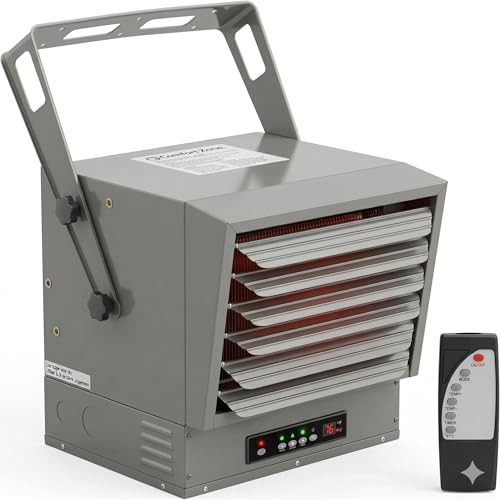
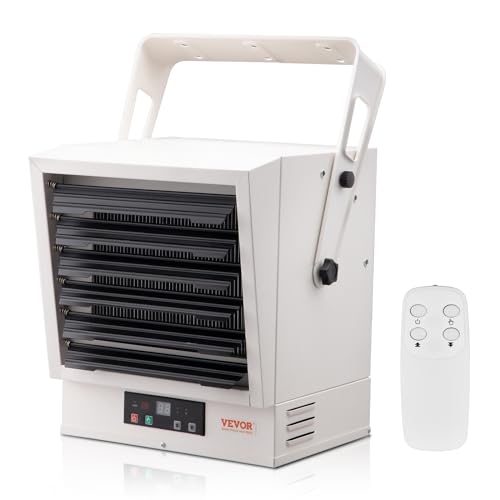
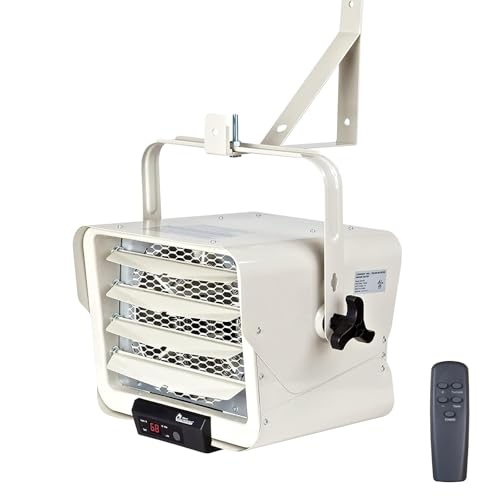
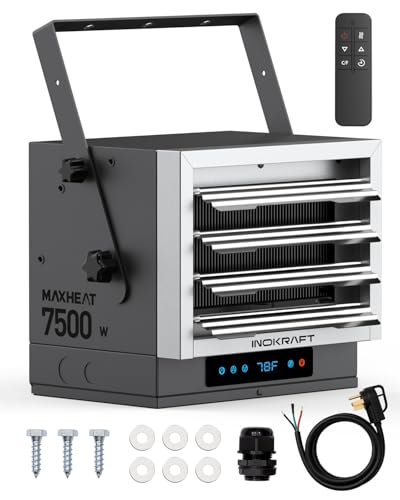
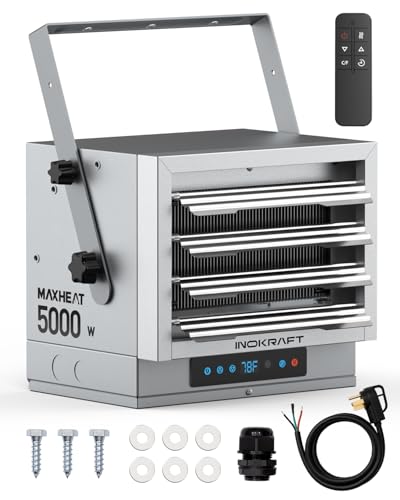
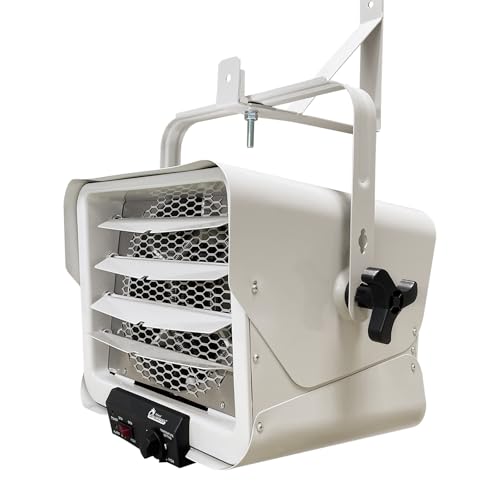


How Many Watts You Actually Need to Heat a Garage
Undersizing is the single most common mistake people make when shopping for electric garage heaters. A unit that's too small will run constantly and still leave the space feeling cool, especially once temperatures drop below freezing. Getting the wattage right up front saves you from returning a heater that just isn't cutting it.
The 10-Watts-Per-Square-Foot Rule
Most heating professionals size a garage heater using a simple baseline: about 10 watts per square foot of floor space. Multiply your garage's square footage by 10 to get a rough minimum wattage. A 400-square-foot garage, for example, needs roughly 4,000 watts to heat comfortably under normal conditions. This rule assumes a standard 8-foot ceiling and a reasonably sealed space, so treat it as a starting point rather than a hard number.
Adjusting for Ceiling Height and Insulation
If your garage has vaulted or extra-tall ceilings, add about 25 percent to your calculated wattage to account for the extra air volume. An uninsulated garage, drafty door seals, or single-pane windows will also push your real-world needs higher than the base calculation suggests. Insulating the walls and garage door before you shop can meaningfully lower the wattage you need, which means a smaller, cheaper unit can do the job.
Wattage Ranges for Single-Car, Two-Car, and Three-Car Garages
As a general guide, single-car garages typically need somewhere in the 2,000 to 3,000 watt range, two-car garages usually call for 3,600 to 7,000 watts, and larger three-car or workshop-style spaces often need 7,000 to 9,000 watts or more. If your garage doubles as a workshop with power tools or an air compressor already drawing from the panel, factor that extra load in before settling on a heater size. Add a 10 to 15 percent safety margin on top of your calculation so the unit isn't running flat out just to maintain temperature on the coldest days.
Infrared or Forced-Air: Which Heat Type Works Better in a Garage
Electric garage heaters generally fall into two categories, and picking the right one matters as much as picking the right wattage.
How Each Type Actually Heats the Space
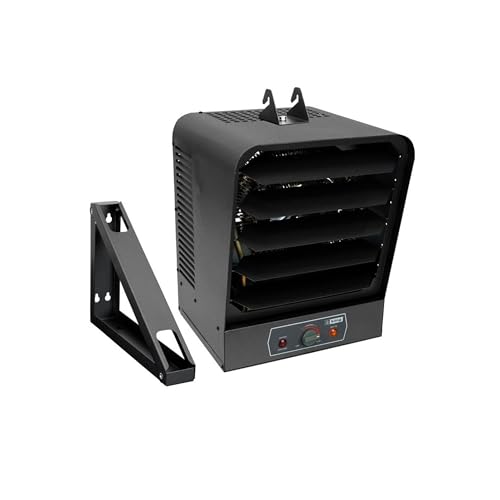
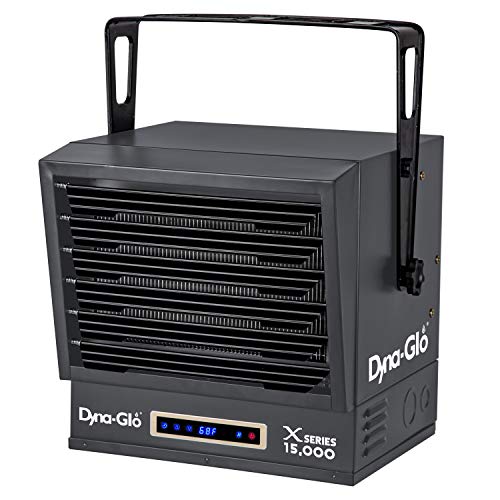
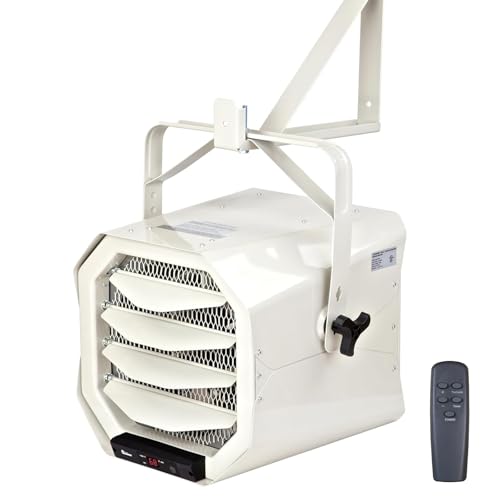
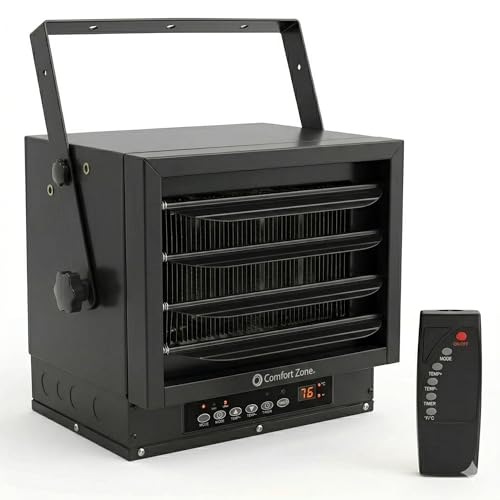
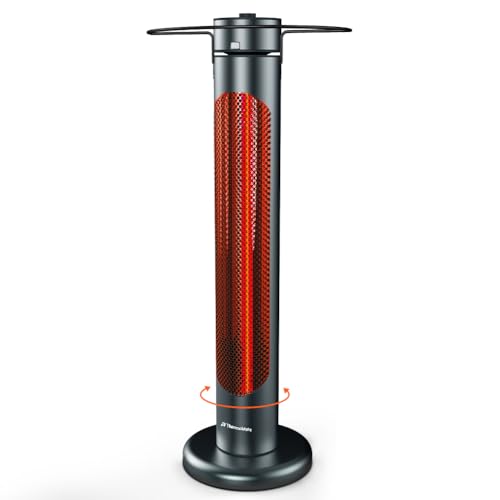
Forced-air heaters work like a small furnace: a heating element warms air, and a fan pushes that warm air out into the room. Infrared, or radiant, heaters work differently. They warm objects, surfaces, and people directly using infrared energy, rather than heating the air around them first.
Best Fit for Frequent Door Use vs Large, Drafty Garages
If you're constantly opening and closing the garage door, an infrared garage heater tends to hold up better, since the warmth is stored in the objects and surfaces in the room rather than in the air that escapes the moment the door opens. If you only need to warm a specific work area rather than the whole garage, a portable infrared heater can be a simpler, lower-cost option than a wall-mounted unit. Forced-air units, on the other hand, tend to shine in larger or drafty spaces where you want the whole room brought up to temperature quickly and evenly.
Noise, Dust, and Comfort Differences
Forced-air units use a fan, so they're noticeably louder and can stir up dust and debris, which matters if you're doing detailed work like woodworking or painting. Infrared units run silently and don't move air around the room, which many people find more comfortable for extended time spent in a workshop.
120V Plug-In vs 240V Hardwired: What Your Wiring Needs to Support
This is where a lot of shoppers get stuck, and it's worth understanding before you buy rather than after.
Circuit, Breaker, and Wire Gauge Basics
Smaller electric garage heaters, generally up to about 1,500 watts, run on a standard 120V outlet and typically need a 15-amp breaker with standard wiring. Anything larger, especially units in the 4,000 to 9,000 watt range, requires a 240V garage heater setup on a dedicated circuit, which usually means a double-pole breaker rated 30 amps or higher and heavier gauge wire. For garages used as living space or heated most of the day, some homeowners choose a ducted electric furnace instead of a standalone heater. Because heating equipment runs continuously, electrical code generally requires that circuit to be sized with some headroom above the heater's actual draw, not run right at the breaker's limit.
When You'll Need an Electrician
A 120V plug-in heater is about as simple as it gets. Just plug it into an existing outlet on an appropriate circuit. A hardwired 240V unit is a different story. It requires a dedicated circuit, the correct breaker, and proper wiring back to your panel, which almost always means hiring a licensed electrician unless you're confident doing that work yourself. While an electrician is already running a new circuit, it's a good time to handle other upgrades at once, like adding garage LED lighting on the same trip. Before buying a high-wattage unit, it's worth checking whether your garage already has 240V service or whether new wiring will need to be run.
Safety Features Worth Prioritizing
Regardless of voltage, look for a unit with automatic overheat protection, a tip-over safety switch that cuts power if the heater is knocked over, and a built-in thermostat so it isn't running at full output nonstop. These features add very little to the cost and meaningfully reduce fire risk in a space that often stores flammable materials like paint, solvents, or gasoline.
What It Really Costs to Run an Electric Garage Heater
Estimating Your Monthly Cost
Operating cost comes down to wattage, how many hours you run the unit, and your local electricity rate. A small 120V, 1,500-watt heater run a few hours a day generally lands somewhere around $20 to $25 a month. A larger 240V unit in the 5,000-watt-plus range, used more heavily, can push monthly costs into the $50 to $100 range depending on how well insulated the garage is and how cold it gets.
Ways to Keep the Bill Down
A thermostat that cycles the heater on and off, rather than letting it run continuously, makes a real difference in your electric bill. Sealing gaps around the garage door and adding insulation to walls and ceiling also cuts down on how hard the heater has to work, sometimes dramatically. If you're only using part of the garage as a workspace, a smaller infrared unit aimed at that area can cost far less to run than heating the entire space with a forced-air unit.
Frequently Asked Questions
What size electric heater do I need for a 2 car garage?
Most two-car garages fall in the 3,600 to 7,000 watt range, depending on square footage, ceiling height, and how well the space is insulated. Use the 10-watts-per-square-foot rule as your starting point, then adjust up for taller ceilings or a drafty space.
Is it cheaper to run a 120V or 240V garage heater?
A 120V heater costs less to run simply because it puts out less heat, typically around $20 to $25 a month with moderate use. A 240V heater costs more to operate, but it's also heating a much larger space, so the comparison isn't quite apples to apples.
Do I need an electrician to install a 240V garage heater?
In most cases, yes. A 240V hardwired heater needs a dedicated circuit, a double-pole breaker, and correctly sized wiring run back to your electrical panel, which is work best left to a licensed electrician unless you already have that expertise.
Is infrared or forced-air better for a garage?
It depends on how you use the space. Infrared tends to work better if the door opens and closes frequently, since it warms objects rather than air. Forced-air tends to work better in larger or drafty garages where you want quick, even heat throughout the room.
Can I plug a garage heater into a regular outlet?
Smaller 120V heaters, generally up to about 1,500 watts, can plug into a standard outlet as long as it's on an appropriate circuit. Anything larger typically needs a dedicated 240V circuit that can't simply be plugged in.
What breaker size do I need for a garage heater?
A 120V heater around 1,500 watts usually needs a 15-amp breaker. Larger 240V heaters generally need a 30-amp double-pole breaker or higher, depending on total wattage, so it's worth checking the manufacturer's electrical specs before installation.
Should I insulate my garage before installing an electric heater?
It's not strictly required, but it makes a big difference. An insulated garage holds heat far better, which means you can often use a smaller, less expensive heater and spend less to run it month to month.
Making the Right Call for Your Garage
Choosing among the best electric garage heaters really comes down to matching wattage to your square footage, picking infrared or forced-air based on how you use the space, and confirming your electrical setup can support the unit you want. Get those three things right, and the heater itself becomes a much easier decision, whether you land on a simple plug-in unit or a hardwired system built for a full workshop.